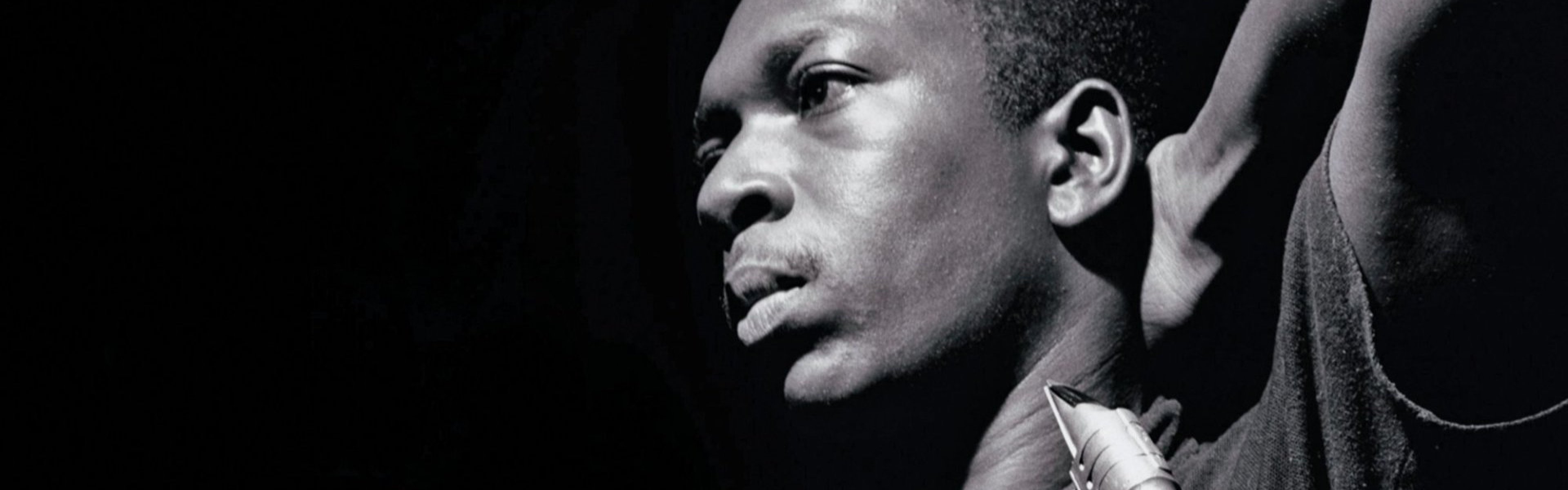
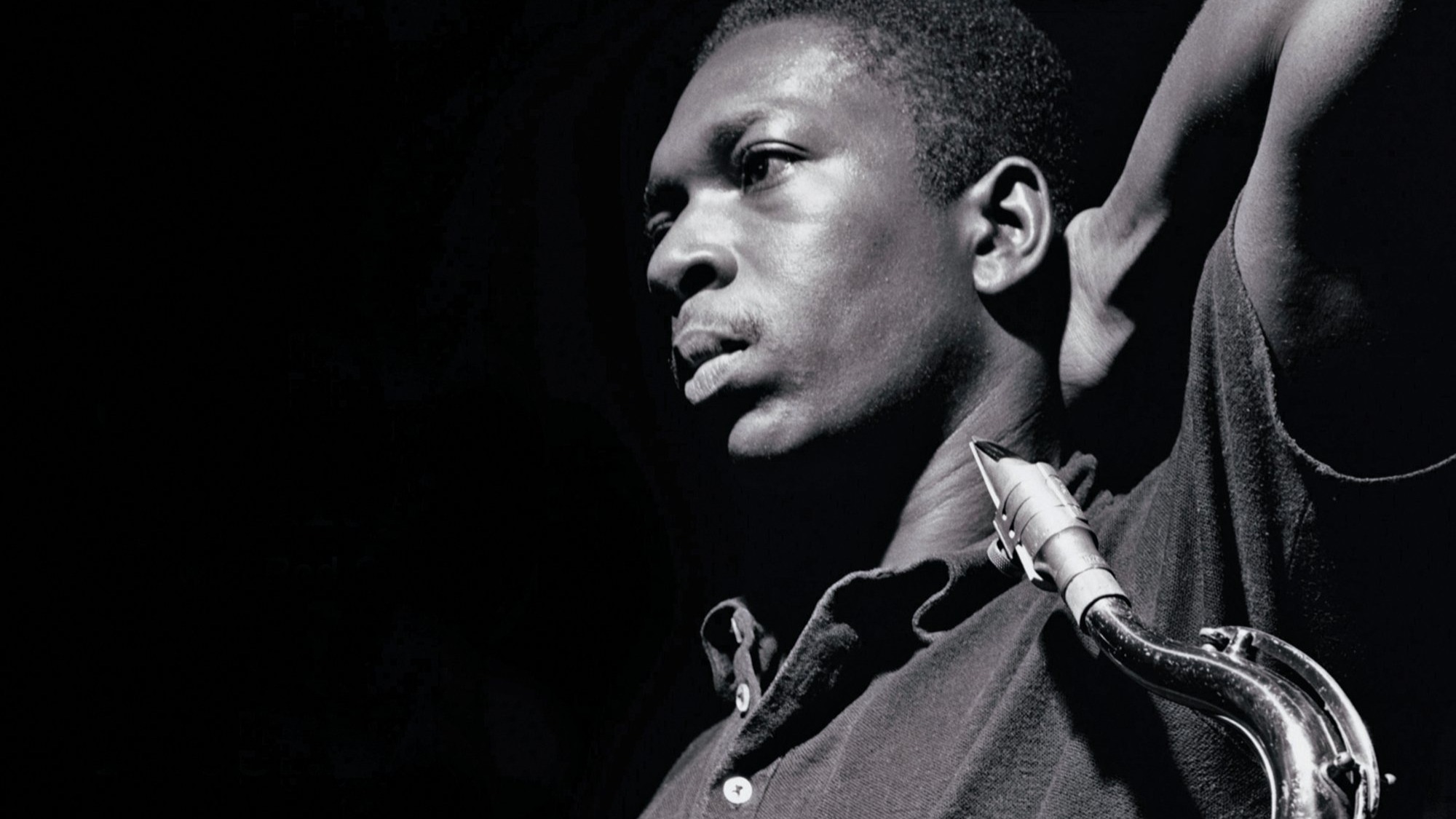
It would be difficult to overstate the importance of John Coltrane (1926-1967) in the music of jazz. The tenor and soprano saxophonist was an instrumentalist, composer (whose standards include “Giant Steps,” “Naima,” and “Countdown”), and bandleader, as well as a notable sideman. The Philadelphia-born icon’s “classic quartet” from 1962 to 1965, which included pianist McCoy Tyner, bassist Jimmy Garrison, and drummer Elvin Jones, was one of jazz’s great groups.
“He was one of the most serious saxophonists in the history of the music,” said alto and soprano saxophonist Jaleel Shaw, a Manhattan School of Music (MSM) faculty member. “I hold him up there with Charlie Parker and Sonny Rollins.
“Technically, the way he mastered the horn, he set the bar extremely high — almost unattainable,” Shaw continued. “But it’s not just that. It’s the emotion, which we don’t talk about enough. In my opinion, he was the first saxophonist to reach that high spiritual level and truly understand that aspect of it.”
An understanding, respect for, and appreciation of Coltrane’s legacy spans generations of students and jazz enthusiasts.
“If I had one artist I could listen to for the rest of my life, it would probably be Coltrane,” said tenor and soprano saxophonist Simon Comté, an award-winning student of Shaw’s. “There's just so much to get from him.”
In celebration of Coltrane’s centenary, there are several special tours and programs being presented in the Bay Area and beyond, that dive deep into his music and legacy.
Emmet Cohen: Miles and Coltrane at 100: At Stanford’s Bing Concert Hall, April 8; SFJAZZ Center’s Miner Auditorium, April 9 (sold out); Kuumbwa Jazz Center, April 14 (first show sold out).
Featuring: Tivon Pennicott, tenor saxophone; Jeremy Pelt, trumpet; Emmet Cohen, piano; Reuben Rogers, bass; Joe Farnsworth, drums
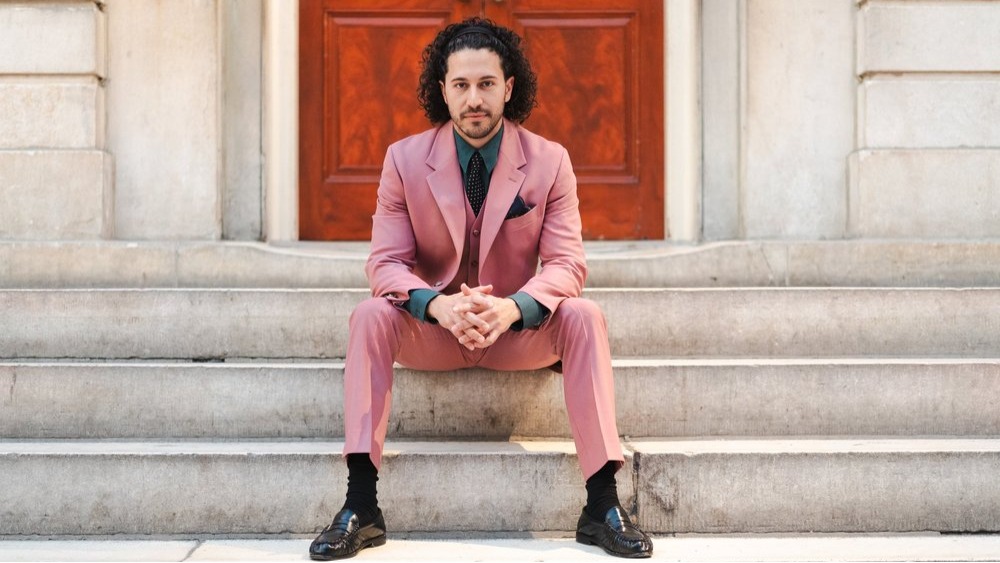
Between 1955 and 1960 Coltrane intermittently spent time in bands led by Miles Davis. The trumpeter, who was also born in 1926, would likely sit next to Coltrane if Mount Rushmore were to feature jazz masters, and he is also being celebrated this year, often at the same time.
Their work together produced famous recordings. And clearly their fearless experimentation together pushed them further in their respective directions. “Coltrane redefined not just the sound of jazz but its purpose — a rigorous, deeply personal, and even transcendent practice rooted in constant reinvention and collective discovery,” wrote Laura Evans, Stanford Live Director of Programming and Engagement.” “Pianist Emmet Cohen takes up that challenge with a spirit that feels both grounded and fresh.”
“John Coltrane's music and influence are as vital today as they've ever been,” Bennett Jackson, creative director at the Kuumbwa Jazz Center, wrote via email. “Although a seminal saxophonist, Coltrane's legacy extends far beyond the instrument itself and is felt through the music, both improvised and composed, of countless artists."
Coltrane 100: At The Freight, April 15
Featuring: Joe Lovano, saxophones; Melissa Aldana, tenor saxophone; Nduduzo Makhathini, piano; Linda May Han Oh, double bass; Jeff “Tain” Watts, drummer
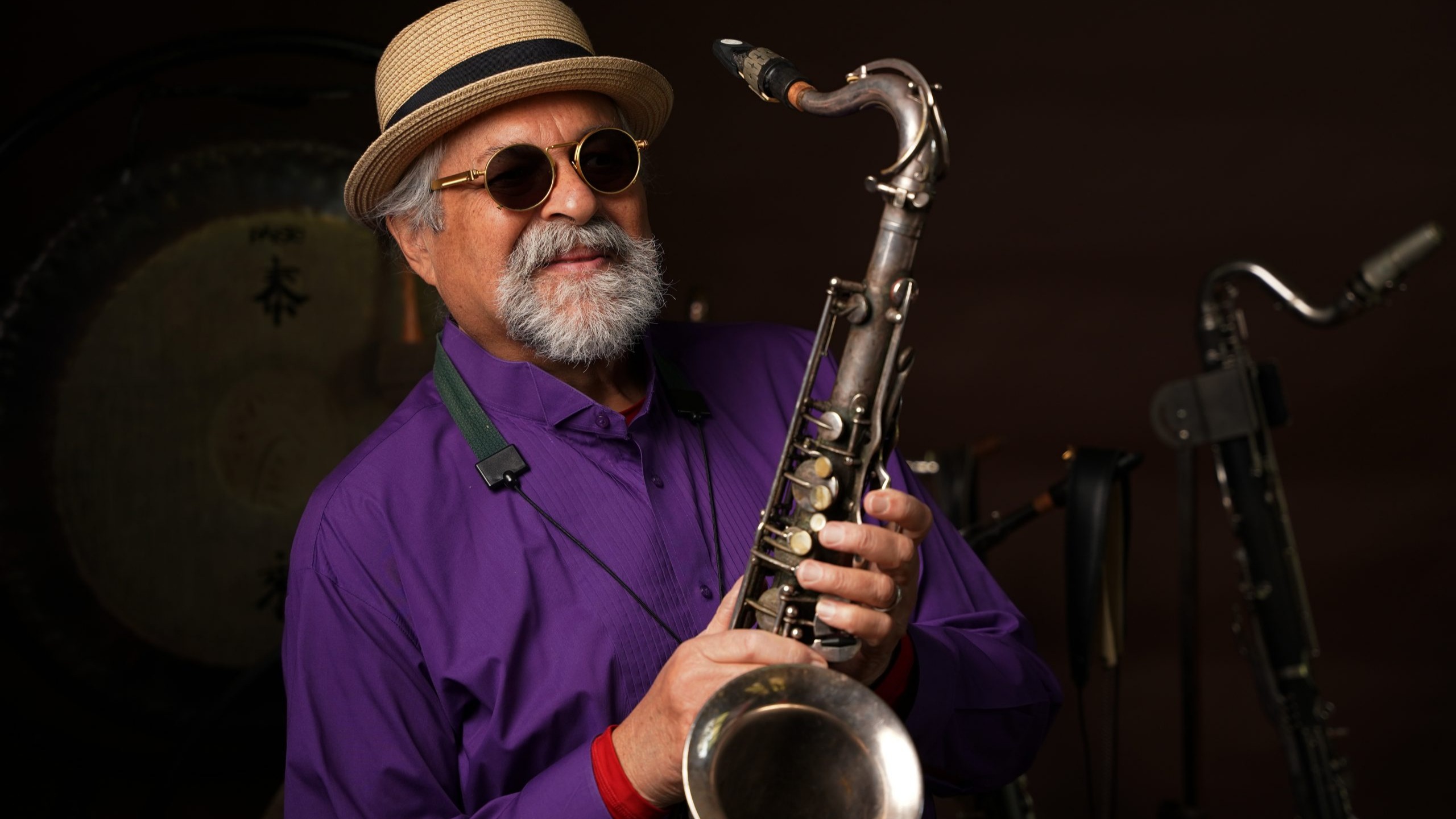
As one of the most heralded saxophonists of his generation, Joe Lovano has faithfully followed Coltrane’s spiritual and woodshed-discipline. Melissa Aldana was the first Thelonious Monk Institute Saxophone Competition winner from the Southern Hemisphere, and her ace ensemble upholds the saxophone quartet tradition. Making a rare local appearance, drummer Jeff “Tain” Watts was embraced by Elvin Jones as a kindred spirit.
“John Coltrane’s breakthrough approach to harmony, improvisation, and spiritual expression stands as one of the most transformative forces in music history,” PC Muñoz, director of programming for The Freight, wrote in an email. “His work not only redefined the possibilities of the saxophone and improvised music but also continues to inspire generations of musicians across genres and methodologies.
“My favorite quote of his remains, ‘You can play a shoestring if you're sincere,’” added Muñoz, who shares a September 23 birthdate with Coltrane. “(It’s) a succinct embodiment of Coltrane's priorities around emotional honesty, spiritual intent, and soul.”
SFJAZZ Gala 2026: At SFJAZZ Center’s Miner Auditorium, May 7
Featuring: George Benson, guitar, vocals; Lakecia Benjamin, tenor saxophone; Tia Fuller, alto saxophone; Terence Blanchard, trumpet; Keyon Harrold, trumpet; Isaiah Sharkey, guitar, vocals; Christian McBride, double bass; Randy Waldman, keyboards; Marcus Miller, bass guitar; Richard Bona bass guitar, vocals; the SFJAZZ Collective

SFJAZZ is trying something new with its 2026 gala: It will add a celebration of Coltrane and Davis’s lives and legacies to the awarding of its Lifetime Achievement Award (to guitarist/vocalist George Benson). Saxophonist Lakecia Benjamin’s 2020 album Pursuance: The Coltranes (Ropeadope) drew from the songbooks of both John Coltrane and his wife, Alice Coltrane. And Terence Blanchard, who is also SFJAZZ’s executive artistic director, was a Jazz Messenger under unrivaled drummer-bandleader Art Blakey, a peer of Davis’s on and off the bandstand starting in the ‘40s.
Terence Blanchard & Ravi Coltrane: Miles Davis and John Coltrane Centennial: At SFJAZZ Center’s Miner Auditorium, May 28-31
Featuring: Terence Blanchard, trumpet; Ravi Coltrane, tenor and soprano saxophone; the E-Collective
Ravi Coltrane chose to follow his own musical path before exploring the legacy of his father, who passed away when he was a little over 21 months old. He’s since performed music associated with both his parents. Blanchard and Ravi Coltrane will be joined by the E-Collective, Blanchard’s working band.
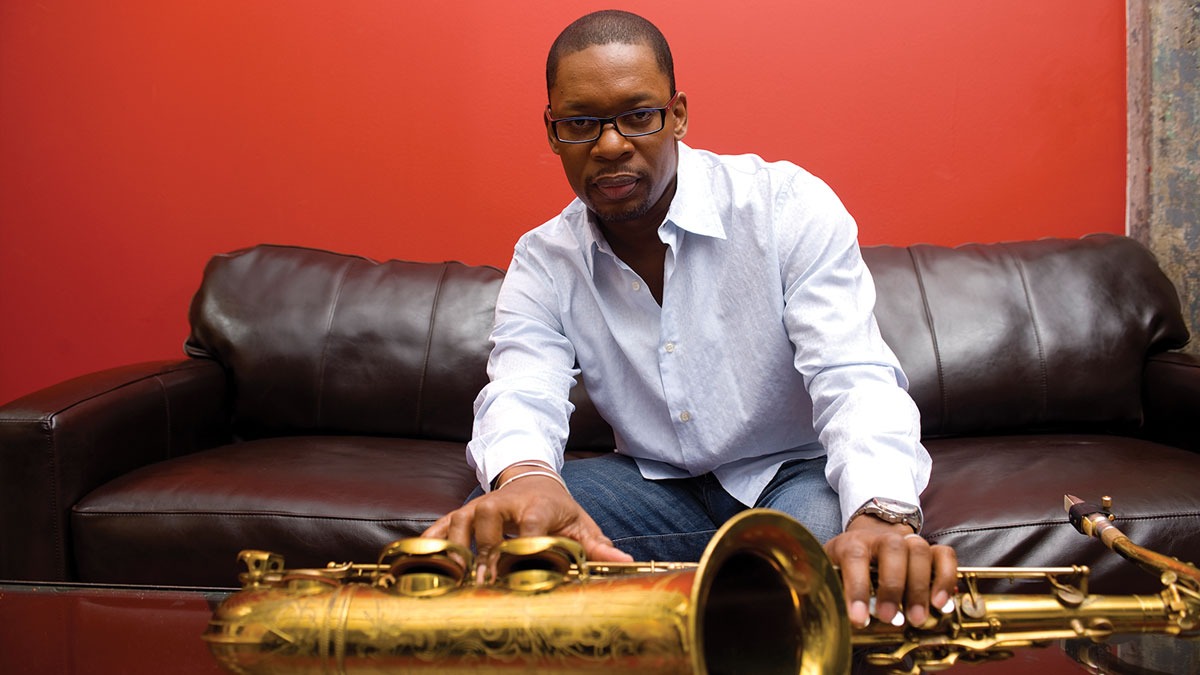
John Coltrane’s 100th Birthday Celebration with Lakecia Benjamin (on a double bill with Jazz at Lincoln Center with Wynton Marsalis): Hollywood Bowl, September 23
Featuring: Lakecia Benjamin, saxophones; Jonathan Taylor Rush, conductor
Benjamin is set to return to the West Coast — but further south this time — performing on John Coltrane’s birthday. She’ll perform before the Jazz at Lincoln Center ensemble, which is playing its final season with Wynton Marsalis, the organization’s founder. Marsalis has said he will retire in 2027.
John Coltrane: A Love Supreme listening session: Envelop, May 3; Miles Davis: Kind of Blue listening session: Envelop, May 10
Providing an unrivaled aural experience, Envelop in San Francisco’s Dogpatch neighborhood is a 32-speaker surround sound listening room with historic and classic contemporary albums expertly mixed for the space. Visitors take their shoes off before entering, Japanese restaurant tatami room-style, and the lights are dimmed so that the entirely silent audience can fully enjoy the recording.
Recorded by the classic quartet in late 1964 and released the following year, the four-part A Love Supreme is Coltrane’s seminal standalone recording. Davis’s Kind of Blue, from the magical jazz year of 1959, is the best-selling jazz album of all time with each of its five tracks a veritable standard. It features Coltrane among its unimpeachable sextet with Bill Evans and Wynton Kelly alternating at the piano bench.