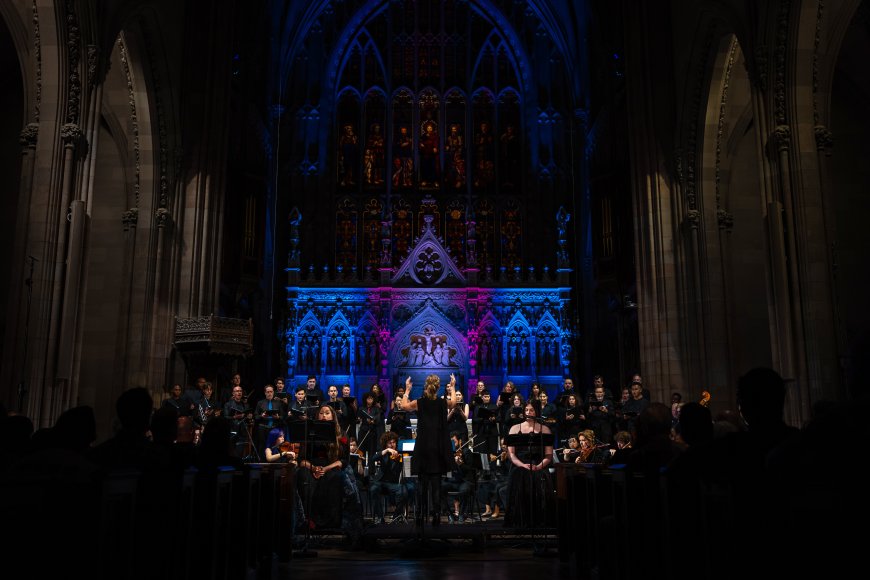
“I just wanted to be sad,” said composer and cellist Andrew Yee about the composition of her Trans Requiem.
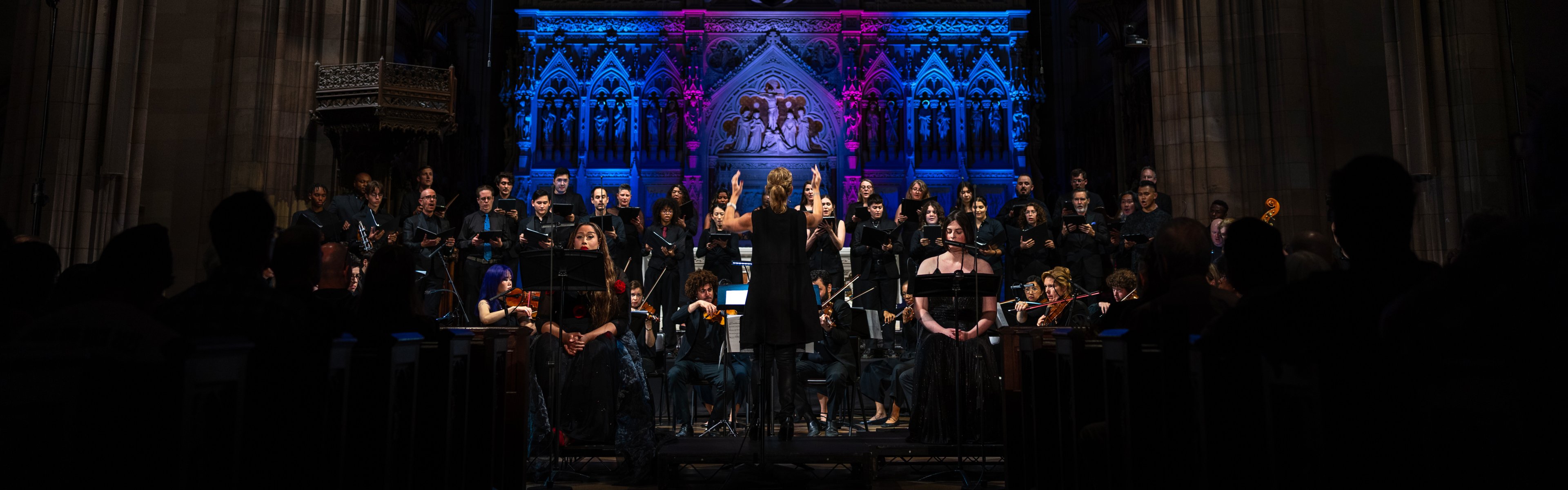
In Trans Requiem, released July 17 on New Amsterdam Records, recorded live at the work's September 2025 premiere at New York's Trinity Church, Yee mourns the deaths and the lives of trans people through the grandiose classical Requiem form. Yee, two-time Grammy Award winner and founding member of the Attacca Quartet, intersperses the standard Requiem sections with pieces that explicitly speak to the grief, fear, and defiance of the trans community.
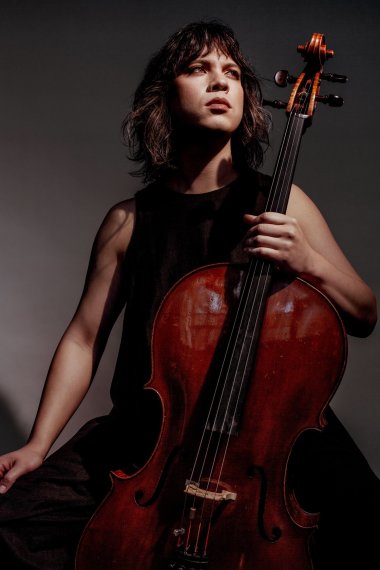
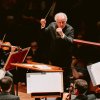
The sound of the combined forces of Trinity’s ensemble -- the Trinity Choir, Trinity Youth Chorus, and NOVUS — is superb. The choirs and string orchestra create an ocean in Classical and Romantic style under conductor Melissa Attebury’s hand, with cinematic swells, storms, and peace. Yee is featured as a soloist, alongside lyric soprano Breanna Sinclairé and tenor Katherine Goforth (winner of Washington National Opera’s inaugural True Voice Award).
Following the luscious high drama of “Requiem” and “Kyrie,” “Would You Have Mercy?” features Yee singing in an intimate, casual tone, and accompanying herself with strummed cello. The piece plays with the concept of mercy. Contrasting the simplicity of asking for mercy from God in the Kyrie, Yee asks what the conditions are for a trans person to receive mercy from other people.
With a flash of that dark humor so tied to trans culture, Yee asks if renouncing her identity would be enough: “And if I wanted/ to write a song/ Called I thought I was a woman, /turns out I was wrong, /would you walk away?” So succinctly, Yee puts her finger on the fact that often the threshold of mercy for trans people is to simply be left alone.
The next two tracks are a stunning combination. “Light,” a remembrance of civil rights activist Cecilia Gentili, is followed by “Lux Aeterna,” anchored by a commanding performance from Sinclairé. “Light” opens with Yee reciting heart-rending fragments of the brief obituaries and news coverage that often follow the death of a trans person, punctuated by sharp stings from the orchestra. Yee then pushes past these fragments with an adoring eulogy for Gentili. Again, humor grounds the loving description of Gentili, a Valkyrie for the rights of trans people and sex workers, when Yee says, “The quiche she made for me needed salt, but it was delicious.”

At times Trans Requiem feels on the nose, clear to the point of being awkward. It is always awkward when a piece says, “this is what I am about” — and means exactly that. This directness might bother a listener until they realize there is nothing nuanced about the frequent violent deaths of trans people, about the fear with which so many trans people live. There is nothing nuanced about the quiet way that these deaths become, as Yee puts it, “three sentences and a high school photo.”

Yee uses the gravitas of the Requiem to construct a monumental mausoleum, and with the track “Light” contrasts this heightened form of grieving to the piles of flowers and candles of impromptu memorials, the inadequate social media posts asking for donations to afford a funeral.

The piece ends with “In Paradisum,” a solo frequently given to a soprano but with steady grace by Goforth. Yee wrote it for a lower, tenor voice, bringing this final honor of wishing peace to a person who has chosen not to change their voice for the comfort of others.
The undeniable Classical and Romantic style seems, at first, anachronistic when paired with the topic of trans lives and deaths. Why would something so conservative be paired with what is commonly thought of as a modern progressive issue? We have already touched on one reason — of many — for this pairing: giving the dignity associated with the Requiem form to the people who have not had it and who deserve it. Reparation.
We also might wonder if there is commentary in the feeling of anachronism, because the violence that surrounds trans people’s lives is not new. We have always been here, and we have always been loved enough for someone to pray: “Grant them eternal rest, Lord, and let perpetual light shine upon them.”