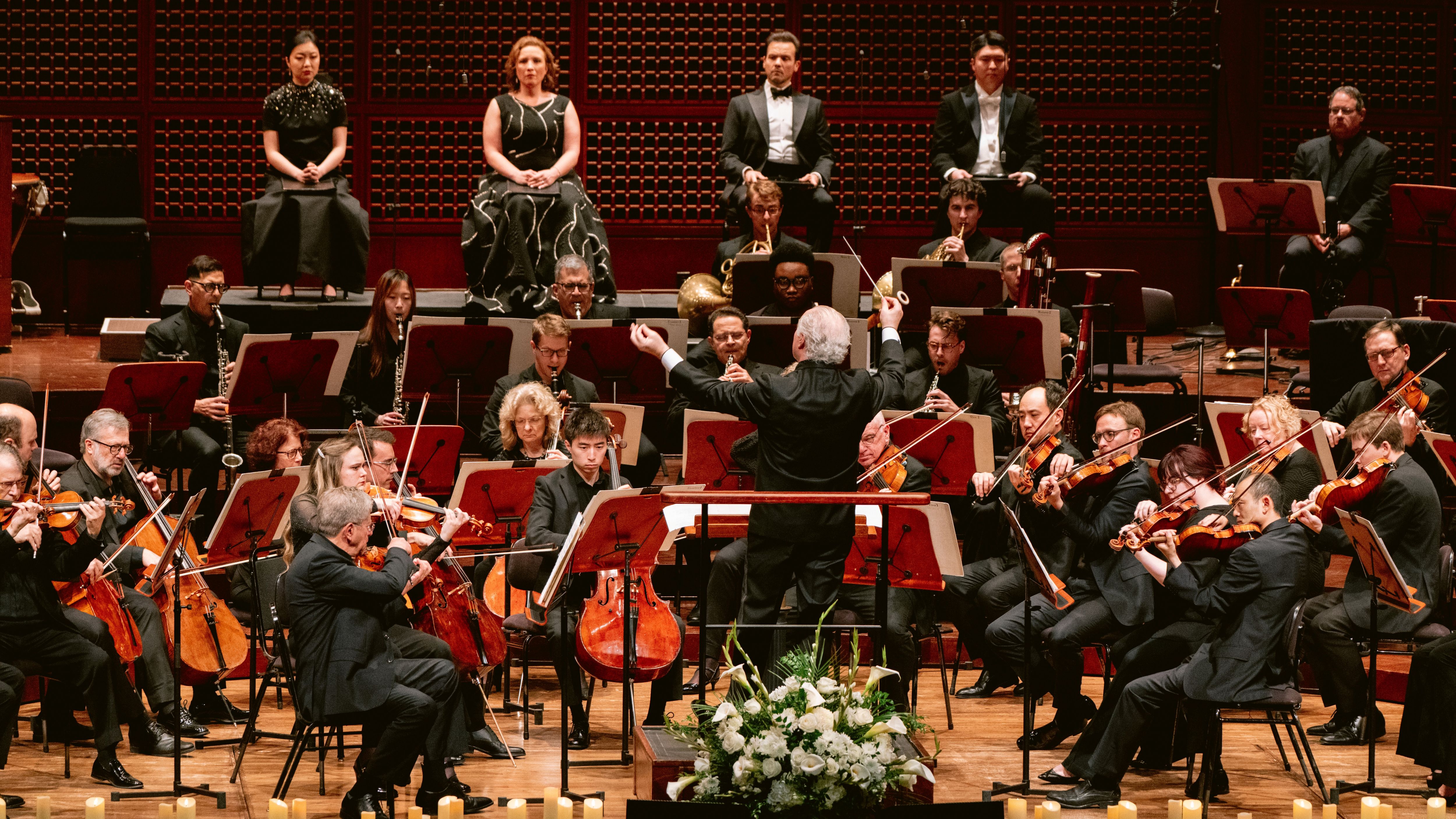
Just about 15 minutes into the score of Mozart’s Requiem K. 626, the notes begin to fall away. Soon, there’s only a melody and bass line. Then, nothing.
Mozart died while writing the work, and ever since, creative minds have attempted the unenviable task of filling the gaps. Most performances use the completion by Mozart’s student Franz Xaver Süssmayr. But in recent years, there have been repeated attempts to provide better alternatives.
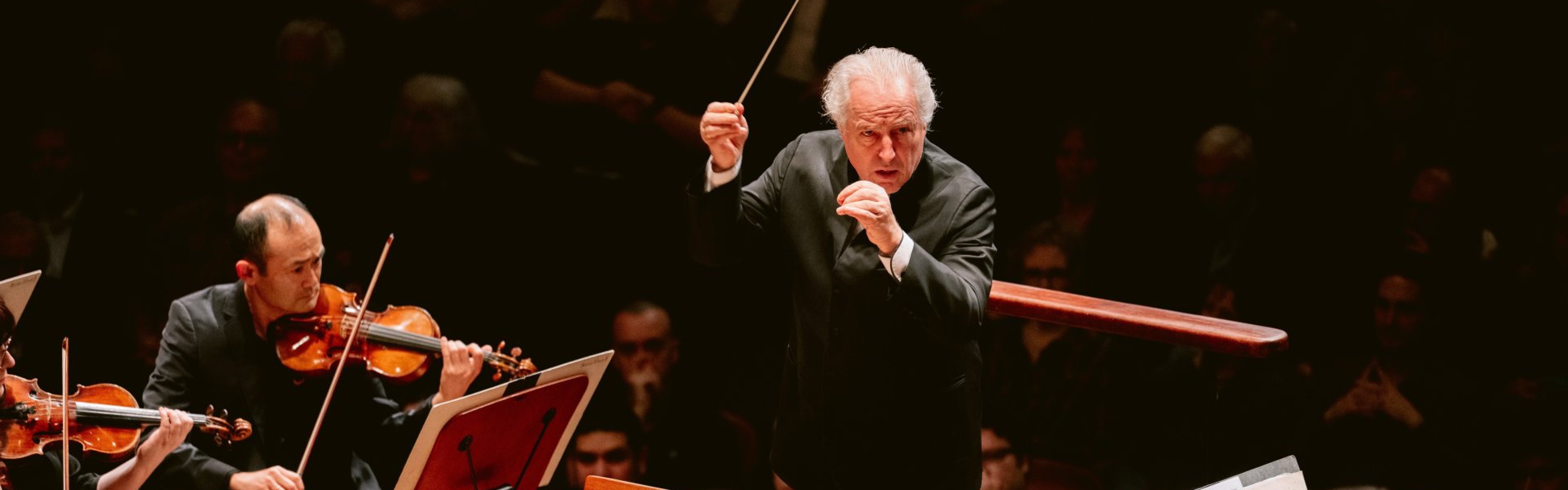
Austrian conductor Manfred Honeck, with his hour-long version of the Requiem, wisely sidesteps the authenticity debate raised by these completions. Instead, he draws on other music by Mozart, along with readings and Gregorian chant, to transform these fragments into a funeral ceremony — one both fanciful and affecting — for the composer himself.
But in the first of three San Francisco Symphony performances, on Thursday, Feb. 26, these elements were often in direct competition.
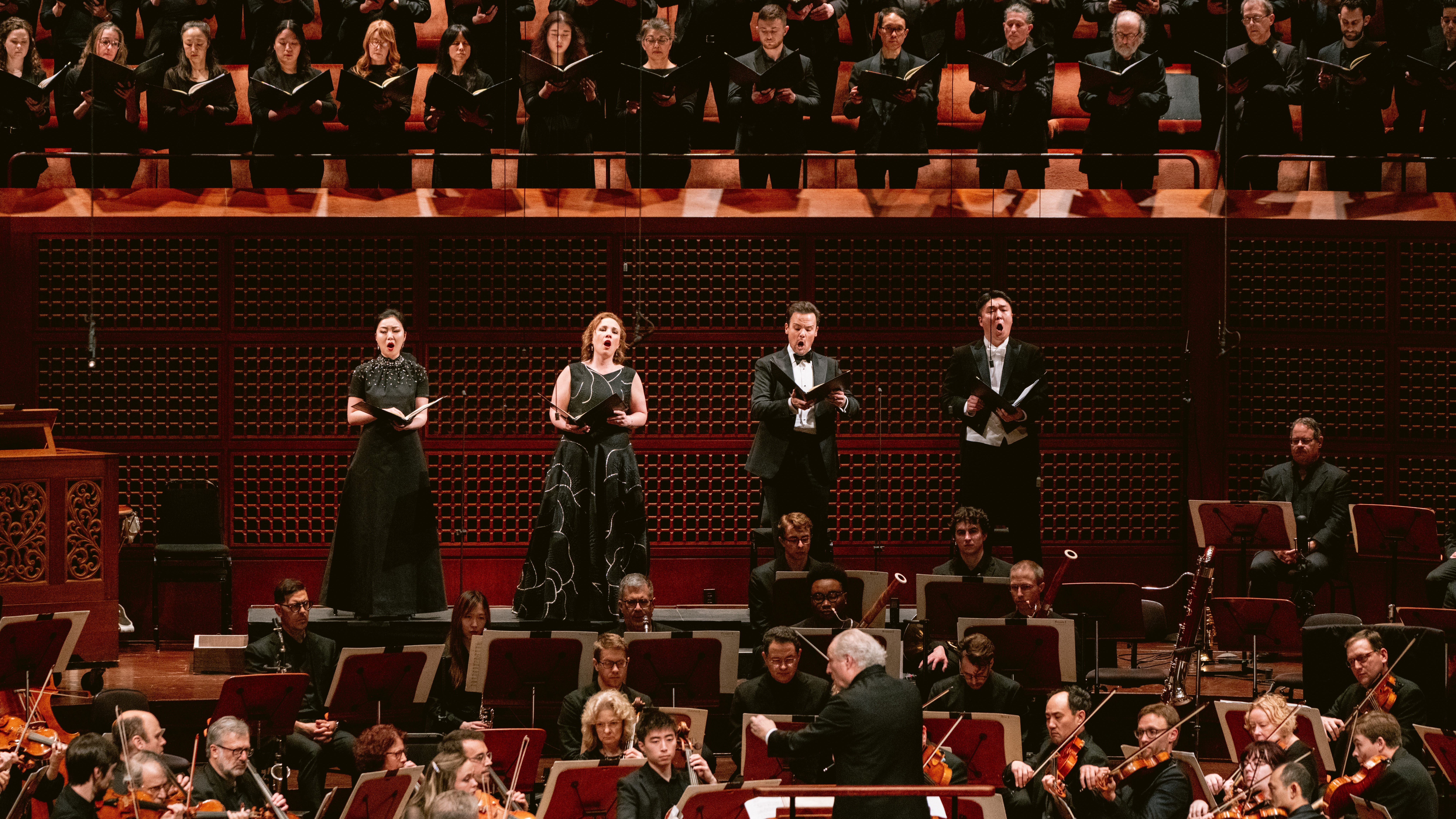
The front of the stage held flowers and candles, which meant that the vocal soloists (soprano Ying Fang, mezzo-soprano Sasha Cooke, tenor David Portillo, and bass Stephano Park) sang from behind the orchestra. They were never easy to hear.
In terms of pitch, St. Dominic’s Schola Cantorum, the chorus brought in for the chants, didn't hold a candle to the San Francisco Symphony Chorus — though they did lend a whiff of church incense to Davies Symphony Hall. (It’s unclear whether this engagement was in compliance with the Symphony Chorus’s collective bargaining agreement.)
The Symphony and its chorus, though, sounded taut and incisive. Honeck generally communicated well with the singers, whose diction sounded better than it often has under Symphony Chorus Director Jenny Wong. The tenors and basses were especially strong.
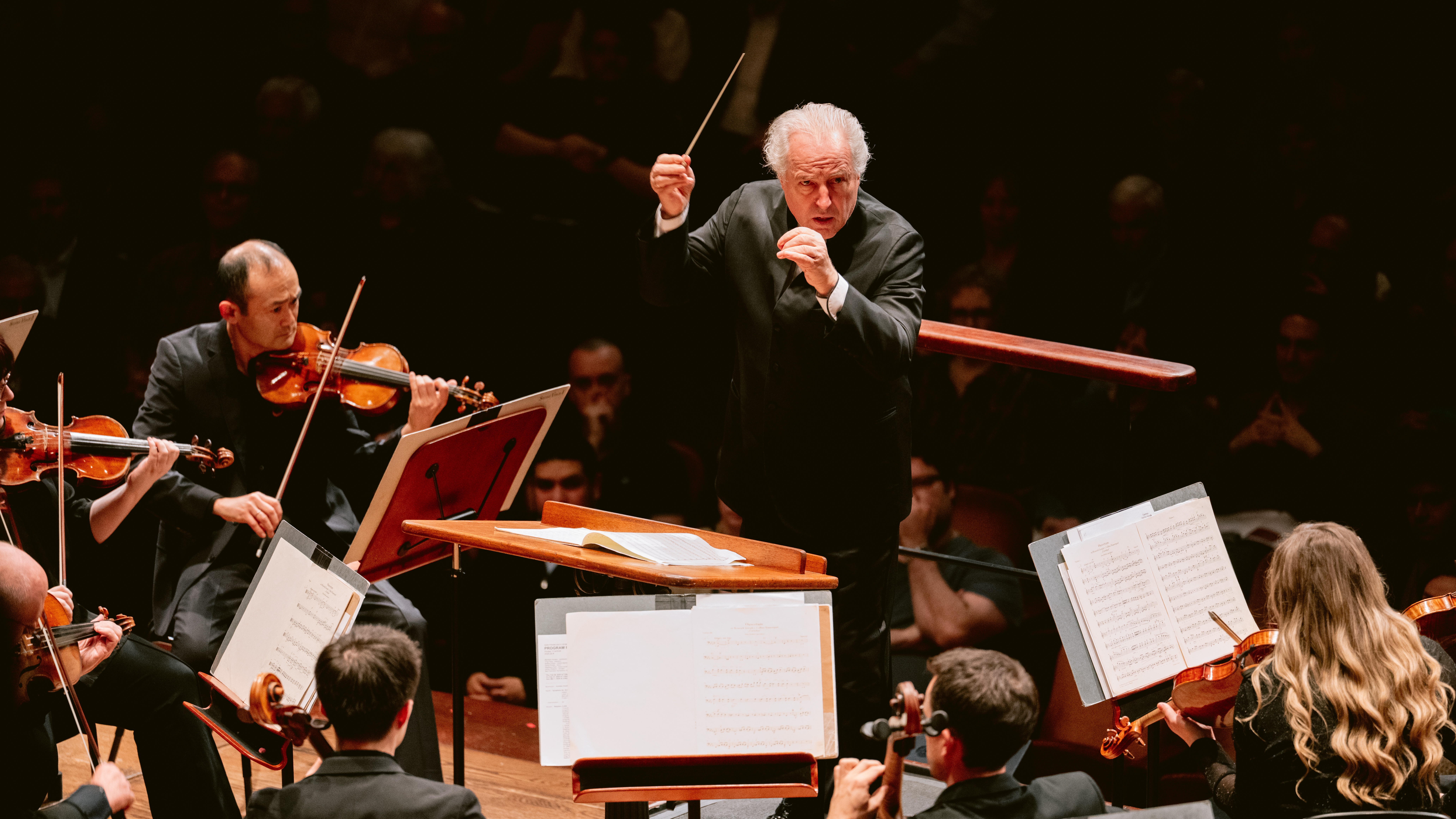
The Introit had crisp articulation and powerful dynamic swells. Elsewhere, Honeck often contained the sound to a whisper without it ever becoming a schtick. The orchestra played the rhythmic ostinatos with nuance, and trombonist Chase Waterbury was steadfast throughout the “Tuba mirum.”
The instrumentalists also shone on the first half of the program, in scintillating performances of Beethoven’s Coriolan Overture and, especially, Haydn’s Symphony No. 93 in D Major. Under Honeck's baton, the sound was unusually well integrated, each moment fully characterized. Everything sparkled.
Among the additional Mozart pieces woven through the Requiem performance was the Masonic Funeral Music, K.477, an obscure but richly expressive orchestral work. In just four minutes, the music arcs with all the scope of opera, from a somber processional through thorny chromaticism and finally to a place of repose. It's better than much of the composer’s Requiem.
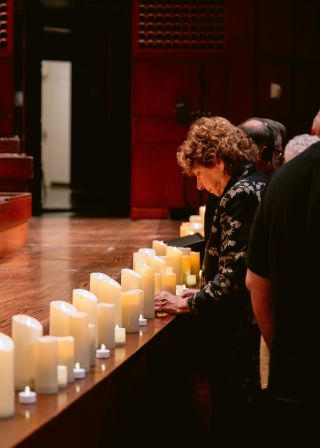
It may be that the Requiem is of personal significance to Honeck, a practicing Catholic who spent several decades developing this project before recording it with the Pittsburgh Symphony, where he is music director. But this music may well have meant little to Mozart, who was writing on commission and had no premonitions of his imminent death. (Thursday's performance, however, had the added significance of being dedicated to Joshua Robison, the husband of Music Director Emeritus Michael Tilson Thomas and a beloved friend of the Symphony, who died on Sunday, Feb. 22.)
At the height of the performance, a muted reprise of the “Lacrimosa” suddenly broke off, signaling the end of Mozart’s work. Out of the silence bloomed a hushed rendition of his “Ave Verum Corpus,” K.618, followed by three chimes. It was a moving end to the service. Other parts — the Bible verses, for this reviewer — had been endured. But even in Mozart, nothing’s sacred: Take what you like, leave the rest.
This review has been provided in partnership with the San Francisco Chronicle.