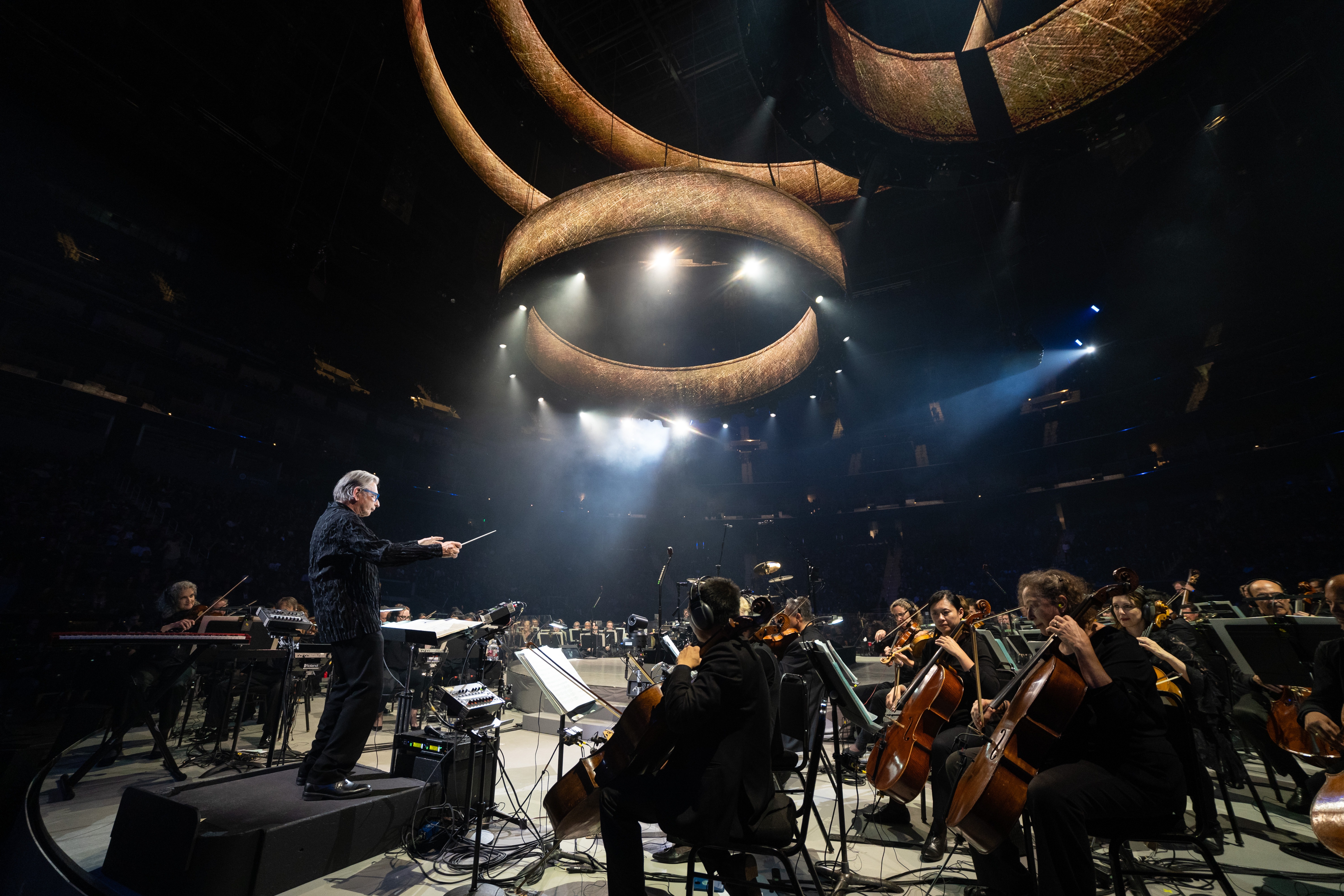
Metal and classical: deeply different, or close companions? As a musician straddling both genres, I feel they have much more in common than they differ. When I tell people that I make metal music intended for the concert hall, most people reply that this combination makes sense, so it seems this intuition is fairly common. But how deep do these commonalities go? Let’s explore some of the more salient similarities:
Musical Language
Metal is a broad banner indexing an enormous diversity of music: the high tempo, low sound fidelity, and high-pitched screams of black metal feel a world apart from the horn ensembles, slap bass, and irreverent vibe of ska metal. Some bands, in the subgenre of progressive (“prog”) metal, write dazzlingly complex music of significant scope on par with beloved classical masterworks.
One particular metal subgenre shares the most overlap with classical music of all: power metal. This music borrows liberally from classical and baroque tropes through heavy use of common practice harmony (yes, you will hear prepared modulations that would make any theory teacher proud), sung, pseudo-operatic vocals, and even occasional incorporation of classical elements like string sections, choirs, or harpsichord. Some bands fully lean into the campiness and wear period costumes in live performance. My absolute favorite band in this vein are the deceptively pretty, surprisingly heavy Japanese band, Versailles.
Virtuosity
Listen to any guitarist from Eddie Van Halen to John Petrucci to modern mavens like Tosin Abasi or Mark Holcomb and you can immediately hear the borderline superhuman virtuosity on display (not that virtuosity is limited to just the axe players!).
There is also a strong culture in metal around the authenticity of a player’s performance. A few years ago, a new subgenre of outrage content emerged on YouTube: “exposing” fake guitarists. The pressure to play perfectly on Instagram and TikTok is high, causing guitarists—even ones who play insanely well live!—to use all manner of editing tricks to take a passage that’s pretty good and make it flawless, rather than spending days practicing the same clip. While I find this sort of witch-hunting a tiresome distraction from the art, it does remind me of similarly heated debates in classical music such as whether amplification should be used in opera It speaks to a shared demand among classical and metal listeners for real, live, virtuosic playing.
Concert Etiquette
Metal shows have a noticeable concert etiquette. There is an expected style of dress: for most, it involves wearing a lot of black, and band tees, which serve as great conversation starters. You are encouraged to buy merch from bands you like, as most bands scarcely profit from shows once the venue takes its rental fee and its cut of the merch sales. And of course, most are familiar with the (in)famous mosh pit: a circle in the crowd that opens up near the front of the stage where fans can (consensually!) smash into each other with great force.
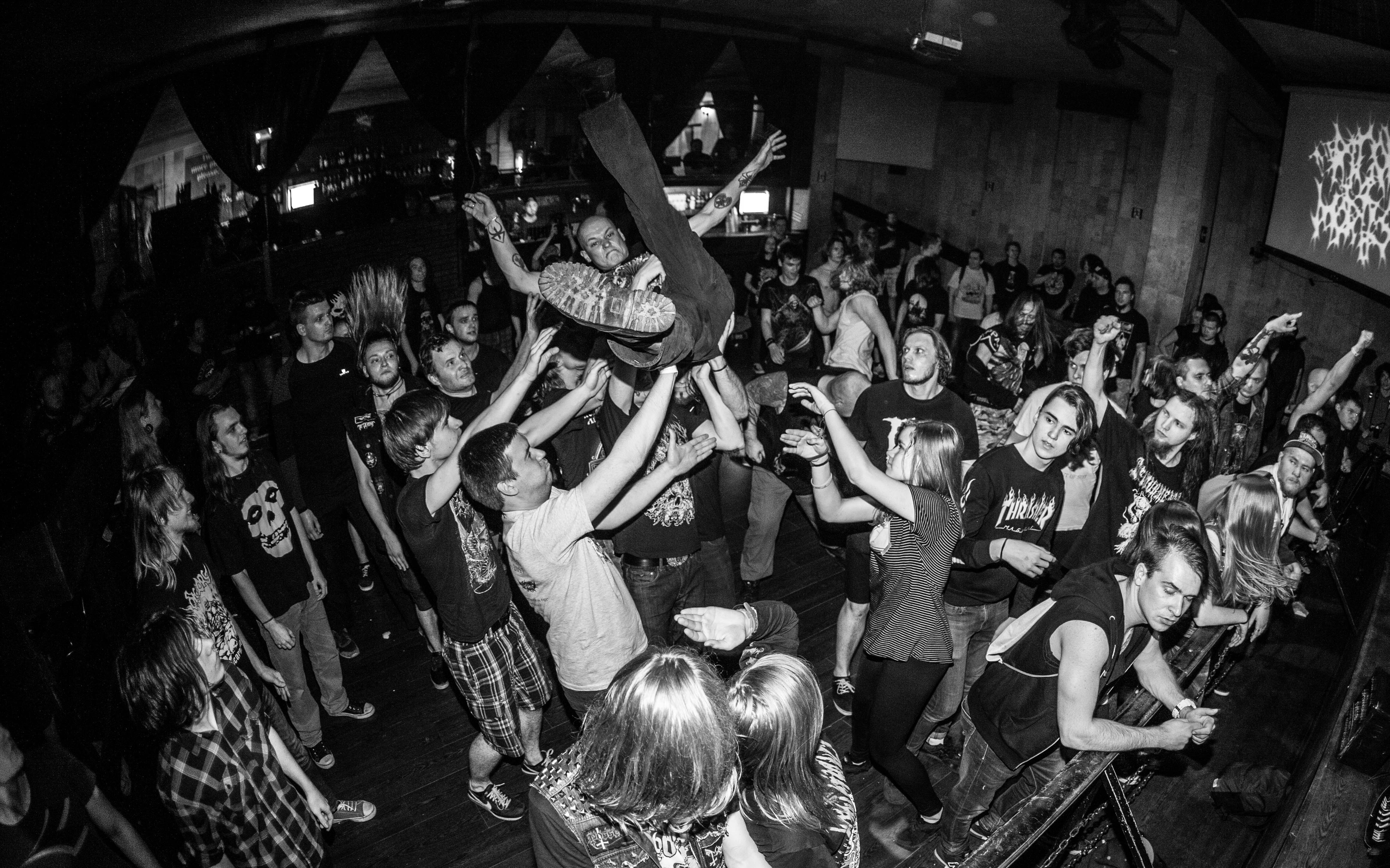
Mosh etiquette differs from crowd to crowd, but generally it is acceptable to slam into people in an aggressive, but light-hearted way, and much less acceptable to walk into the pit punching and kicking people because you have an appetite for bloodlust. (You will be thrown out, either by security, or other concertgoers.) Those who don’t care to mosh simply stand back outside the circle.
It is easy to learn the ropes from other fans by going to shows and observing what others do, chatting up strangers, or even just reading forums online. None of this is terribly different from learning to be quiet during a symphony concert, to not clap between movements (unless everyone else is doing it), and to give standing ovations for outstanding performances.
Tradition
There also are more problematic similarities between classical and metal. There is a strong culture of venerating elder bands and acknowledging them as influences, which on its own is fine and good. Metal’s premier festivals in Europe are proud to give elder bands like Judas Priest and Iron Maiden top billing as headliners.
Unfortunately, there is also a corresponding moral panic around whether some newer bands hew close enough to tradition to be called metal. Certain pseudo-polemicists take delight in scapegoating bands who do not embody enough of a given subgenre like black metal or death metal, and bands that skew in a more pop direction —— a nebulous category known as metalcore— — get the most derision, especially if they are popular.
This, of course, frequently has bigoted undertones. None of it is dissimilar from classical music’s own ways of othering racialized and marginalized musicians at all levels of the industry, often under the guise of “preserving meritocracy”—a meritocracy in which people who are the right skin color, gender, or tax bracket still tend to triumph.
It is clear, then, that there is a lot of overlap between these genres. Some musicians even occupy both spheres, yielding exciting, innovative work. I’d like to talk about two such artists I greatly admire, and close with my own experience making metal and classical music.
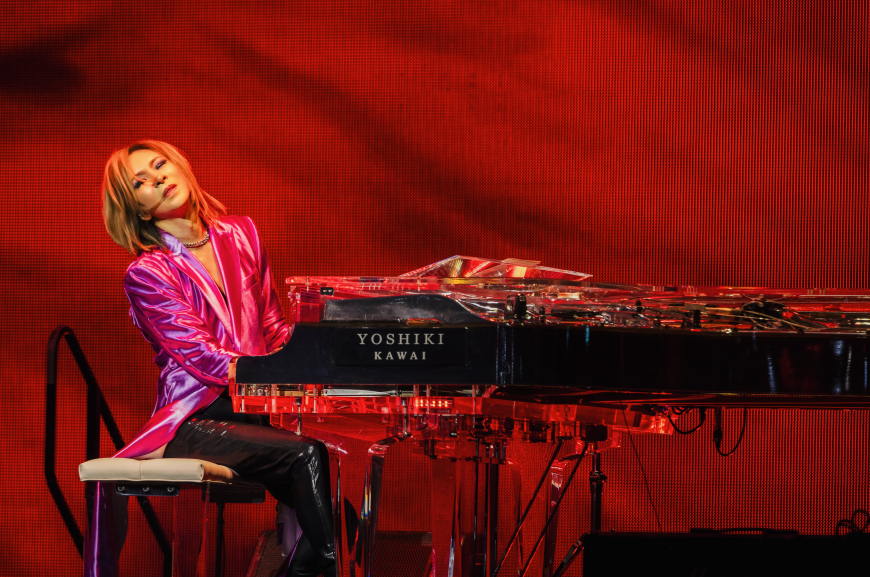
Yoshiki
I had the privilege of interviewing Yoshiki for SFCV back in July. He is one of the most important Japanese musicians of all time, with virtually every modern rock/metal musician from the country citing his influence. Though initially a classical pianist, he was inspired by the 1970s rock bands KISS and Queen to become a metal drummer, bandleader, and composer. He co-founded one of Japan’s most influential bands: X Japan.
X Japan falls under the categories of thrash metal (the movement that birthed Metallica), power metal, and prog metal, and draws heavily from classical music. For example, Rose of Pain, a 12-minute epic, quotes Bach’s “Great” organ fugue in G minor, with Yoshiki playing organ in the opening. X Japan have many opera-inspired ballads. The band’s masterpiece, Art of Life, is a rhapsodic prog symphony inspired by Schubert’s “Unfinished Symphony” — Yoshiki’s artistic affirmation of life in the face of suicidal ideation.
Einar Solberg
Singer, pianist, and composer Einar Solberg comes from a veritable dynasty of Norwegian metal musicians. Most notably, his older sister, Heidi Solberg Tveitan is a member of the avant-garde band Peccatum, and is married to Ihsahn, leader of the black metal band Emperor. Solberg sits at the center of metal’s prog sphere, collaborating with global roster of prog musicians like Bent Knee’s Ben Levin, Haken, Persefone, and many more.
Solberg’s band Leprous was one of my earliest fascinations as I was starting to listen to English-language metal. They have a uniquely groovy, brooding style that evokes everything from pop, to funk, to black metal, and beyond. Leprous’ music centers on Solberg’s unusual tenor voice, which he extends beautifully into ethereal falsetto passages and low baritonal crooning.
Einar’s solo outings lean more into his conservatory roots: his latest album, Vox Occulta (2026) features the Norwegian Radio Orchestra playing Solberg’s thrilling vocal anthems that blend prog and symphonic music in equal measure with rare tastefulness and orchestral acumen.

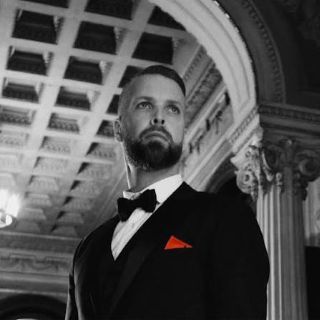
Jens Ibsen
I grew up in a multicultural household where I heard all sorts of music: my dad had briefly studied West African drumming in Ghana, where he met my mother, and I heard all sorts of Black diasporic music at home, from Angelique Kidjo to Carlinhos Brown to Earth, Wind, and Fire. I liked the rock and metal I heard on the radio as a kid, like Linkin Park or Nickelback, but did not properly find interest in the genre until I was finishing my undergrad program in music composition. I discovered power metal through anime, and fell in love with the Japanese band Galneryus, and later encountered my all-time favorite band, Dir en Grey, who were my gateway to prog metal. Subsequently, I discovered more English-language prog bands, and voraciously consumed all the other metal subgenres I could find. Inspired by this, I began incorporating metal elements into my compositions, and also learned to sing metal, even refined metal screaming.
Prog remains one of my enduring inspirations because it flouts a tacit assumption provided by my conservatory education: that complexity must always run counter to accessibility. Hearing Ghanaian drum music growing up, I have a strong appetite for danceable polyrhythm. My music takes such elements from metal and synthesizes them in a form recognizable beyond the metal band.
Some pieces of mine, like my whale metal opera HWAEL-RĀD, incorporate a band, but more frequently I enjoy the challenge of making acoustic instruments sound like electric ones, like in my string quartet, Overdrive. I’ve written operas, chamber music, and many other genres in this vein.
I believe metal should be for everyone, and my part of that effort is to push the form beyond a single instrumentation so it can flourish in virtually any musical context. Just as Arnold Schönberg once hoped to hear children singing tone rows in the street, I hope one day a trip to the symphony to hear “string metal” or “piano metal” won’t seem so far-fetched.