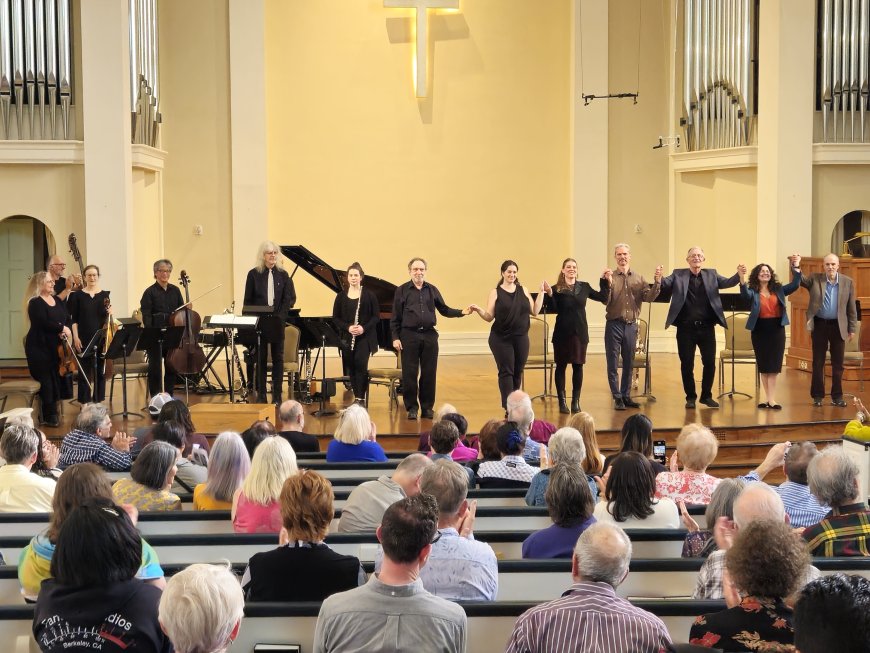
Fostering new opera is an expensive and difficult endeavor, and success can be elusive. Leave it to the fearless, small-budget West Edge Opera to wade in where other companies of its size barely dip a toe.
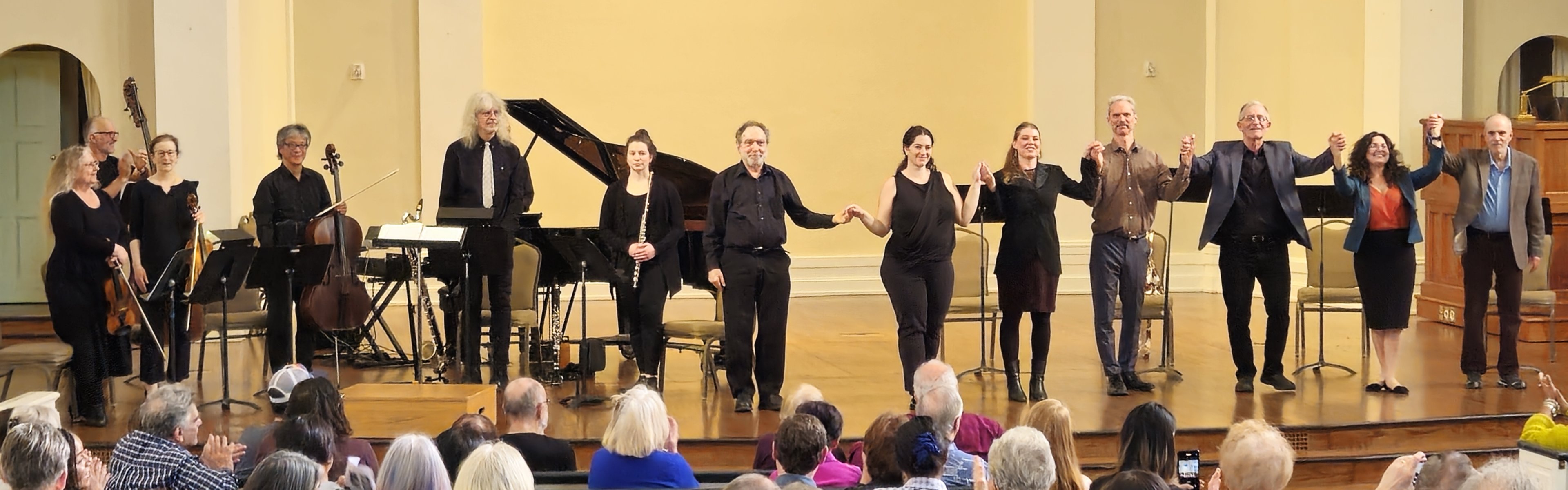
Snapshot is West Edge’s intensive, two-week development workshop in which composer-librettist pairs polish and stage scenes from their works in progress with a team of experienced advisors and a strong cast and musicians. For the 2026 edition, the company chose from more than 50 submissions. Of the four works selected, one might end up commissioned by the company.
It sounds like a dream come true.
With only 20-25 minutes of each opera presented during the Sunday, March 1, performance at the Taube Atrium Theater in San Francisco, it’s impossible to pick winners. But for my money, the most engrossing work was Threshold of Brightness, by composer Niloufar Nourbakhsh and librettist Lisa Flanagan.
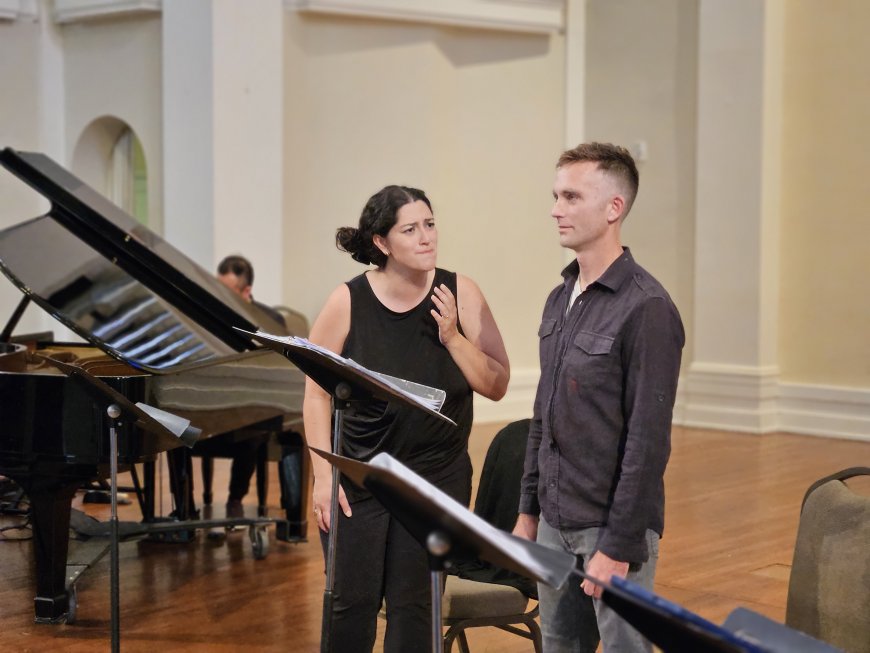
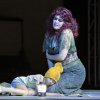
The work is about the Iranian feminist poet Forugh Farrokhzad (1934-1967), whose writing and life stirred controversy even among friends and family. Flanagan’s libretto is compact but thick with complexity and layered themes. Nourbakhsh captured considerable nuance in her vocal lines, and Mariya Kaganskaya and Raeeka Shehabi Yaghmai took full advantage as the poet and her mother. Even more impressively, the composer expertly deployed her limited instrumental forces to create excitement that drove the scenes forward. In opera, that kind of momentum is coin of the realm.
Cry, Wolf is another work that made an impression with one long scene from the opera’s opening. The libretto by Clare Fuyuko Bierman concerns three young men in a UCLA dorm room, two of whom are obsessed with a dark version of masculinity and are radicalizing each other. Bierman cleverly — and with some humor — shows these characters dissecting their features with dissatisfaction and anxiety.
Composer JT Marlor’s original take on operatic vocal expression owes much to her experience fronting an indie rock band, and the cross-pollination of musical genres feels right for these characters. The driving rhythms from the Earplay ensemble upped the ante fairly rapidly, leaving me wondering where the work would go from there. But the music is certainly as edgy as Marlor wanted, and it received a first-rate performance by Eric Levintow, Daniel Cilli, and Matt Hidalgo.
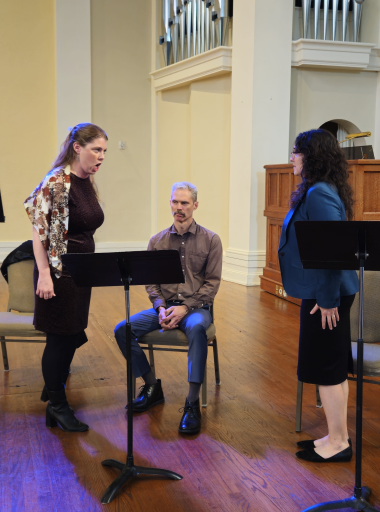
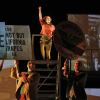
Case Closed, by Martin Rokeach and librettist Steve Blum, is about a reporter who hits a homeless man with her car and drives off. The hit-and-run incident is highly detailed, which is the libretto’s problem. The first scene presented was dialogue-heavy, with too little musical interest to sustain it. Only in the second scene, a dialogue the reporter has with herself, could the composer shine. The style is very much 1960s modernism, with a disjunct vocal line that emphasizes the character’s distress but non-specialist audiences might struggle with. Chelsea Hollow sang brilliantly, however, knocking out all the high notes the composer called for and laying the emotion bare.
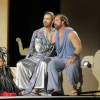
Then there was a sci-fi opera, The Joining, by Isaac Io Schankler and librettist Aiden K. Feltkamp. From what was presented, the setup is a timeworn contrast between the capitalist Overland and the cooperative Underground. The Undergrounders are facing a famine so they come up to sell their one piece of tech, a golem. For some reason, the golem can only speak in a halting, glitch-filled way, which becomes highly annoying in an exposition-heavy scene. Schankler provided interesting musical contrasts and structured the scene well, but this work never caught fire the way the others did. Julia Hathaway, Chad Somers, and Kaganskaya and Cilli did good work with thin material.
In the diversity of their influences and musical inspirations, the range of authorial voices on display in this festival are living examples of the breadth of American opera and culture. That little West Edge Opera is the organization showing this to us, is a testament to its courage and vision.
This review has been provided in partnership with the San Francisco Chronicle.