Cuban music, musicologists and millions of fans say, is one of the most vibrant and influential regional musics in the world.
The music is characterized by syncopation, the foundational clave rhythm, and call-and-response vocals. Key elements include heavy percussion (congas, bongos, timbales), the melodic tres guitar, and a focus on dance-oriented genres such as son, rumba, and danzón.
This rich fusion of Spanish melodic traditions and African rhythmic complexity has a long, treasured history in the city that was born as Mission San Francisco de Asís in 1776 — and it’s in the news again.
The 20th annual CubaCaribe Festival of Dance & Music will take place in San Francisco, April 8–19. The event is planned as a retrospective of two decades of performances “and a celebration of moving forward in community, resistance, and joy.”
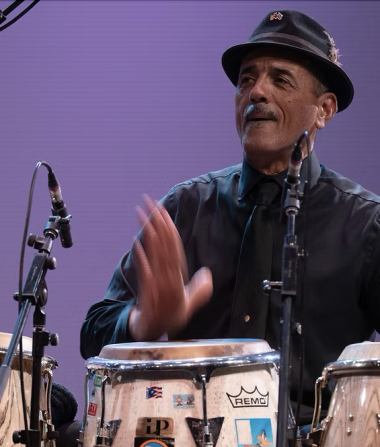
Highlights include a lecture demonstration by seven-time Grammy-nominee and 2026 CubaCaribe honoree John Santos, shows by the Alayo Dance Company, Aguacero, Alafia Dance Ensemble, Arenas Dance Company, Cunamacué, Juntos, and Los Lupeños de San José, among others.
Santos says of the genre: Afro-Latin music is “the art and poetry of the people ... born out of violent colonialism, express[ing] a voice of resistance that unifies people across race, age, gender, faith, ethnicity, and economic or educational divides.”
Against news headlines of the U.S. oil blockade of Cuba and threats of military action, there are questions about the timing of the festival, bringing this response from Santos:
“We do not bring politics to the music. Our music is born from our colonial history and social reality, so it is inherently political. Our music, like the vast majority of all African and African-based music, is music of resistance, celebration, and love.”
The festival also released a statement, part of which reads:
As we prepare for the festival, our hearts are with the Cuban people. Every day we hear and see the growing despair on the island as the country faces multiple crises at once — hurricane destruction, power outages, fuel, food and medicine shortages, restricted access to basic necessities, and geopolitical stalemates.
These ongoing conditions are affecting daily Cuban life in profoundly harsh ways. For those of us connected to Cuba, this is more than just news — it deeply affects those we hold dearly in our hearts, our families, friends, artists, collaborators, and extended community.
In times like these, our mission of preserving, protecting and promoting the vibrant Cuban and Caribbean cultural and artistic traditions of the Caribbean matters more than ever.
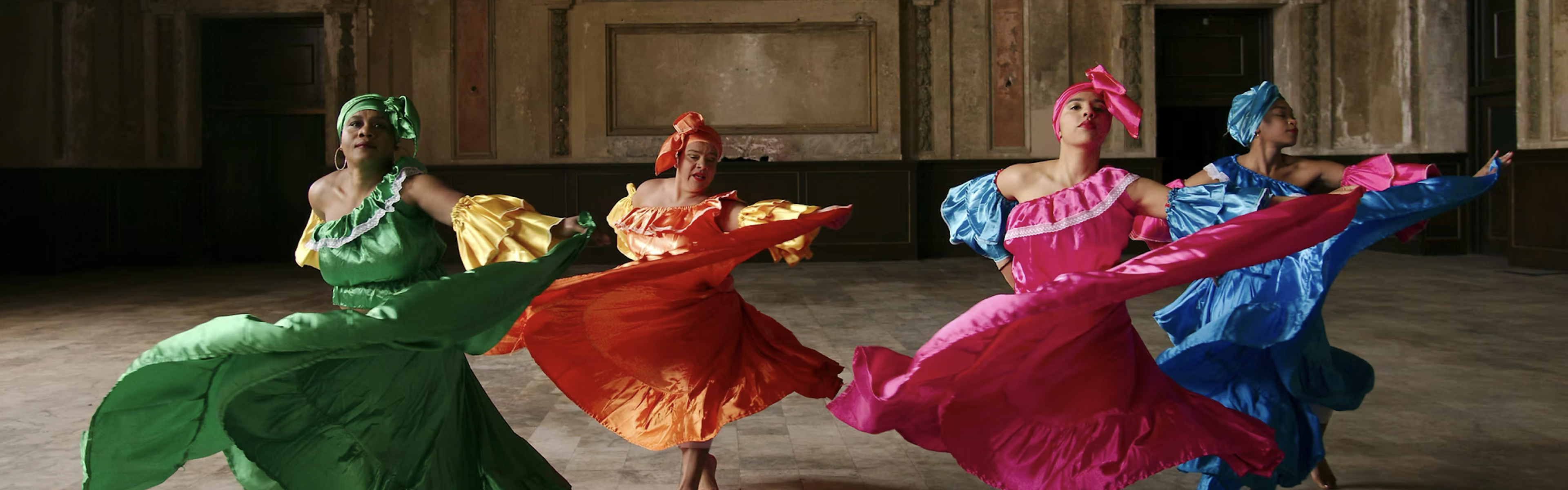
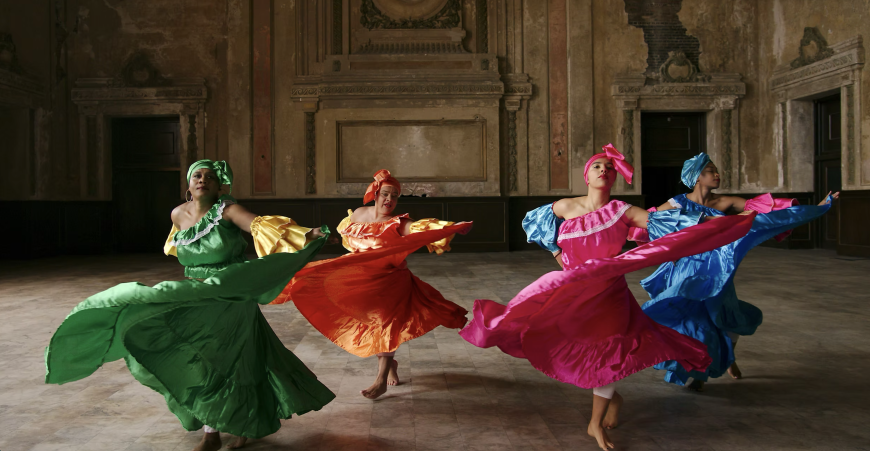
The festival’s first weekend, April 10–12, at ODC Theater, is titled “Looking Back and Moving Forward / Mirando atras, moviendo pa’lante.”
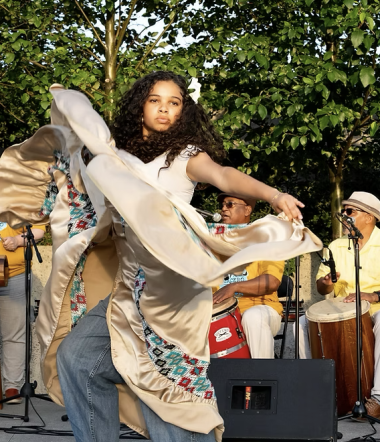
Artistic Director Ramón Ramos Alayo has scheduled performances by his Afro-Cuban Alayo Dance Company; Arenas Dance Company (Afro-Cuban folkloric, Artistic Director Susana Arenas Pedroso); Los Lupeños de San José (Mexican folkloric; Artistic Director Samuel Cortez); Cunamacué (Afro-Peruvian; Artistic Director Carmen Roman), Alafia Dance Ensemble (Afro-Haitian; Artistic Director Mariella Morales); and Juntos (Cuban youth ensemble).
On April 17, at the Ruth Williams Opera House, the event is entitled “Enraizando/Rooting Within,” featuring an evening-length performance of Puerto Rican Bomba music by Shefali Shah and Aguacero.
Shah’s purpose, she told SF Classical Voice, is intimately tied to resistance and free expression: “I wanted to create a safe space where young women from diverse backgrounds who connected to our Boricua community could learn Bomba while building sisterhood and engaging in positive self-expression. It is important for these young women to have spaces to create where they are safe to be vulnerable, challenged, and truly be themselves.
“Part of their process of learning is seeing themselves reflected in female archetypes whose stories carry the struggle and resistance of a people who fought against patriarchy, racism, and colonial oppression.”
Among the festival’s lectures and workshops is Francy Ramos’s Afro-Cuban Folkloric Dance Master Class at the ODC Theater on April 12, from 11 a.m. to 12:30 p.m.
Born in Havana, Ramos was trained by her father, Juan de Dios Ramos, and Concepcion Delgado (concha), both founders of the Conjunto Folklorico Nacional de Cuba.
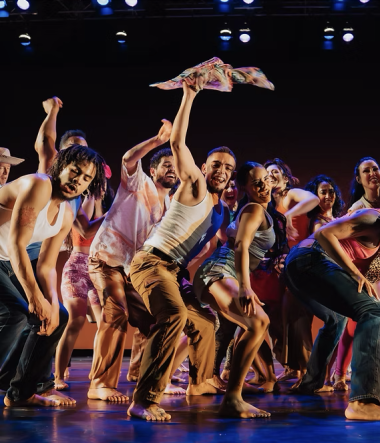
She began working at the company Raíces Profundas at the age of 13, where she trained as a dancer, a soloist, and was also the company’s assistant director. Francy was also part of well-known rumba groups in Cuba such as Yoruba Andabo and Rumberos de Cuba.
There is a festival event at La Peña Cultural Center in Berkeley on April 19: Bombatey is a community gathering where dancers, singers, and drummers will celebrate Puerto Rican music, dance culture, and tradition.