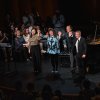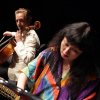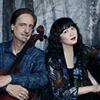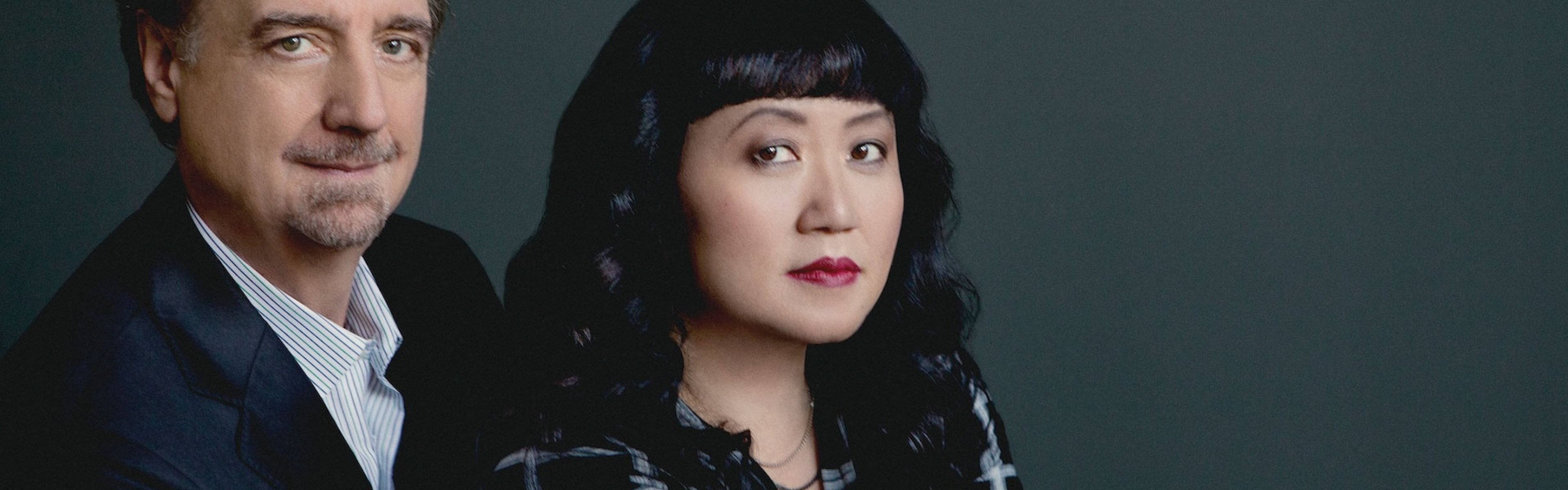
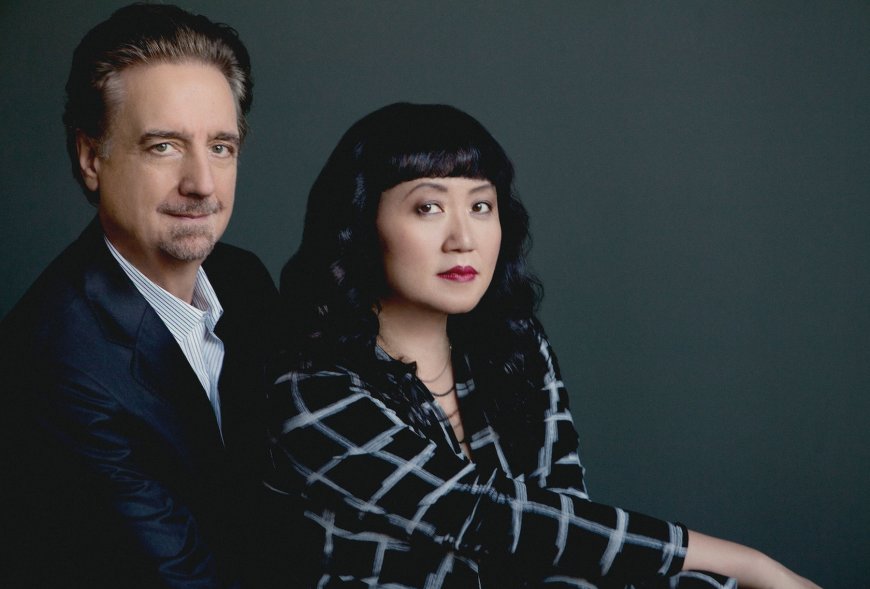
After a misguided meander through campus that resulted in a slightly late arrival for Sunday afternoon’s duo recital at Hertz Hall — the UC Berkeley venue is apparently located in my personal Bermuda Triangle — I slipped into an aisle seat near the back of the 678-seat space. Pianist Wu Han was in the midst of a lively pre-performance talk that was drawing both laughter and appreciative ah-has from a large crowd.
“If you don’t want to dance, we’re not doing a good job,” she said of a movement in the Bach sonata on the program. That “we” is Han and her musical partner and husband, cellist David Finckel.
In discussing the forthcoming Beethoven Sonata No. 3 for Cello and Piano, she turned to the piano and played a simple ascending scale that occurs in the middle movement, then demonstrated the lacy ornamentation in its descent. Han’s warm-up talk saved the day for this latecomer; I didn’t miss a note of music.
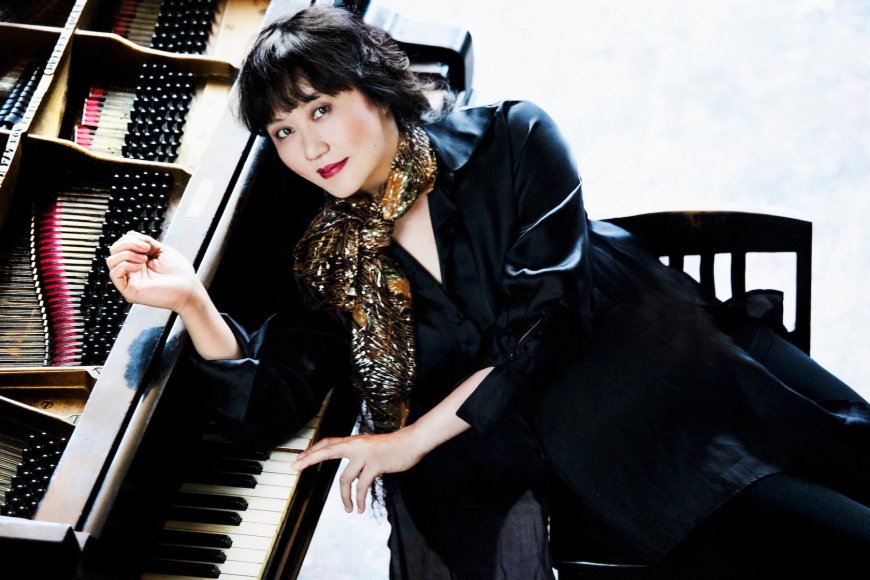
Presented by Cal Performances on March 29, the recital got off to a strong start with a transcription of the Adagio from the Bach Organ Concerto — BMV 564, if you’re keeping score. Seated behind and slightly downstage from Han, Finckel unfurled a warm, carefully calibrated line. The dynamic articulation of the recurring material, from an assertive forte to an almost breathless pianissimo, lent dimension to the short piece, Han made a sensitive contribution in a supporting role. The result was both stately and supple.
Bach’s Sonata No. 1 for Viola da Gamba and Harpsichord came next. As Patrick Castillo observed in the excellent program notes to which Finckel also contributed, the piece was most likely first written for two flutes and basso continuo. With Bach, music’s great universal solvent (remember the 1968 Moog synthesizer album Switched-On Bach?), anything that serves the purpose goes.
What didn’t go so well on Sunday, at least from my back-of-the-house spot, was balance between the piano and cello. It began with the opening Adagio in the Bach Sonata and continued, off and on, through the Beethoven work. Put simply, the piano repeatedly overwhelmed the cello.
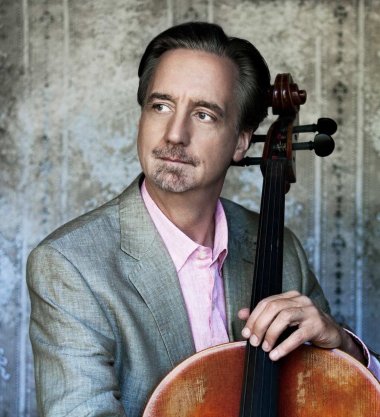
But this issue did not dominate the concert experience. Finckel & Han are experienced professionals who know the repertoire as well, or better, than anyone. They are a premiere chamber music brand, having served as artistic directors of the Chamber Music Society of Lincoln Center and the founding artistic directors of Music@Menlo, among many other achievements.
There were, predictably, pleasures aplenty in the first half of the program. Finckel lofted a tender obbligato for the piano’s bustling line in the opening movement of the Bach Sonata. The two players exchanged a gentle three-note figure in the closing Allegro.
The Beethoven Sonata No. 3 was the meatiest piece on the program. Nothing made it cook more than the extended, exciting Scherzo. Han did some of her best work here, giving each repeat of a dramatic figure a jolting energy. Finckel responded albeit in a more reserved mode. The Adagio had the sweet savor of a lullaby. Finckel shone in the final movement, with a more fervent sense of urgency and some yearning high notes.
And yet, misgivings persisted. Was Han playing too loudly at times? Was Finckel a bit recessive about digging in for a bigger sound? Was his position on stage a factor, making eye contact between the two all but impossible?
After intermission, I moved down to my assigned seat, in the center of the seventh row. From there, everything looked and sounded different. The cellist was sitting farther forward than it seemed from the back of the hall. The balance, too, seemed beautifully judged in two short French works — a Maurice Ravel habanera and Claude Debussy’s famous Claire de lune, in which the duo floated on the same silvery moonbeam of musical partnership.
Benjamin Britten’s spare Cello Sonata in C closed the regular program. The work’s opening “Dialogo” came off like a feisty marital spat, played both for laughs and for keeps, the players fighting through more dissonance to reach a tonic accord. Bow abandoned, Finckel played the second movement with pizzicato plucks, strumming, and pattering fingers. He was like a jazz player riffing in a club. In short order came a grand, concerto-like “Elegia,” a caterwauling march and whirring perpetual motion. The encore was a luscious, lyrical Andante from Rachmaninoff’s Cello Sonata.
Amid the audience’s sighs of satisfaction, I wondered if what I heard in the first half of the recital might have sounded less problematic from where I finished the afternoon. Or was the music in the shorter second half just inherently less susceptible to balance issues? Either way, I was glad to have found my way to Hertz Hall for an afternoon of pleasure and sense-provoking mystery — the endless, unpredictable allure of live music.