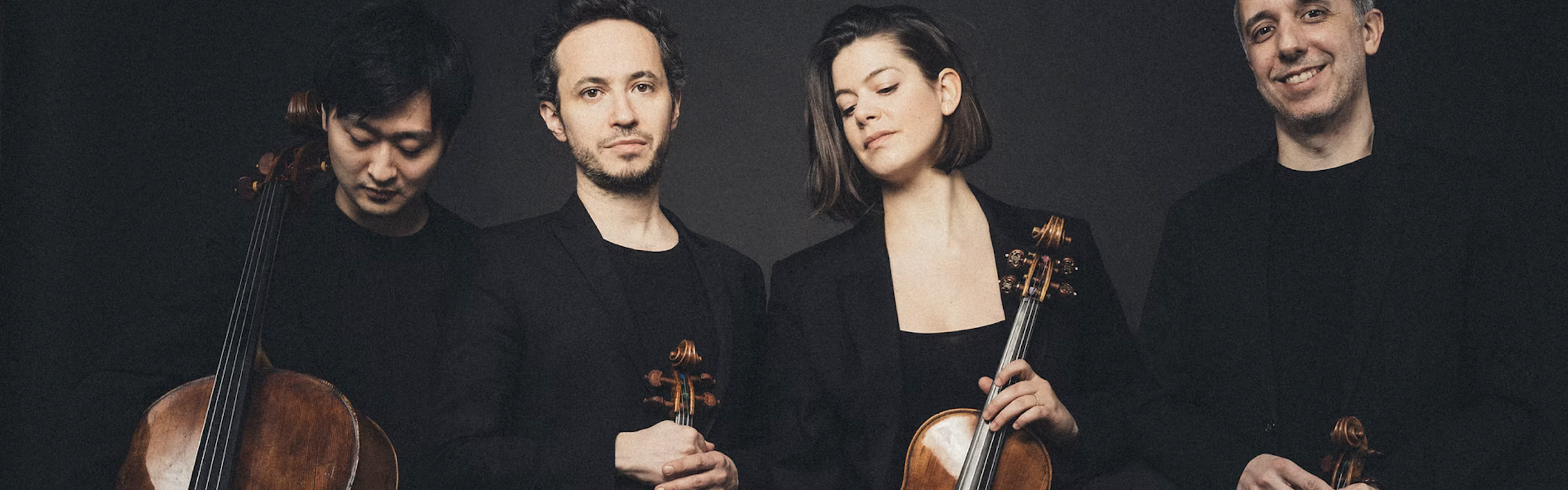
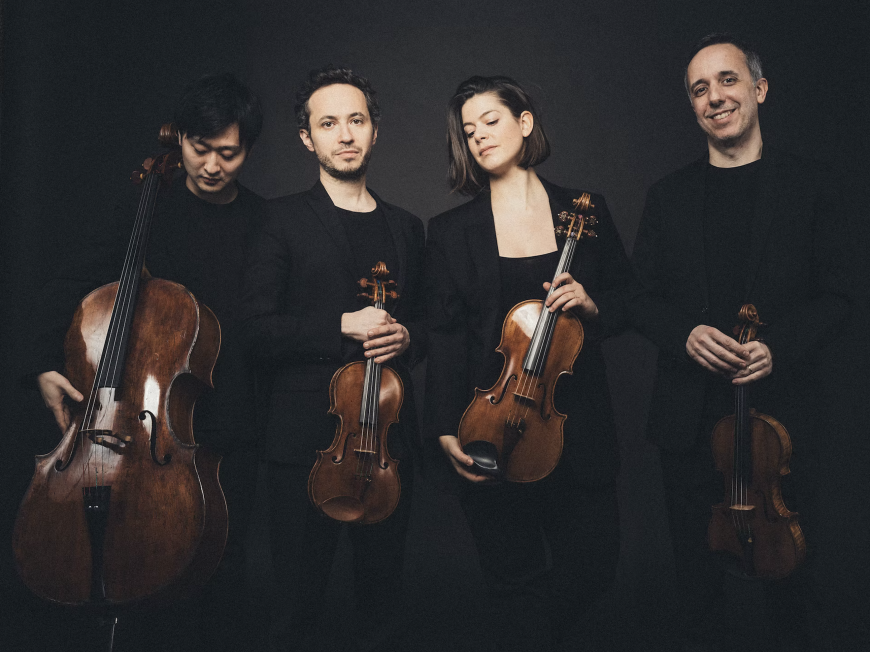
Noting that Felix Mendelssohn and George Enescu's early string octets are some of the greatest works in the literature isn't saying much, especially given the scarcity of string octets. But the fact that that these very different works consistently receive bold, forthright performances from two of today's finest quartets — Paris-based Quatuor Ébene and London-based Belcea Quartet — hints at something unique.
In Erato’s new, laudably clear recording, the ensembles switch principal parts in the two octets. Though I doubt you'll be able to pick out sonic differences between the two Stradivari violins and those by Guarneri and Goffriller, you can easily hear how strong the lower lines are. Indeed, in the first movement of Mendelssohn's Octet, the darkness of the lower lines threatens to diminish or even upstage the unabashed jubilance and unfettered elation of the top lines.
It is this constant tension between sides that lends excitement to these vibrant performances. While you may wonder if the composers expected interpretations like these, it's doubtful they would have rejected such beautifully executed, committed playing — these are extremely coherent, consistently compelling performances.
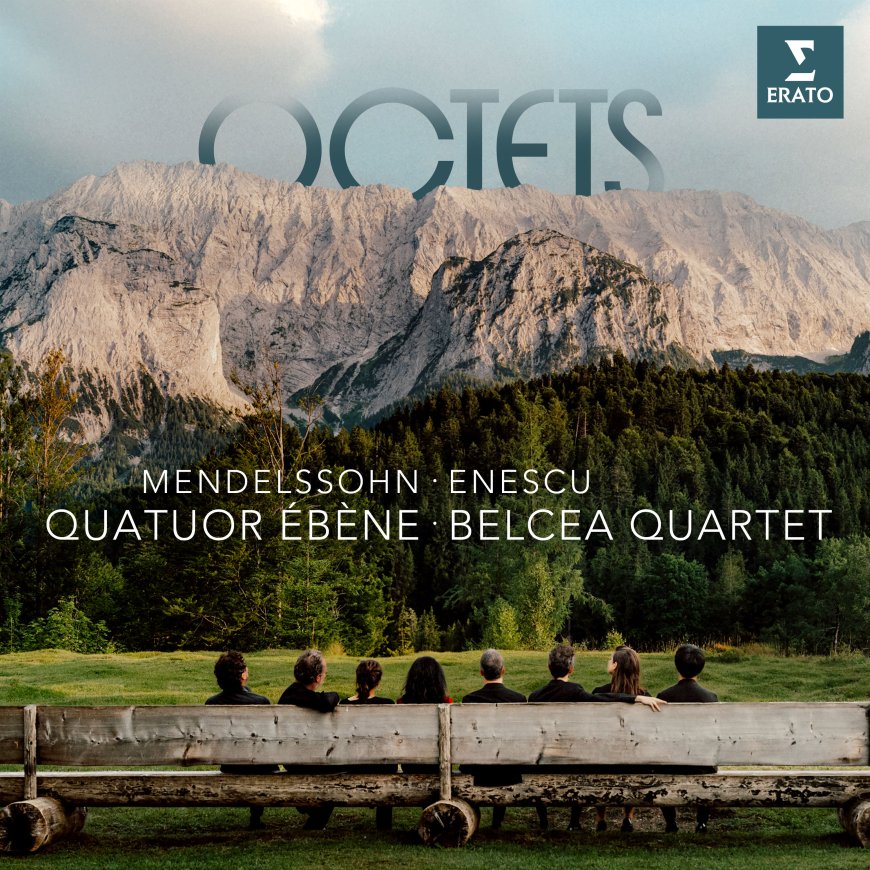
The Mendelssohn, written at age 16, is a wonder. After the thrilling opening, the lush writing moves through periods of turbulence, consolation, and dance-like celebration to a galloping conclusion. Maintaining intensity in the final movement is extremely difficult, especially in a rendition so thrilling that it threatens to go off the rails at any moment. What a joy!
Enescu was 18 when he wrote his even more symphonic octet in which elements of rebellious modernism unite with flavorful wafts of Romanian melodies. Responding to Enescu's request that his work be performed by chamber orchestra, the two quartets let out all the stops.
This is great music in performances that virtually command repeat listening.