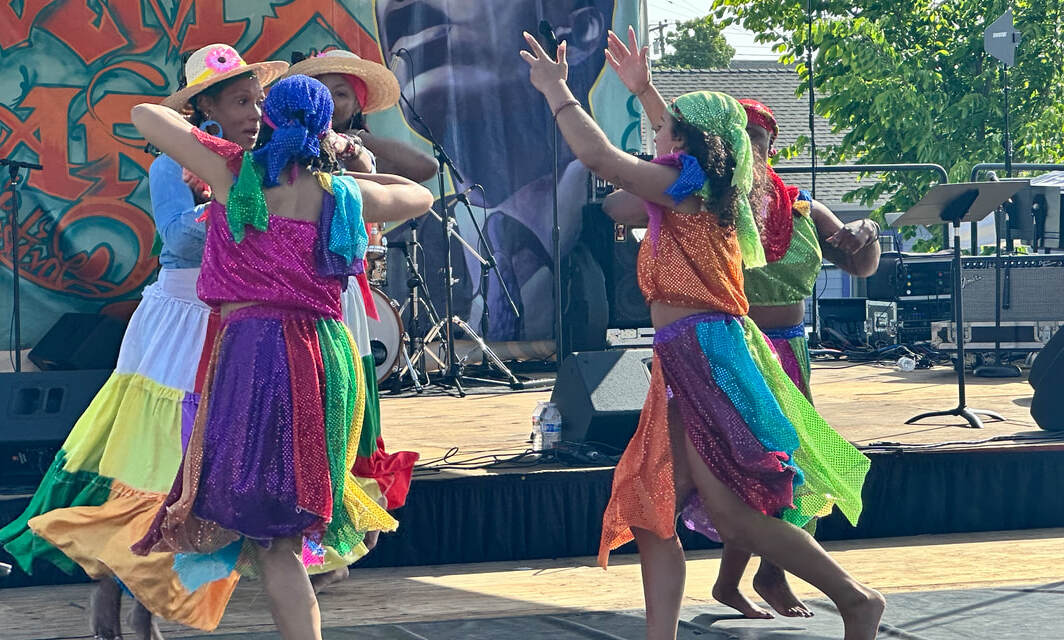
Twenty California dance companies of color are sharing a $493,500 unrestricted grant from the Wallace Foundation.
Each $24,675 award aims “to preserve diverse traditions, foster funding equity, and strengthen under-resourced BIPOC-led artist groups.” BIPOC is the acronym for Black, Indigenous, and People of Color.
This is only one of the Wallace Foundation Advancing Well-Being in the Arts block grants, administered through 18 arts festivals in the country which act as “regranting” organizations to support “arts rooted in communities of color [who] play critical roles in their communities... long overlooked and underfunded.”
The unusual grant distribution is described as “taking large-scale foundation funding and distributing it locally in smaller, direct chunks to community dance groups.”
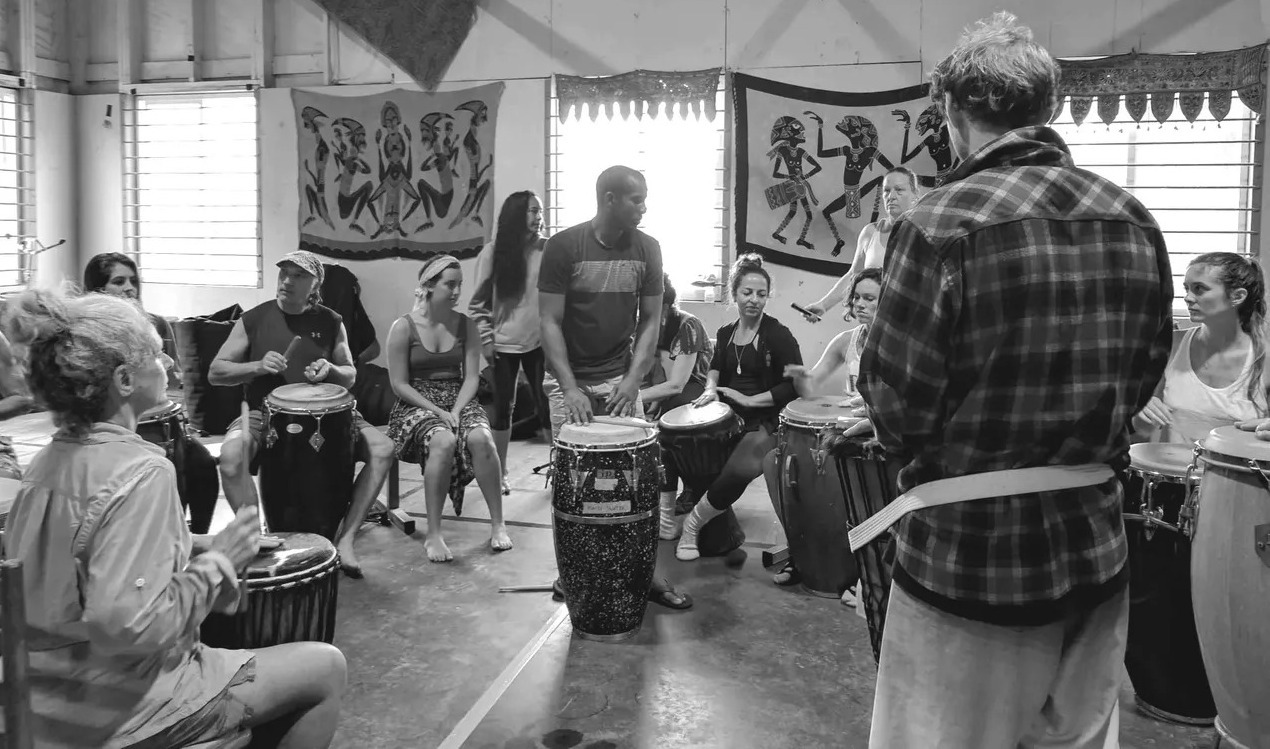
Distribution of the 20 California grants were made through San Francisco’s World Arts West (WAW), founded in 1978 as the SF Ethnic Dance Festival.
WAW, which had an operating budget in 2024-2025 of approximately $624,000 and assets of $266,000, says it “supports over 450 local and regional dance companies and soloists, celebrates global folk, classical, sacred, and social dance forms through public performances, films, and artist grants.”
This inaugural program represents a tiny part of the Wallace Foundation’s philanthropy. Established in 2003 by DeWitt and Lila Acheson Wallace, the founders of Reader’s Digest, the foundation works “to improve learning and enrichment for disadvantaged children and to foster the vitality of the arts for everyone.”
The most recent public report on the Wallace Foundation finances from 2024 shows an endowment of $1.729 billion, grants and expenses of $92.4 million. The foundation has distributed grants of more than an estimated $670 million over a 10-year period.
Among other major organizations with similar support for the arts are the William & Flora Hewlett Foundation, San Francisco Foundation, and the Koret Foundation.
These are the 20 recipients of the Wallace Foundation’s inaugural Cultural Dance Catalyst Fund in California:
Abhinaya Dance Company of San José: Focuses on Bharatanatyam, a classical South Indian dance form combining intricate footwork and narrative expressions.
“For a cultural organization like ours, this grant provides more than funding. It gives us the freedom to invest in our programming, the artists and teachers who sustain this tradition, and the community we serve,” Executive Director Preeti Kristipati told SF Classical Voice.
Shruti Abhishek Dance: Specializes in classical and contemporary Kathak, a storytelling dance form from Northern India.
“Receiving the Cultural Dance Catalyst fund affirms our belief that cultural dance traditions are living, evolving art forms,” Company director Shruti Abhishek said. “This support will help us continue to expand the possibilities of Bharatanatyam through performance, education, curation, and community partnerships.”
Afro Urban Society: Celebrates urban and contemporary African dance, music, and performance styles.
AfroRooted: Preserves and uplifts traditional and evolving African roots-based dance and rhythm.
Cheza Nami Foundation, Inc.: Promotes African culture through traditional drumming and dances from diverse African nations.
Fua Dia Kongo: Specializes in traditional Congolese dance, drumming, and cultural arts.
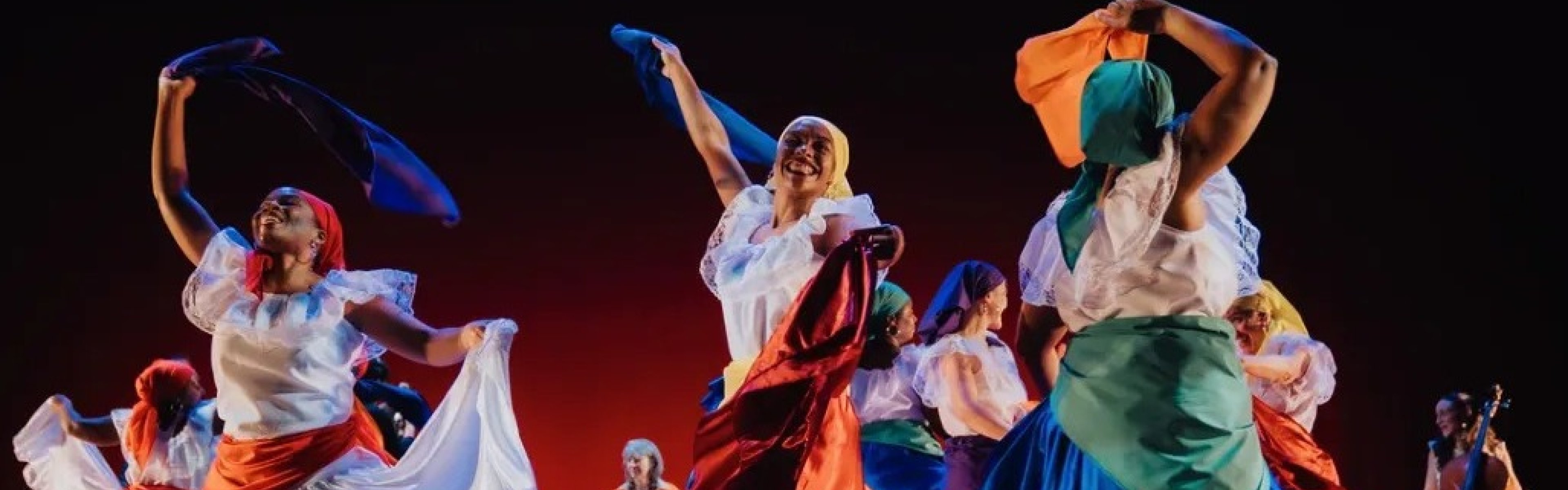
Herencia Guantanamera: Preserves and presents the Afro-Cuban cultural heritage, focusing heavily on dances and rhythms from the Guantánamo region.
Rara Tou Limen: Showcases traditional Haitian dance, vodou culture, drumming, and songs.
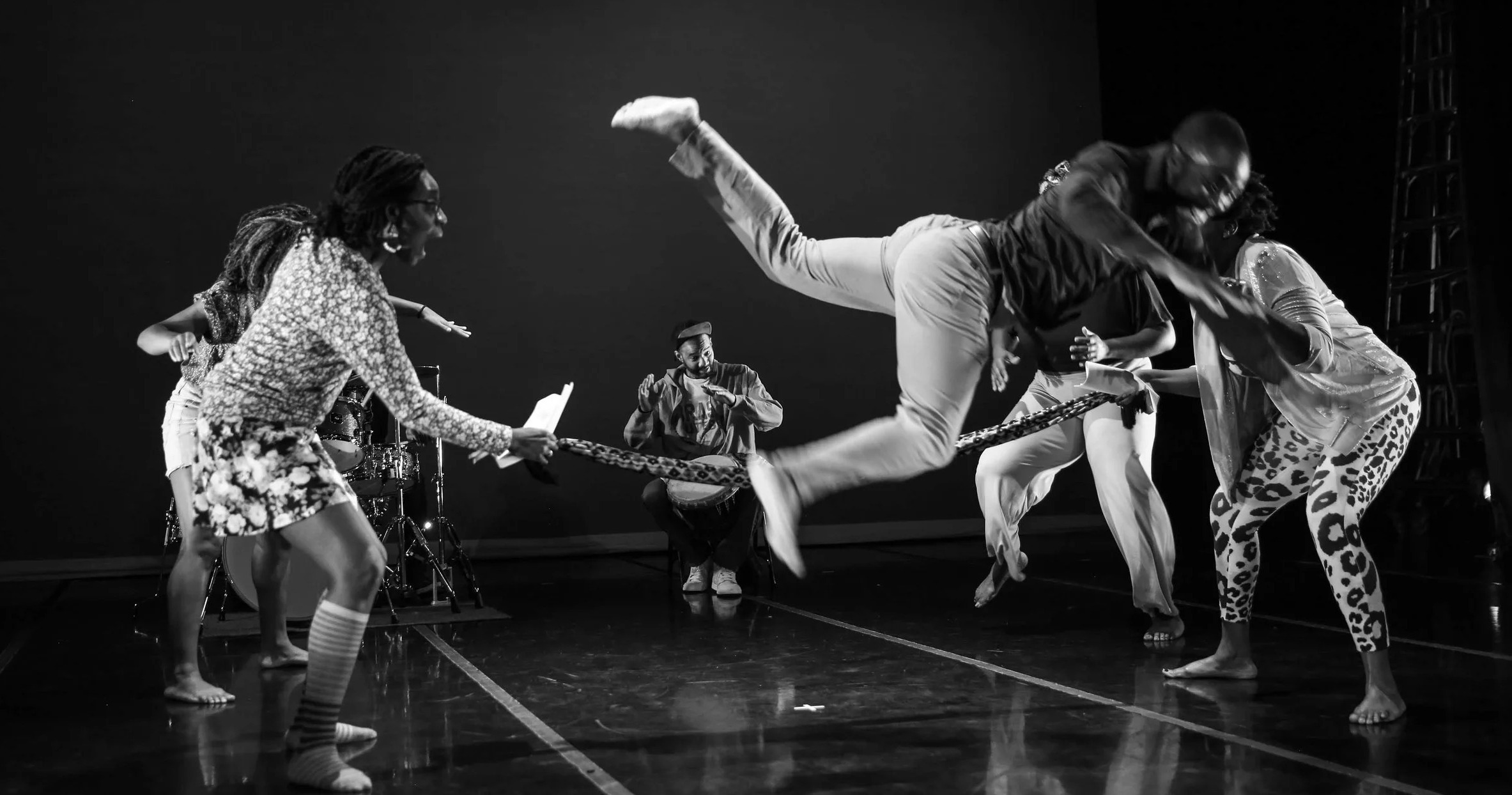
Axé Oakland: Centered around Capoeira, an Afro-Brazilian martial art combining self-defense, acrobatics, and dance.
Bahareque LLC: Dedicated to Colombian folk traditions, showcasing styles like cumbia, mapalé, and bambuco.
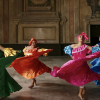
Ballet Folklórico Nube de Oro: Preserves and teaches the regional folkloric dance traditions of Mexico.
BCA Dance Company: Reimagines and preserves ancient and rare Bolivian folkloric dance forms.
Fogo Na Roupa: Renowned for high-energy Afro-Brazilian Carnaval dance, drumming, and street theater.
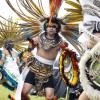
Calpulli Ocelocihuatl: Sustains ancestral Mexica (Native Mexican/Aztec) dance ceremonies and intergenerational traditions; a women-led Danza Azteca and cultural education community based in San José.
Danza Azteca Citlaltonac: Dedicated to preserving indigenous spiritual rituals and vibrant Aztec ceremonial dance.
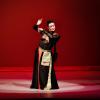
Carolé Flamenco's Flamenco Spanish Dance Theater of América: Perpetuates the expressive, rhythmic art of traditional and contemporary Flamenco.
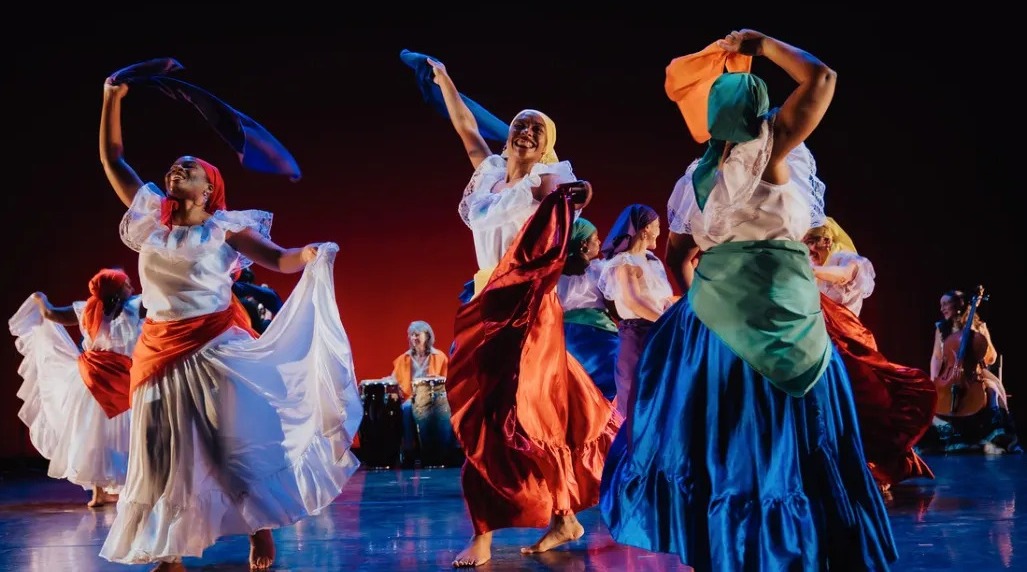
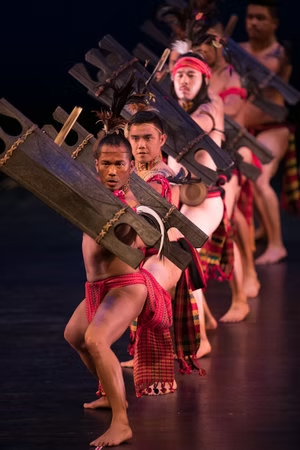
Parangal: Preserves and showcases the diverse Indigenous Philippine dance, attire, and music traditions.
Artistic Director Eric Solano told SF Classical Voice that “Parangal is so honored and humbled to be a grantee. It is rare to receive unrestricted general operating support funds. We will ensure that it makes an impact in all of our pillars: learn through immersion in Philippines, education by sharing about the Indigenous living traditions, preserve by continuing to train and invest in our members and artists, inspire through performances and tours and partnering organizations — specifically, to help with expenses for our tour in Hawaii when we perform at the Merrie Monarch Festival Ho’ike Night in 2027
GER Youth Center: Uses movement and performance to engage youth and connect them to their cultural heritage.
MPWRD Artists Collective: A collaborative group utilizing dance and art to empower underrepresented storytelling.