The art of the thriller lies in managing its escalating sense of dread that comes as revelations accrue while ensuring the payoff is still a surprise. Few operas pull it off. But Benjamin Britten’s The Turn of the Screw stands at the top of that short list, and Mark Streshinsky’s current version for West Edge Opera ranks among its most compelling realizations.
In an overtly cinematic way, Streshinsky’s new interpretation of the composer’s psychological drama reveals new layers of the story and builds toward a climax that is both horrifying and surprising.
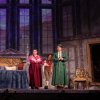
The production, which opened at the Oakland Scottish Rite Center on Saturday, Aug. 1, leans on an extraordinary performance by soprano Laura Bohn. She’s onstage for the entire opera and her fully committed portrayal of The Governess is unforgettable, vocally and physically.
At the heart of Henry James’ 1898 Gothic horror story, adapted by Britten and librettist Myfanwy Piper in 1954, is a young governess sent to care for two children, Flora and Miles. She begins to see the ghosts of the former governess, Miss Jessel, and valet, Peter Quint, both of whom are dead. She imagines they are pursuing the children — then things get dark.
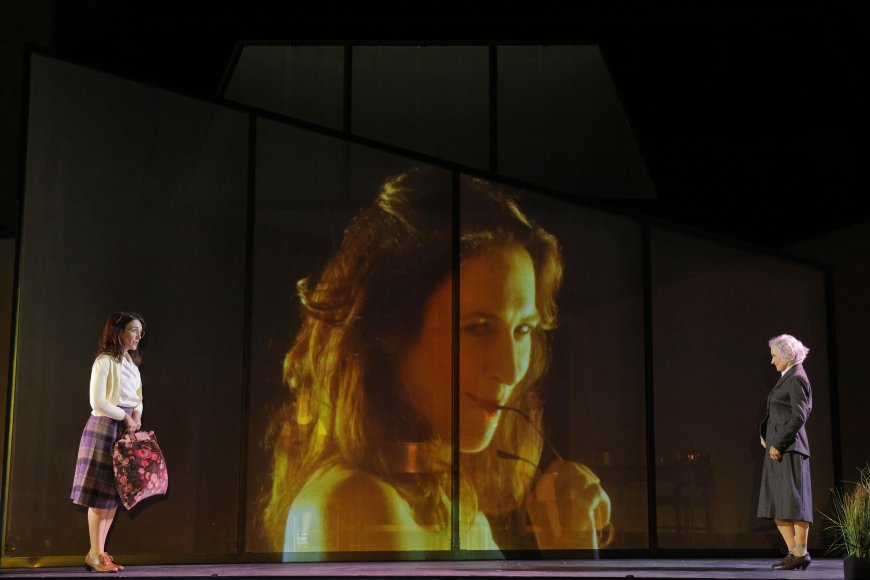
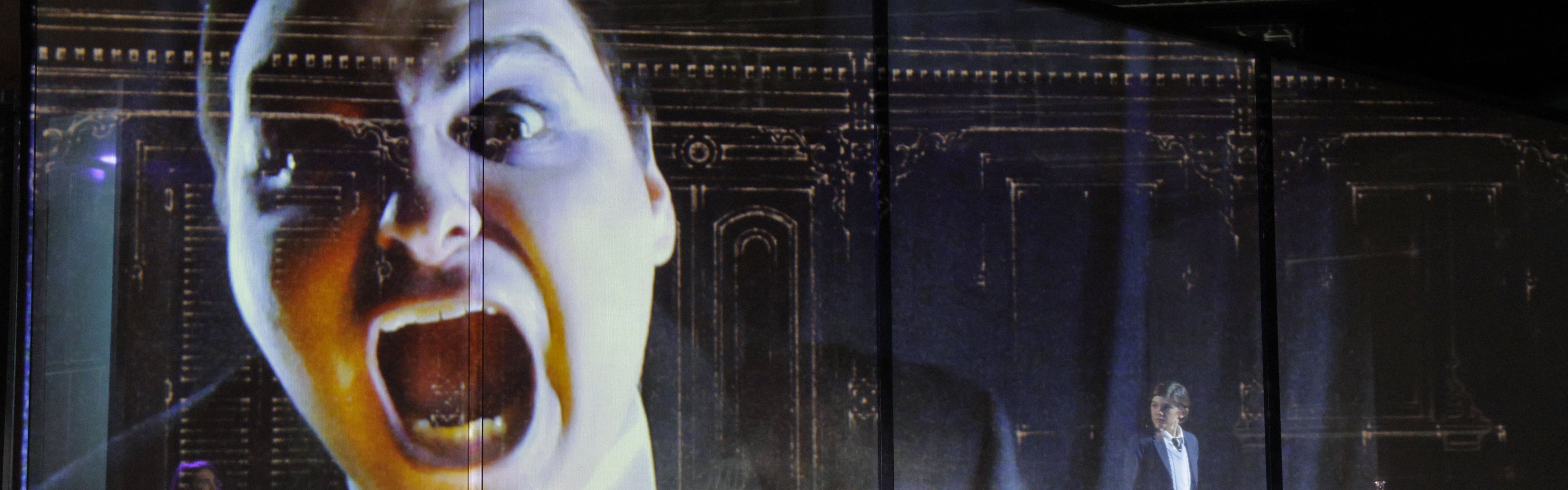
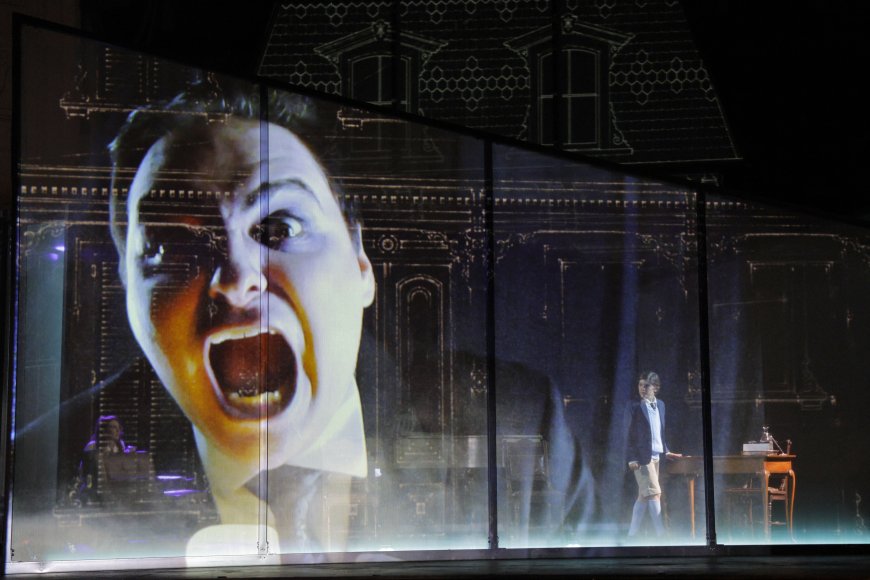
Streshinsky’s production centers on production designer Yuki Izumihara’s filmed images that depict the backstory, projected onto her manor house set. The ghosts’ live performances, which occur offstage, are projected there as well.
The projections shift depending on each character’s point of view. The children have fond memories of Miss Jessel and Quint and are mourning their loss. The Governess imagines the same pair as sexualized seducers. The housekeeper, Mrs. Grose, remembers their affair, which led to Miss Jessel’s pregnancy and her dismissal from the manor.
Live action quickly becomes doubled and expanded by the images. We see the repressed Governess’ own fantasies, brought on by her attraction to her employer, the children’s father. As her delusion progresses, she crashes into the children’s memories, supplanting them with her imagined version. When the ghost of Quint speaks to Miles at the end of Act 1, The Governess spreads her arms in slow, rhythmic beats, like a bird of prey. We’re left wondering whose mind and actions the ghost actually controls.
Bohn’s intimate understanding of Britten’s music is intrinsic to her performance. While powerfully portraying extreme emotions, she still maintains control of her vocal apparatus and sings beautifully. The overall effect is that of a person coming apart, believably and realistically.
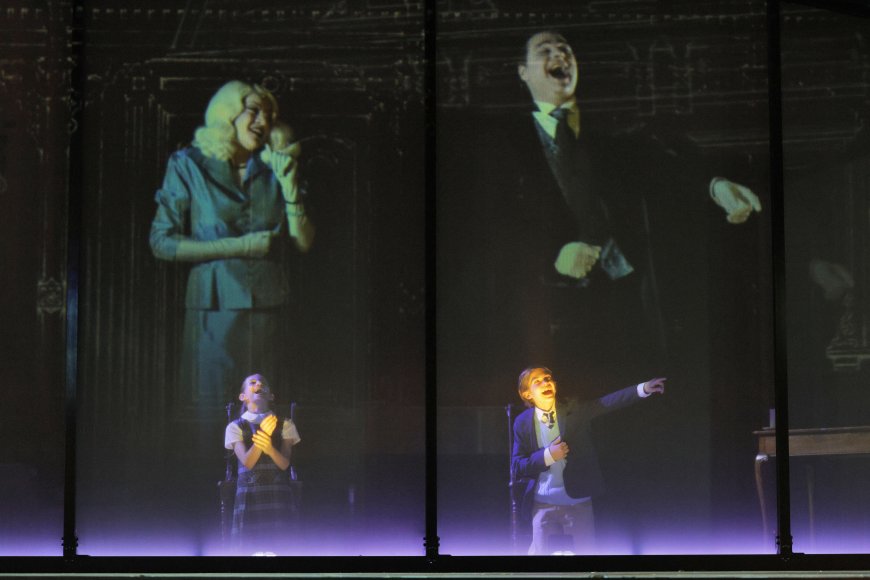
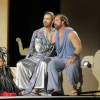
Her castmates are also uniformly excellent, if more conventionally operatic. Tenor Alexander Boyer sings Quint with a firm, open tone. He is well matched with soprano Aléxa Sessler, who effectively darkens her lyric instrument to bring out the undertones of Miss Jessel. Performing before a camera from a screened box in the theater’s top row, Boyer and Sessler are both alluring and frightening.
Mezzo-soprano Erin Neff is excellent in the pivotal role of Mrs. Grose. Roya Agarwal and Noah Hajduk give remarkably mature and musical performances as Flora and Miles.
Under Jonathan Khuner’s imaginative direction, the 13-piece orchestra delivers an atmospheric performance of Britten’s score.
There are a lot of Bay Area opera lovers who will be imagining an alternate reality if they miss this show.
Michael Zwiebach is a freelance writer. This review has been provided in partnership with the San Francisco Chronicle.