How do you move a major opera company?
Very carefully... and only after intense deliberation and enormous expenditures.
San Francisco Opera homies know this well, having been deprived of the War Memorial after the 1989 Loma Prieta earthquake, requiring a 21-month-long, $90 million seismic retrofitting from 1996-1997. The company was then locked out by COVID-19 for more than a year, beginning in 2020.
No natural disaster or pandemic caused the Washington National Opera (WNO) to move out of its Kennedy Center home, where it served as the resident opera company since the Center’s inauguration in 1971. Problems causing the difficult move, announced on Jan. 9, have all been man-made.
The story of this separation began on Feb. 7, 2025, days after Donald Trump’s second inauguration as President, when he announced his plans to intervene at the 55-year-old Center dedicated to JFK. During following months, he fired executives and the institution’s entire board. He then appointed a new board, which last December named Trump as chairman and added Trump’s name to the Center — now, technically speaking, the Trump Kennedy Center.
These events have created confusion, uncertainty, and resistance. “[They] have sent shockwaves through the arts community,” writes arts historian Joseph Horowitz. “While no one can predict what will happen next, the unifying feature of this story is a culture clash — mutual disaffection.”
Protests and cancelations climaxed with WNO’s announcement that it is ending its 55-year residency at the Kennedy Center, because of “irreconcilable differences regarding the institution’s new financial model,” the Opera company announced.
“The opera company is seeking to sever its ties with the Kennedy Center after a tumultuous year in which both groups have faced cancellations by artists, empty seats and the retrenchment of donors protesting Mr. Trump’s intervention,” reported The New York Times.
According to a statement made by WNO, “To ensure fiscal prudence and fulfill its obligations for a balanced budget, the WNO will reduce its spring season and relocate performances to new venues.” It said the Opera’s decision to relocate stemmed from the Center’s new business model, which “requires productions to be fully funded in advance — a requirement incompatible with opera operations.”
In contrast, a Kennedy Center spokesperson said the decision was made by the Kennedy Center administration, not the Opera: “After careful consideration, we have made the difficult decision to part ways with the WNO due to a financially challenging relationship.”
WNO — led by General Director Timothy O’Leary, Artistic Director Francesca Zambello, and Music Director Robert Spano — primarily performed in the 2,347-seat Opera House and 1,161-seat Eisenhower Theater. It also used the Terrace Theater, Millennium Stage, and REACH spaces.
“Strategic planning allowed us to match each program to the most appropriate venue,” a WNO official told SF Classical Voice. “As an independent company, we will continue this approach, with the added flexibility to select venues that best serve each production.”
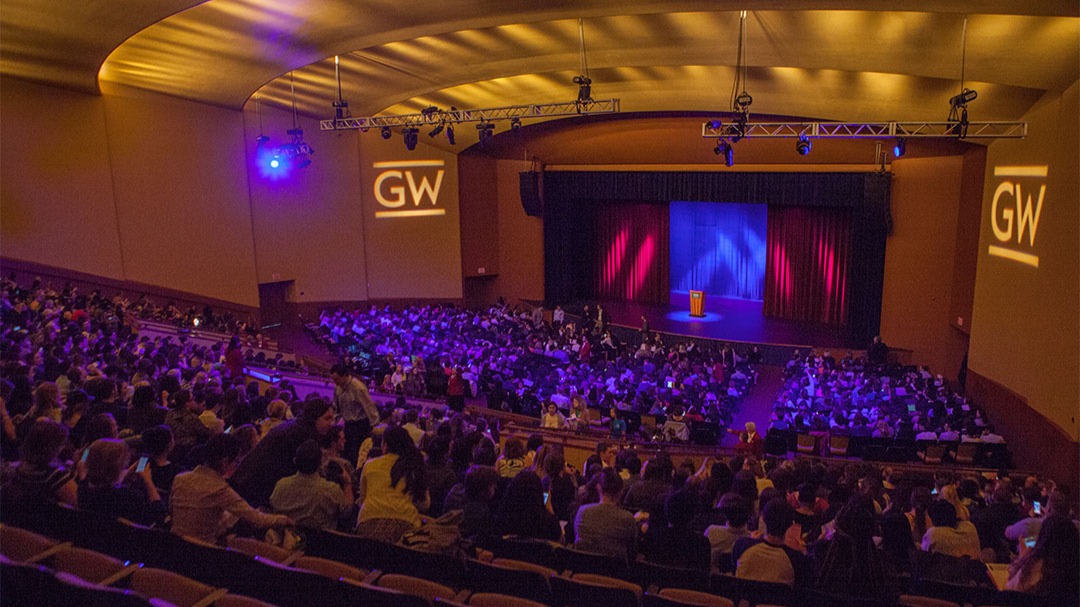
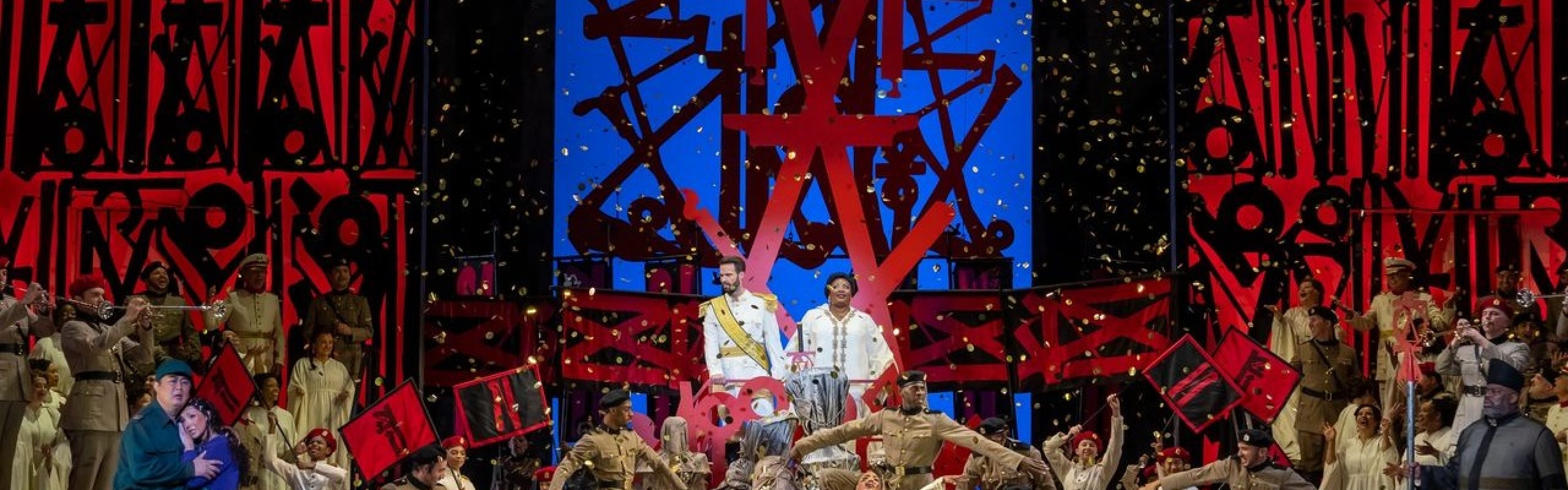
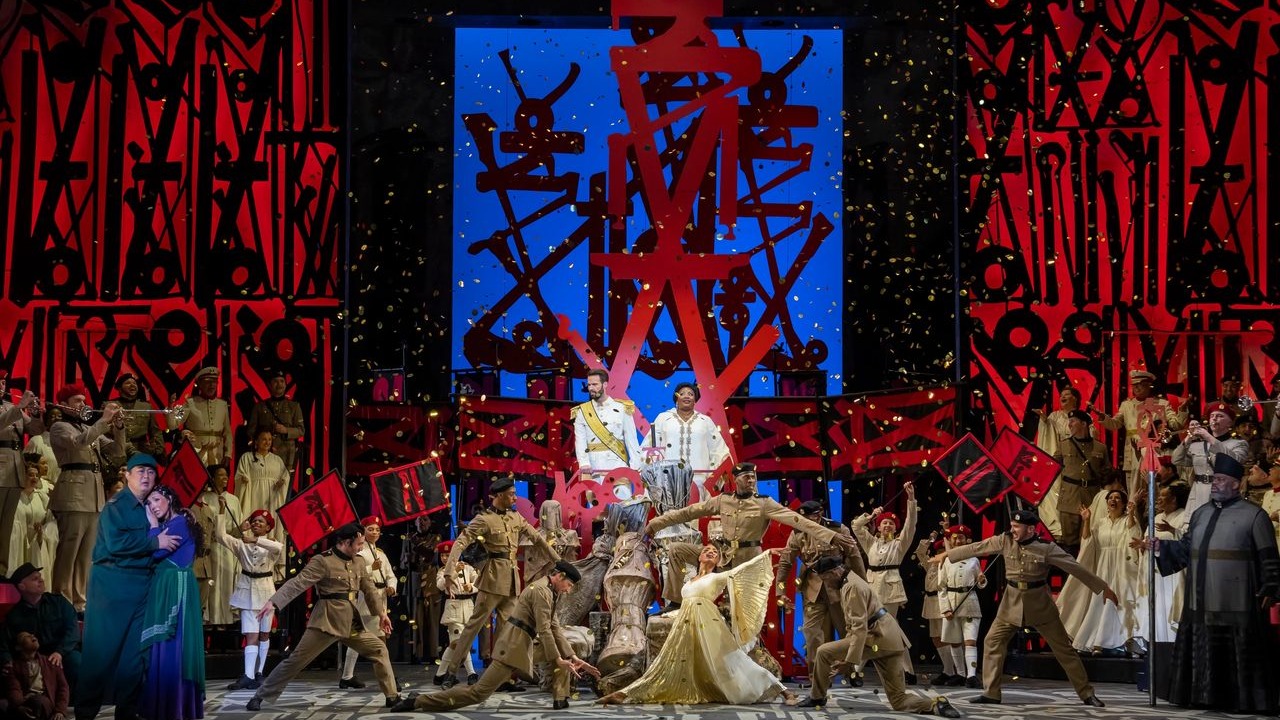
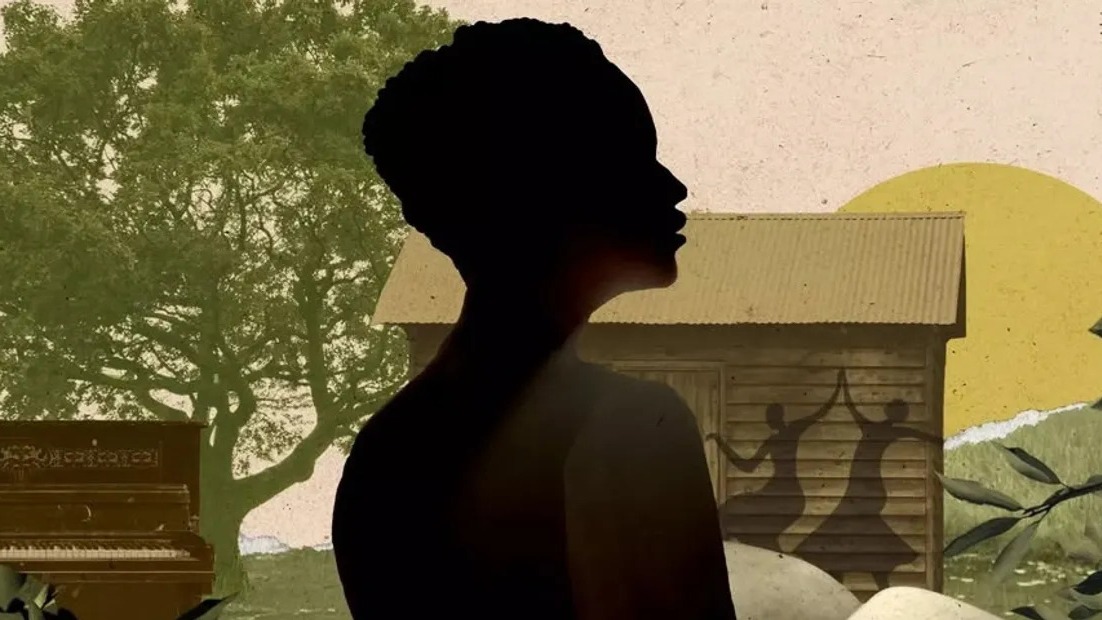
The company’s new main venue will be the 1,350-seat Lisner Auditorium at George Washington University, where WNO had its first performances 70 years ago. On March 7, 8, and 15, the company will present their previously planned production of Scott Joplin’s Treemonisha in its new home. Adapted by composer Damien Sneed and playwright Kyle Bass, the production will be directed by Denyce Graves and conducted by Oakland Symphony Music Director Kedrick Armstrong.
Later in March, Robert Ward’s The Crucible will be conducted by WNO's newly-inaugurated music director, Robert Spano. No date has yet been set for a planned opera gala, to be co-hosted by Stephen Schwartz and Jamie Bernstein.
The Center’s other major tenant, the 96-year-old National Symphony Orchestra (NSO). Led by Executive Director Jean Davidson and Music Director Gianandrea Noseda, has decided to stay, according to reporting by the New York Times, because the Center provides nearly one quarter of the orchestra’s budget. The orchestra’s home is the Center’s 2,465-seat Concert Hall.
On the same day WNO announced its departure, Jennifer Mondie, chair of the NSO Orchestra Committee, said, “At this time, musicians of the NSO do not wish to comment on our workplace. We hope you can understand and respect our position.” The Symphony administration made no comment on the situation.
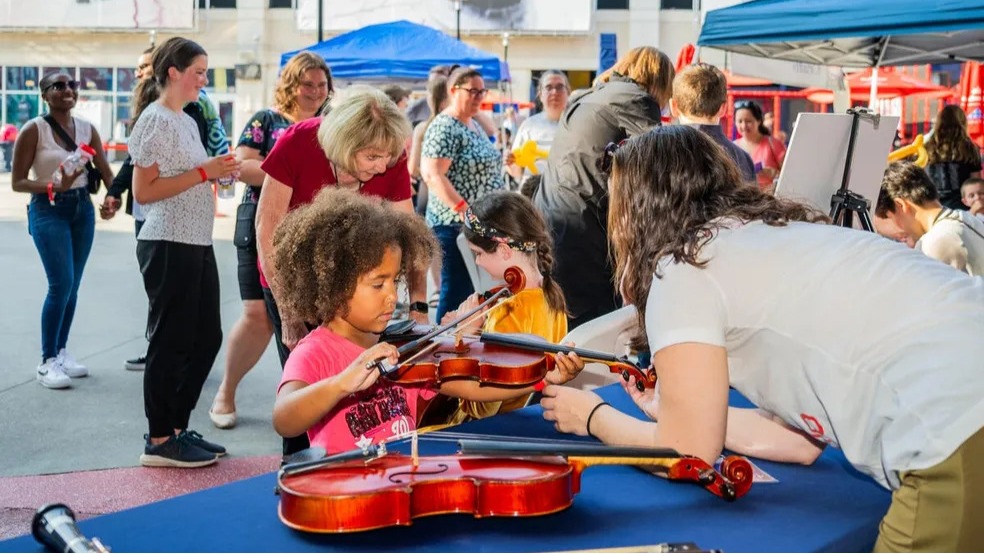
Among WNO’s many contributions to the nation’s cultural life is the American Opera Initiative (AOI), founded in 2012. This commissioning program develops new one-act works for WNO’s annual festival.
By mentoring emerging composers and librettists, the Initiative works to expand the American operatic repertory and enhance its relevance to our time. Since its inception, AOI has commissioned 40 chamber operas, with some going on to future productions around the country. Alumni of the Initiative have contributed to more than 55 operas to the American repertory.
Following weeks of cancelations at the Center by groups and individuals (including Vocal Arts DC and soprano Renée Fleming last week and composer Philip Glass this week), more than a hundred prominent artists contributed to a public a letter supporting WNO’s decision to leave the Center:
“While we acknowledge the difficulty in making this decision, we also recognize that the great work WNO has created for more than 70 years cannot thrive in the environment created by the Center’s current administration,” the letter reads. “We pledge to support WNO in its future endeavors and, on our country's 250th anniversary and always, to continue standing up for artistic freedom.”
Among the signatories with San Francisco Bay Area connections are composers John Adams, Jake Heggie, Mark Adamo, and Kevin Puts; librettist David Henry Hwang; directors Peter Sellars, Elkhanah Pulitzer, and Brian Staufenbiel; conductor Nicole Paiement; singers Nicholas Phan, Jamie Barton, Isabel Leonard, and Karen Slack.
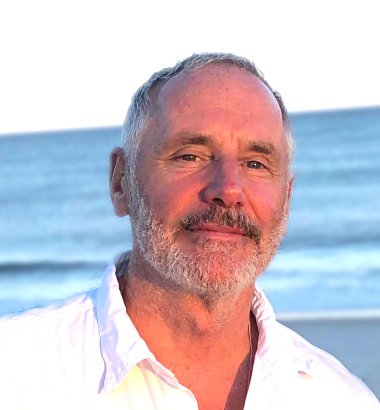
The letter was organized by Mark Campbell, founding mentor of WNO's American Opera Initiative and librettist for Silent Night (composer: Kevin Puts), The Shining (composer: Paul Moravec) and The (R)evolution of Steve Jobs (composer: Mason Bates), and many other operas.
Campbell told SF Classical Voice how he came to organize the project:
I was born in Washington DC and know how important the Kennedy Center’s contribution to the arts is in our country. I was devastated — as many people around the world were — to see this beloved organization used as a power play in a culture war.
The economic fallout caused by a sharp decline in both attendance and donorship made it impossible for WNO to operate as successfully as it has done for 70 years. I am pleased they have a new home.
Feeling helpless is something I don't do very well. Knowing what WNO was going through and being able to organize support in a collective way for the company was important to me.
I also got a great deal of joy receiving immediate, enthusiastic responses from so many brilliant artists. My favorites were the short ones that just said “Yes! Of course! Sign me up.”
As for the future, Campbell said, “I hope that more artists will not be afraid to speak out against the tyrannical actions of this administration and that we prove, again, that our work and our solidarity has the ability to change things for the better.”
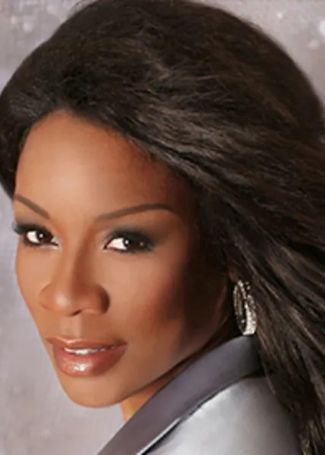
Mezzo Denyce Graves, who recently retired from the Met, is set to direct WNO’s Treemonisha. Her relationship with the company goes back to 1979, when she was a supernumerary in Donizetti’s Il furioso all ‘isola di San Domingo
I saw and learned about opera for the first time at WNO. I am proud that out of their 70 years, I have shared 47 of those and now have the privilege of expanding our relationship and engaging as a stage director in Scott Joplin's Treemonisha.
This very important and audacious creation with story and music created by Joplin is historically of great significance. Joplin, a Black composer in 1910-11, wrote a full-length opera that centered on literacy, community, and self-determination in Reconstruction-era Black life. That alone was unprecedented.
Joplin offered dignity, agency, and complexity at a time when we did not see that kind of portrayal. I am deeply honored to be a part of the telling and sharing of this work in my hometown.
WNO and I share a mission to expand the art form to include new perspectives and voices. I am thrilled to direct WNO's first production as an independent organization and continue their legacy as a leader in the industry."
Fiscal and attendance challenges at WNO go back years, even before the pandemic. It was these challenges that both prompted the company to enter into an affiliation with the Kennedy Center in 2011, and that allegedly severed that relationship now.
A WNO official told SF Classical Voice about the history of the relationship:
“Washington National Opera entered into an affiliation with the Kennedy Center in 2011 during a period of significant financial restructuring across the entire not-for-profit sector following the recession. That relationship provided stability and allowed WNO to continue its artistic mission while retaining its own corporate identity, governance, and fundraising.
“A subsequent affiliation agreement in 2024 reaffirmed and evolved that structure, with an eye toward increasing WNO's self-reliance and self-governance. Throughout, WNO has remained its own organization, with its own board and charter, operating in partnership with the Kennedy Center.”
All that ended during the Center’s reorganization in 2025, the rupture made official with the departure of WNO from the Center.