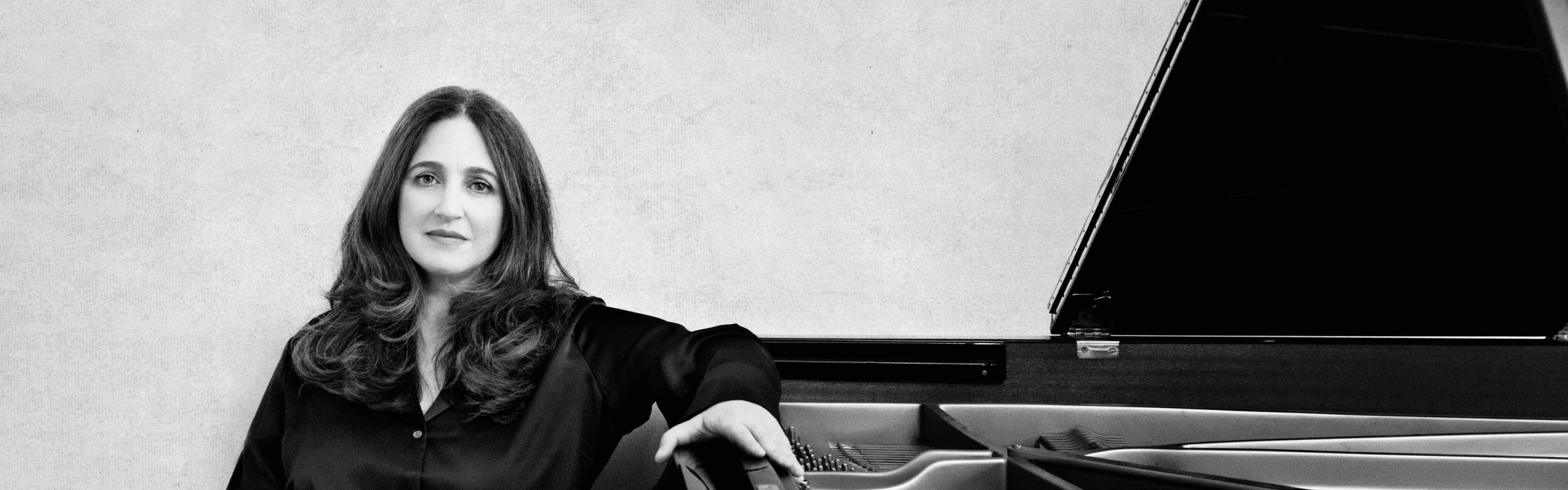
Philip Glass’s 90th birthday -- January 31, 2027 -- will be a musical feast day globally, beginning with a birthday concert at Carnegie Hall featuring the New York premiere of his fifteenth symphony (‘Lincoln’) and a two-day Glass festival in London. Musical celebrations by the Boston Symphony Orchestra, Los Angeles Philharmonic, and others will follow. Glass’s stature is beyond dispute, but given an oeuvre 250 works deep and growing, the recording industry will need years to catch up with his output.
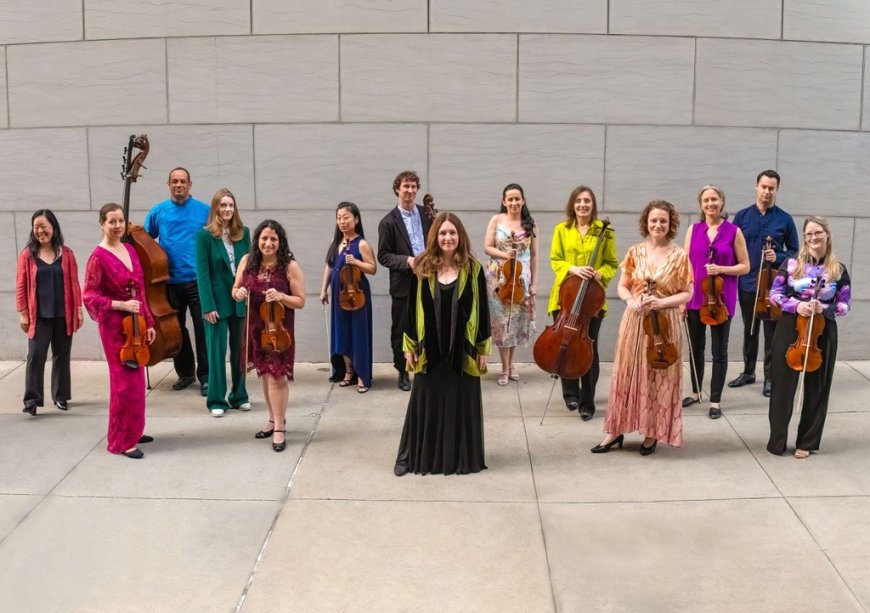
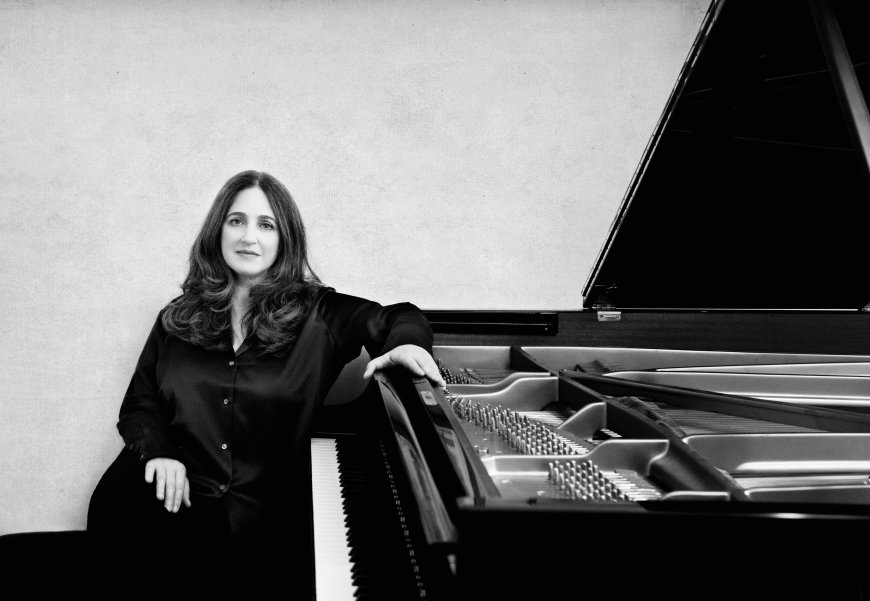
In Hourglass (naïve), pianist Simone Dinnerstein and her string ensemble Baroklyn celebrate the fecundity of Glass’s late period. Glass’s partnership with Dinnerstein began when she performed Bach and Schubert for him at his home in 2014. “Right away I knew I would someday compose music for her,” Glass said. His third piano concerto (2017) was dedicated to her; she recorded it the following year.
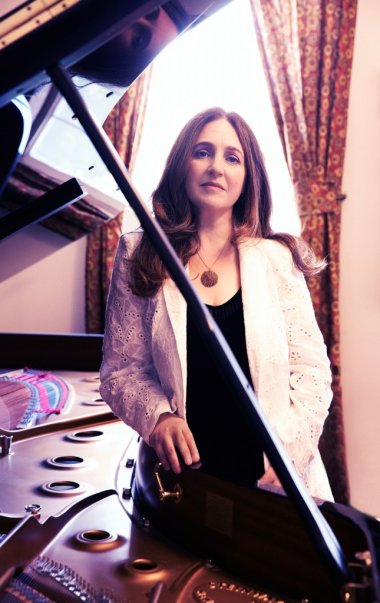
Dinnerstein also kept Glass’s first concerto, “Tirol” (2000), in circulation by championing it in performance. Based on traditional Austrian folk songs (notably “Maria hilf doch mir”), it is recognizably Glass in its driving moto perpetuo ostinatos and textural — rather than harmonic or melodic — development.
Where Dennis Russell Davies and the Stuttgart Chamber Orchestra took an aggressive piano-forward, reverberatory tack on their 2004 recording, Dinnerstein, along with co-producer and sound engineer Silas Brown, find an intimate, vivid acoustical balance. Dinnerstein’s classical restraint continually complements Baroklyn’s warm, rapt playing; both illuminate and harmonize the score’s seven independent voices.
Especially in Tirol’s long, mesmerizing Movement II, Dinnerstein and Baroklyn manage to capture what Dinnerstein calls the piece’s “strangeness” while injecting it with emotional intensity. Dinnerstein’s good taste conveys every nuance of expression — from hymnlike serenity and pulsing shimmer to left-hand power--yet steers clear of harshness and sentimentality. In the closing pages of the second movement, the work’s multivocal richness surges into transfixing emotional power, approaching benediction.
Alas, Glass breaks his own spell with the obligatory buoyancy, lackluster invention, and occasional banality of Movement III. However, for the movement’s uninspired string writing and the piano part’s barrelhouse rolls, Dinnerstein and Baroklyn are blameless.
Where “Tirol” is a neglected if uneven gem, Glass’s The Hours soundtrack rode that movie’s visibility to Oscar and Grammy nominations and has since enjoyed arrangements for chamber ensemble, solo piano, guitar, and harp. Dinnerstein uses an arrangement by Michael Riesman for piano, strings, harp, and celesta. Baroklyn and Dinnerstein’s hushed, elegiac playing on The Hours conjures a darker, even brooding world compared to that of the ethereal ‘Tirol’. Inspired playing — and recording — like this could forever liberate Glass’s multidimensional music from the minimalist pigeonhole.