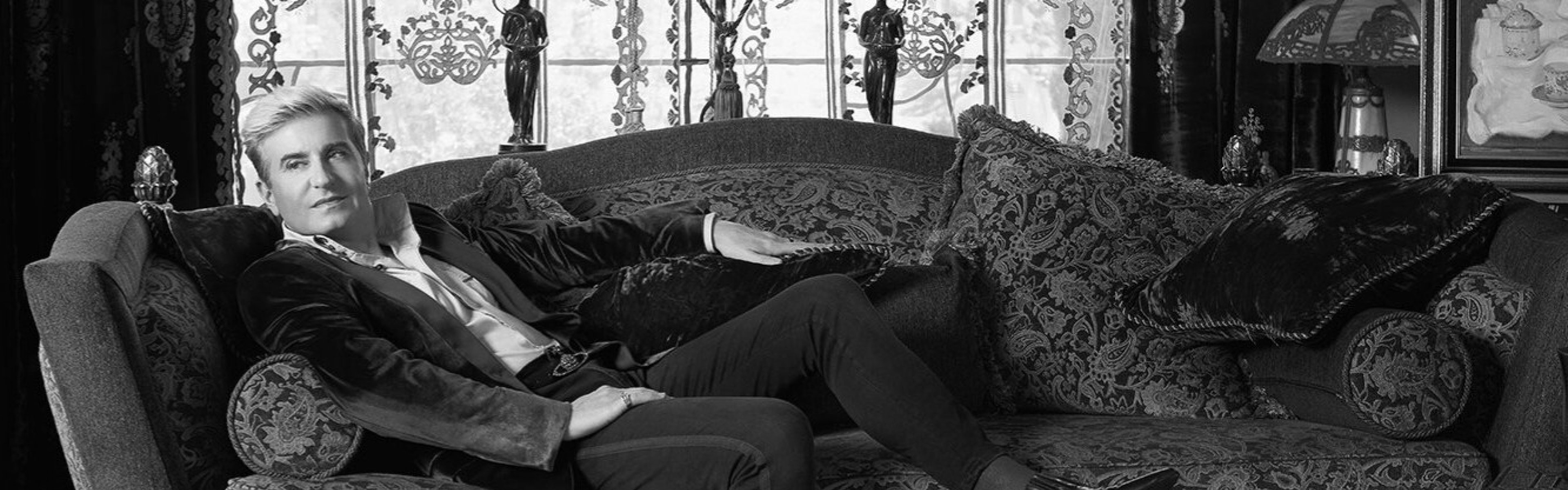
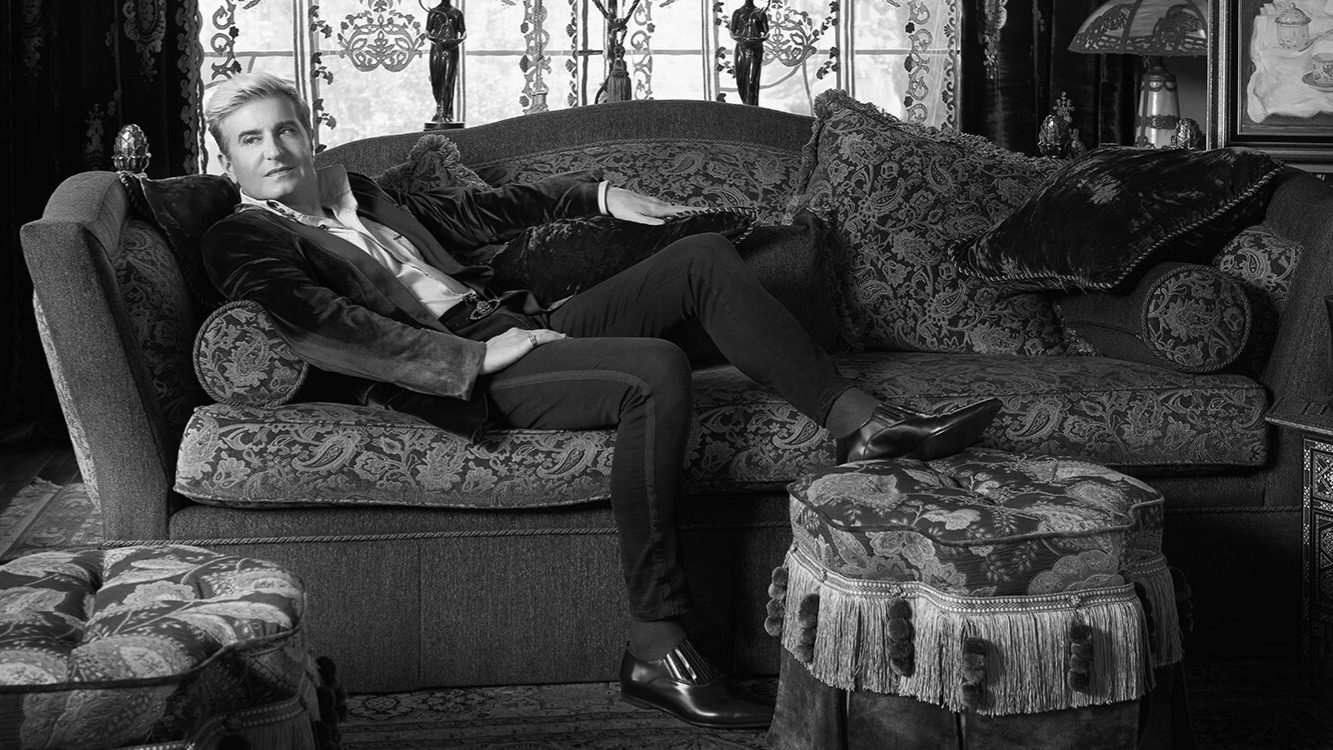
Debussy’s 24 Préludes don’t explicitly aim at exploiting the full scope of keyboard playing, at least not like Bach’s Well-Tempered Clavier. But they are colorful and difficult to realize. In a recital of all 24 preludes at Bing Concert Hall on Sunday, May 10, Jean-Yves Thibaudet played with a clarity and force that captured the power — if not the warmth — of this music.
Thibaudet’s virtuosic abilities were on full display in preludes like “Les collines d’Anacapri,” which require the pianist to toggle seamlessly among a tarantella, folk and love songs, and ringing bells — an entire landscape in a matter of minutes.
The pianist excels at bright, exuberant pieces like this. His crystal-clear articulation sounded not only the bells but the rolling of the hills themselves.. With a significantly sped-up tempo for the bursting coda, he turned the landscape into a whirling rush of colors. It was worth sacrificing some dimensions for the driving energy that one doesn’t usually associate with Debussy.
Thibaudet drew real danger out of another Book I prelude, “Ce qu’a vu le vent d’Ouest” (What the west wind saw). The prelude is made up of anxious tremolos, one after the other, punctuated by short, thundering strikes across the keyboard. Here the pianist transformed impressively balanced tremolos into storm clouds. Even the softer parts sounded dangerous. The prelude also allowed him to flex his ability to articulate every note in a run up the keyboard. These streaks of sound, placed throughout the Préludes, require just as much attention as those tremolos, and he carefully struck each one, the effect exaggerated by his dramatic physicality at the piano.
Thibaudet can outplay anyone in pieces like “Ce qu’a vu le vent d’Ouest.” He exudes joy in tackling this music, lending even the darkest pieces a kind of playfulness, as if to ask, “Did you hear that?” No wonder the highlights of the program were similarly energetic pieces, like the habanera and cakewalk of the second book, where the pianist had something more solid to latch onto. The exploding finale, “Feux d’artifice” was breathtaking.
But this style doesn’t lend itself to the quieter, more ruminative preludes. “La fille aux cheveux de lin” (The girl with flaxen hair), for all its brightness and lyrical simplicity, requires a patient, breathing touch. Here, Thibaudet’s ear for complex textures and virtuosic lines failed.
With a too-fast tempo, he charged through the many instances where rubato is called for. (Disappointing, he did the same in the encore, Maurice Ravel’s “Pavane pour une infante défunte” (Pavane for a dead princess), robbing it of its sighs.) This was the case for most of the slower pieces, though in a few places it created its own images. In “Les sons et les parfums tournent dans l’air du soir” (Sounds and scents turn in the evening air), for example, the steady pace transformed its reluctant, questioning phrases into lines that were confident, almost insistent.
But for every idiosyncratic choice that revealed new dimensions of this music, there were others that simply missed the mark. “La Cathédrale engloutie”(The engulfed cathedral), another fan favorite, benefited from Thibaudet’s resonant touch, its layers clearly outlined. But “Brouillards” (Mists), and “Feuilles mortes” (Dead leaves), to name a few, ended up sounding derivative, especially after hearing Book I. These Book II preludes require total shapeshifting, and the pianist seemed hemmed in by his choices.
By the end of the concert, things began to sound a bit nebulous and airy. This isn’t entirely Thibaudet’s fault. The Préludes are made up of a handful of pianistic techniques — tremolos, striking glissandos, giant blocks of chords — that must be carefully differentiated in each piece and risk sounding repetitive even then. The pianist might’ve blurred some of these effects, but those foggy moments were worth the sheer show of strength and virtuosity.