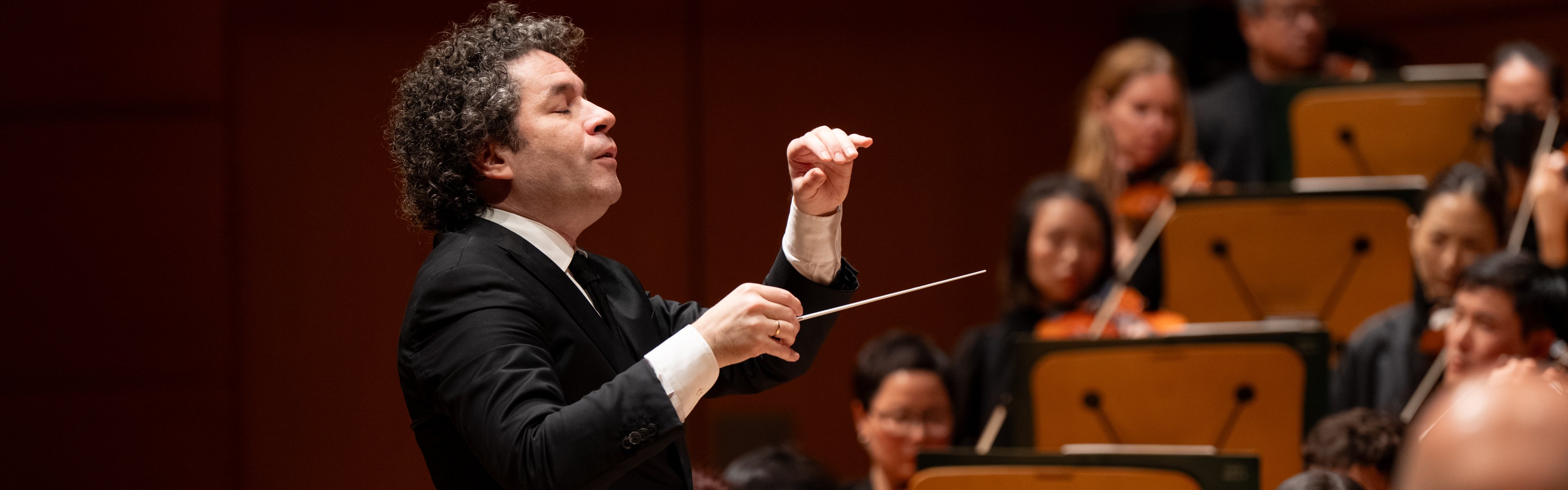
Gustavo Dudamel’s last stint as music director of the Los Angeles Philharmonic is very full. In the season’s final weeks, he is scheduled to follow up a spectacular semistaged production of Wagner’s Die Walküre with four more valedictory concerts, including two world premiere works. And he was on hand on May 27 to introduce the LA Phil’s new music director, Daniel Harding, to the media and staff.
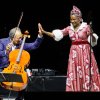
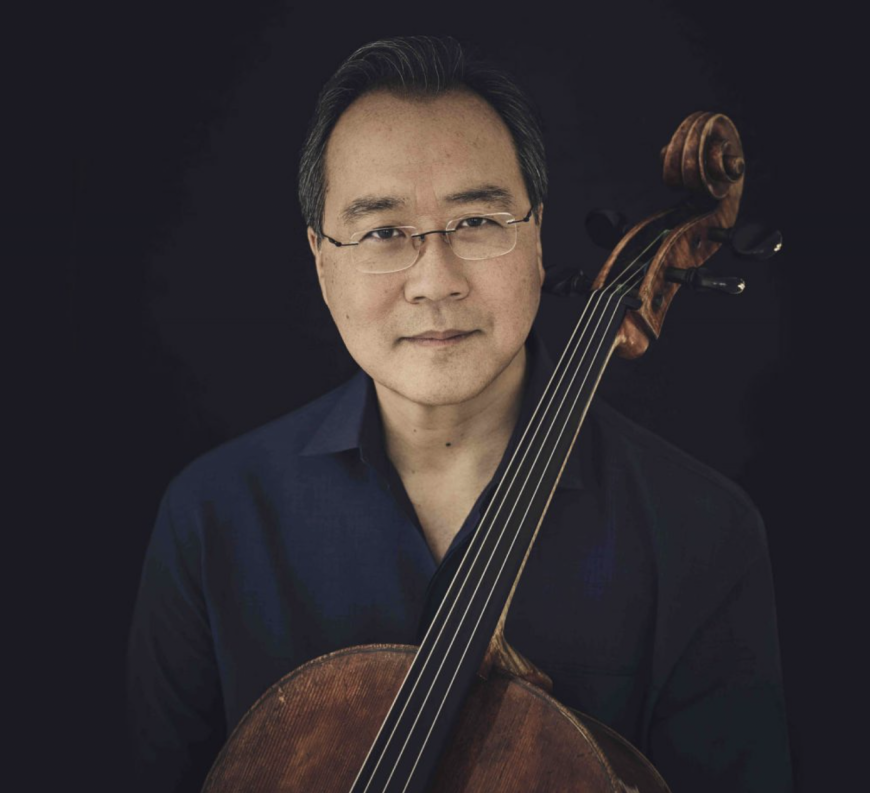
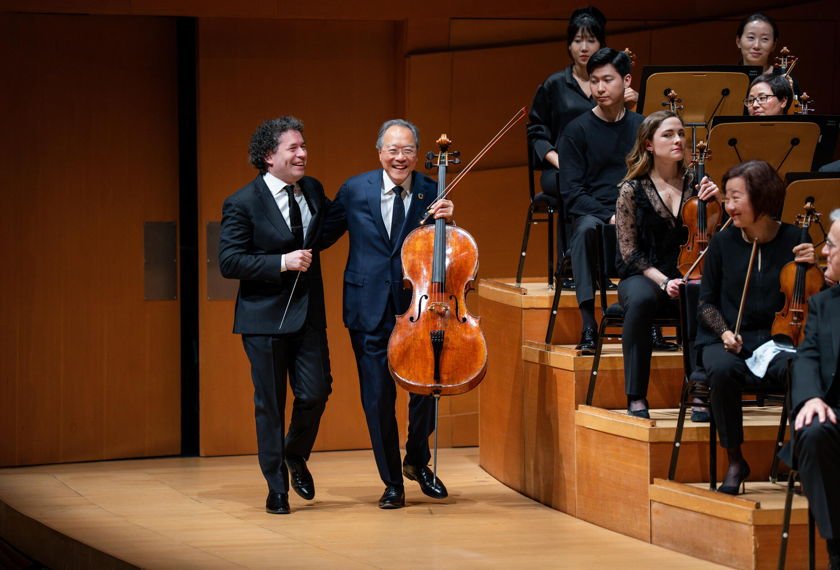
On May 28 at Disney Hall, he teamed up with cellist Yo-Yo Ma for a typical Dudamel program that paired something relatively familiar — Richard Strauss’ epic ego trip Ein Heldenleben — with a world premiere: Mundillo, an exotic piece for orchestra and cello, by Puerto Rican composer Angélica Negrón.
Both works call for a supersized orchestra with many special instrumental effects. They showcased the vibrant, polished, and responsive ensemble that the LA Phil has become during Dudamel’s tenure. With him, the orchestra is equally at ease with the canonic repertoire and with new music, especially of Latin America and the Caribbean.
Born in San Juan and educated at the Conservatory of Music of Puerto Rico, Angélica Negrón does not really consider herself a “classical” composer, having created music of all kinds for voices, orchestras, ensembles, film, robots, toys, and even plants.
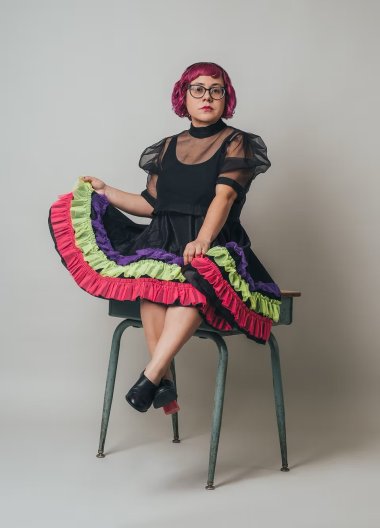
Mundillo (Little world) takes its title and inspiration from Puerto Rican women’s artisanal craft of lacemaking “whose intricate patterns serve as a metaphor for connection, patience, care, and collective labor,” she wrote in a program note. The traditional orchestra is augmented with Caribbean and Latin-American percussion including found objects like seashell wind chimes and water containers. There’s also a MIDI keyboard with laptop.
In three sections, Mundillo traces a journey that links those lacemakers with the natural elements of water movement, sea foam, as well as songs. The cello soloist represents the individual interacting with the environment and the collective, through a process of mutual exchange.
Musically, Mundillo feels like a tropical grab bag, a colorful, if chaotic, sonic tableau overstuffed with enchanting bird calls, dances, snatches of song, drumming riffs, splashing rain, recorded voices of children playing, street traffic, and tiny music boxes wound and played by the orchestra members, including Dudamel and Yo-Yo Ma. Overarching structure and unity are hard to detect.
Yo-Yo Ma launched with gusto into the solo part, which features several lovely lyrical phrases, pizzicato passages, and unusual bowing and fingering effects. The finale concluded with the soloist leading a furious string quintet that winds slowly down to silence. Although it contains several long and percussive solo cadenzas, Mundillo failed to exploit the cello’s unique properties. It seemed a bit out of place in this fresh air sonic carnival, like a ballerina at a salsa competition.
For the second half, the orchestra climbed the heights of Ein Heldenleben (A hero’s life), where late romantic melody and harmony reign. Though Dudamel has often conducted works by Strauss, and recorded Also sprach Zarathustra in 2013, this was his debut with Ein Heldenleben. In fact, the last time that the LA Phil performed it, in November 2024, his successor Daniel Harding was on the podium.
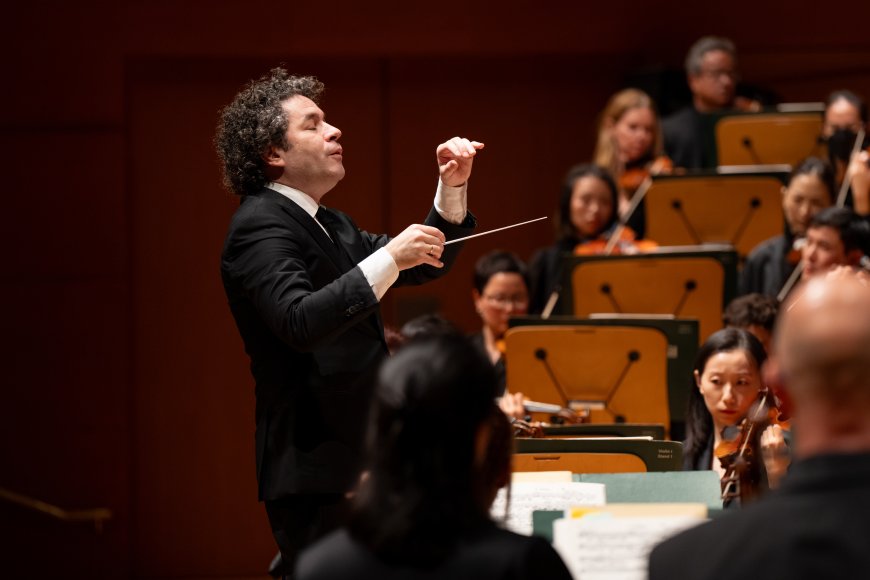
Conducting this massive and complex tone poem without a score, Dudamel led a dramatic and well-paced journey through the hero’s trials to ultimate fulfillment. The string section excelled, with a rich, deep sound. The latest visiting concertmaster, Marc Rovetti, assistant concertmaster of the Philadelphia Orchestra, played his many solo passages with a clean, clear tone, perhaps lacking in body and projection.
A successful account of Ein Heldenleben depends on the enlarged woodwind and brass sections (eight horns, three trombones, two tubas, and five trumpets, three of them offstage). The LA Phil musicians rose brilliantly to the occasion. Principal oboist Ryan Roberts, principal bassoonist Whitney Crockett, and principal flutist Denis Bouriakov bickered nastily in the second section, “The Hero’s Adversaries,” and the brass reached both sublime heights and cavernous depths for the “Hero’s Fulfillment” at the close.