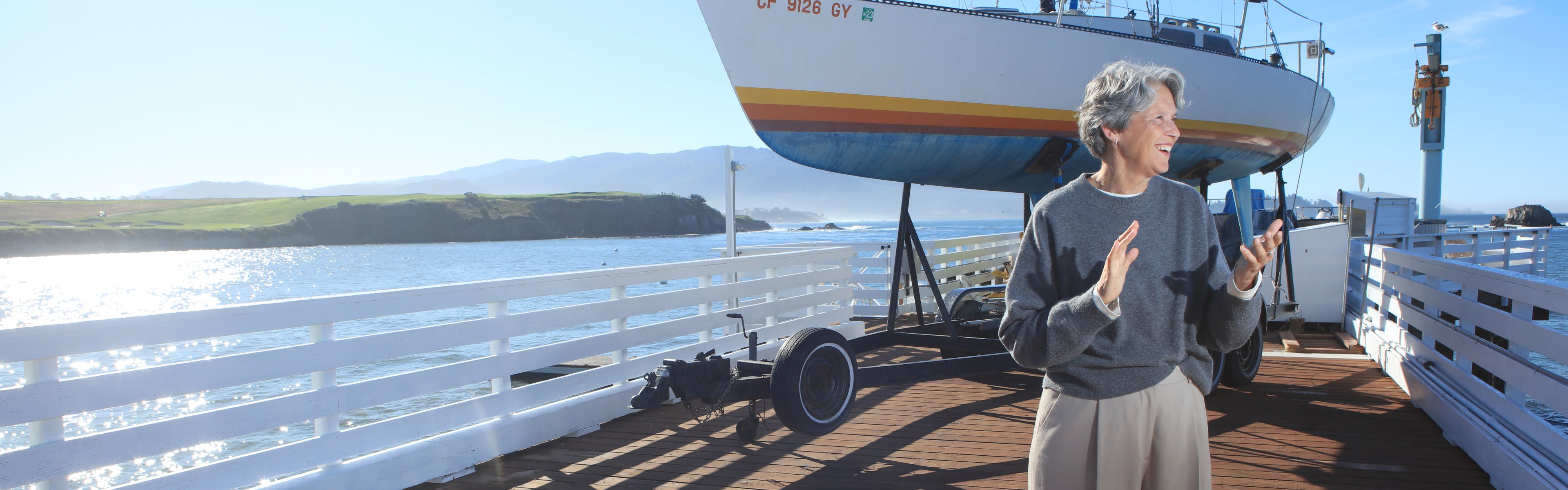
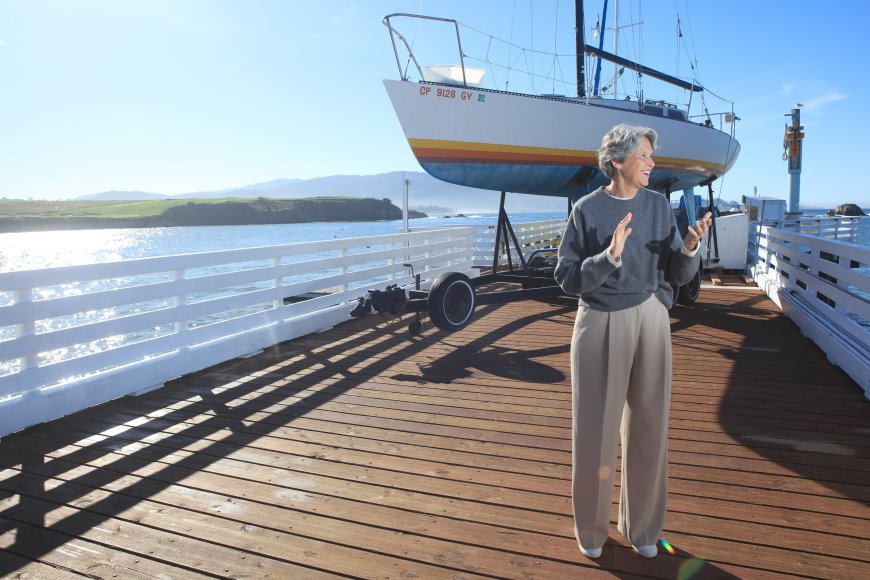
“Come with open ears!” says Grete Pedersen, extending an invitation to the annual Carmel Bach Festival.
Pedersen, artistic director and principal conductor of the Festival, which runs from July 11-25 in Carmel-by-the-Sea, created an intriguing program on the theme “the nature of sound” by placing historical masterpieces in conversation with contemporary works.
Pedersen picked the theme because she professes “a love for sound itself, not just for music.” She revels in the universe of textures and speeds that can be found in the sounds “all around us and in us.”
The word “nature,” of course, has a double meaning. Composers from antiquity to today have been inspired by the earth’s noises. The Festival’s featured composer this year, Angélica Negrón, brings a piece that includes field recordings from birds and waves in Puerto Rico.
The Carmel Bach Festival, now in its 89th Season, is one of the oldest music festivals in the United States. While Bach features heavily in each season’s repertoire, this year’s program is by no means restrained to the Baroque era.
Pedersen, in her fourth year as the program’s artistic director, says she is proud to carry forward the legacy of the two women who founded the Festival, Dene Denny and Hazel Watrous. “They were really in love with the history and at the same time they were also in love with the contemporary music,” Pedersen said.
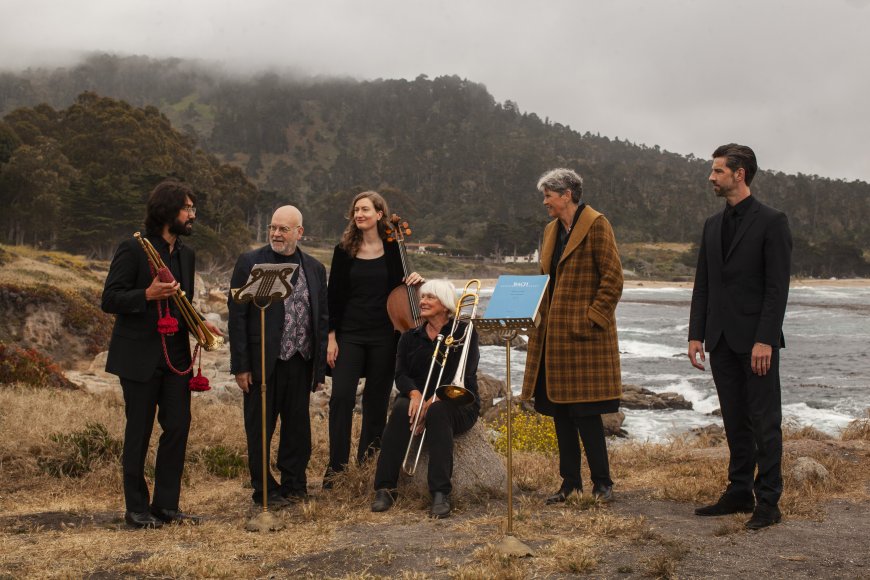
Music doesn’t split neatly into “old” and “new” for Pedersen. She approaches even the best-known masterpieces as if she were conducting a premiere performance. On July 17 and 24, she will conduct Beethoven’s 6th Symphony, one of the best known pieces of classical orchestra music in existence. “If this was the first time the piece was played, how would it be?” she asks herself. “How does it resonate with us now, on the day of the concert?”
On opening night, the program starts with selections from Franz Joseph Haydn’s The Seasons, from Spring and Summer. Then the orchestra will play Muohta — Language of Snow, a piece by Norwegian composer Nils Henrik Asheim that Pedersen commissioned. Then the program will conclude with Autumn, because Fall is the season of thanksgiving. Pedersen said the Festival wants to send the audience into a post-concert party in the mood to celebrate the Festival’s opening.
Pedersen hails from Norway, where she spent 35 years directing the award-winning Norwegian Soloists’ Choir. After concluding her tenure with the choir in 2025, she became principal conductor of the Yale Schola Cantorum, and also a professor of conducting. In September 2022, she was appointed as Artistic Director of the Carmel Bach Festival for five years.
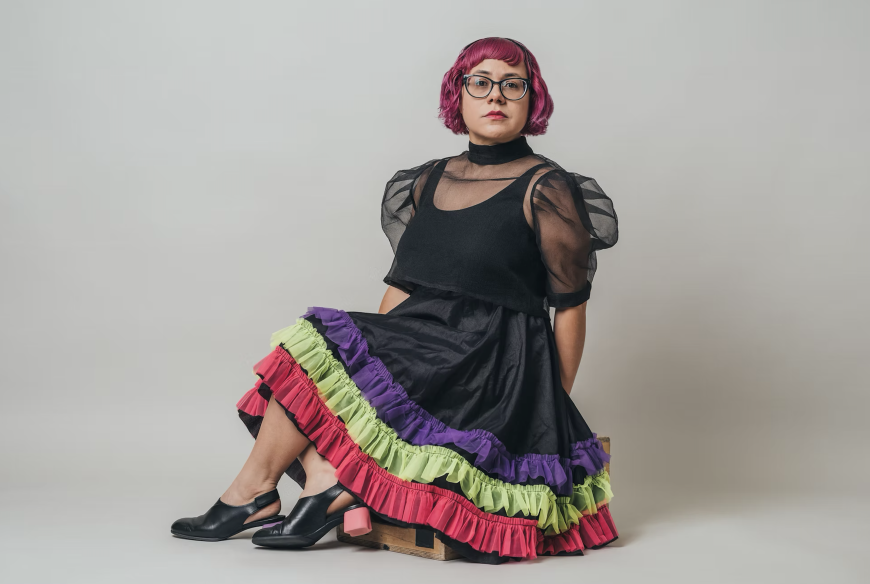
She’s always been eager to elevate new composers. This year, Puerto Rican composer Angélica Negrón is the Festival’s featured artist. Negrón is known for combining classical and electronic music, unusual instruments, and “found sounds.” In keeping with this year’s theme, “the nature of sound,” her piece Marejada will feature field recordings from beaches in Puerto Rico. Negrón has invited the audience to bring sound makers to the concert to participate in part of the piece (“Not a vacuum cleaner,” Pedersen laughs. “I hope!”). Marejada will be performed on July 17 and 24, with this contemporary musical soundscape in conversation with Aaron Copland’s well-known expression of pioneer life in early America, Appalachian Spring.
Other intriguing programs include “Bach, Brazilian and Bluegrass” on July 16 and 23, which includes the world premiere of George Meyer’s Concertino for Two Mandolins, and “Counterpoint” on July 25, in which pianist Conrad Tao and dancer Caleb Teicher explore everything from the Aria from Bach’s Goldberg Variations to Schoenberg’s take on a Viennese Waltz. For fans of choral music, the Festival Chorale will present Frank Martin’s Mass for Double Choir on July 15 and 22, with movements interspersed by music inspired by Rainer Maria Rilke, who is often called “Nature’s Poet.” Audience members who prefer just the classics are not forgotten either; they may prefer the July 13 and 20 program of Antonio Vivaldi’s Four Seasons paired with George Frideric Handel’s Water Music.
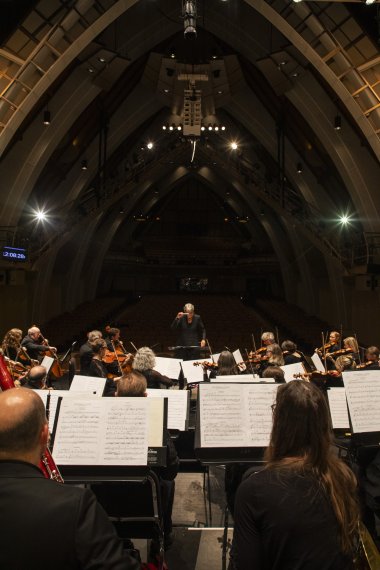
Another way Pedersen melds modern and contemporary is with a “hybrid” orchestra that mixes historic and modern instruments. For example, some string musicians will play with gut-stringed instruments, even for contemporary pieces like Copland’s Appalachian Spring. Gut-stringed instruments are more sensitive to changes in temperature and humidity, requiring more frequent tuning. “They’re more fragile,” Pedersen acknowledges, “But there’s something in it I just love. You can’t hide. There’s less makeup, but you can hear the beauty.”
Pedersen admits to having an unusual distraction this year while preparing for the Festival. As a former professional soccer player in Norway, she can’t help but pay attention to the World Cup, and laments, jokingly, that she’ll be on stage during the event’s final.
At age 21, she recalls, she had to decide between a life as an athlete or as a musician. It wasn’t a hard choice for her. “One of the reasons I chose music was because it’s not about winning or being the best,” she said. “You don’t need to win the match when you’re doing a concert. You need to just open yourself to the music and to the audience and really hope it can resonate with people.”
She never regretted her decision to leave soccer. “Even if I loved sports, arts and music is deeper and wider and more spiritual,” she said.
At 65 years old, and after decades of professional musicianship, “I feel like I’m learning so much. Each week there’s new things I can see. It’s never-ending learning.”