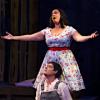
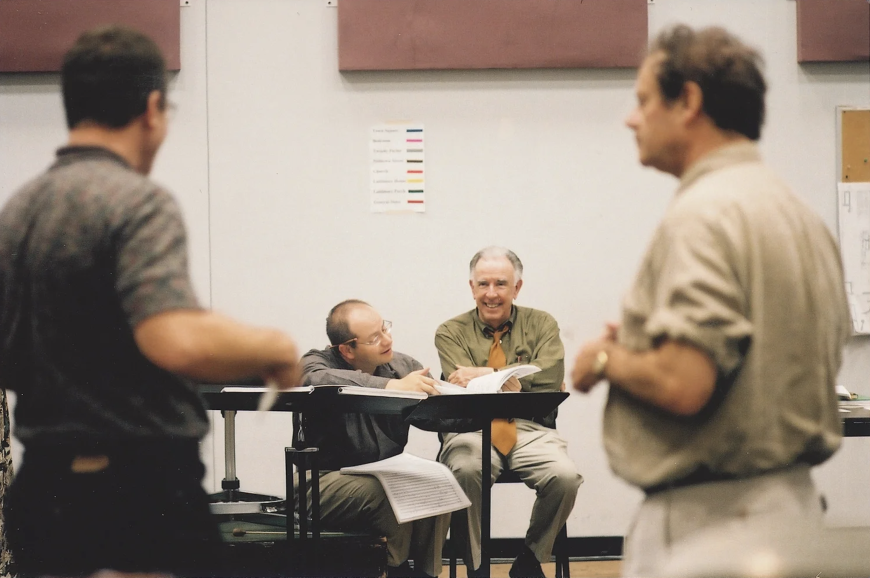
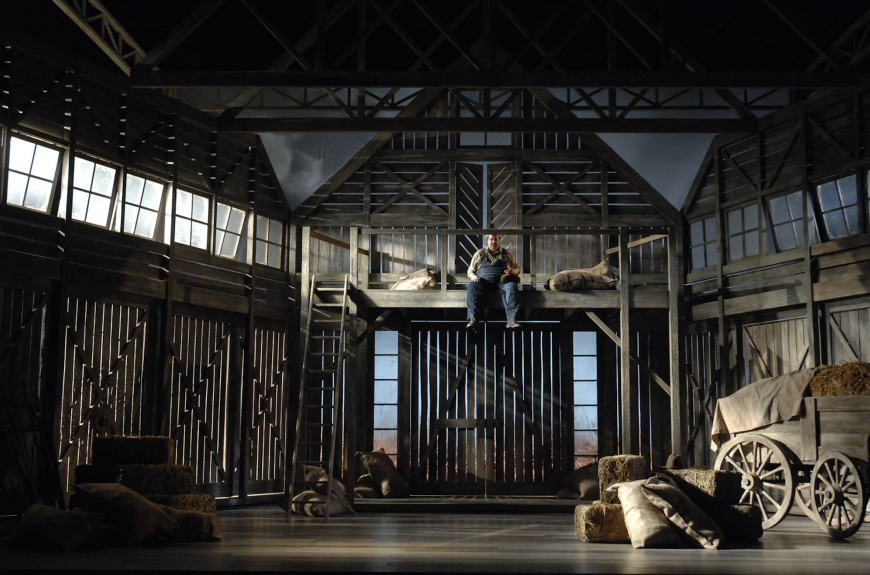
After a performance of Carlisle Floyd’s Of Mice and Men in Phoenix, Arizona, a woman approached the composer. "Mr. Floyd," she said, "this is really real."
Floyd said he was "amused, and also enormously complimented." It’s just what he intended for the opera.
Floyd, who passed away in 2021 at age 95, was a preeminent composer-librettist. Though many consider him to be the “Father of American Opera,” his excellence is recognized across opera at-large.
In 2004, he received the National Medal of Arts for "giving American opera its national voice.” Floyd earned the honor by writing earnest, insistently lyrical music to illuminate stories and shadows from his homeland in the Deep South.
This year marks the centennial of Floyd's birth. The anniversary will be celebrated internationally with over 50 performances, including 30 opera productions, and community and educational initiatives. On June 20, the celebration arrives in New York with a concert at Carnegie Hall.
Ask anyone who knew Floyd about him, and the same words come up: kind, calm, and funny.
“He was a live wire,” said composer Jake Heggie, a close friend and mentee of Floyd’s. According to Heggie, Floyd was the kind of person with whom you could exchange knowing glances across a room. "He had a real fire and spirit of curiosity inside."
Floyd grew up in rural South Carolina. The son of a traveling Methodist preacher, he moved between numerous small towns, absorbing the Depression-era Southern social fabric: square dances, front porch gossip, prayer services, and pervasive intolerance.
He told The New York Times, “The thing that horrified me already as a child about revival meetings was mass coercion, people being forced to conform to something against their will without even knowing what they were being asked to confess or receive.” Floyd’s skepticism of religion and the persecution of outsiders would imprint all his art.
From a young age, Floyd was creative in all directions. He painted and drew, and wrote fiction that would later become libretti. When it came time for college, these paths all seemed viable. Music narrowly won by way of a scholarship to study piano.
While teaching piano at Florida State University, Floyd found the form that melded his gifts: opera. Floyd began composing, and infused his music with the sounds of his upbringing: fiddlers and folk tunes, hymns and hoedowns, and long vocal lines that served his passion for storytelling.
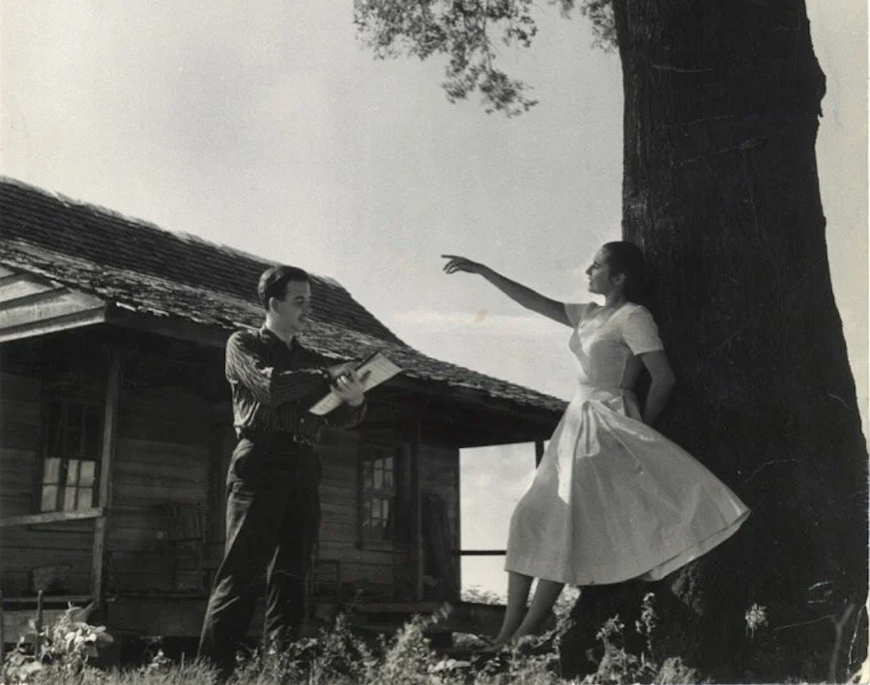
Again and again, Floyd’s stories returned to the Southern landscape and to a central theme: the individual against society. “Every character he wrote about was always one person against social norms,” says Christopher James Ray, Executive Director of The Carlisle Floyd Centennial and a former assistant and student of Floyd's.
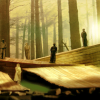
His third opera, Susannah, is the most visible example of this ethos. Drawing on the Apocryphal tale of Susannah and the Elders, Floyd planted it in rural Tennessee and unflinchingly stripped away its redemptive ending. A young woman spotted bathing in a creek is accused of promiscuity by church elders, and the traveling preacher sent to save her soul sexually assaults her. Her brother kills the preacher and the community rejects her.
Unusual for the time, Floyd insisted on Susannah’s defiance to the end. ''Opera had for so long been about pathetic heroines, heroines as victims, that not everyone was quite ready for a woman this strong,” he said.
Floyd’s philosophy was simple. “He always said, 'You need to write what you know,’” said Ray, a Mississippian who felt a Southern kinship with Floyd. “I don't think he knew anything better than that world, that sort of Southern, oppressive religious background, feeling ostracized.”
“The libretto, the drama is very direct… American, perhaps? People respond to that directness.”
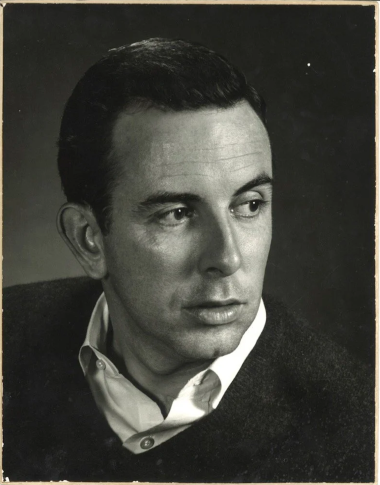
Floyd's directness drew from popular American forms — Broadway musicals, early TV — that prioritized storytelling and emotional immediacy. “[Floyd] noticed how musicals were capturing people's attention and bringing them in, and contemporary operas at that time were very angular and not drawing audiences in the way he wanted to,” Heggie said.
According to David Gockley, former general director of Houston Grand Opera and Floyd's longtime collaborator, "Carlisle's music was largely melodic and influenced by folk sources familiar to us all. It is ‘in our bones.’”
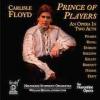
Susannah premiered at Florida State University in 1955. The following year, New York City Opera staged it, bringing Floyd national recognition. Three years later, Susannah was chosen to represent American music at the 1958 Brussels World's Fair. It went on to become one of the most performed American operas, along with his Of Mice and Men.
Floyd’s music coursed throughout the country and abroad, yet critical tastemakers in America snubbed it. Espousing the intellectual modernism of Elliott Carter and Milton Babbitt, they dismissed the style and content of his works for their local color. Susannah didn't reach the Met until 1999, 44 years after its premiere — the production received a condescending critical response.
But the composer had a wit about it. When Heggie's opera Dead Man Walking premiered in 2000 and received an unfavorable review in The New York Times, Floyd called him the next morning. "I just read your review," Floyd told Heggie. "Welcome to the club."
“[Floyd] was giving me strength, and that’s a club I’m proud to belong to!" Like Susannah, Dead Man Walking went on to become one of the most performed American operas.
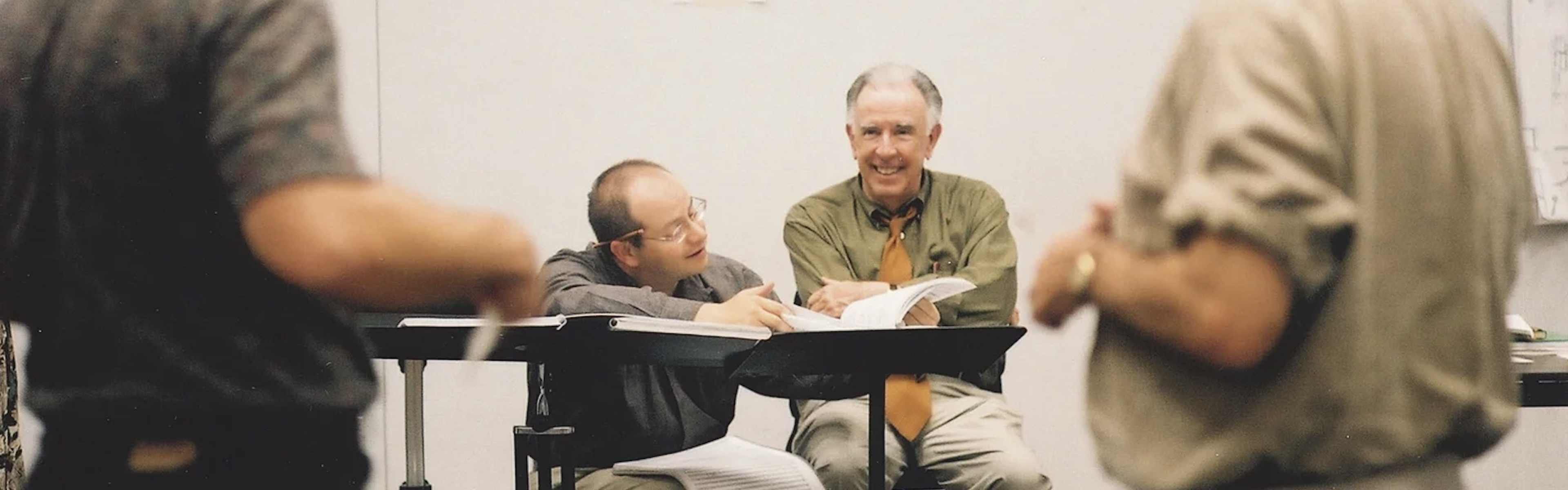
As he was to many young artists, Floyd was a formative mentor to Heggie. The two met for the first time while Heggie was writing Dead Man Walking, and Floyd asked to see Heggie’s work immediately. “He gave me the courage to tell stories in the way that I wanted… He was with me every step of the way.”
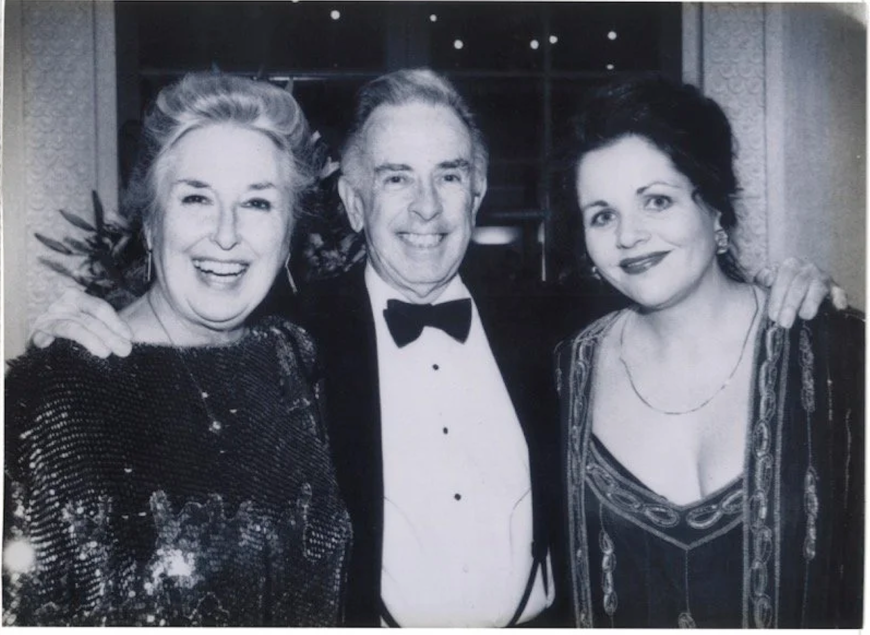
Floyd spent 30 years at Florida State University, then another 20 at the University of Houston. Together with David Gockley, he founded the Houston Opera Studio (now the Houston Grand Opera Butler Studio), a career development program for emerging opera singers. Its distinguished alumni appear on major stages worldwide; two of them, baritones Ryan McKinny and Reginald Smith Jr., will perform at the Carnegie Hall concert.
Ray is set to conduct the June 20 centennial celebration in New York. The concert features mezzo-soprano Susan Graham and soprano Gabriella Reyes, as well as choirs from Florida State University and the University of Houston. Highlights of the program include Floyd’s best-known and lesser-known works.
“We wanted it to be a little sampler of all the things you're missing out on,” Ray said. “[The opera] Willie Stark is an incredible piece, and the fact that it's been sitting on the shelf for 30 years is a crime against opera.” Already, people are writing to request scores and recordings.
Heggie, who will host the concert, considers his participation an enormous honor. “I'll be there to celebrate Carlisle, and stay out of the way, and let the music speak for itself.”
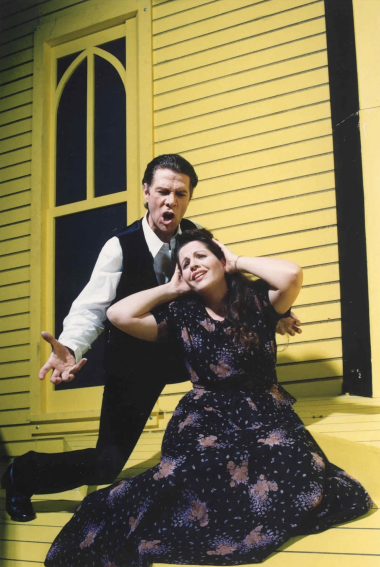
The centennial celebration continues well into 2027, with productions of Floyd’s works at Lyric Opera of Chicago, Houston Grand Opera, San Diego Opera, and many more.
Across America, while larger organizations struggle, opera is flourishing at smaller opera companies — the world Floyd helped to build. Heggie described this moment as an occasion for “a new appreciation for this American genius who has inspired so many people.
“The ripple effect of that genius is kind of unknowable.”