Reviews in this article:
Salzburg Festival 2026 on Radio and TV
Last December, I started planning what turned out to be an absurdly long trip to Europe for the summer of 2026, five weeks to attend four music festivals. The Festival d’Aix-en-Provence was an extraordinary experience. Then, after a couple of sweltering weeks, I headed to Munich for 10 days. Almost as soon as I arrived, I went on an overnight trip to Austria’s Bregenz Festival, two hours away by train. The festival has a famous outdoor performance space, the Seebühne (lake stage), which floats on Lake Constance and can seat 7,000 people. This year’s Seebühne production was Verdi’s La Traviata, but that’s not why I visited.
The Excursions of Mr. Brouček
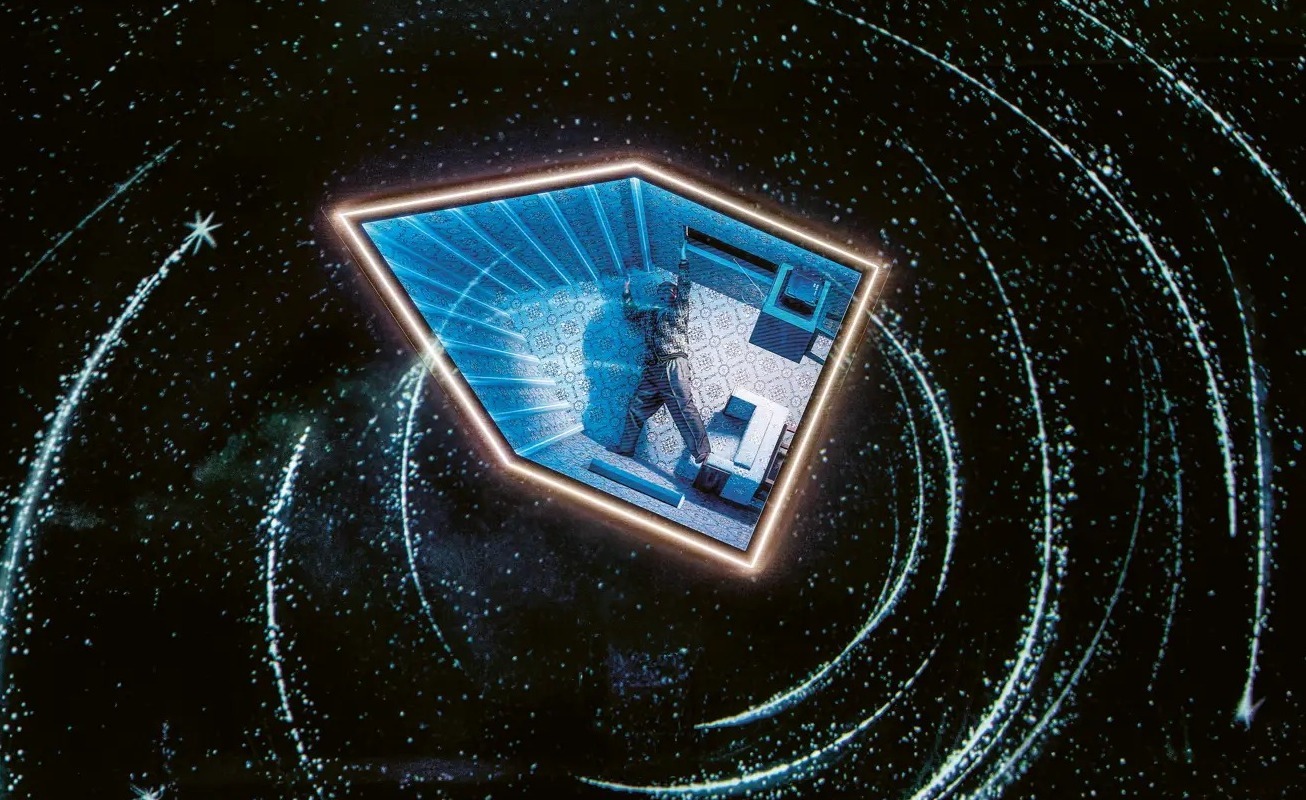
I was there for a production of Leoš Janáček’s The Excursions of Mr. Brouček to the Moon and to the 15th Century, a work that seems to have been staged just a couple of times in the United States, most recently at the Spoleto Festival U.S.A. in 1996.
What I saw and heard was thrilling. The opera has everything that makes Janáček’s operas so distinctive, from the sharp rhythms and conversational setting of Czech to his marvelous orchestration to a libretto rooted in the Moravian and Czech culture of the early 20th century.
Janáček based Brouček on a pair of novels by Svatopluk Čech. Mr. Brouček is a querulous Prague landlord who drinks too much and fights with everyone around him. He travels to the moon, where — forgive your weary reporter — various things happen, and to the 15th century, where he finds himself among various figures from Czech history. These include Jan Žižka, a military leader in the Hussite Wars. Coherent the libretto is not, though it has its charms.
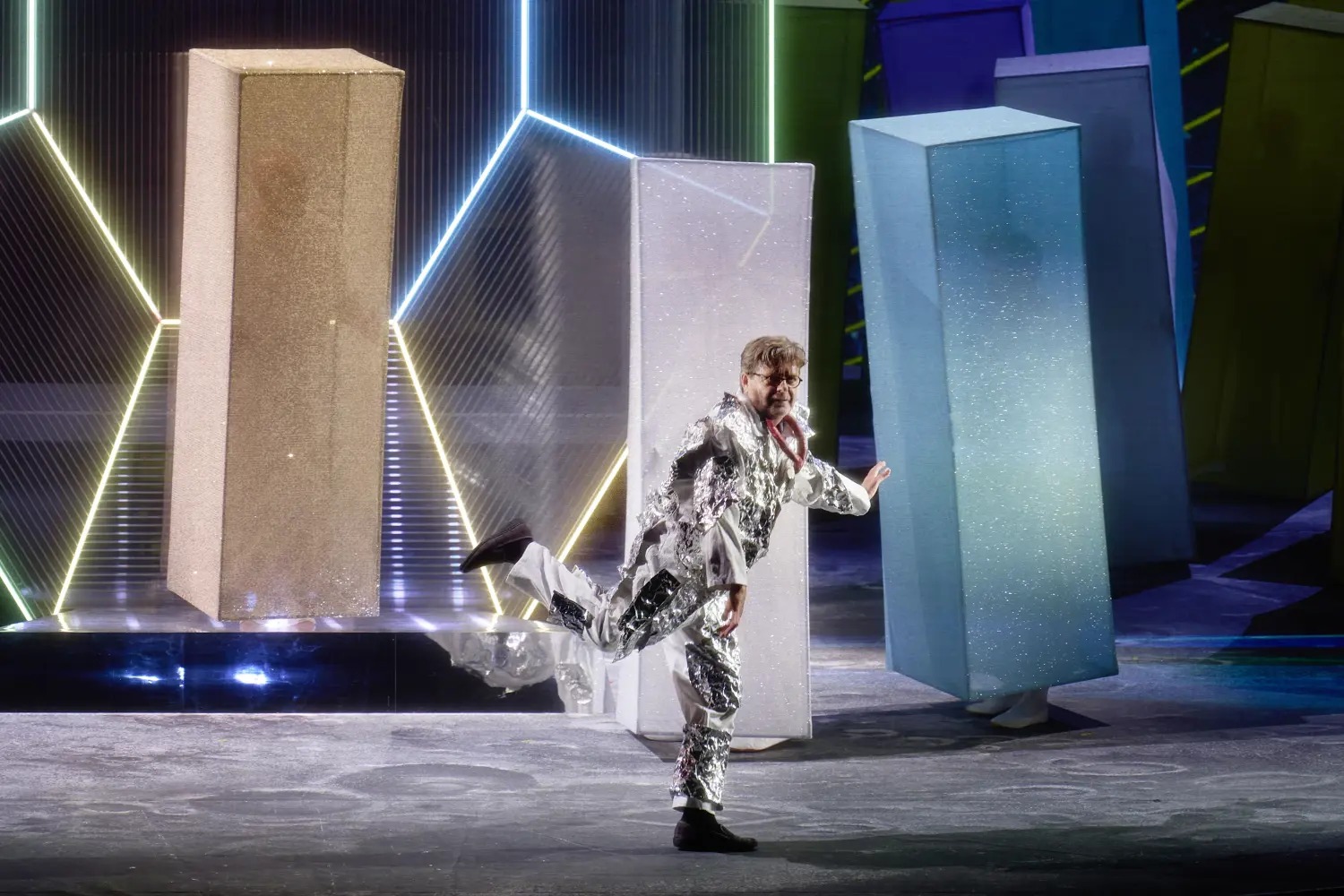
Yuval Sharon’s production moved the contemporary parts of the opera from the 1880s, when the novels are set, to something more contemporary. The title character watches TV while drinking in his home. The set for modern-day Prague (by Jon Bausors who also designed the costumes) was drawn like a cartoon, and Brouček’s house somehow had the ability to turn upside down and fly. (Well, how else would he get to the moon?) The Moon-dwellers appear as geometric shapes in bright colors.
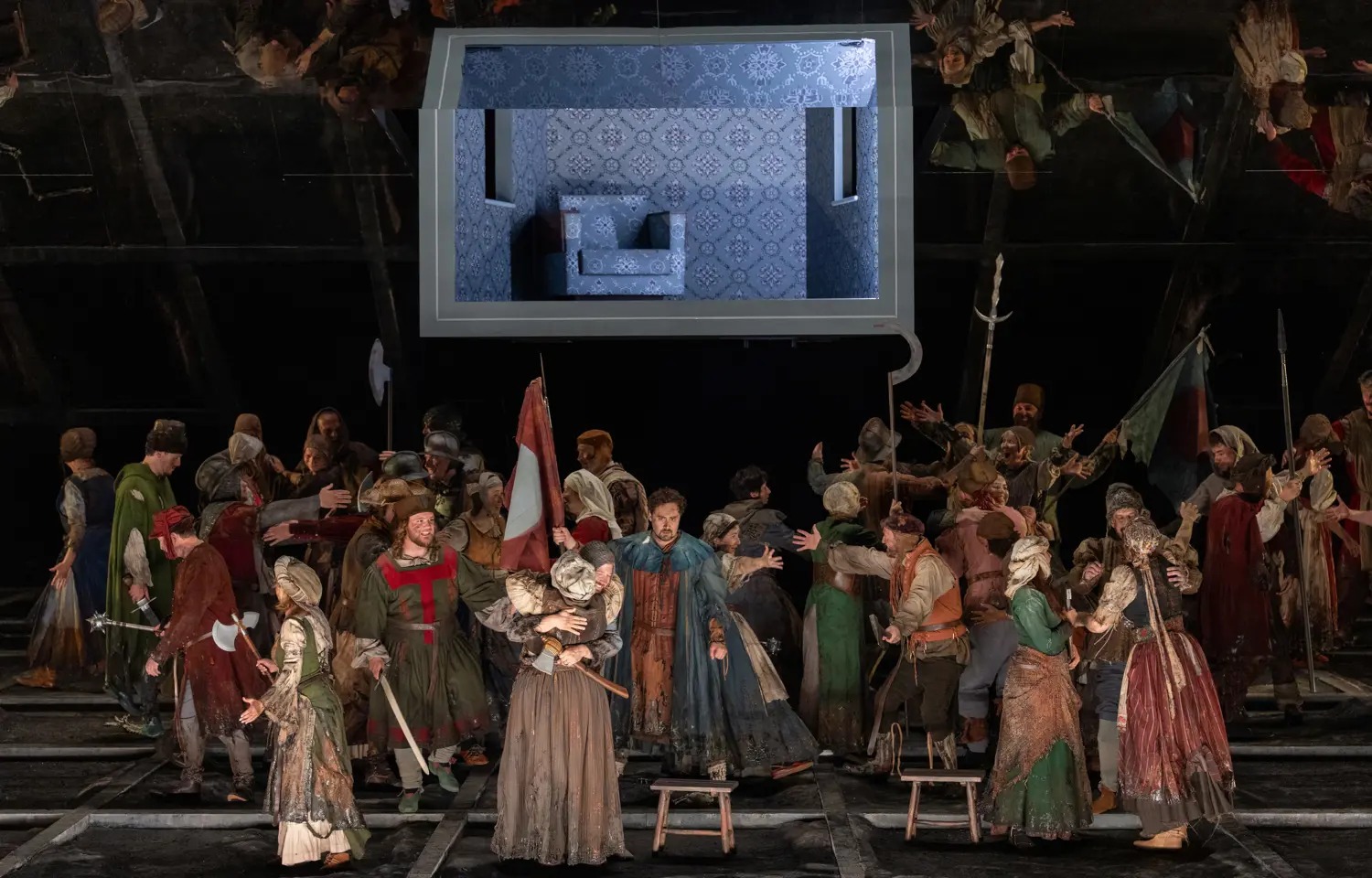
For the 15th-century. scenes, the setting was essentially an archeological dig, with a grid of wooden planks and dirt between them. It was not much fun to look at, and the costumes blended in more than is ideal.
The heroes of the evening were the British tenor Peter Hoare as Brouček, singing tirelessly and sensitively, and conductor Robert Jindra, who got colorful and idiomatic playing from the Vienna Symphony (not the more famous Vienna Philharmonic). All of the singers were excellent, and most doubled or even tripled roles.
Back to Munich, I saw Martin Kušej‘s production of Antonin Dvořák‘s Rusalka and the Russian director Dmitri Tcherniakov’s staging of Carl Maria von Weber’s Der Freischütz. These performances were a late addition to my schedule; you can read my reviews of Rusalka and Der Freischütz at Parterre Box. Then it was on to Salzburg. | Return to top
Carmen, July 30
Some operas are so often performed that a production has to be superior to make us truly pay attention.
Georges Bizet’s Carmen is one of these, and the production I saw in Salzburg on July 30 was extraordinary in every way. Directed and choreographed by Gabriela Carrizo of Peeping Tom, a dance theater company, conducted by Teodor Currentzis, and starring soprano Asmik Grigorian and tenor Jonathan Tetelman, this Carmen’s unorthodox approach made the opera an overwhelming experience.
Currentzis’s conducting, for one thing, was unlike anything I’ve heard before with this Romantic staple: crisp, clear, and utterly unsentimental, with more propulsion and less lingering. Certainly it helped that he was leading the Utopia Orchestra, which he founded and directs, and its associated Utopia Choir. (The Bachchor Salzburg and Salzburger Festspiel und Theater Kinderchor also sang in these performances.)
From time to time, different members of the orchestra played while standing. I can’t say what this achieved, sonically or musically, though throughout the performance, owing to some combination of my location, the set design, and the acoustics of the Großes Festspielhaus (Great Festival House), the orchestra sounded more present than the singers.
The Großes Festspielhaus has a fairly deep and very wide stage, and Christof Hetzer’s set design took full advantage of that expanse. Instead of a city square or a mountain redoubt, the set consisted of wide, jagged protrusions rising in a semicircle from center stage to the wings, providing a flat surface at the center and lip of the stage and at the very rear. There were no vertical surfaces except the distant rear.
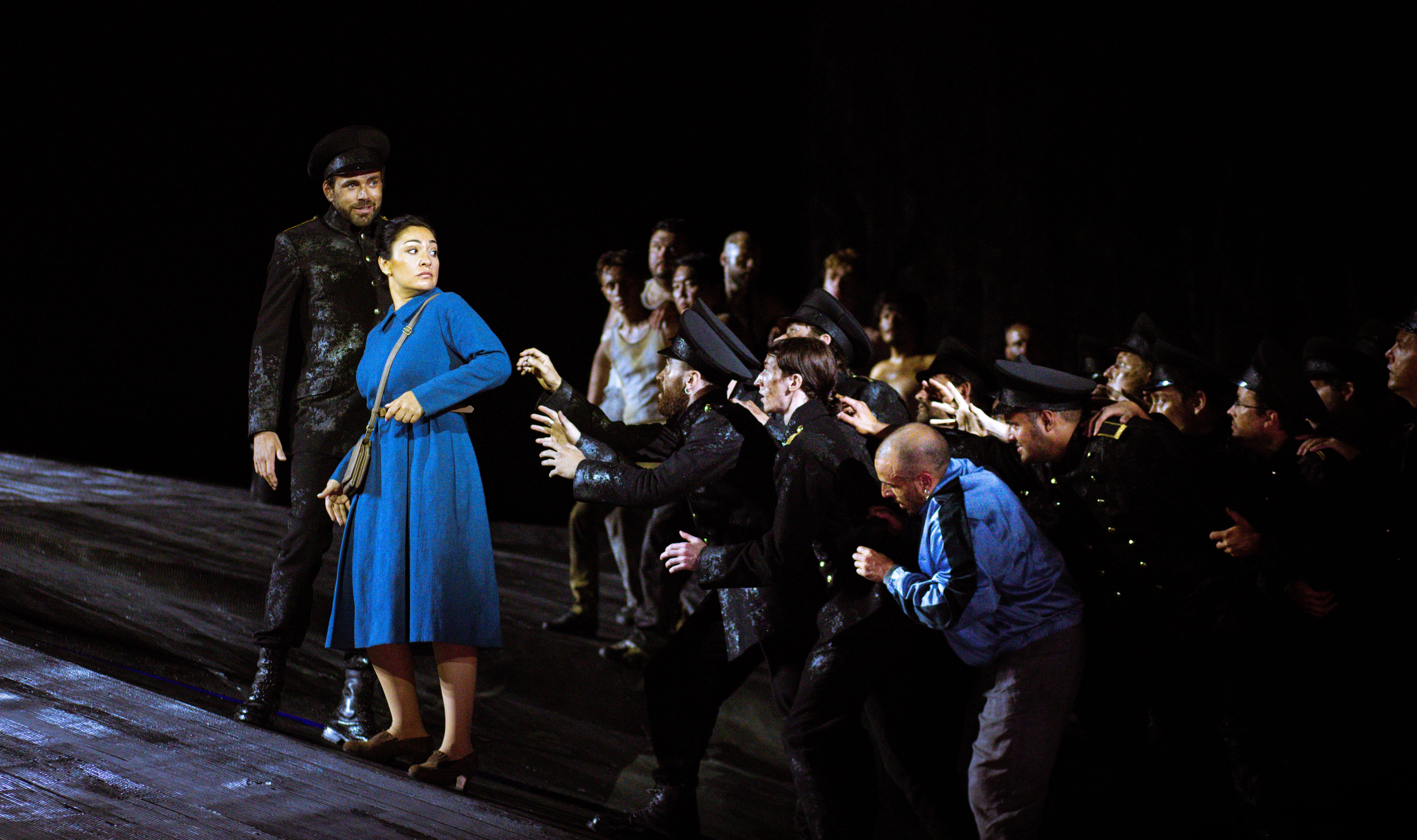
The murky lighting, by Tom Visser, gave no sense of the heat and sun of Spain. But the gloom, suggesting dark events taking place out of sight, fit in well with Carrizo’s conception of the opera, which emphasized the brutality of the society in which the action takes place, particularly its violence against women.
A modern-dress production, it opened with the soldiers severely beating a man, abuse that goes on throughout the first scene, and also physically harassing Kristina Mkhitaryan’s delicately sung Micäela. In the far background, a body is disposed of by rolling it over the edge of the set.
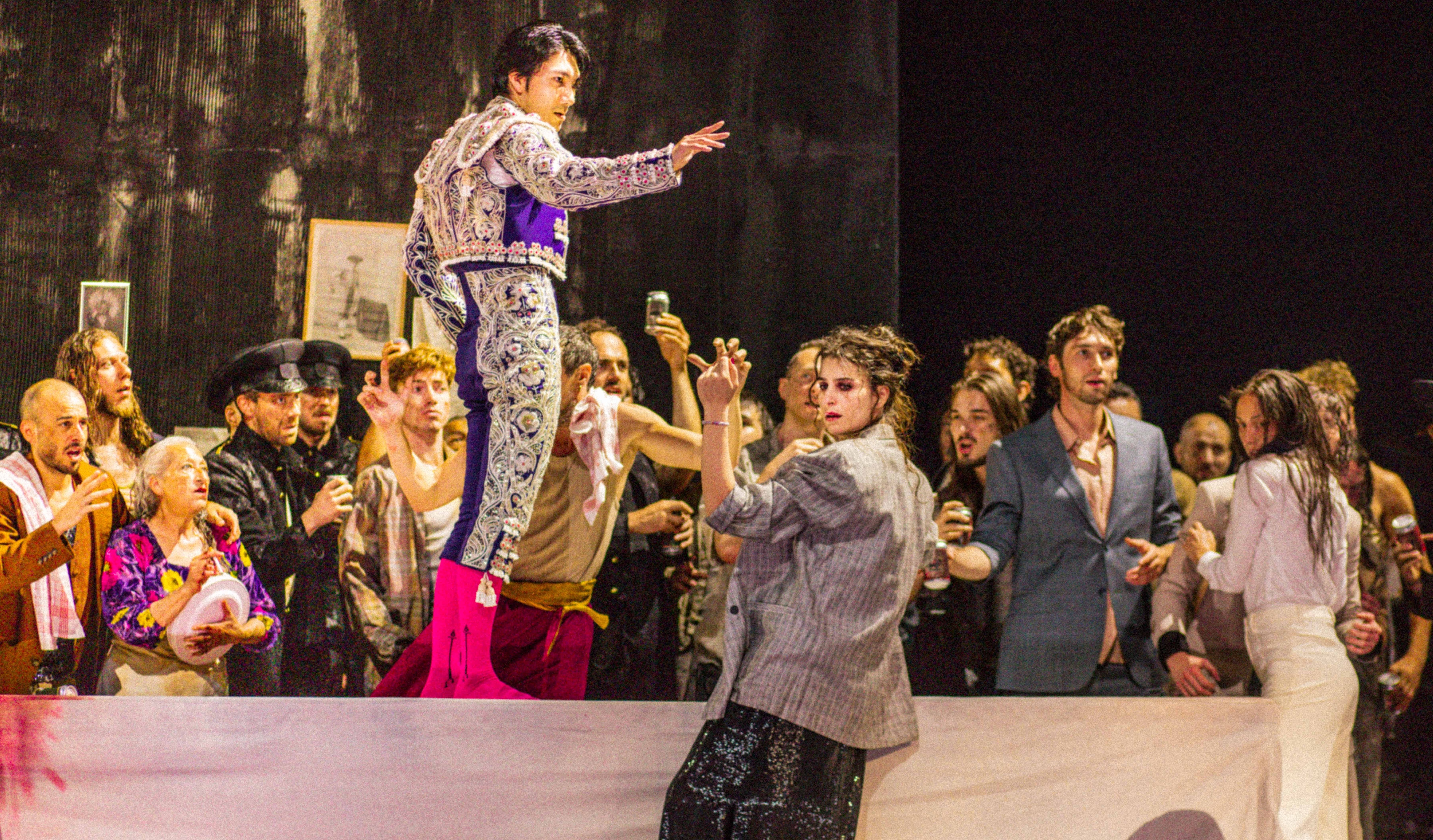
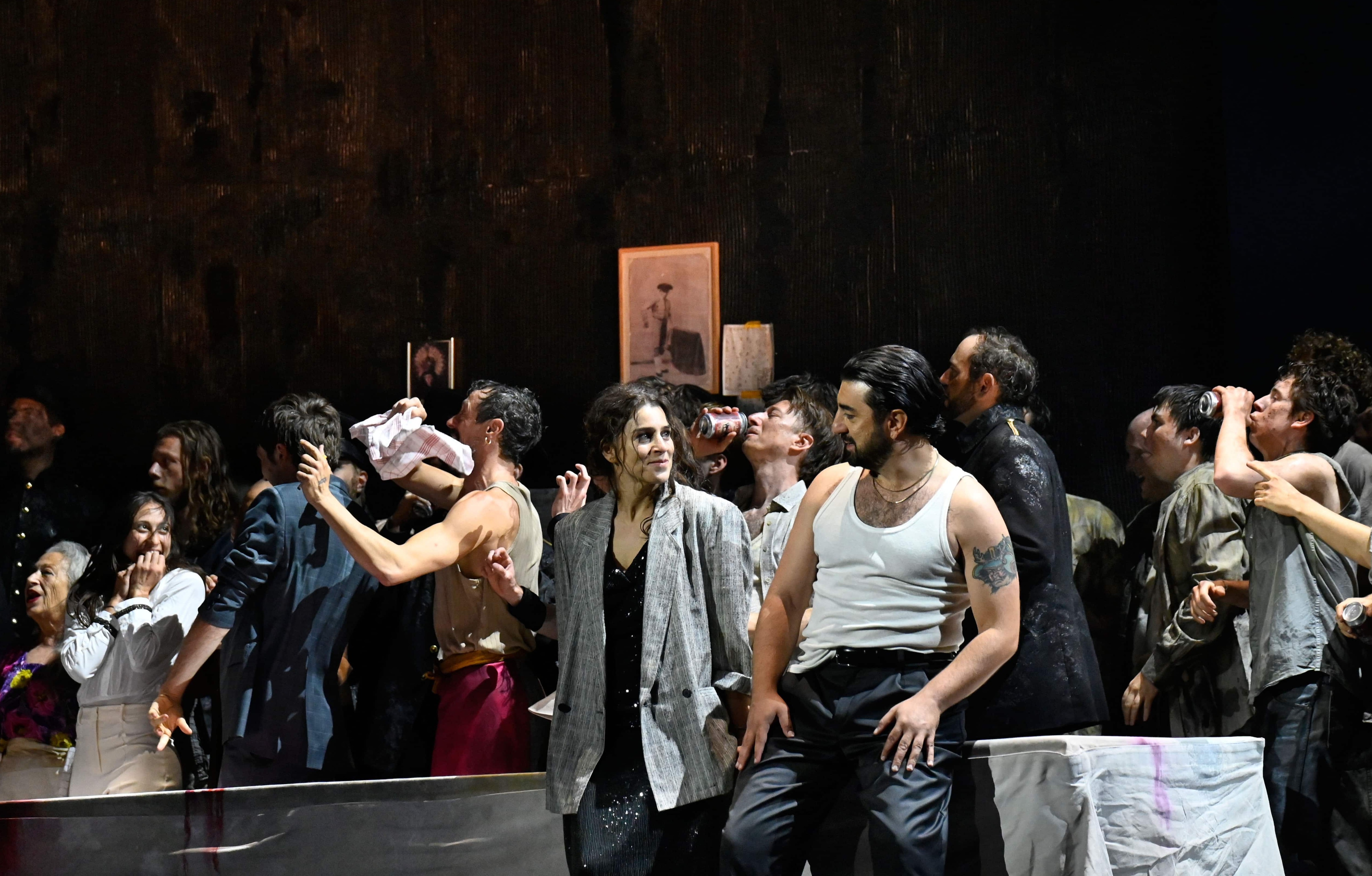
Carrizo incorporated numerous performers from Peeping Tom into the action, sometimes doubling characters (a toreador dressed for the bull ring doubling Davide Luciano’s plain-clothes Escamillo), sometimes dancing or otherwise performing action that isn’t in the libretto, such as what looked like a drowning in Act 3. The director also brings Don José’s unseen mother onstage.
The direction was enormously detailed, with so much action taking place in the production that wasn’t specific to the libretto. This was sometimes distracting — the abuse in Act 1 went on for a long time — but most of Carrizo’s interventions heightened the sense of terror lurking everywhere.
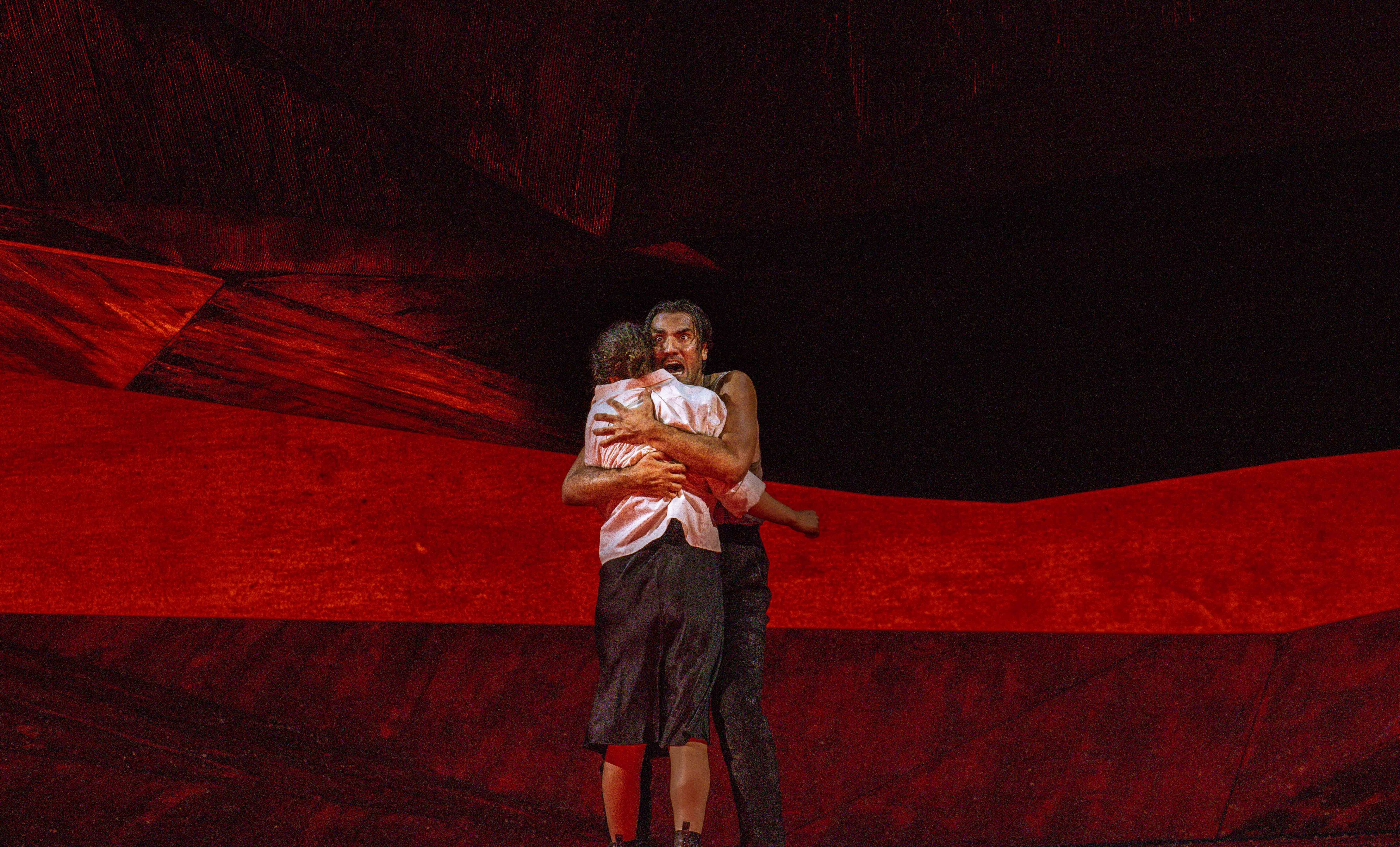
Tetelman’s unhinged portrayal of Don José fit perfectly with this conception. In too many productions, he’s a drip and a loser. Here, his obsession with Carmen and mental disintegration started in Act 1 and became more intense throughout the opera. It was mirrored by a deteriorating physical appearance. By the time he killed Carmen, he was a truly terrifying figure — a magnificent and completely persuasive portrayal that included glorious singing.
You could see why an obsessive man with emotional problems might be driven mad by Grigorian’s Carmen. Unusually, she was elusive, even introverted, with no signs of the usual hip-swinging flirt. Grigorian’s cool voice — a rare soprano Carmen — further distanced her character from the chaos and violence around her,
And you could certainly see why Carmen would prefer Escamillo to Don José. In Luciano’s beautifully sung portrayal, he’s a solid citizen, employed, mentally stable, and focused on killing only bulls. He was also considerably more charismatic than Don José. You’d want to run to this Escamillo, where you’d run away from Tetelman’s Don José.
All in all, this was the most provocative and memorable Carmen of my experience. | Return to top
Werther, Aug. 1
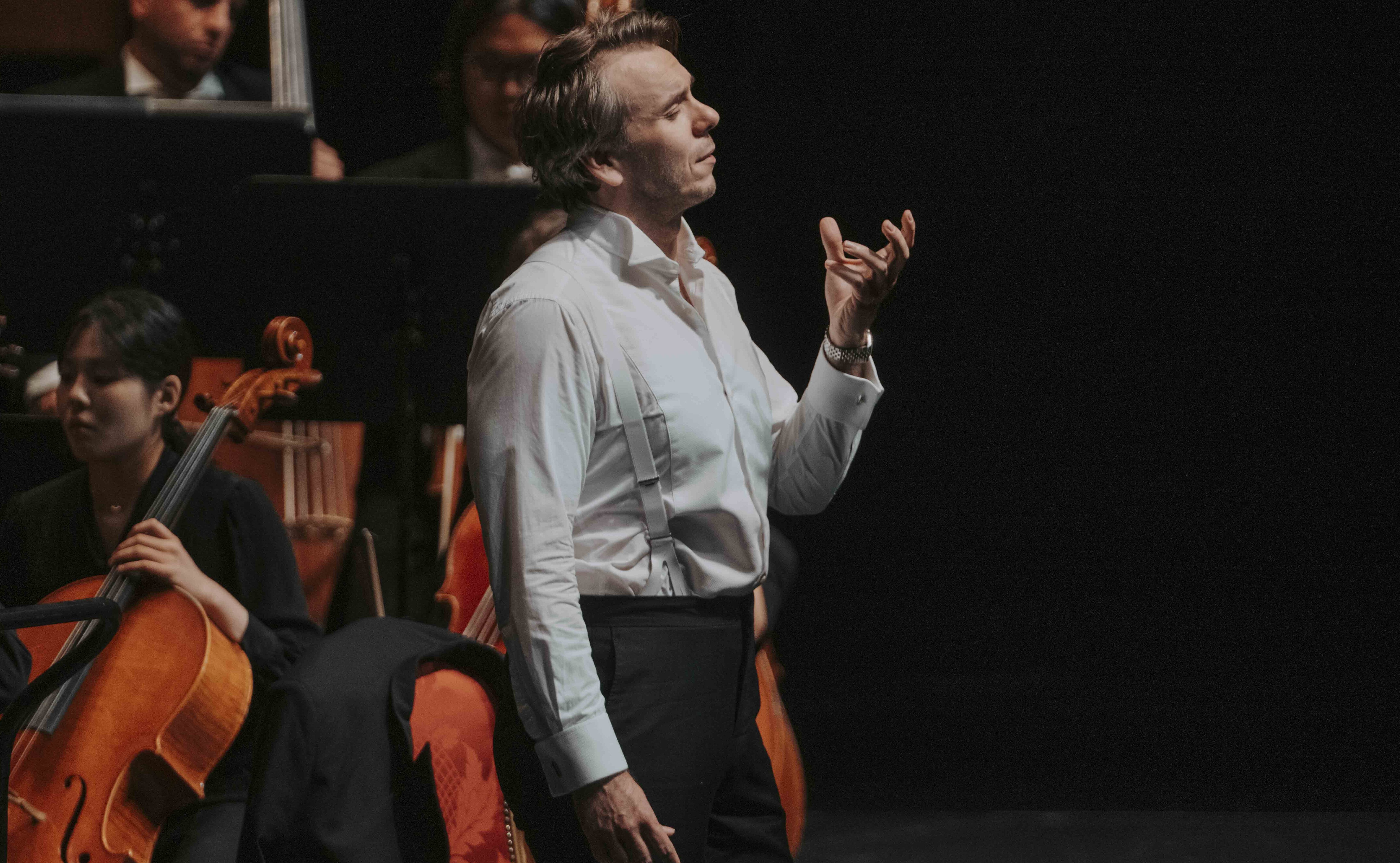
This year, Salzburg presented a pair of concert performances of Jules Massenet’s Werther. I saw the second, on August 1, and it was a winner, all around.
Alain Altinoglu, music director of La Monnaie / De Munt in Brussels, conducting that company’s orchestra, led a performance that was by turns delicate, yearning, and romantic, exactly right for the subject matter. He was ever attentive to the singers and as flexible as needed while always moving the performance forward. As well, with the orchestra on the Großes Festspielhaus stage and a wall behind the orchestra, there were never problems with hearing the singers.
Altinoglu had a superb cast for Werther, headed by Benjamin Bernheim in the title role. The French tenor captured Werther’s personality ideally, in a portrayal that was elegantly sensitive — tormented yet restrained. His high-set lyric tenor, breath control, and perfect French were integral to his interpretation of the role. It was no surprise when the audience demanded, and got, an encore of “Pourquoi me reveiller, o souffle du printemps?” (Why do you wake me, o breath of spring?)
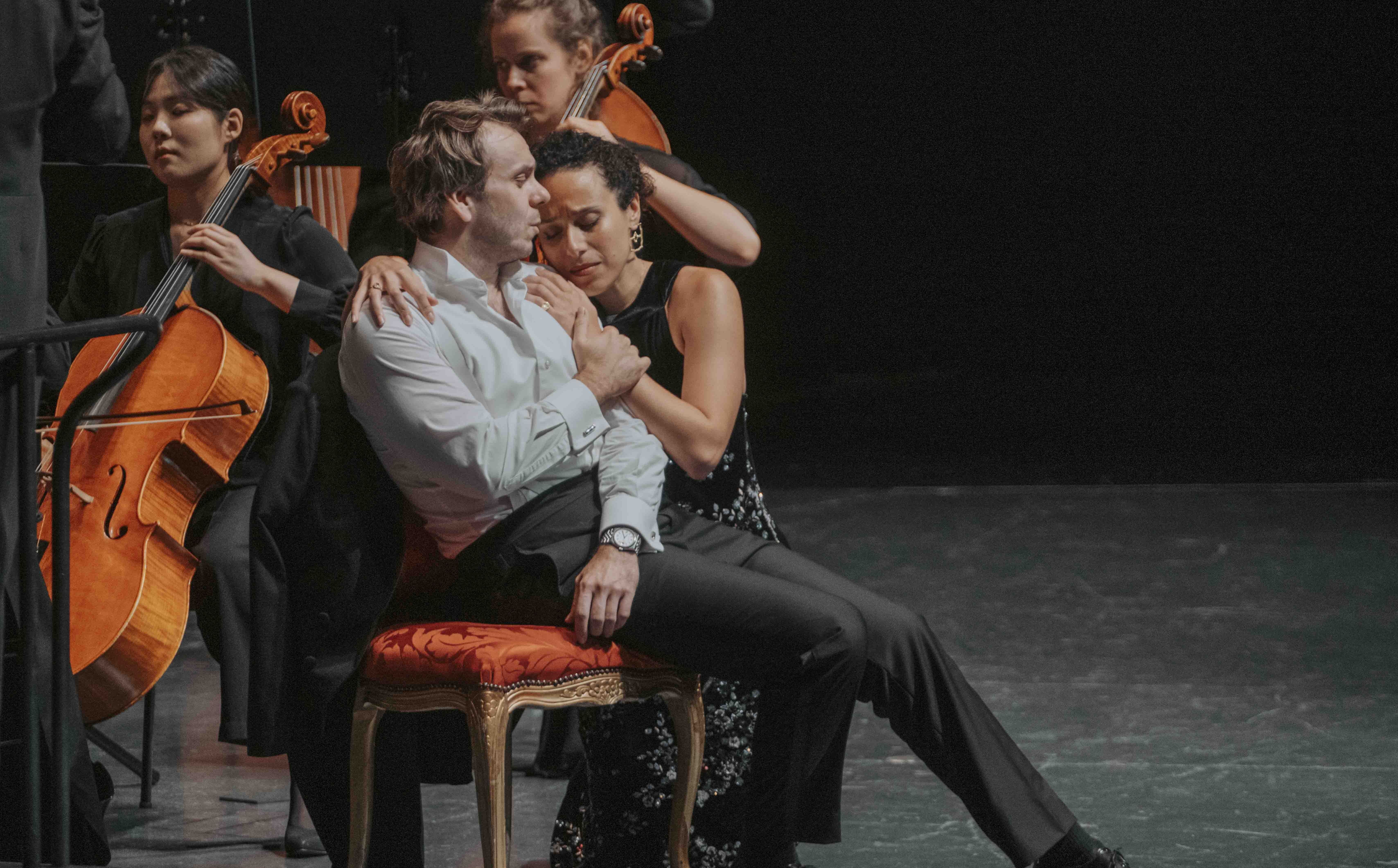
Mezzo-soprano Adèle Charvet was just right for Charlotte, the young woman who has raised her younger siblings after the early death of her mother, and who naively promised that she would marry Albert, whether or not she loved him. Charvet’s dark, vibrant sound is full of character and has plenty of carrying power as well. She was announced as not feeling well but was splendid in every way, vocally and dramatically. You could see her feelings for Werther growing and her pain over having married the wrong man.
Andrey Zhilikhovsky’s handsome baritone and personal attractiveness made him an appealing Albert, the kind of man a loving mother would want her eldest daughter to marry. Sandra Hamaoui’s bright soprano was an excellent foil to Charvet’s mezzo, and she was a charmer as Sophie, who futilely loves Werther.
Manuel Winckhler was a fine, paternal Bailiff, Charlotte and Sophie’s father. Tomislav Jukić (Schmidt) and Andrew Moore (Johann) were both excellent as the Bailiff’s friends. Members of the Salzburger Festspiel und Theater Kinderchor played the younger children delightfully.
While there were no sets, props, or special lighting — beyond a couple of chairs — and no director, the singers acted every scene with moving precision, bringing the opera to life just as much as a fully staged performance would have. | Return to top
Ariadne auf Naxos, Aug. 2
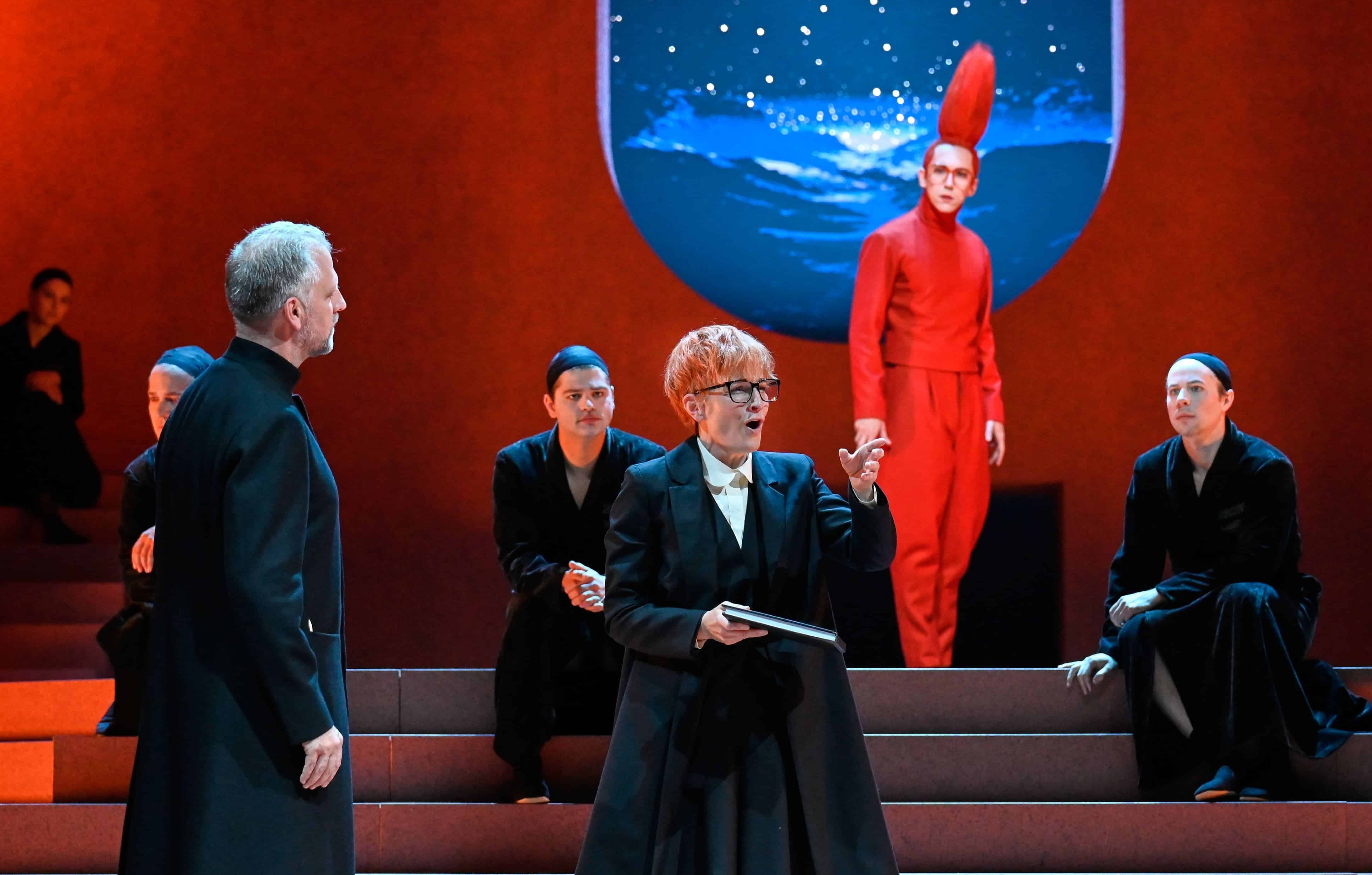
On August 2, at the premiere of Ersan Mondtag’s new production of Richard Strauss’s Ariadne auf Naxos at the Haus für Mozart, I witnessed a rarity: a certain amount of loud booing of the production team at the final curtain.
I doubt that it was because Mondtag set Ariadne not in Vienna, but on Mars. After all, the richest men on earth would like to colonize Mars and put data centers in space, and Mondtag’s physical production is a direct response to that.
The Prologue, which precedes what’s intended to be the Composer’s one-act Opera, followed Hugo von Hofmannsthal’s libretto closely. The Martian landscape, seen through a large window at the rear, allowed for an amusing show of spacecraft coming and going and all manner of other sci-fi effects. Mondtag’s production might well be labeled the Star Wars Ariadne.
The booing, though, was probably the result of the director’s wholesale rewrite of the plot of the Opera. Hofmannsthal’s Prologue sets up an absurd situation in which the tragic opera must be performed simultaneously with a comedy.
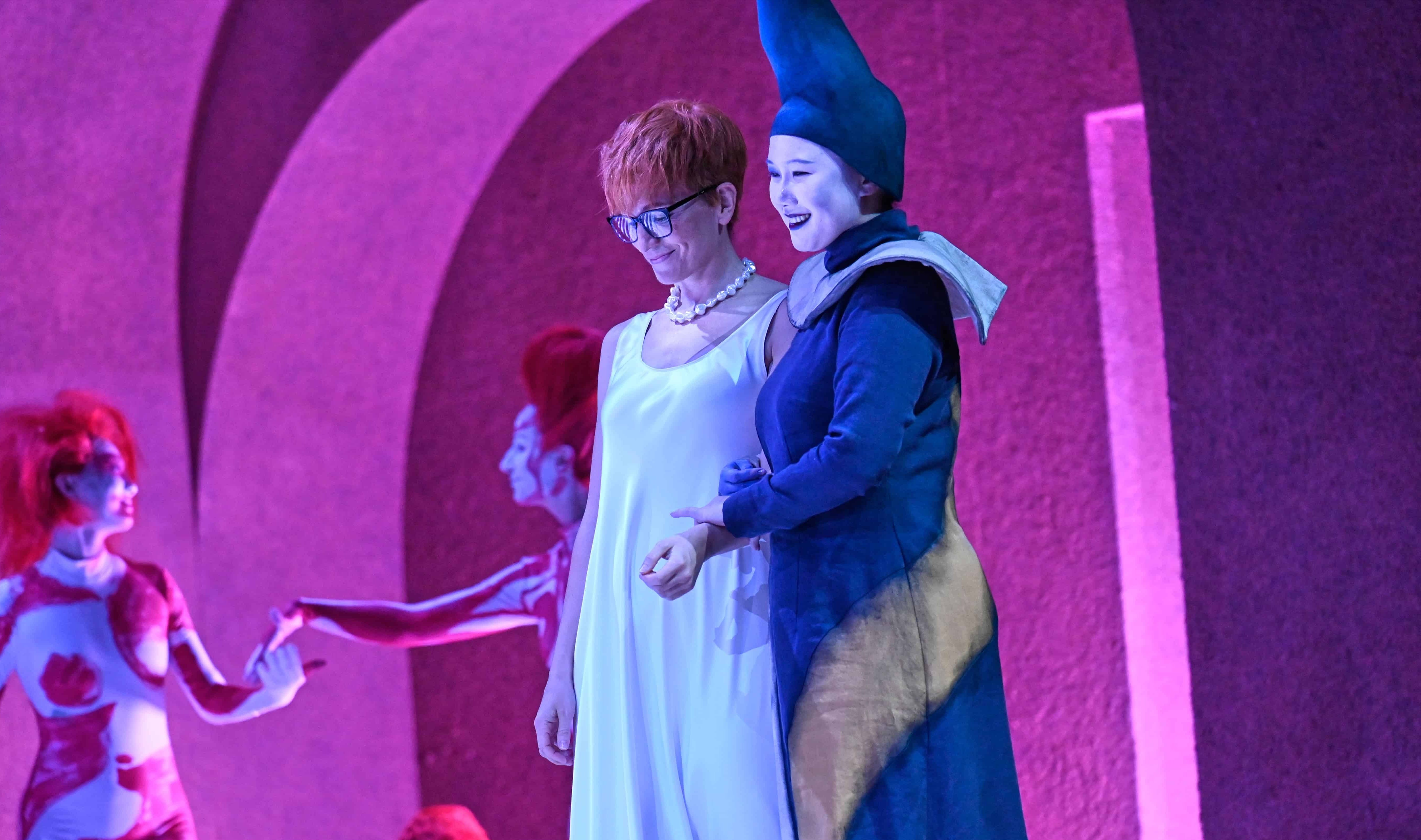
The two dramas begin to collide when Zerbinetta (Ziyi Dai), who runs the comedy troupe, tries to cheer up Ariadne (Christina Nilsson), the leading character of the Opera, who has been abandoned by her lover Theseus on the island of Naxos. Zerbinetta’s attitude is that another man will always come along, to briefly summarize the great coloratura showpiece “Großmächtige Prinzessin”(Mighty, powerful Princess).
Now, during the Prologue, there was some interaction between the Composer (mezzo-soprano Kate Lindsey) of the commissioned tragedy and Zerbinetta, and it’s clear that they are attracted to one another — but the Composer, a young man sung by a woman, then disappears and isn’t seen during the Opera.
In Mondtag’s conception, the Opera went topsy-turvy. The Composer, whom we know is upset by the combination of his tragedy with a comedy, snuck onstage repeatedly, trying to direct the action.
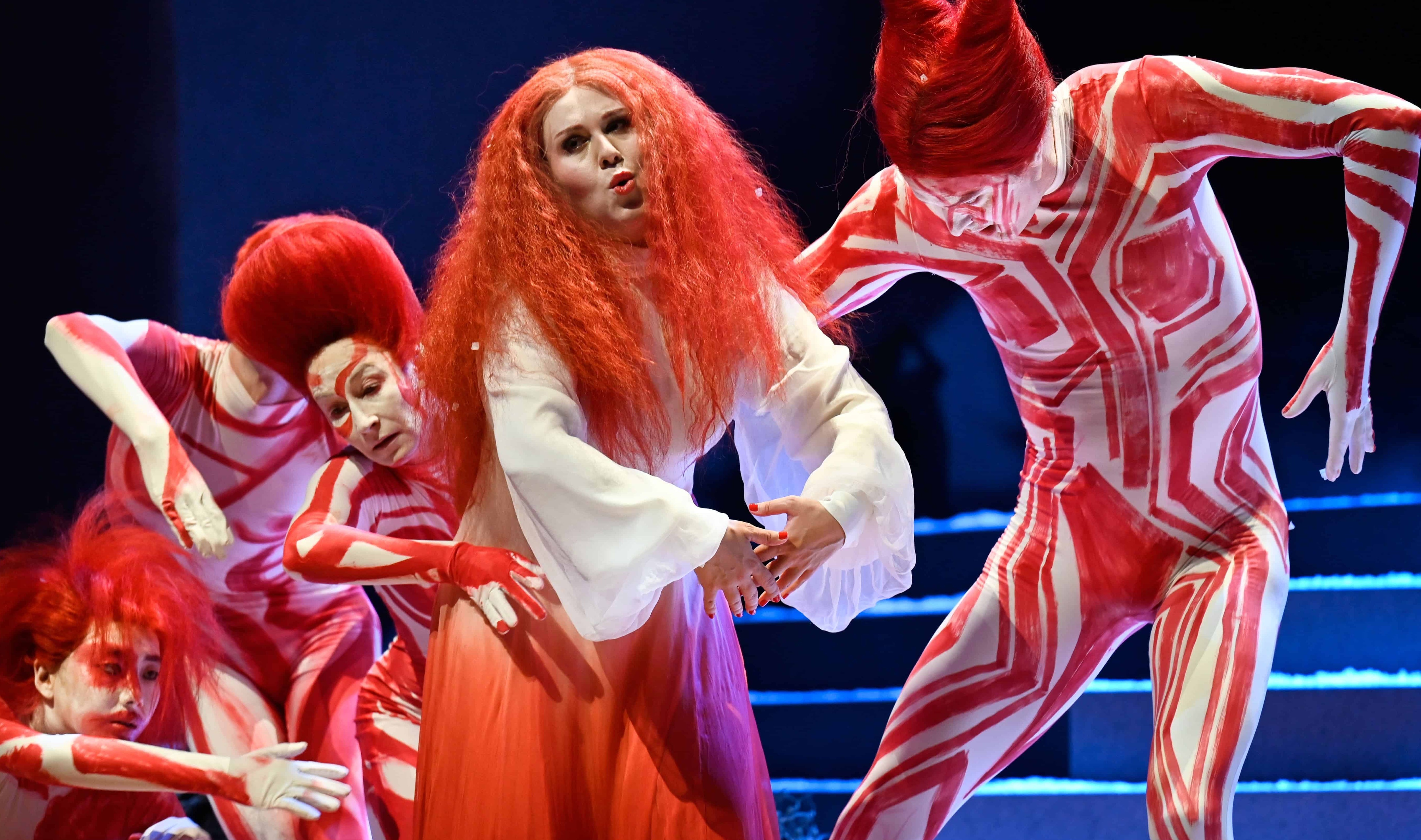
Sometime after her aria “Es gibt ein Reich” (There is a realm), Ariadne disappeared. The Composer came onstage and revealed a brassiere beneath his formal black jacket and white shirt. Zerbinetta sings “Großmächtige Prinzessin” to him rather than to Ariadne, and … the Composer transformed offstage into a woman in white dress.
Zerbinetta and the transformed Composer had a passionate encounter, while members of the comedy troupe simulated a variety of intimate acts onstage, with several dancers who were evidently intended to double Ariadne. So the Composer, a high-strung creative personality, was substituted for the tragic Ariadne, a figure from the classical world, severely disrupting Hofmannsthal’s narrative.
This departure from the libretto was certainly well-performed and smoothly staged. I enjoyed it in the moment, but in retrospect, as amused as I was to see an implicit, gender-bending, plotline made explicit, I can’t really buy this twist.
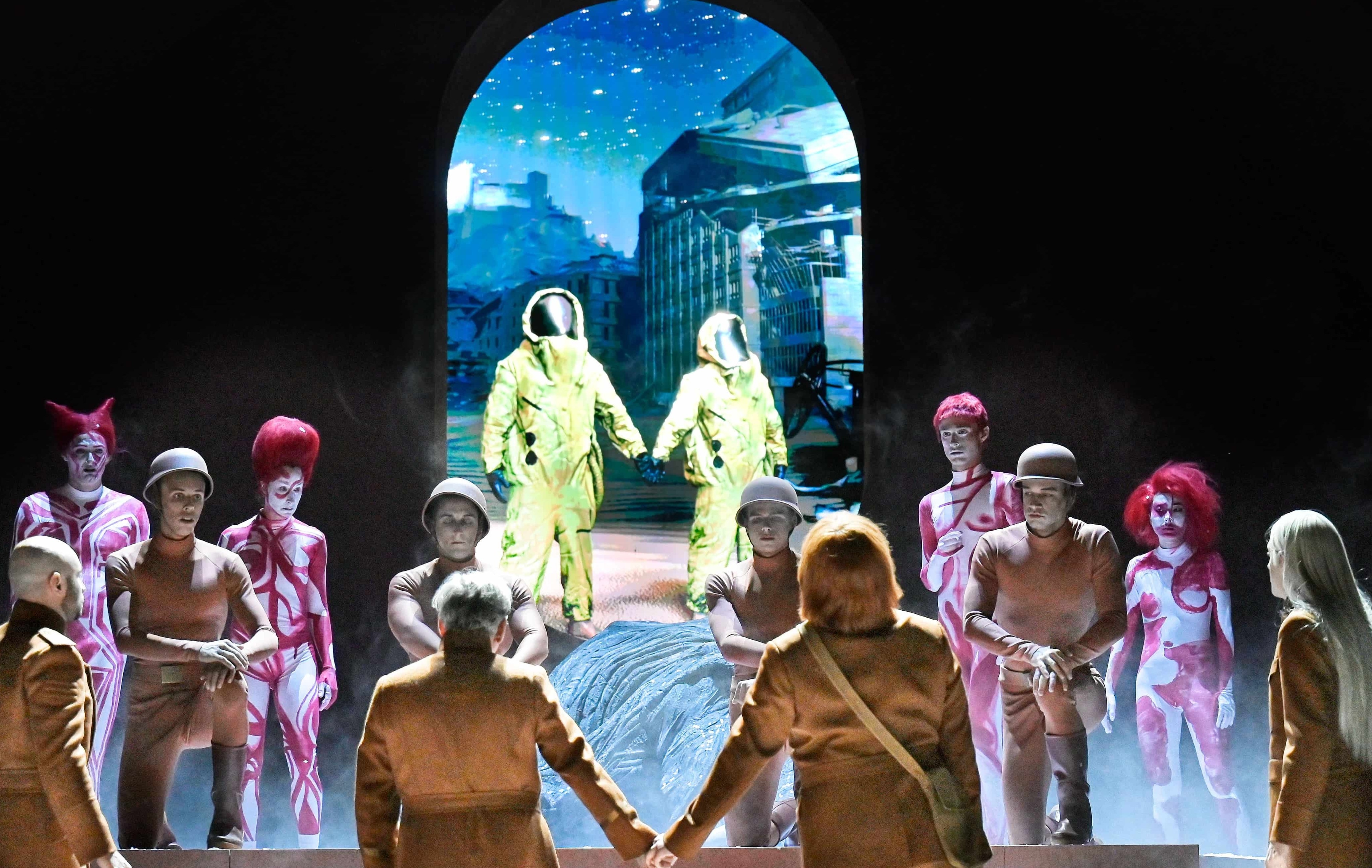
That’s because the resolution of the Opera, the appearance of Bacchus (tenor Eric Cutler) to rescue Ariadne, strongly depends on her misery and the contrast with Zerbinetta’s gaiety and blithe acceptance that there will always be more men. Ariadne’s doubles getting it on with Zerbinetta’s troupe members? Just say no.
All was well on the musical side of this Ariadne. Manfred Honeck led a ravishing performance, with a chamber orchestra drawn from the Vienna Philharmonic. Lindsey sounded a bit wiry-voiced as the Composer, while Nilsson was a brighter-toned Ariadne than you usually hear. Ziyi Dai’s Zerbinetta was brilliantly sung and pertly acted, Cutler (a former Adler Fellow) a strong-voiced Bacchus. The many supporting roles were all well sung. | Return to top
Saint François d’Assise, Aug. 4
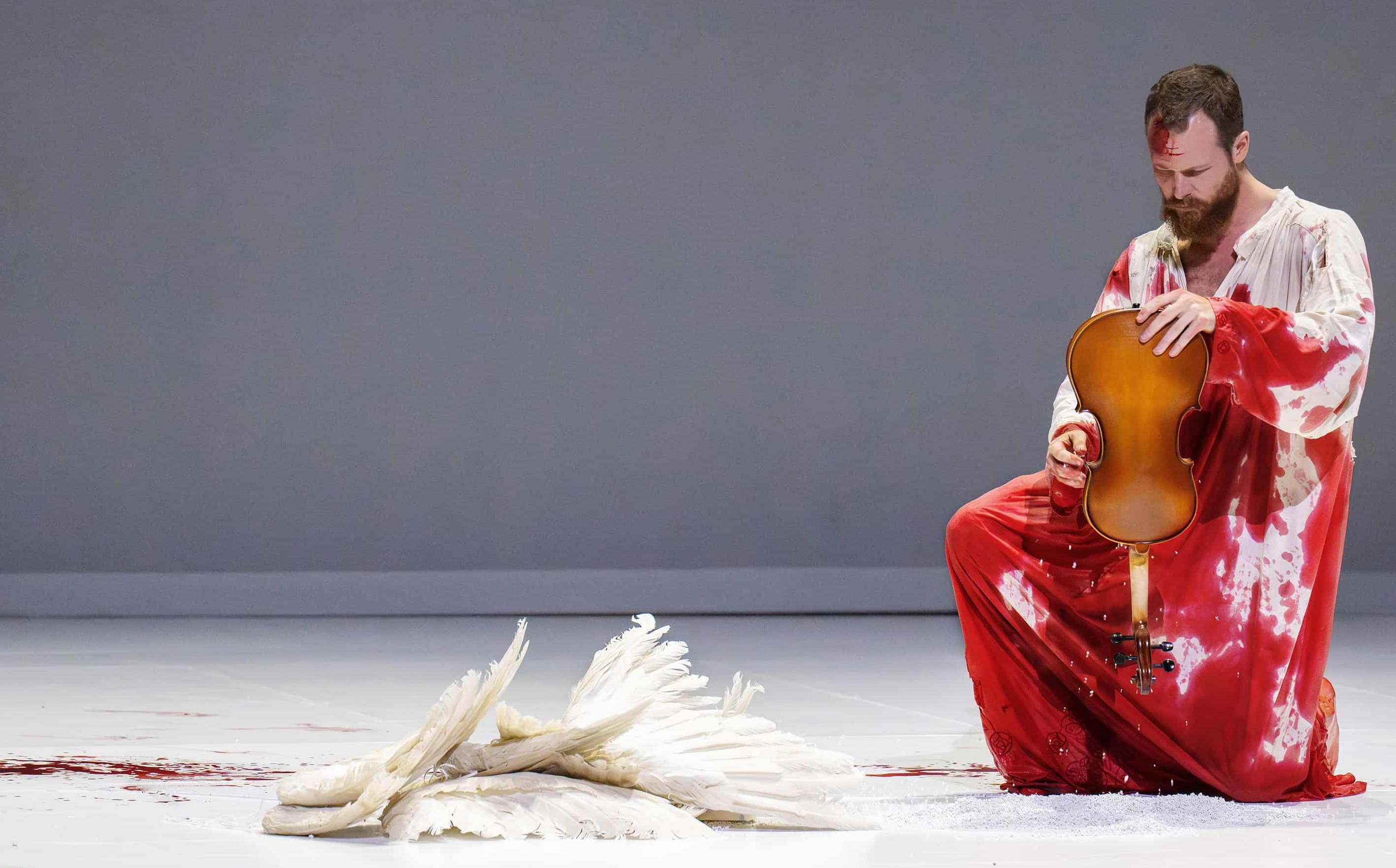
Olivier Messiaen’s Saint François d’Assise is, the opera that prompted by European journey. I saw this new production at its premiere, on August 4, at the Felsenreitschule, the former riding school that’s been a performance venue since 1926.
I saw the U.S. premiere of Saint François in 2002, at San Francisco Opera with Donald Runnicles conducting. As I said to a friend late that evening, “It makes Parsifal look like Die Fledermaus.” After seeing it again, and with a much greater understanding of Messiaen and his idiom, I’ll stick with that assessment, because the time scale of Saint François is like no other opera that I know.
Messiaen was not a natural opera composer — in composing Saint François, he was largely unconcerned with drama and operatic conventions — and this was his only effort in the form. He wrote his own libretto, drawing from Franciscan sources.
The composer infused the score with birdsong and his profound and mystical Catholic faith. Orchestral phrases based on birdsong are repeated throughout the opera.
Messiaen’s orchestra is immense and idiosyncratic; as in San Francisco, it didn’t fit in the pit, and much of the percussion and the three Ondes Martenot were placed on two platforms built into the walls of the theater. Unfortunately they could barely be heard in the Felsenreitschule.
The eight tableaux, spread across the opera’s three acts, follow Saint François’s spiritual growth after he became a Christian. Not much happens: a leper dances, an angel knocks at a door, François and his fellow monks travel.
It’s up to the director to make something stageworthy of this extremely static work, and Romeo Castellucci — director, and collaborator on the scenic, lighting, and costume designs— created an absorbing, suggestive production.
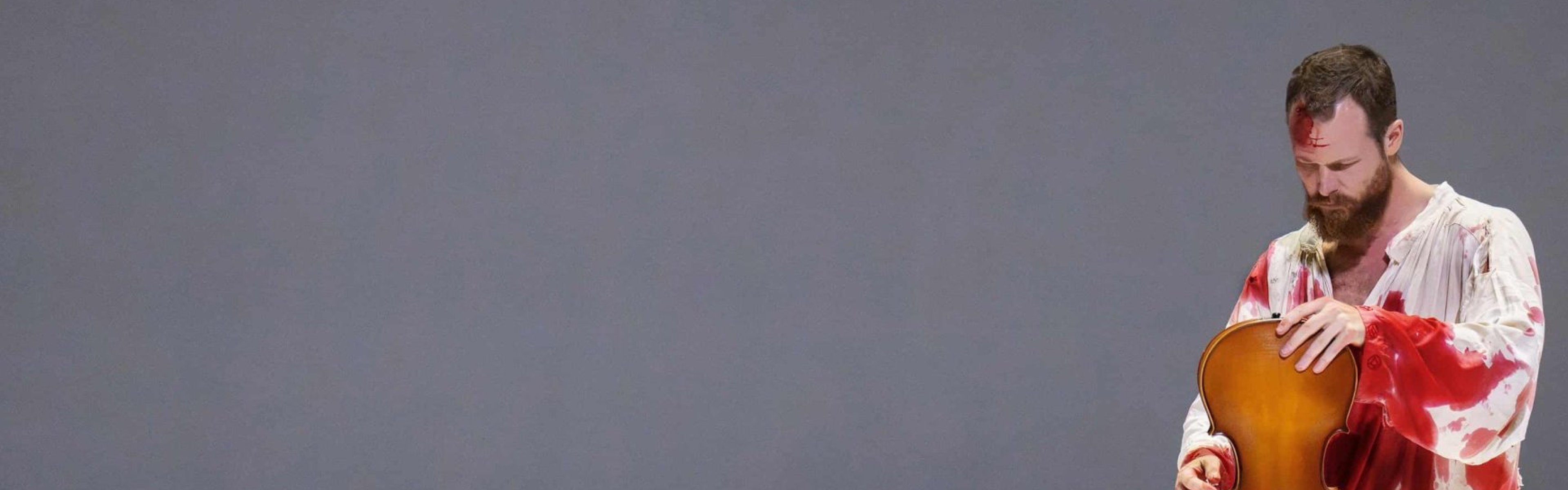
Castellucci’s François, heroically sung and acted by bass-baritone Philippe Sly, a former Adler Fellow, suffers, enduring physical as well as spiritual trials. At different points, he was covered with mud, or splashed with stage blood. In Act 3, dying, he dug his own grave.
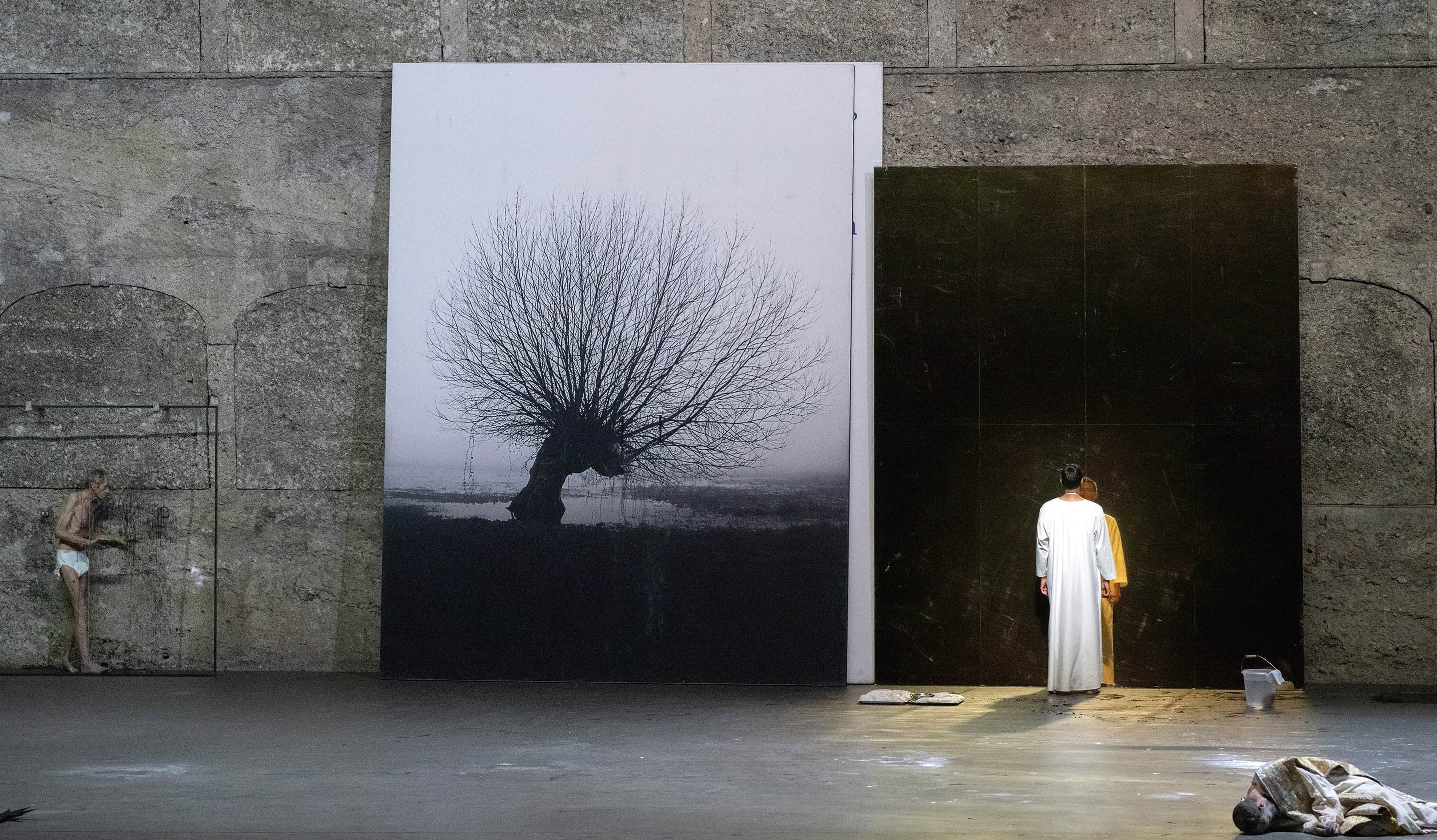
François’s fears and love are central to the opera. In Act 1, he converses with Frère Léon (baritone Russell Braun) about the nature of “perfect joy;” in the third tableau, he conquers his fear of lepers. In this production, tenor Sean Panikkar, another former Adler Fellow, sang Le Lépreux (the Leper) while actor Georg Schwamberger acted the role.
Schwamberger, who was near-naked or naked while onstage, was perhaps the thinnest human I have ever seen; his mere appearance evoked terror and sympathy. During the third tableaux, Panikkar, singing powerfully, joined with L’Ange (the Angel, soprano Lauranne Oliva), and a third performer to form a tripartite angel. Oliva’s voice had an unearthly beauty, her phrases enveloped with a glow that might have been electronically enhanced. Truly, the entire cast was heroic, performing this intricate staging with the greatest dedication and attention to detail.
Over the course of the opera, we saw bread being prepared and then baked in onstage ovens, pots being thrown from clay (the Angel eventually flattens these…), bird corpses, projections of an upside-down modern city, François apparently stabbing himself, a man’s head being shaved by Frère Bernard (bass-baritone Willard White, singing beautifully at almost 80), and a viola strapped to François’s bloodied back.
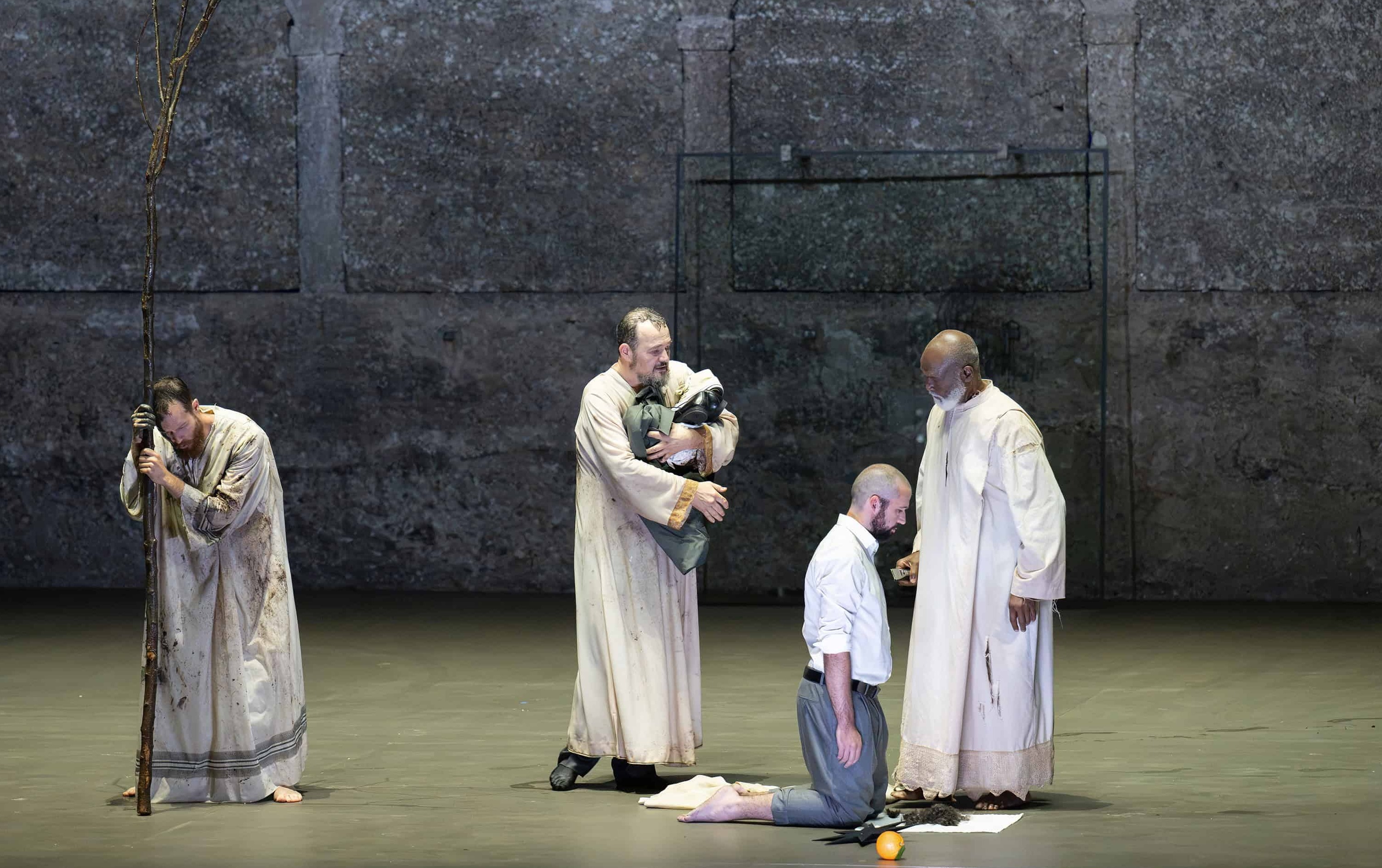
Some of this can fit a conventional narrative; the bread and pots could be “scenes from monastic life,” though who knows what Castellucci intended. It doesn’t matter: while I can’t explain most of the imagery, somehow it all made emotional sense, connecting subconsciously with the saint’s progress and story.
The curious peahen who emerged from the rear of the stage, the small flock of sheep set loose at the very end of the opera, the brilliantly lit wooden beam that François muscles about in Act 3: perhaps all of these relate to the line “May the mysteries and glory be revealed to thee.”
But no explanation is needed for the phrase projected on the back wall of the stage: JE T’AIME, OLIVIER, IMMENSE ARTISTE (I love you, Olivier, artistic giant), given the scope of the composer’s accomplishment.
Conductor Maxime Pascal and the Vienna Philharmonic accomplished miracles in their performance. The VPO isn’t known for their Messiaen or other modern music, but here they were essentially perfect, playing with immense focus and commitment. Pascal calmly led a coherent, brilliant performance with no noticeable mishaps, an astounding accomplishment given the complexity of the music. The chorus of the Vienna State Opera sang beautifully, largely from offstage.
Il Viaggio a Reims, Aug. 5
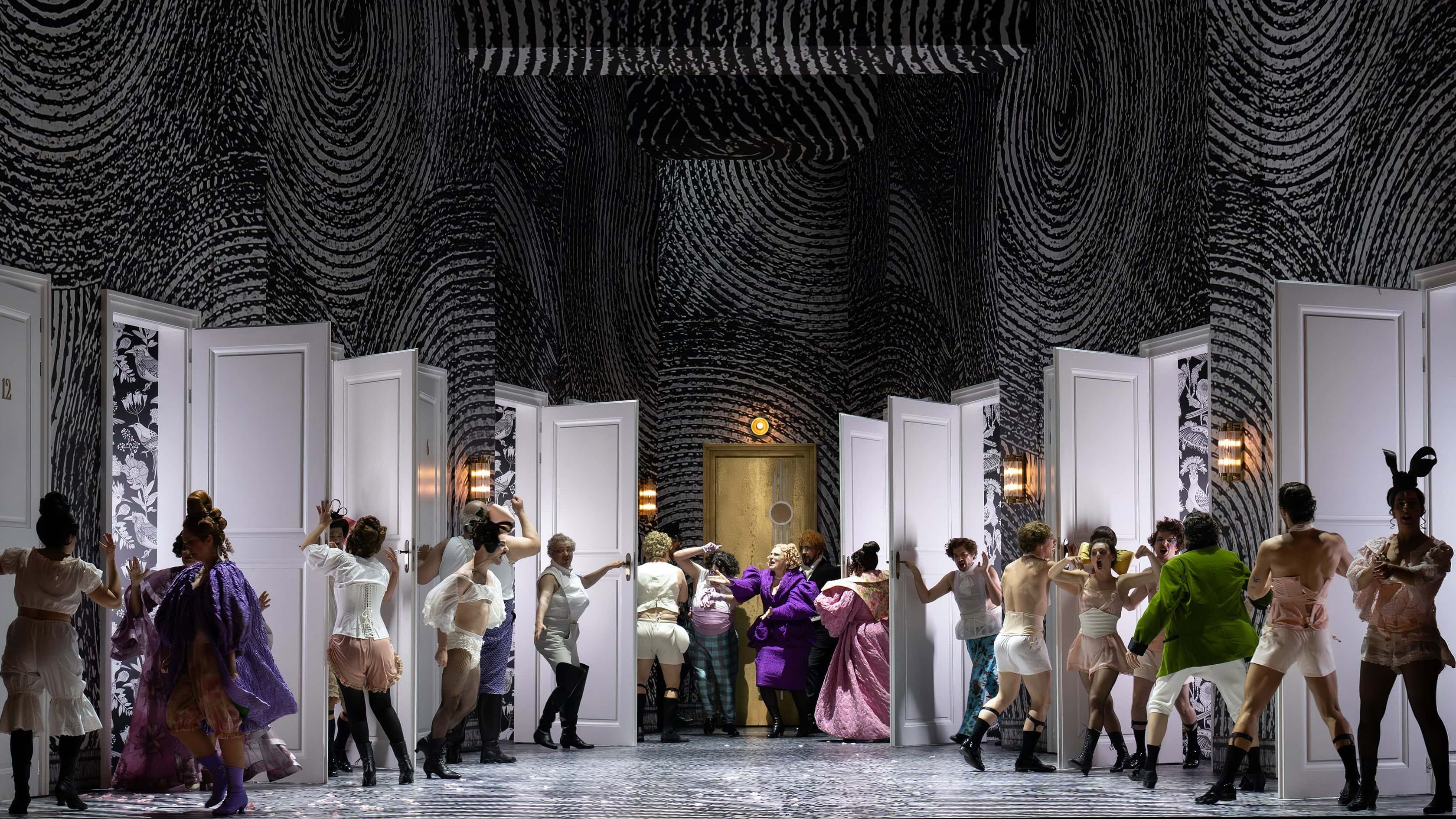
Given the title of Rossini’s opera Il Viaggio a Reims (“The voyage to Reims”), you might think that there’s a trip to the city of Reims — but you would be wrong.
To the extent that there is a plot, travelers at a hotel have been invited to Reims for, canonically, a coronation, or, in Barrie Kosky’s madcap production, seen on August 5 at the Haus für Mozart, a birthday party for a famous mezzo-soprano known as La Ceci. But there’s a series of mishaps — an overturned carriage, a complete absence of horses owing to the big event in Reims — and the travelers never actually leave the inn.
There are romantic interests old and new and various conflicts. There are so many characters — 17 in all — that even when they’re wearing wildly colored, exaggerated costumes, it’s essentially impossible to keep them straight.
And it doesn’t matter, not for a second. When the curtain goes up and the dancing bellhops flood the hotel lobby, you know that you’re in for a treat. The action is nonstop, as characters enter and exit, luggage accumulates, and the stage fills up with singers and dancers.
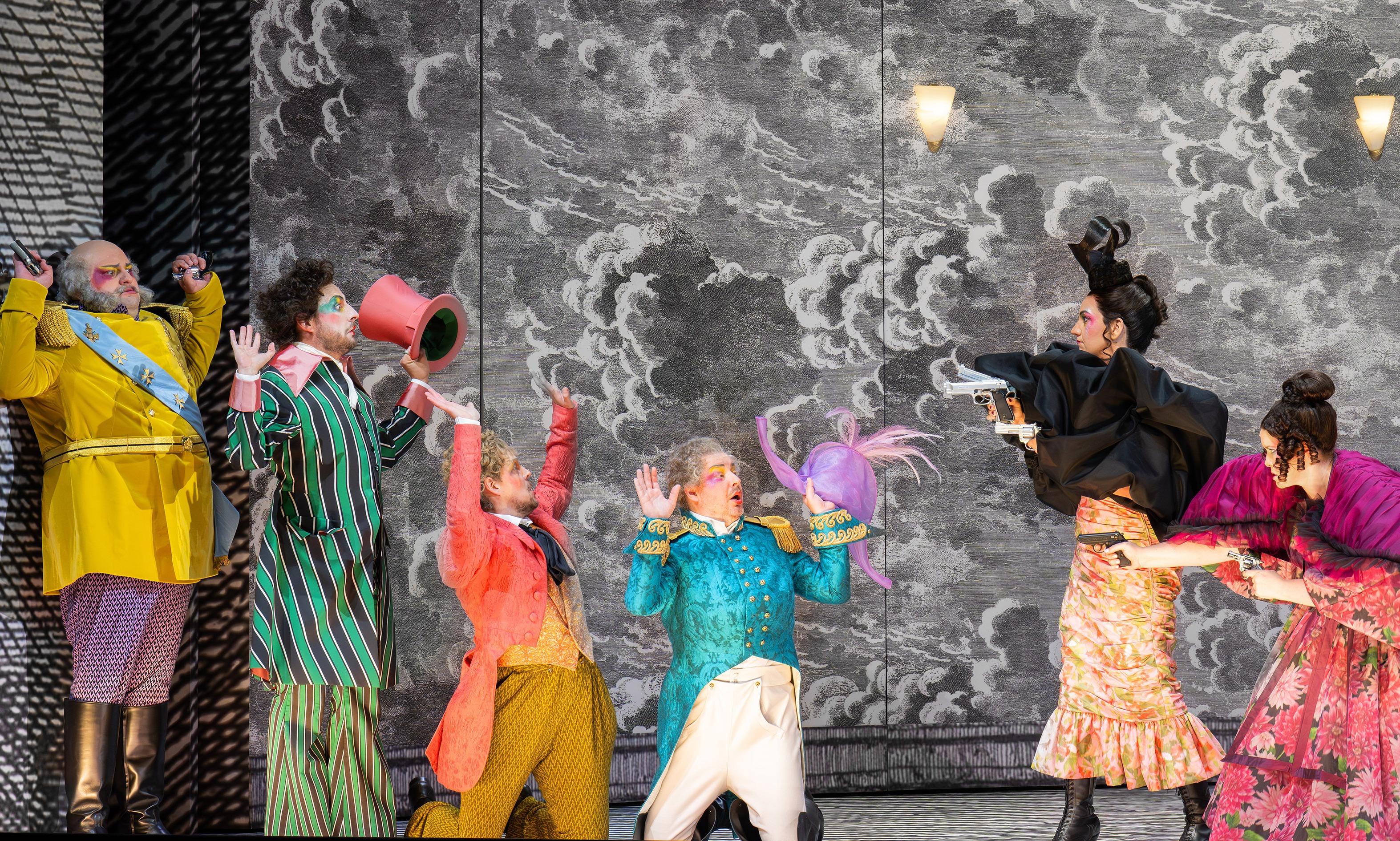
In the production trailer, Kosky describes the opera as a farce, and his direction takes everything to extremes, with hilarious results. It’s not just the cartoonish costumes (designed by Victoria Behr), it’s characters’ bearing and gestures, physical comedy at its most intense.
There’s a duel with pistols, and within minutes, six cast members are involved and the Marchesa Melibea (mezzo-soprano Marina Viotti) and Madama Cortese (mezzo-soprano Tara Erraught) have five guns trained on four cowering men.
Really, it’s all an excuse to give a raft of singers an opportunity to show off their vocal skills. Gianluca Capuano’s buoyant, vivid, conducting helped keep the entire enterprise moving forward with exquisite timing. There are musical jokes that wouldn’t work without that timing, when easily recognized phrases from the works of Mozart, Haydn, Beethoven, and Bach make their appearances.
Unusually, the program names three members of Les Musiciens du Prince–Monaco, the orchestra for the production, because of the size of their solo contributions: fortepianist Paolo Spadaro Munitto, flutist Pablo Sosa del Rosario, and harpist Markus Thalheimer. A fake harp, “played” by an actor in drag, does appear onstage, to accompany Corinna (the great mezzo Cecilia Bartoli) in a couple of songs. Bartoli, who turns 60 this year, sounded terrific, with an astounding facility in runs and trills.
Rufus Didwiszus’s set for Act 2 is enough to make you drool with anticipation: a hotel corridor with six doors on each side and another at the back. You can guess what happens next: uncountable comings and goings, characters in various stages of undress, and a lot of mugging, mixups, hilarity, gender-bending, nightclothes, and undergarments.
The third act resolves an existing romantic complication — it turns out that Marchesa Melibea and the Conte de Libenskof (the remarkable tenor Dmitry Korchak) do love each other — and then becomes a feast, during which the hotel guests show off for each other.
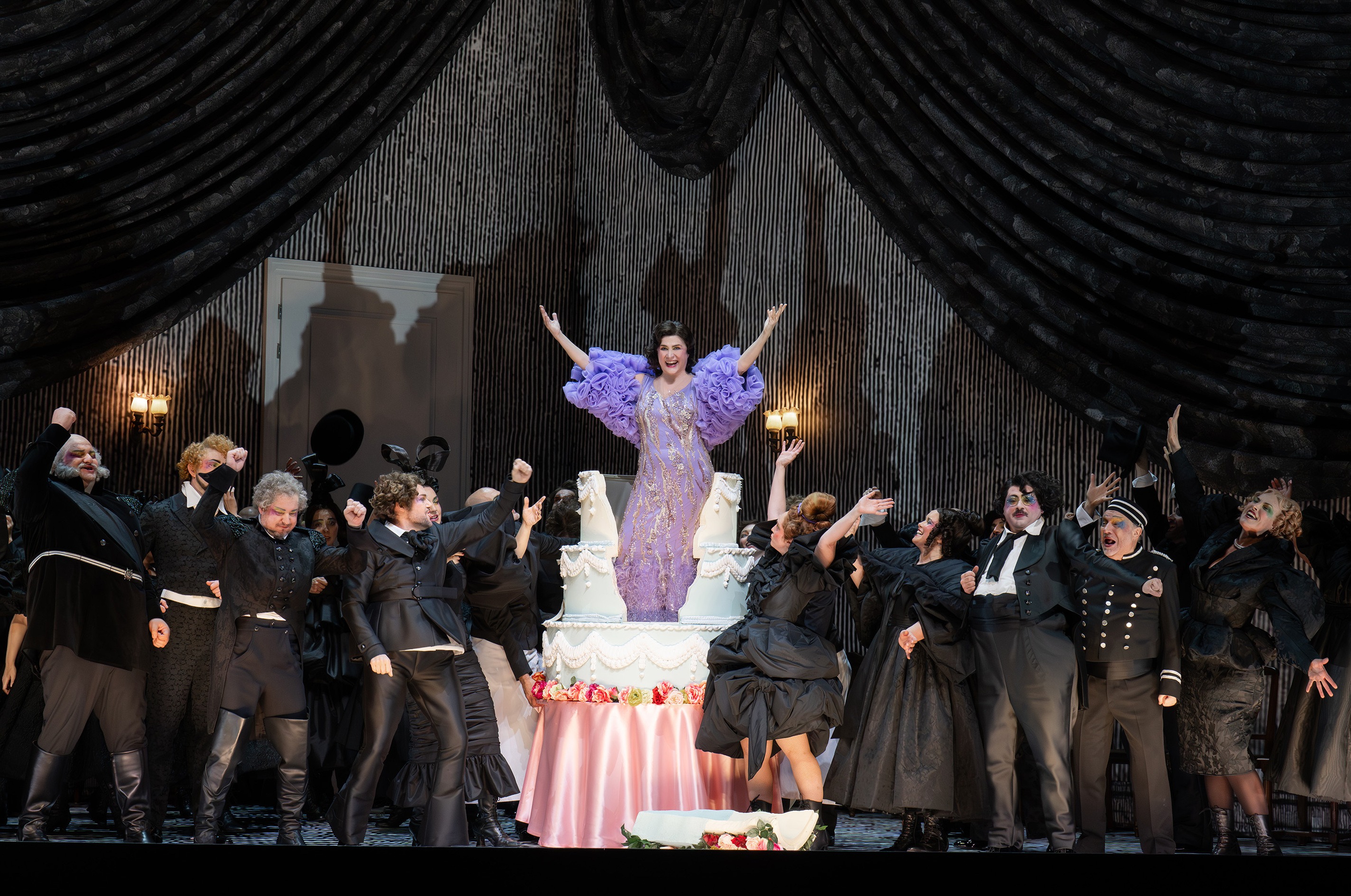
The guests never make it to Reims, but the birthday girl — Cecilia Bartoli, aka La Ceci — eventually jumps out of a cake, to much merriment. The cast of stars works as a terrific ensemble. In addition to Bartoli, Viotti, Erraught, and Korchak, there were Mélissa Petit , Edgardo Rocha, Ildebrando D’Arcangelo, Florian Sempey, Misha Kiria, Peter Kellner, Giovanni Romeo, Helena Rasker, Rodolphe Briand, Rafał Pawnuk, Federica Spatola, Galia Bakalov, and Salvatore Taiello.
Così fan tutte, Aug. 6
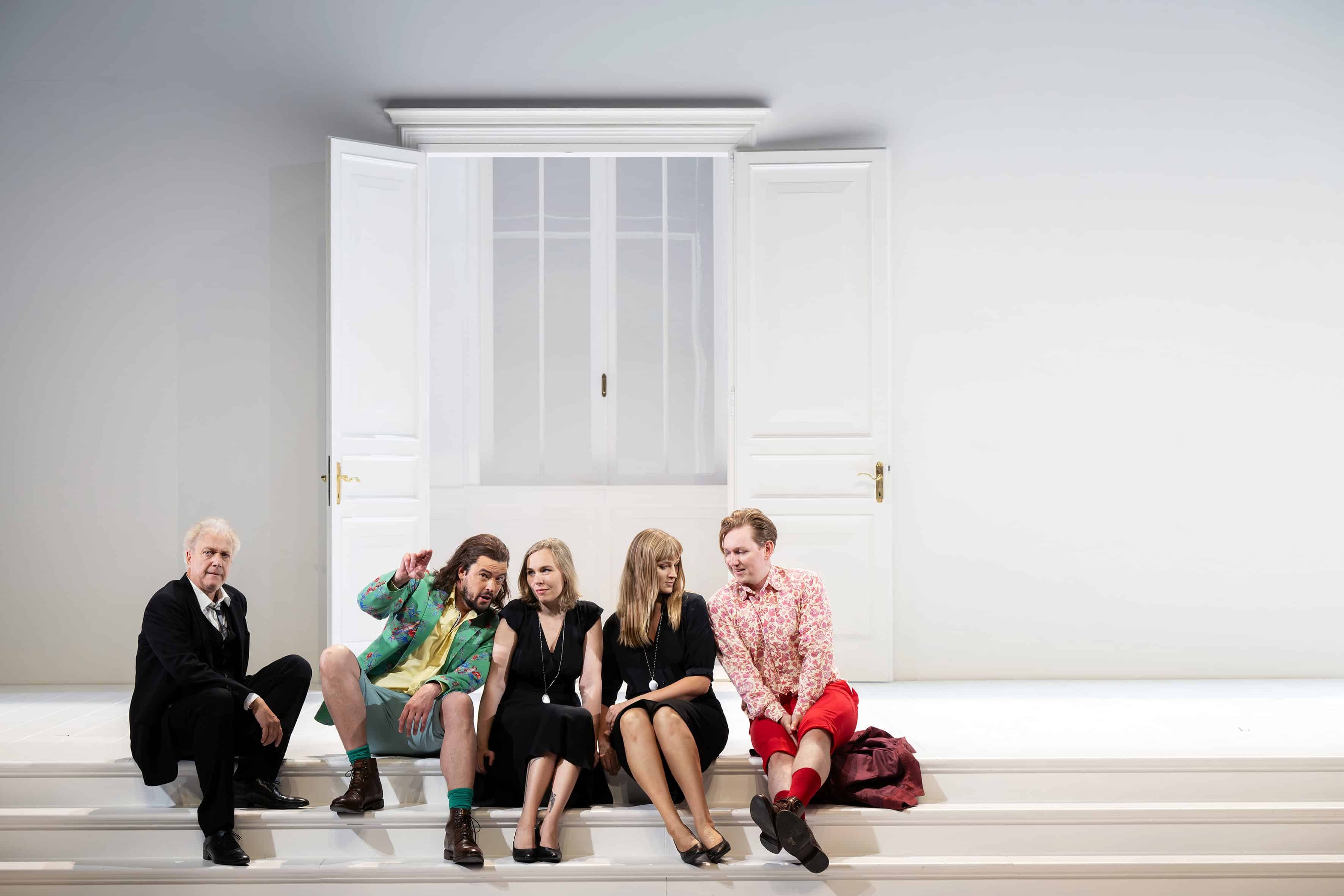
A revival of director Christof Loy’s production of Mozart and Da Ponte’s Così fan tutte, seen at the Großes Festspielhaus on August 6, was my last performance of this long, strange trip. Loy’s is a straightforward interpretation of the opera, in which two soldiers betrothed to two sisters foolishly agree to test their fiancées’ faithfulness, each attempting to seduce the other’s partner.
Who plays such a trick on their beloved? And who does such a thing because their alleged friend claims all women are faithless? It starts as a lark, if an immature one, and ends in heartbreak.
Interestingly, according to an interview in the program, Loy does not view the libretto as misogynist, instead considering that it dismantles misogyny as the four central characters all become more self-aware.
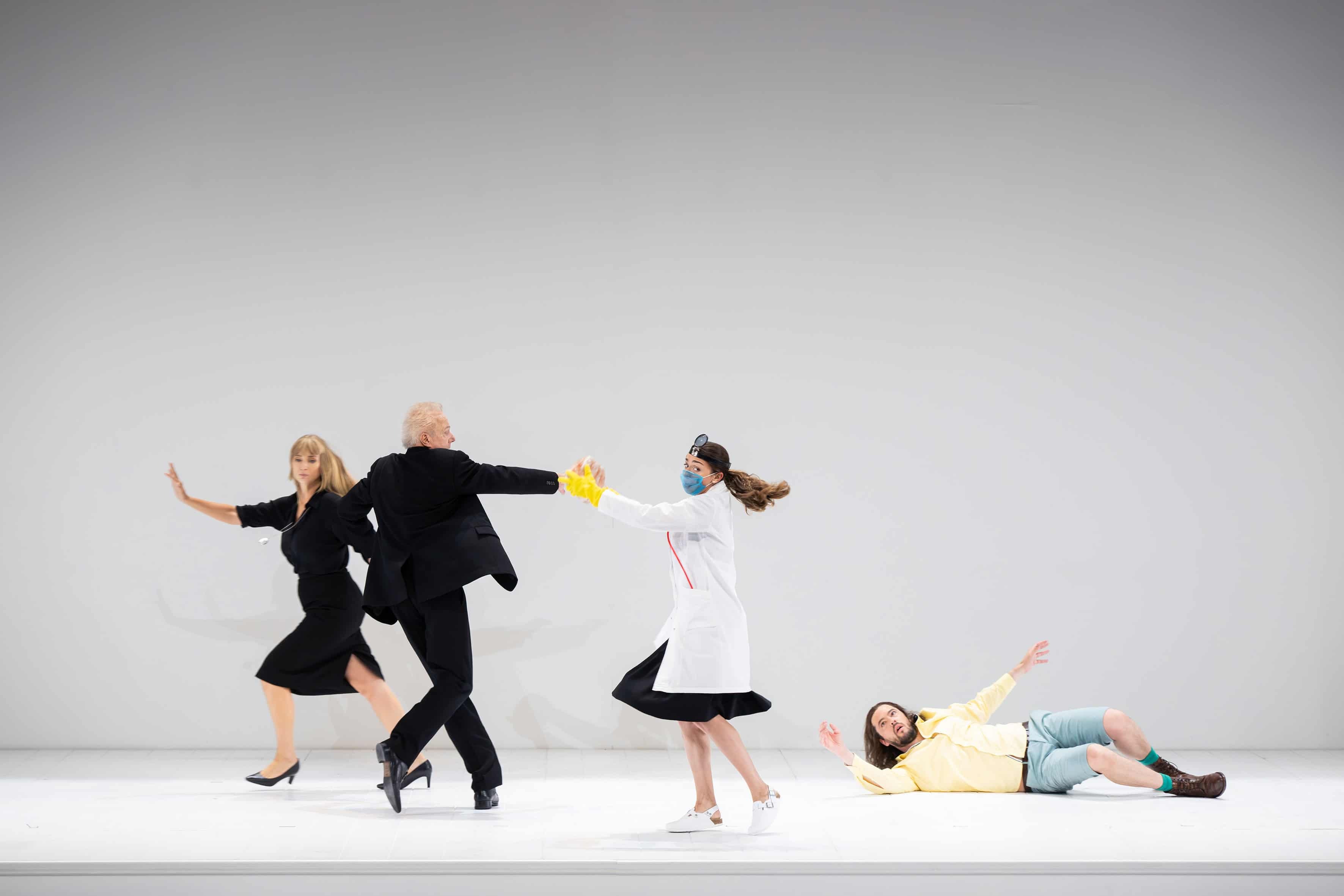
His direction emphasizes the cruelty of Don Alfonso’s (Johannes Martin Kränzel) challenge to Ferrando (tenor Bogdan Volkov) and Guglielmo (baritone Andrè Schuen) and the damage it does to the soldiers’ relationships with Fiordiligi (soprano Elsa Dreisig) and Dorabella (mezzo-soprano Victoria Karkacheva).
Played on a nearly featureless white unit set — there are a couple of doors, and at one point the set opens in the middle to briefly reveal a tree — with a short flight of stairs down to the orchestra pit, Loy’s direction is detailed, naturalistic, and sensitive.
Well, as naturalistic as possible in an opera built on artifice: Loy disguised Ferrando and Guglielmo as “Albanians” by simply swapping their black pants and jackets for more colorful outfits. Their faces were not disguised at all and that leaves open the question of whether the sisters see through them or are simply easily fooled. When the soldiers are cured of the poison after their supposed suicide attempt, the lovers are in a row, with Fiordiligi touching Ferrando but looking back — longingly? — at Guglielmo.
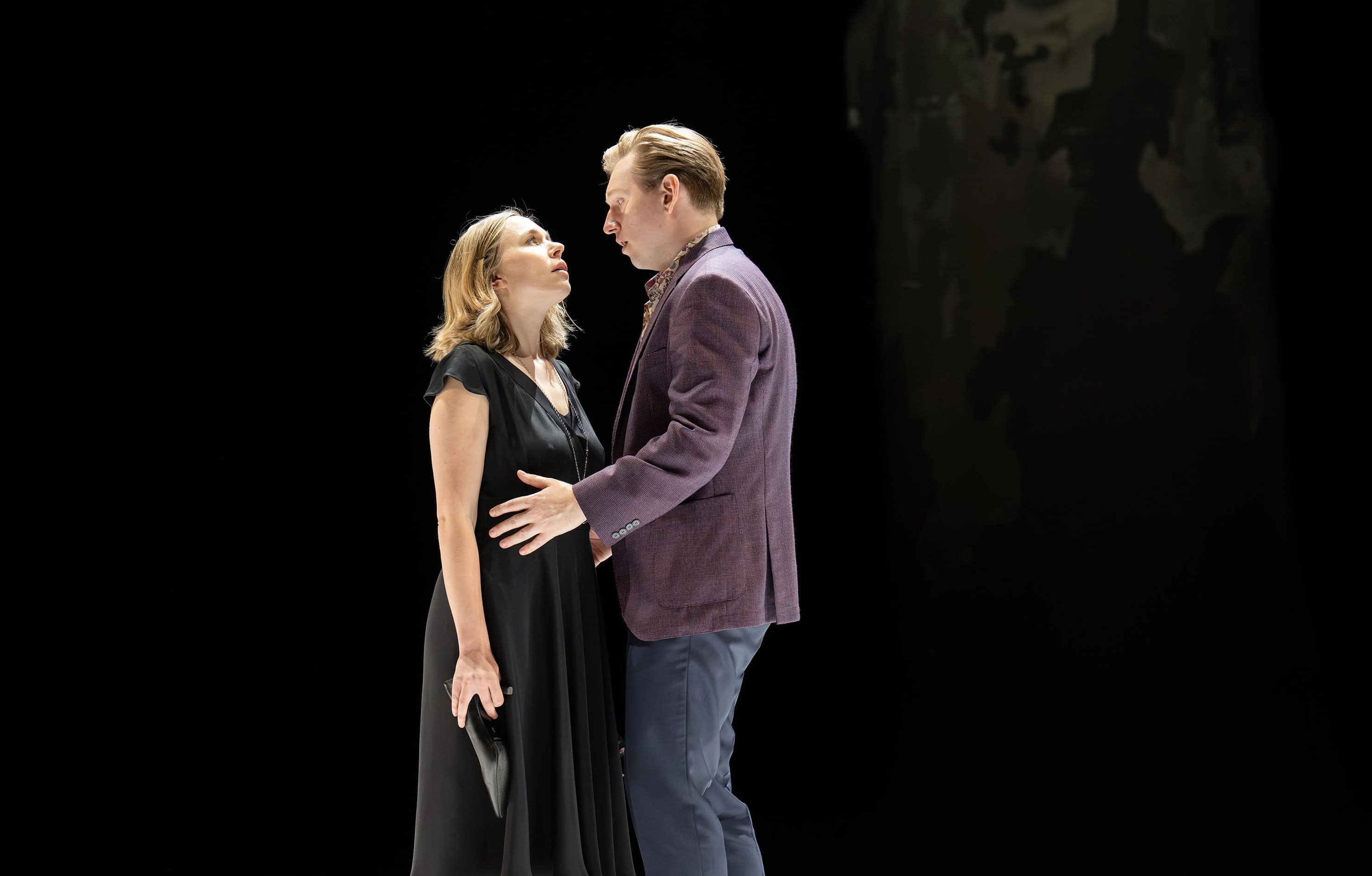
We saw telling glances among the characters; we saw the clear affection between the sisters. Loy’s staging was very active, with little stand-and-sing, and all of the details built out the characters. Don Alfonso’s mockery extended to his stage movements; Despina (soprano Lea Desandre) was less funny, more determined than in many productions, and not as much of a friend to the sisters as she might be. She was hilarious as the notary, less so as the doctor.
By the end of the production, the sisters’ pain came to the fore. Don Alfonso wound up cowering on the floor, having been sent there by the soldiers. Sure, there’s a reunion, but how happy is it, really? Nobody looked truly happy: from baseless doubt of the sisters came genuine reasons to doubt the soldiers.
The opera sped forward like clockwork. Joana Mallwitz’s sharp, swift conducting of the Vienna Philharmonic complemented the cast’s superb ensemble work in bringing off the complex staging. The singing left little to be desired: the recitatives were crisply delivered and melodic lines beautifully sustained.
The three women had deliciously distinctive voices, with Karkacheva’s big, dark mezzo balancing the lighter sopranos of Dreisig and Lesandre. The arias were gloriously sung, , and the ensembles showed superb blend and balance. What a joy to see a performance where everyone involved knew just how Mozart should go. | Return to top
Salzburg Festival 2026 on Radio and TV
The Salzburg Festival has an extensive program of radio and TV broadcasts on various stations. Radio broadcasts are available until about a month after the performances. medici.tv, which is available in the United States, will stream video Il Viaggio a Reims on Friday, August 21 at 11:00 a.m. For complete information on broadcasts, see the Salzburg Festival Broadcast webpage. | Return to top