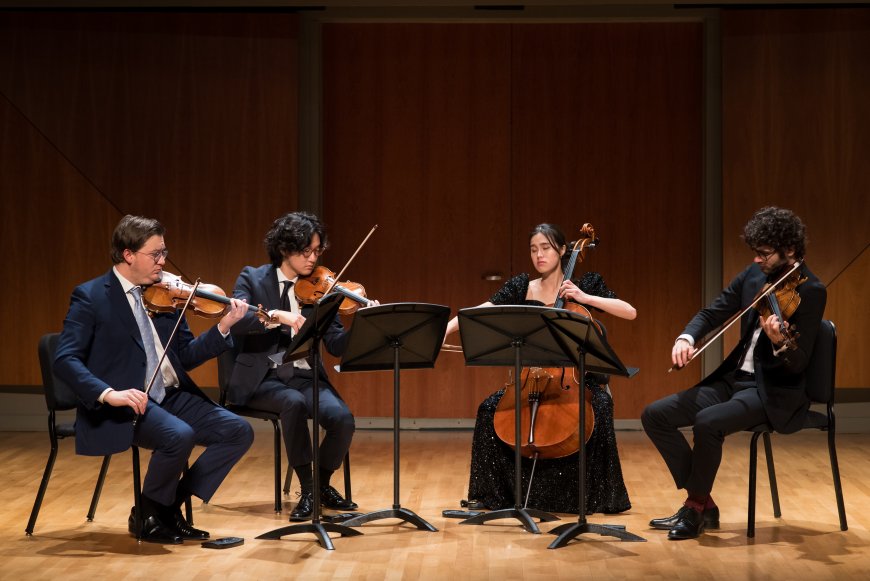
Many Americans are entertaining the notion of an authoritarian state — about one-third of respondents to a recent survey by UC Davis expressed sympathy for the idea. This suggests a dangerous level of historical myopia. The World War II generation has died off, and it seems many of its hard-earned lessons have been forgotten.
It might be useful to find a visceral way of warning our fellow citizens about the dangers of one-man rule — something that speaks to the heart rather than to often-closed minds. One idea: Expose them to the poignant music of people whose careers and/or lives were cut short due to the rise of fascism.
Conductor James Conlon has been dedicated to that mission for decades. In recordings and performances at the LA Opera — where he is in his 20th and final season as music director — Conlon has introduced us to many works by these forgotten composers. This effort was formalized in 2013, with the establishment of the Ziering-Conlon Initiative for Recovered Voices.
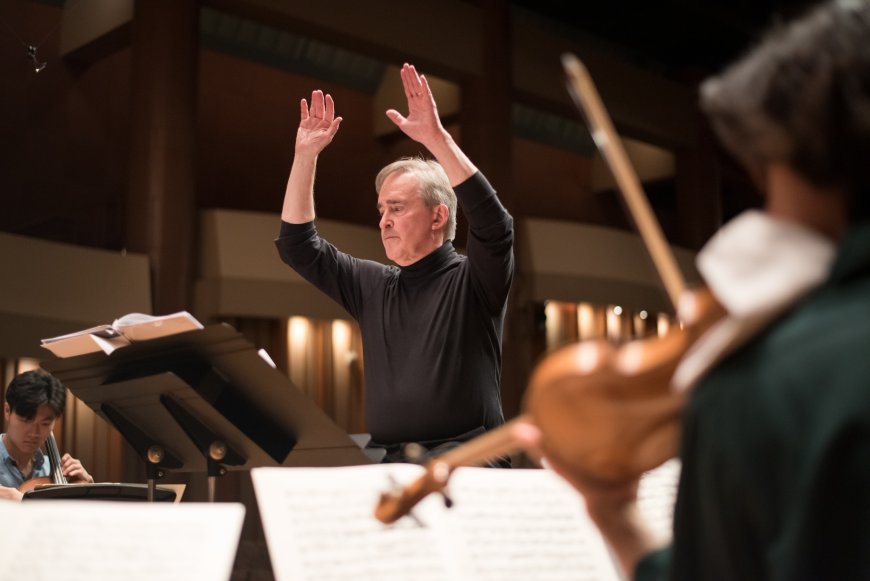
It was announced on Oct. 6 that the program has now been expanded and renamed. “Music Restored: The Ziering-Conlon Center for Exiled and Suppressed Composers” will feature performances, recordings, educational initiatives, and a new online resource, MusicRestored.org.
This expansion reflects the “enduring urgency of this work,” Conlon said in a statement. “Deeply relevant in today’s fractious world, there are ongoing and compelling moral, historical, and artistic reasons to expand awareness [of these works].
“These composers are not merely historical footnotes,” he added. “They are vital contributors to our cultural heritage.”
Sel Kardan, President and CEO of the Colburn School, added that he is “pleased to launch a new center for performance and study to ensure these important works continue to be performed, and the legacies of these composers are kept alive.”
The website features the online content of the OREL foundation, which has served for many years as a resource for musicians looking to perform music by suppressed composers. These assets include recorded performances, documentaries, and multimedia series.
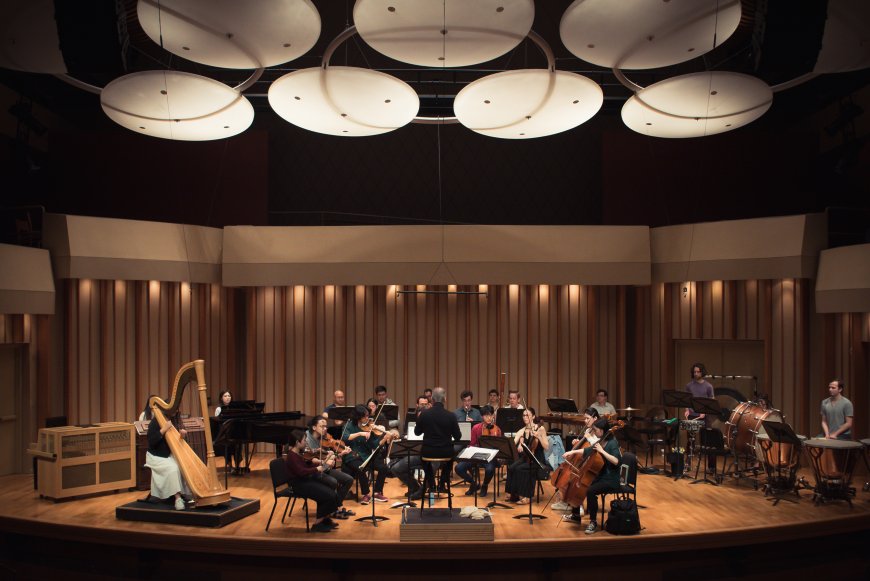
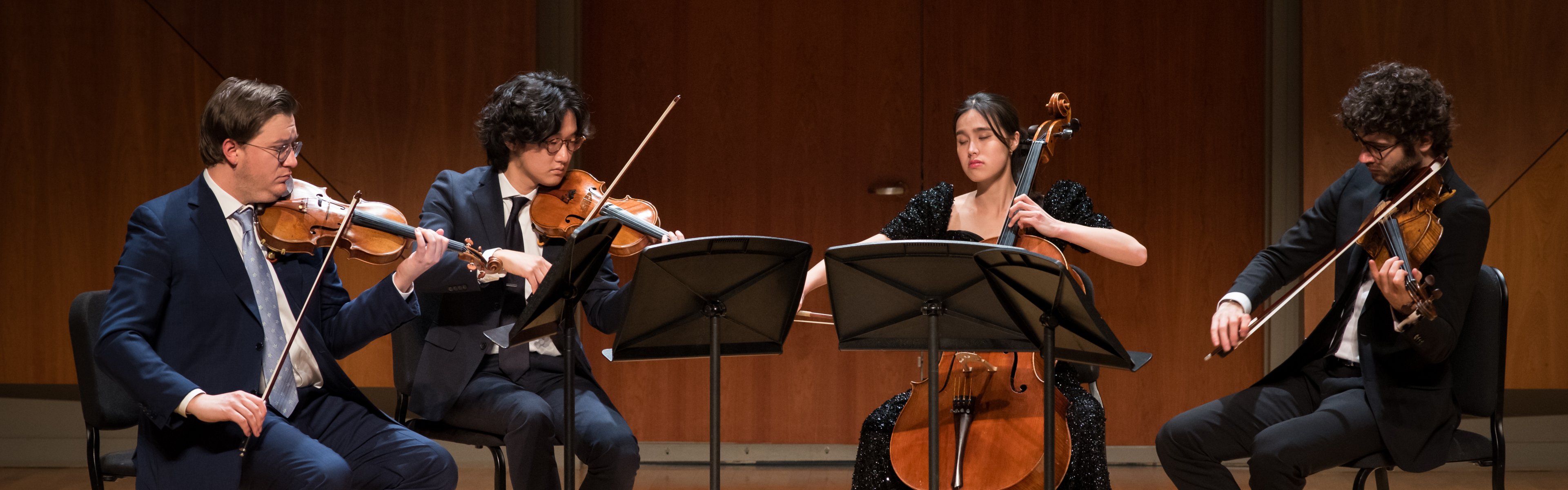
Building on that foundation, the new site will feature a series of newly released audio and video recordings featuring the works of suppressed composers. The first of these, which is now available, is a performance of Mario Castelnuovo-Tedesco’s Ein Quartett-Satz on the name of Walter Arlen, performed by Adam Millstein and students from the Colburn Conservatory of Music.
When the 1948 work was performed by those artists at the Colburn School in 2024, SF Classical Voice’s Jim Farber wrote: “The superbly crafted performance made a strong case for the quartet finding its way into the repertory.”
Later this year, a new audio and video recording of Beethoven’s Fourth Piano Concerto will be released, featuring soloist Dominic Cheli and conductor James Conlon. It features the rarely heard cadenzas by Erwin Schulhoff, a composer whose career was effectively ended by the Third Reich. Additional recordings will follow on a regular basis.
The Colburn School’s Music Restored concert series will return Nov. 6 with a performance by Millstein and Cheli featuring Czech composers, including Schulhoff. On March 7, Conlon will lead an ensemble in a program featuring the Partita for Piano and Strings by Vitezslava Kapralova, and her better-known mentor Bohuslav Martinu.
Millstein, who is director of the Music Restored Program, said sharing this little-known music “is both a privilege and a responsibility,” adding that he is “inspired every day by the opportunity to ensure that these voices continue to be heard.”