There are some 4,000 people expected to pack the War Memorial Opera House on Sept. 12 for the opening of the San Francisco Opera’s 104th season — 3,146 seated in the auditorium, 200 standees, hundreds in the cast, chorus, orchestra, stagehands, production people, ushers, and security in and around the Opera House.
And yet, as of now — some 72 hours before the curtain is to rise on Giuseppe Verdi’s Simon Boccanegra — nobody knows if the event will take place, if transportation, parking, tuxedo-renting, and babysitters are to be arranged or canceled.
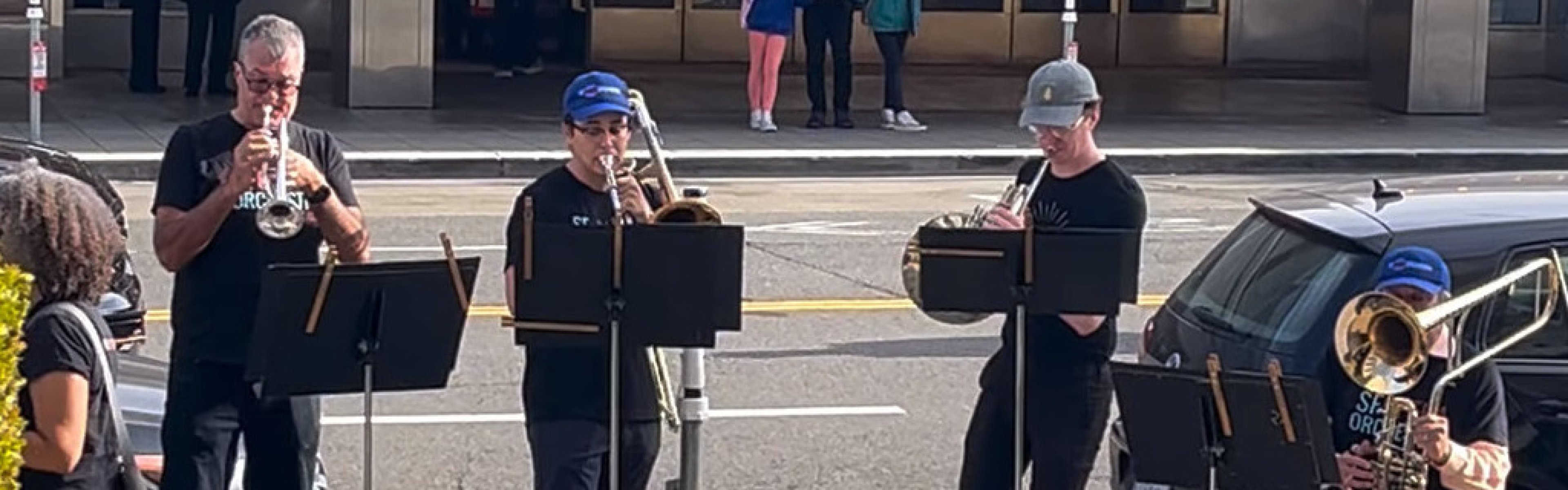
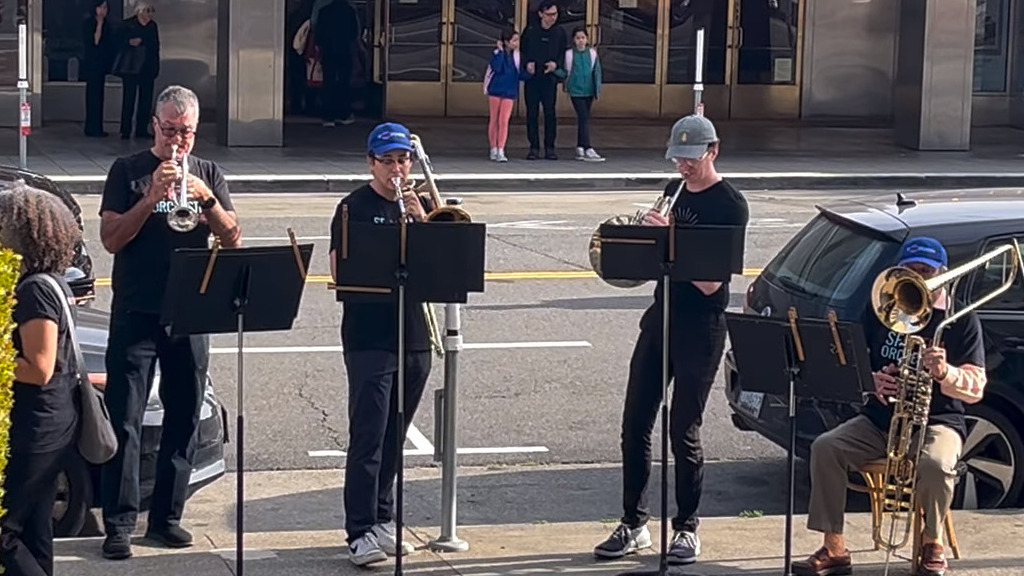
On Tuesday evening, before and after the opera’s dress rehearsal, musicians and their supporters distributed leaflets stating in all caps that “the orchestra cannot begin the new season without a contract.” The Opera’s website is silent on the subject.
Negotiations between the Opera and its orchestra, members of the American Federation of Musicians Local 6, about the contract continued over the Labor Day weekend, but no progress was reported.
Just two years ago, there was a similar season-opening crisis for both of the city’s major orchestras: The SF Opera Orchestra compelled management to settle minutes before the opening of the season, and the SF Symphony Orchestra continued to work without a contract, reaching a retroactive agreement only later.
The musicians’ public statement released Tuesday night restated their position:
“We began negotiations months ago, needing and expecting to build on the modest agreement we reached two years before. Management instead proposed a 26% across-the-board pay cut, which would have returned us to 2015 wages.
“They have since ‘improved’ their offer by proposing a wage freeze for five years. However, when inflation is taken into account, this represents an effective 20% pay cut over the length of the contract. We cannot afford to agree to proposals like these.”
Management response has also been consistent: “Even with very positive revenue trends, the growing economic strain has put an unsustainable drain on the Opera’s endowment [in order] to balance the budget... The current structure of the Orchestra’s contract was designed for a volume of work that has not been economically feasible for many years.
“The Opera has shared a possible five-year framework with the Orchestra that would realize gradual changes to the structure of the Orchestra’s compensation while keeping their earnings constant to current levels each year over the coming five years.”