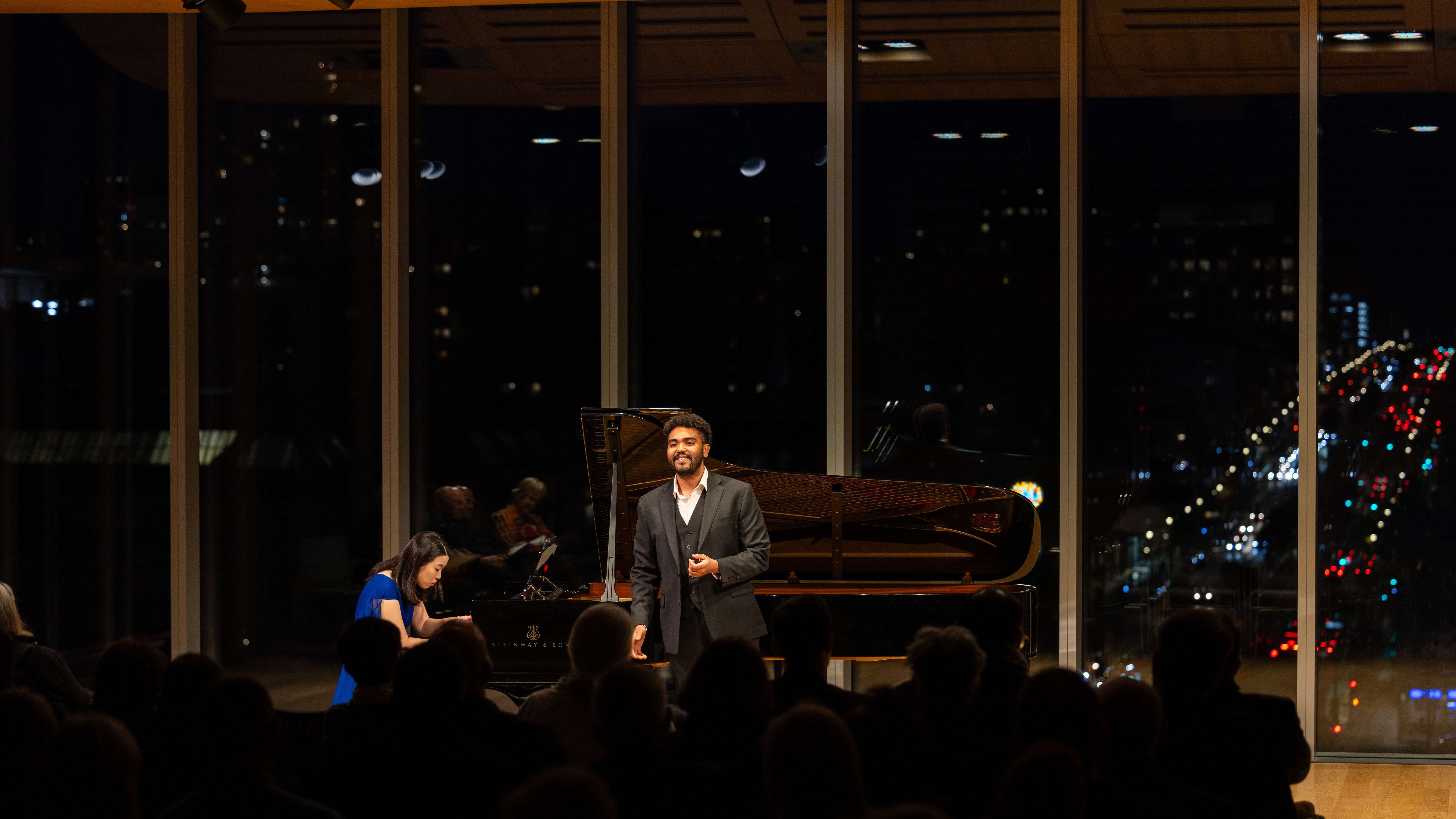
The story of the 2026 Schwabacher Recitals began in 1920.
That’s when James Schwabacher was born — scion of a wealthy San Francisco family who became an operatic tenor of means. His lifetime passion for opera and lieder was expressed in his performances and support of hundreds of young singers across generations.
Schwabacher co-founded and championed San Francisco’s Merola Opera Program with Kurt Herbert Adler in 1957 and San Francisco Performances with Ruth Felt in 1980. He later established the Schwabacher Recital Series in 1983.
Before his death in 2006, Schwabacher endowed the recital series in perpetuity. Since 2015, the recitals have been sponsored by the Merola Opera Program and supported by the Jack H. Lund Charitable Trust.
The purpose of the series is to introduce stars of the future from the Merola Program. This was indicated in the series’ original title, but “Debut” was dropped in recent years. The recitals are now advertised as “presenting emerging and esteemed artists from around the globe,” extending participation beyond Merola.
Among now-famous singers whose Schwabacher recital helped bring them into the limelight are sopranos Deborah Voigt, Nadine Sierra, and Tracy Dahl, mezzo-sopranos Susan Graham and Daniela Mack, countertenor Aryeh Nussbaum Cohen, tenor Michael Schade, baritone Thomas Hampson, and bass John Relyea.
Loyal fans and supporters of the recitals have followed them across various locations through the years. The first seasons of the series took place in Muldoon Elder’s Vorpal Gallery, where two wooden columns in the center of the space obscured the singers.
Next, the recitals moved to Old First Church, where among other events Anna Netrebko had her underwhelming recital debut in 1998 after a sensational stage debut in the War Memorial with St. Petersburg’s touring Kirov Opera — proving once again that recital performances require a unique talent.
The Schwabacher Recitals’ sauntered to Herbst Theater briefly, then moved for several years to Temple Emanu-El. The series is now based in the War Memorial Veterans Building’s somewhat claustrophobic Taube Atrium Theater, among other venues.
The 2026 recitals:
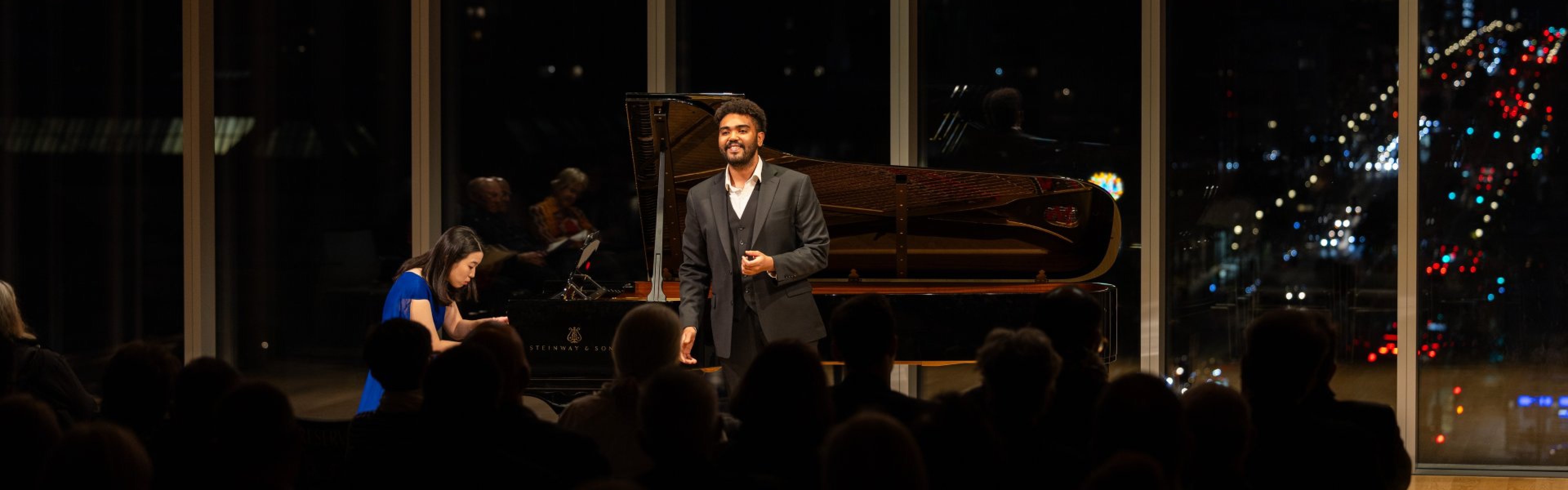
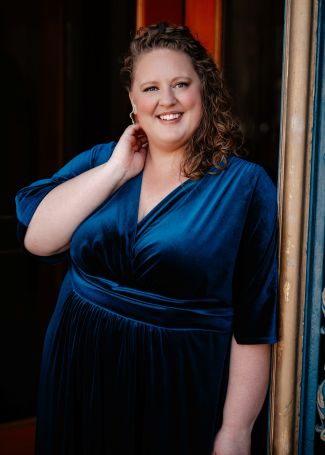
April 1, Taube Atrium Theater — soprano Mary Hoskins, baritone Olivier Zerouali, and pianist Ji Youn Lee. The program, curated by tenor Nicholas Phan, will include Hugo Wolf’s Italienisches Liederbuch.
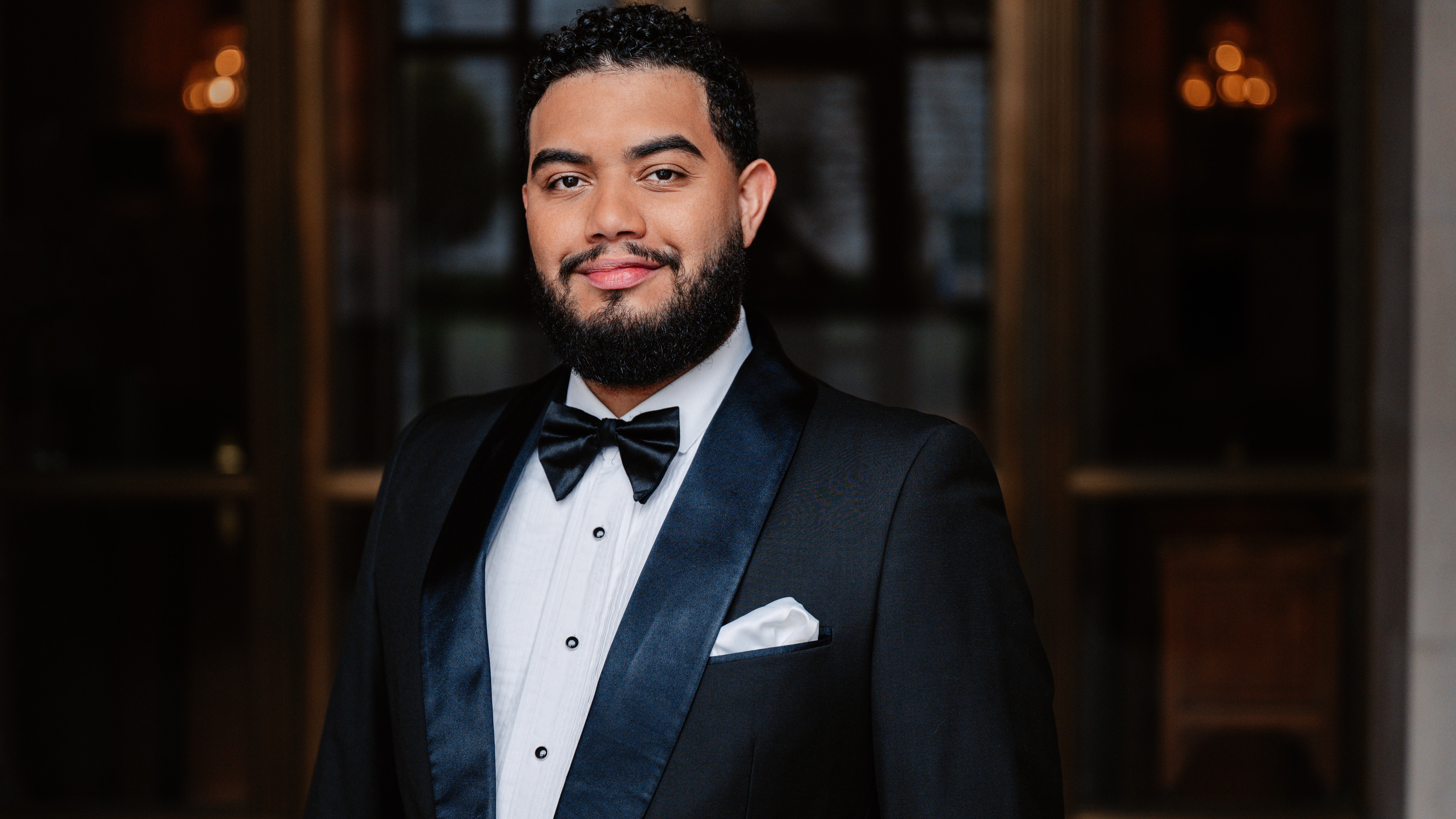
May 5, First Unitarian Universalist Society — baritone Gabriel Natal-Báez and pianist Tzu Kuang Tan, featuring Latin American works and songs by Franz Schubert and Maurice Ravel.
June 16, Barbro Osher Recital Hall — bass-baritone Kyle Ketelsen and pianist Carrie-Ann Matheson, with songs by Ravel, Georges Bizet, Charles Gounod, and Mozart.
Tickets are $30. A series package for all three recitals is $75, available at the SF Opera box office, by phone at 415-864-3330, and online.
How does a singer approach such a prestigious recital? Baritone Gabriel Natal-Báez, a first-year Adler Fellow at SF Opera and graduate of Rice University, said he chose his concert’s selections during his time at the Merola Opera Program.
“I found myself reflecting on how music and singing had shaped my life and the path they had led me on, hence ‘Paths of the Heart,’” said Natal-Báez, referencing the title of his concert.
“The idea of life as a journey is reflected in Vaughan Williams’s Songs of Travel, moving through Schubert songs with poems by Goethe, Ravel’s “Don Quichotte à Dulcinée,” [and] ending with Spanish songs with text from Garcia-Lorca’s “Romancero Gitano,” and Latin American songs that bring the journey home through themes of memory, identity, yearning, and resilience.”
Before becoming a singer, Natal-Báez studied fine arts and painting. He recalled creating a series of oil paintings inspired by Johann Wolfgang von Goethe and Schubert. “One was titled Prometheus. [It was] especially meaningful to me because the figure’s resilience and resistance in the face of adversity are values I deeply identify with in my own journey as an artist.”
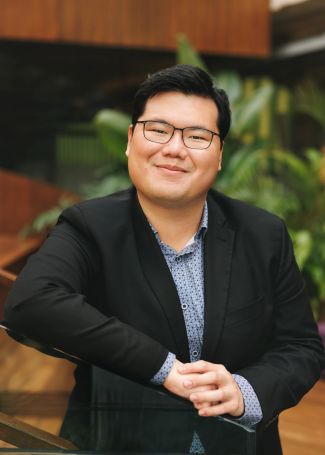
Natal-Báez said he and pianist Kuang Tan “spend a lot of time preparing and polishing the music on our own so that when we do come together, we can make the most of the limited rehearsal time we have. Because of our schedules, we have to be very prepared, efficient, and professional so that we can really make the music come alive when we’re in the room together.”