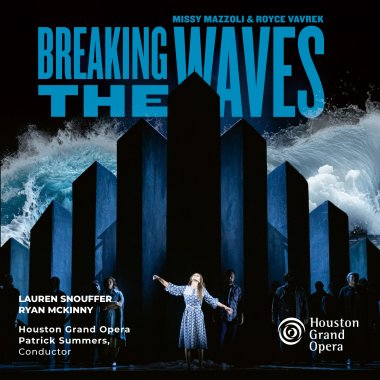
This has been a landmark year for riveting recordings of contemporary American opera. The latest revelation, Missy Mazzoli and Royce Vavrek's Breaking the Waves staged by Houston Grand Opera, arrives just six weeks after the release of David T. Little's What Belongs to You. Both operas have received the Best New Opera award from the Music Critics Association of North America (MCANA), with Breaking the Waves honored with the inaugural award.
Given how mesmerizing and emotionally devastating Breaking the Waves is, it's a shame it took this long for the recording to reach us: 10 years after Opera Philadelphia’s 2016 premiere (co-commissioned by Beth Morrison Projects), and 1 year after Houston Grand Opera 2025 production.
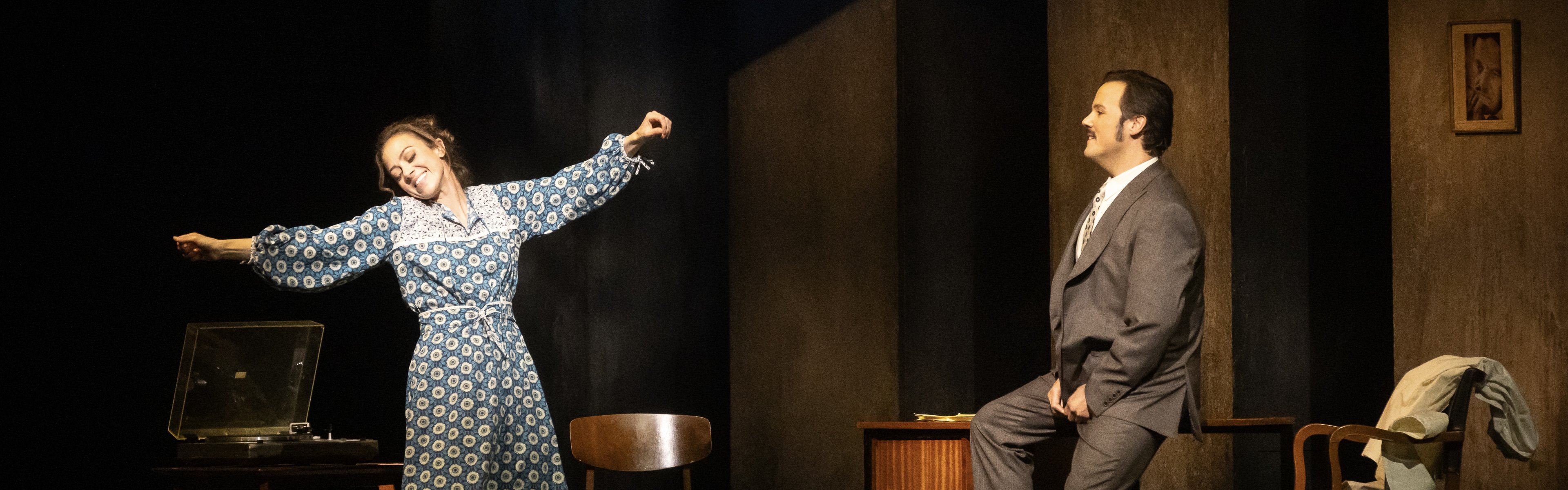
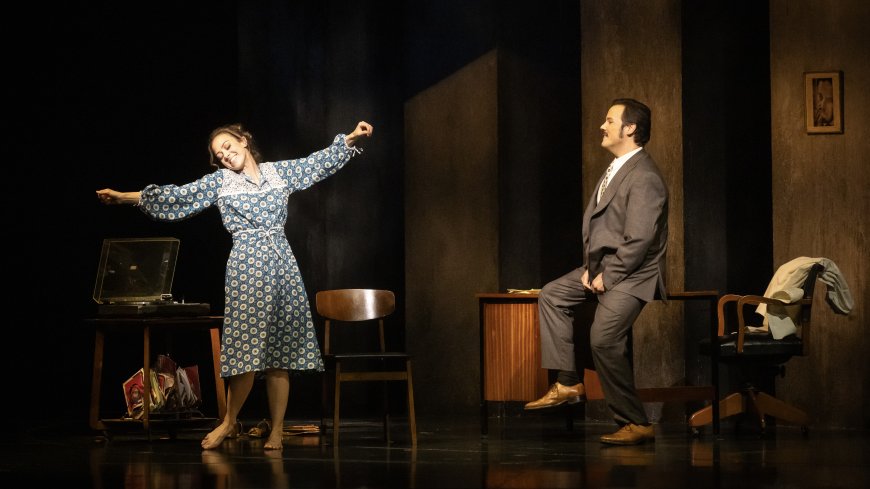
This lament, however, is the only complaint you'll hear about a performance in which Patrick Summers conducts an overall excellent cast that includes four vocal standouts: soprano Lauren Snouffer (Bess McNeill), bass-baritone Ryan McKinny (Jan Nyman), Maire Therese Carmack (Dodo McNeill), and tenor David Portillo (Dr. Richardson).
Although I have not seen Lars von Trier's film of the same name — which won the 1996 Cannes Film Festival Grand Prix — from which the opera derives, Vavrek has not strayed far from the original story.
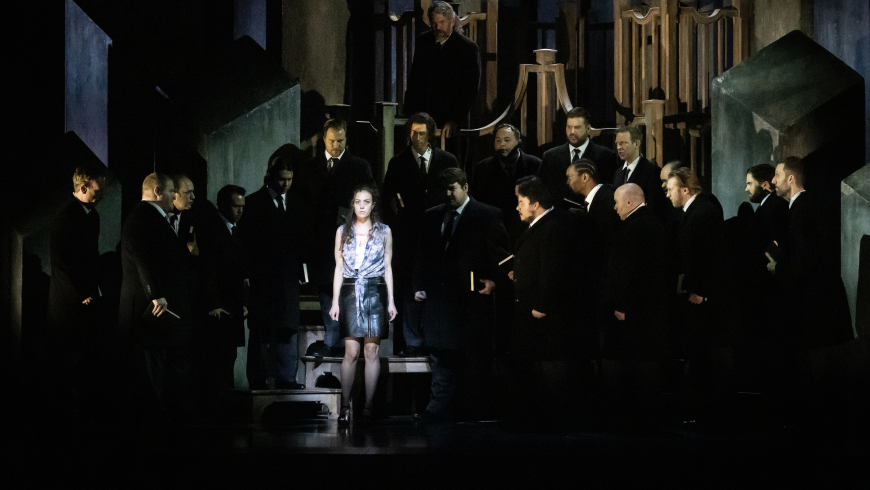
Set in Scotland in the 1970s, the plot transpires within and without the male-dominated strictures of the Free Scottish Presbyterian Calvinist church. Bess McNeill, a woman with a history of mental illness, finds herself torn between the church's rigid teachings about sin and salvation, her mother's Calvinist-indoctrinated judgments, and her own wants and desires. Those feelings are complicated by her deep love for Jan Nyman, an oil rigger who, shortly after marrying her, becomes paralyzed in an accident. When a hospitalized Jan urges Bess to find other lovers, Bess’s unswerving devotion begins a downward spiral that results in masochistic choices, abuse, excommunication, and death.
As much as Mazzoli's increasingly haunted score employs Britten-like dissonances to underscore the many inner and outer urges, desires, and conflicts that tear Bess apart, elements of the story recall Britten's opera, The Turn of the Screw. Is everything we see and hear transpiring in real life, or is some of it a reflection of Bess's delusions? While seeing a production in-person might clarify this question, hearing the opera on record increasingly propelled me into a state of horror and grief: horror at the pain and suffering that moralistic judgments can cause, and grief for the constant torture that Bess undergoes.
Snouffer's tour de force performance as Bess is ravaging. Seemingly fearless as she navigates the role's wide dynamic range, she maintains a beauty of tone that evokes immense sympathy for Bess's naive wonder, devotion, and suffering. Dr. Richardson, whom Bess attempts to seduce, is hardly as sympathetic a character, but the sweet innocence in Portillo's voice underscores his emotional conflict. McKinny's intentional gruffness and ability to command seem tailor-made for a working-class oil rigger who thrives on sexual explicitness. Carmack's mezzo voice may initially seem too hooty, but her huge vocal leap toward the opera's end perfectly conveys her emotional response to her sister Bess's plight.
Easy listening? No. Artistically compelling from first note to last, and heart-breakingly real in its exploration of the love, ugliness, and depravity that are essential parts of the human experience? Absolutely.
Breaking the Waves may not provide an escape from the horrors increasingly unfolding around us, but it does afford us the opportunity to delve deeper into humanity's essence. I urge you to listen.