*** Update: On Feb. 28, the SF Ballet Board of Trustees voted to cancel the company's visit to the John F. Kennedy Center for the Performing Arts, in the latest of numerous withdrawals from the Center since it was taken over by the Trump administration. ***
Besides its 2026 season, San Francisco Ballet is in the news these days due to uncertainty surrounding its long-planned tour to Washington, D.C. Will the company perform in the renamed, controversial Kennedy Center, find another venue, or cancel its May 27-31 tour? A final decision has not been announced.
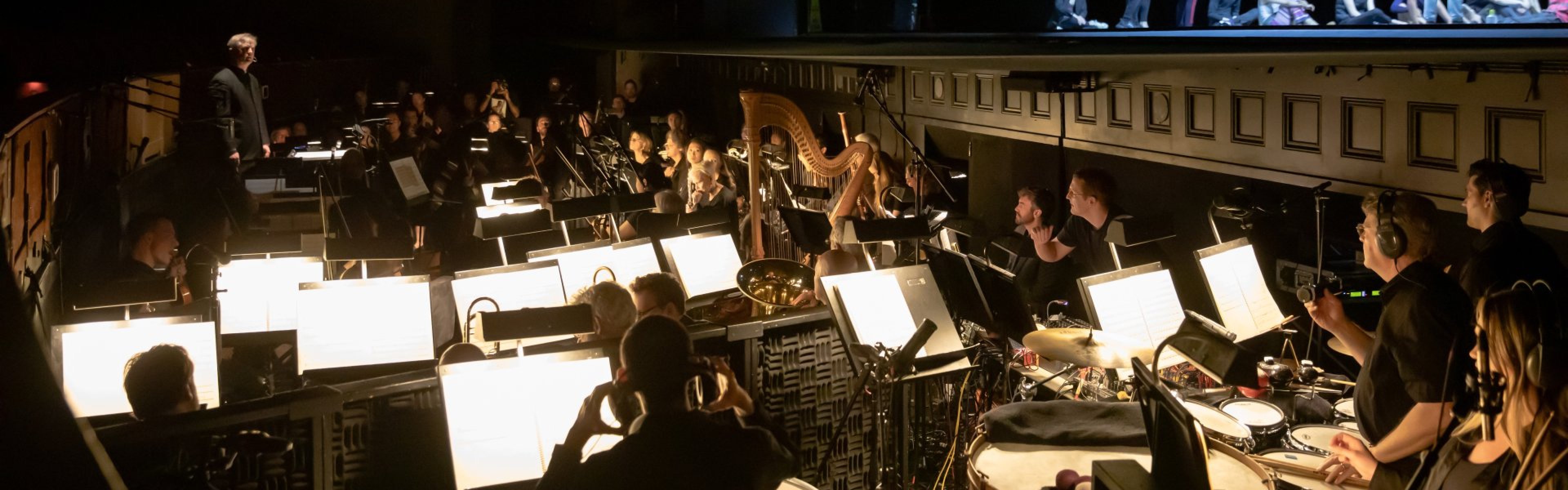
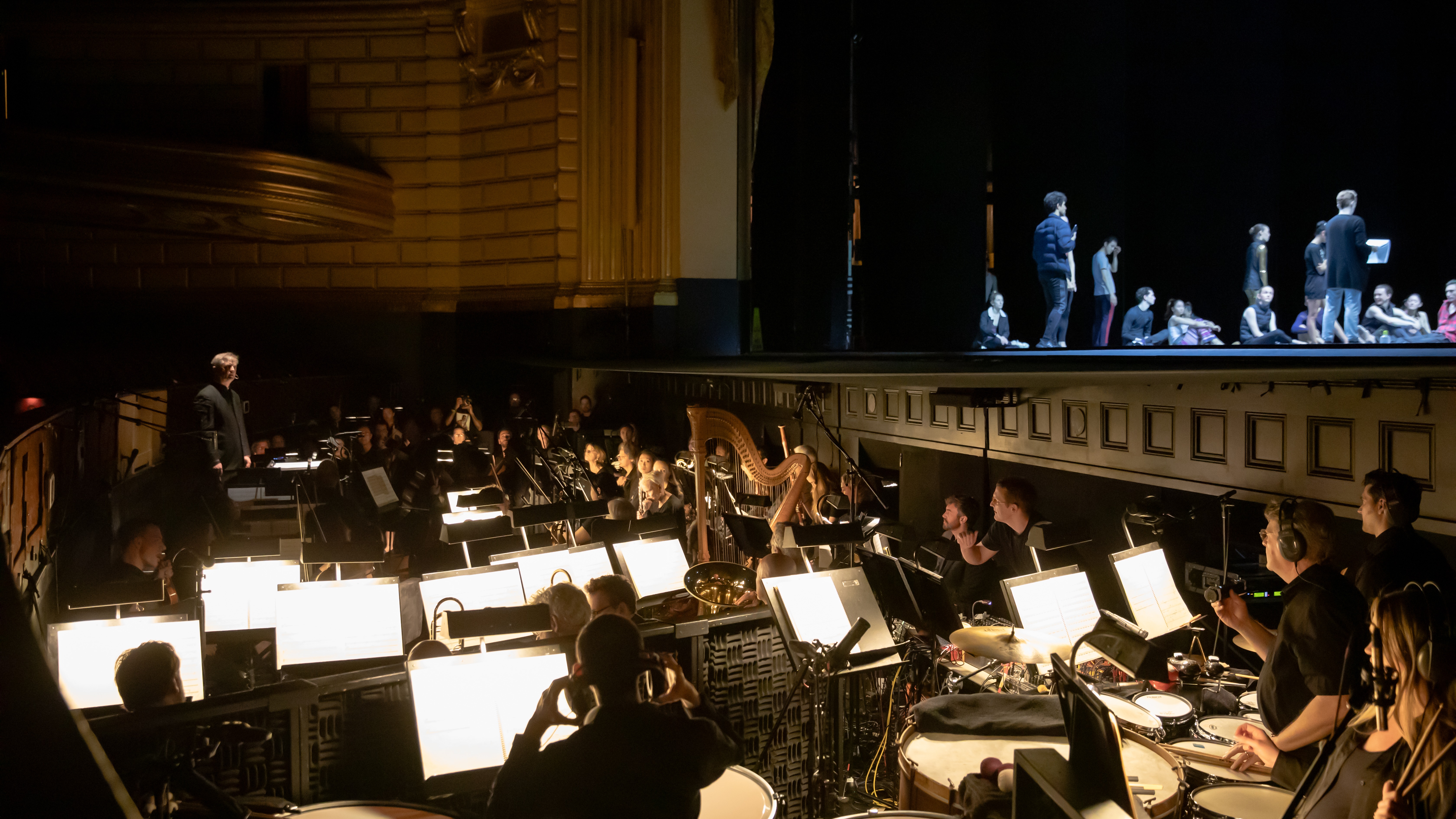
Meanwhile, there is much known and appreciated about the company’s renowned 51-year-old orchestra, which is not part of performances in far-away venues, where local musicians play under the baton of SF Ballet Music Director Martin West.
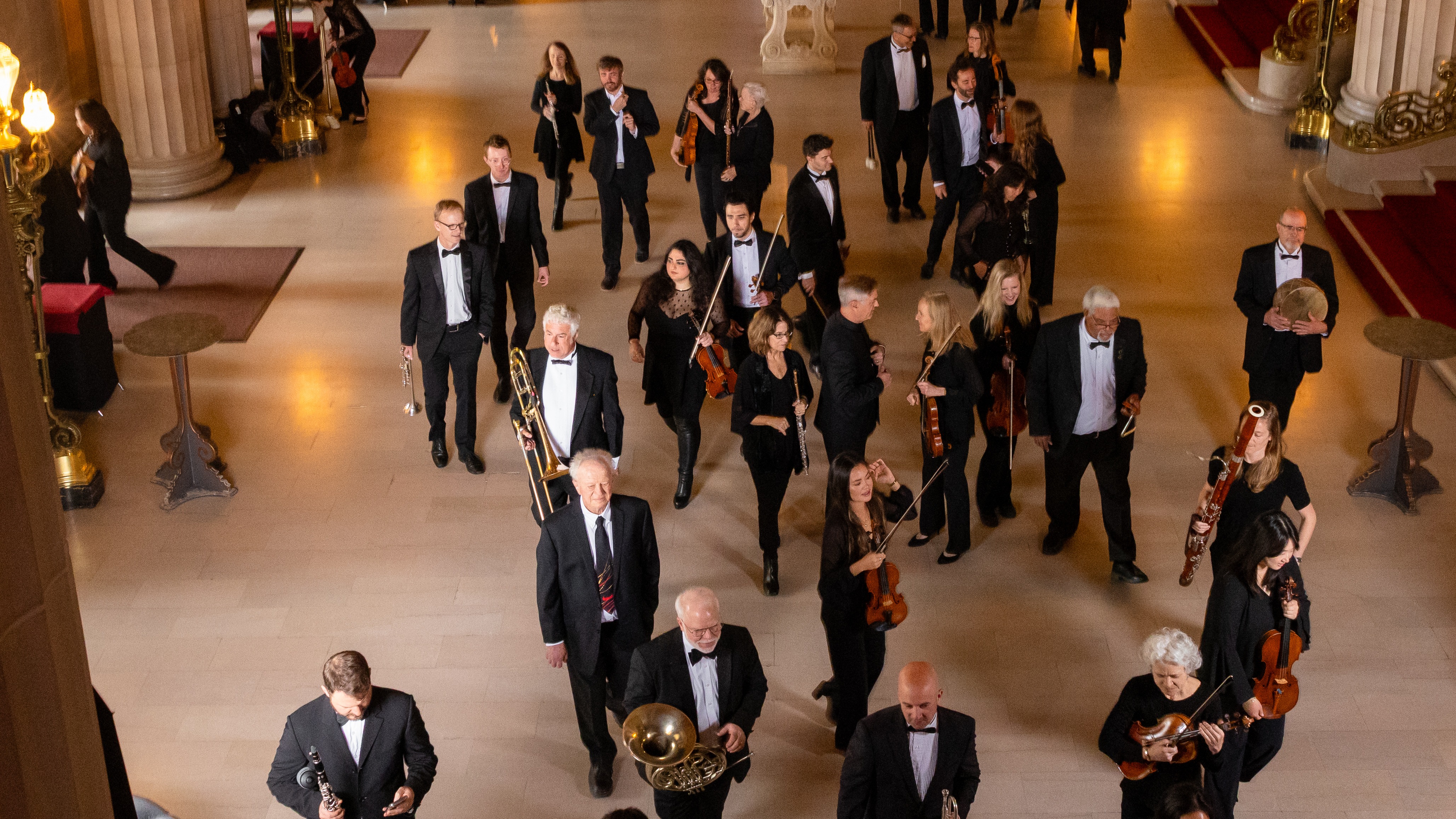
The orchestra of 45 regular members and six season substitutes continues to celebrate a half century in the pit of the War Memorial, where SF Ballet first performed in 1933, with a pickup orchestra, just a year after the building’s inauguration. For more of the orchestra’s history, see further below.
The SF Ballet Orchestra will rise from the pit to the stage for a free community concert on Feb. 26 at SF Conservatory of Music’s Caroline H. Hume Concert Hall, and the SF Ballet Orchestra’s 50th Anniversary Concert on March 8 in Herbst Theatre.
The community concert will include works by finalists of the Legacy Orchestral Composition Competition. The project promotes the creation of orchestral works suitable for dance collaborations.
Cordula Merks, the Ballet Orchestra’s concertmaster since 2015, says of the competition: “It is the brainchild of my orchestra colleagues and fully funded by them, to be an annual event. In this inaugural year, 173 composers entered their pieces!”
West, who became music director 21 years ago, says: “The composition contest was inspired by [SFB Artistic Director] Tamara Rojo’s vision to propel ballet into the future. This competition hopes to discover the best of a new generation of composers. We have chosen three finalists from almost 200 applications. Each are unique in their own way, and we are looking forward to playing them live for the public.”
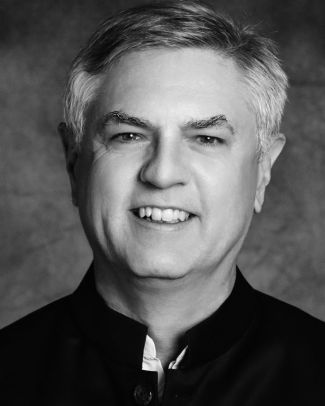
The three finalists are Bobby Ge, Simon Rivet, and Sheridan Seyfried. The community concert, with the participation of Conservatory Orchestra musicians, will also include the Overture from Mendelssohn’s A Midsummer Night’s Dream.
The program for the March 8 concert will include music by Nikolai Rimsky-Korsakov, Björk (Guðmundsdóttir), Bernard Herrmann, Sergei Prokofiev, and Léo Delibes.
West says he’s planned a program “that showcases every member of our orchestra — Rimsky-Korsakov’s Scheherazade is the perfect piece in that regard: an absolute masterpiece of orchestral coloring and virtuosity.
“The orchestra is a significant part of the legacy of San Francisco Ballet, and our impact continues to grow each season. Over the past few years, original members have begun to retire, and we have attracted some extraordinary younger talents to fill their shoes. We are premiering new works by exciting composers and recording them for the wider public as much as we can.
“Our musicians are proud to be part of what is known as one of the friendliest groups in the nation, who each strive to be their best and expect the same commitment from their colleagues.”
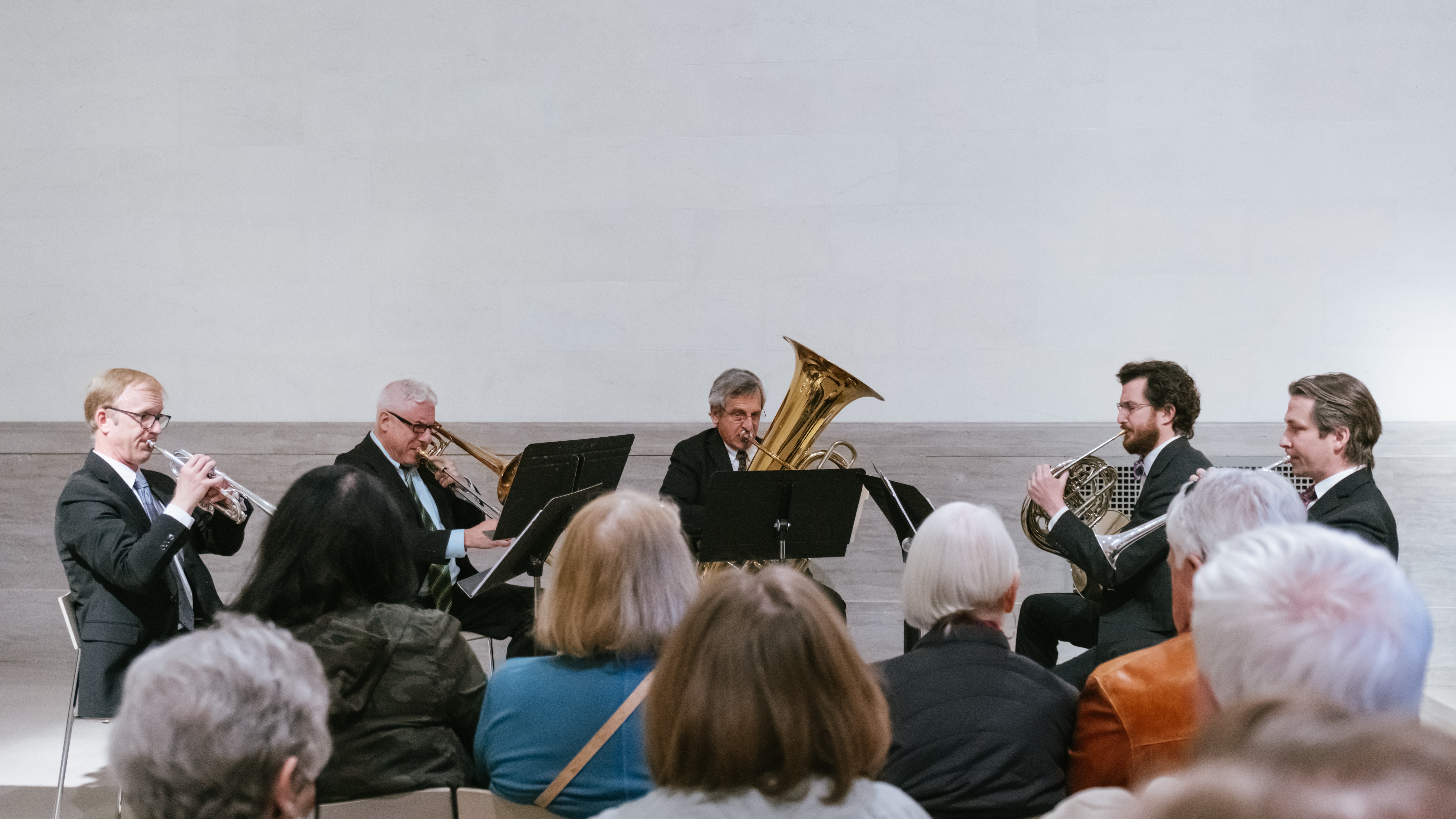
Peter Wahrhaftig, principal tuba, told SF Classical Voice about his experience at SF Ballet:
Playing in a ballet orchestra has significant differences from playing in a symphony orchestra. The acoustical challenges of playing in the pit are unique, and quite different from playing on stage in a symphony orchestra.
“The Opera House pit is quite wide, and there’s a significant delay in hearing colleagues who are playing on the other side of the pit, due to the Doppler effect. In a symphony orchestra, there’s a goal of playing perfectly together with your colleagues, in real time. In our orchestra, if you’re playing with your colleagues located across the pit, you’re late! So, we have to adapt and adjust.
“Of course, our musical goals are the same, to create great ensemble playing, but we must anticipate and interpret the conductor’s gestures in a different fashion as playing on stage. The musicians in our orchestra are wedged into much closer confines than those of a symphony orchestra and must be constantly musically and personally aware of our colleagues’ actions.
“The SF Ballet Orchestra is especially musically cohesive, due to personal chemistry, musicality, history, leadership, or some other combination that creates the magic musical sauce. We have an orchestra culture where everyone embraces the goal of creating a superlative, unified sound.”
SF Ballet used pickup orchestras until 1965, when the Ballet Orchestra was formed under Music Director Denis de Coteau to provide live music for the company's annual Nutcracker productions.
Originally named the Performing Arts Orchestra of San Francisco, it became the San Francisco Ballet Orchestra in 1983. After de Coteau’s illness and retirement in 1995, Emil de Cou became music director, followed by Jean-Louis LeRoux in 2001, Andrew Mogrelia in 2003, and West in 2005.
The orchestra’s current three-year labor contract, negotiated by the American Federation of Musicians Local 6, runs through 2028. The Ballet’s 84 dancers and other employees who are members of the American Guild of Musical Artists (AGMA) have a two-year labor contract running through June 30, 2026.
The San Francisco Ballet’s last published operating budget for the fiscal year ending in June, 2024 was approximately $66 million. Two years ago, the company received a transformative, anonymous $60 million donation, with $50 million of that directed toward an endowment for new works and $10 million for operating support, bolstering financial stability.