“Kip's a unicorn…. There has never been a Kip. There will never be another Kip,” said Barbara Rominski, archivist of the San Francisco Opera.
She’s talking about Clifford (Kip) Cranna, Ph.D., who, from 1979 until his retirement in 2019, held several administrative roles at SFO. His titles — assistant business manager, director of music administration, dramaturg — don’t begin to describe everything he has done for SFO, and other opera companies.
The renaissance man will be honored by Opera Parallèle on Thursday, March 26, at their annual gala, this year called Dangerous Liaisons, “for his remarkable impact on contemporary opera.” Opera Parallèle is among the many beneficiaries of his deep involvement with opera.
“He has been a huge catalyst for Opera Parallèle,” said Nicole Paiement, artistic director of the company. “When I first arrived in California, I was faculty at UC Santa Cruz. I decided that I wanted to do this big symposium on new directions in contemporary opera. … Someone said to me, 'you should talk to Kip Cranna.'”
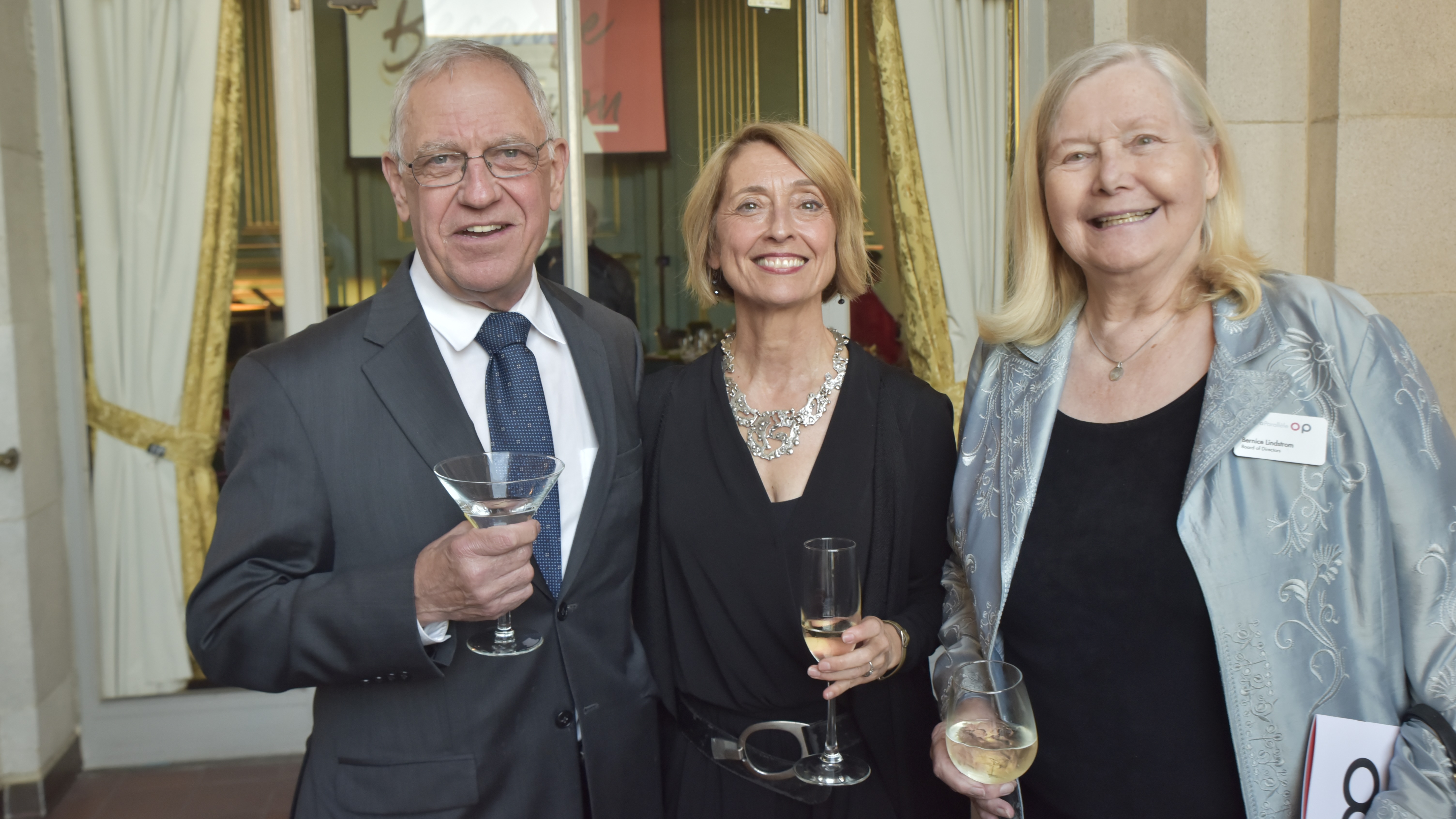
She did, and Cranna participated in her symposium without pay. When she and Brian Staufenbiel started Opera Parallèle, he became a member of the nominating committee that identified the founding board members, including the late Bob Ellis, who became the company’s first big financial supporter. He also connected Paiement with the San Francisco Opera Center’s Merola and Adler programs, enabling her to recruit singers for her company.
Cranna has served as an artistic consultant at Opera Parallèle. For the revised version of composer Stewart Wallace and librettist Michael Korie’s Harvey Milk Reimagined, which the company performed last year, he provided materials from the original SFO production and feedback on the revision. He also advised the librettists of two of Opera Parallèle’s Hands-On-Operas, The Emissary and Hello, Star.
The administrator joined SFO under General Director Kurt Herbert Adler and stayed with the company through the tenures of Terence A. McEwen, Lotfi Mansouri, Pamela Rosenberg, David Gockley, and Matthew Shilvock. The only general director he didn’t work for is company founder Gaetano Merola, who died in 1953. Now 79, Cranna still works at SFO on a consulting basis.
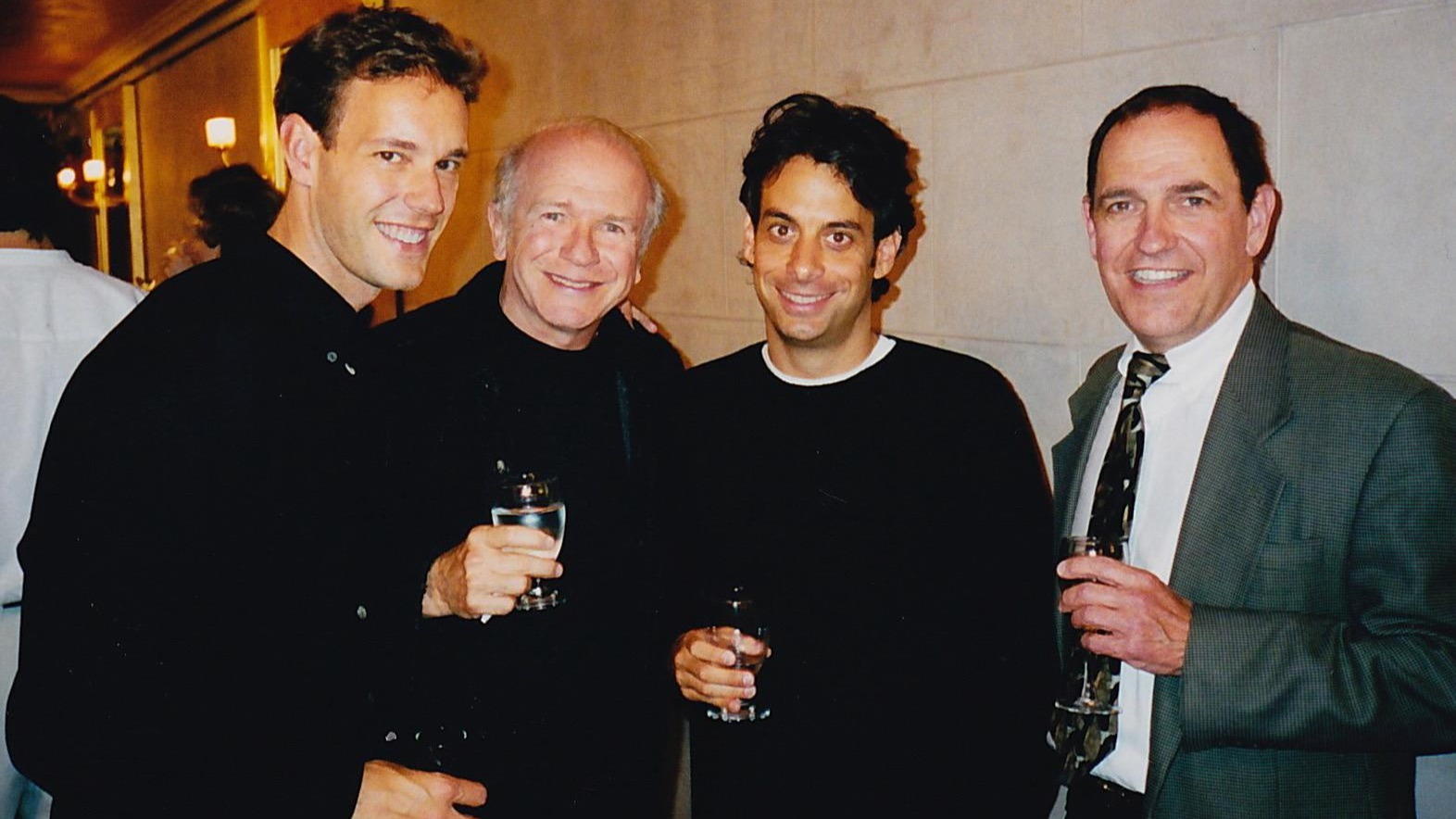
His route to San Francisco Opera, and the many hats he’s worn there, was circuitous. Born and raised in North Dakota, he came from a musical family. Growing up, he first thought he would be a high school music teacher, but that quickly changed.
“I thought I wanted to be a singer, and I joke about that,” he said in an interview. “At the University of North Dakota, I tried out for the opera workshops, and they gave me mute parts, which I think was a signal that I wasn't going to be a great singer.”
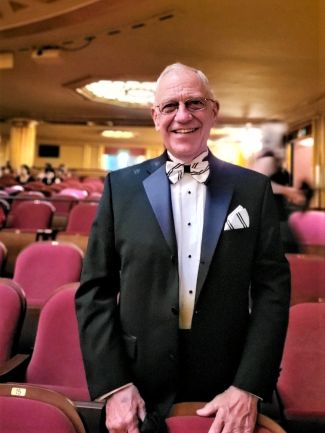
After receiving a degree in choral conducting, he joined the U.S. Navy and became a communications officer. During his service, he spent two years in Naples, Italy — and went to the opera a lot.
He had applied to graduate school before enlisting and enrolled at Stanford University when he returned to the United States. There, he wrote a dissertation on Cartella musicale — a treatise on ornamentation, continuo, and contemporary changes in musical style by the 17th-century composer and theorist Adriano Banchieri.
During his time at Stanford, Cranna also met his partner (now husband), choral conductor and musicologist Bruce Lamott. They’ve been together for more than 50 years.
Cranna’s first SFO position was as assistant business manager, working with Robert Walker. He found the job through James Schwabacher, the tenor and philanthropist after whom the Schwabacher Recital Series is named. His responsibilities included assisting Walker with union negotiations, ensuring that contracts were signed, working on telecasts — which were then new to opera companies — and other administrative details.
During the transition from Adler to McEwen, a new possibility arose. The new general director, who started with the company before Adler left, spotted Cranna as an employee with unfilled potential (“I think you don’t have enough to do,” McEwen said), and asked him to become director of music administration. He served in this capacity from 1982 to 2014, and it’s in that role that he had the most impact.
His areas of responsibility were enormous. He handled union negotiations, oversaw work on more than 30 new operas commissioned by SFO, scheduled the seasons (including the complex rehearsal schedule), interfaced with conductors, and managed personnel matters.
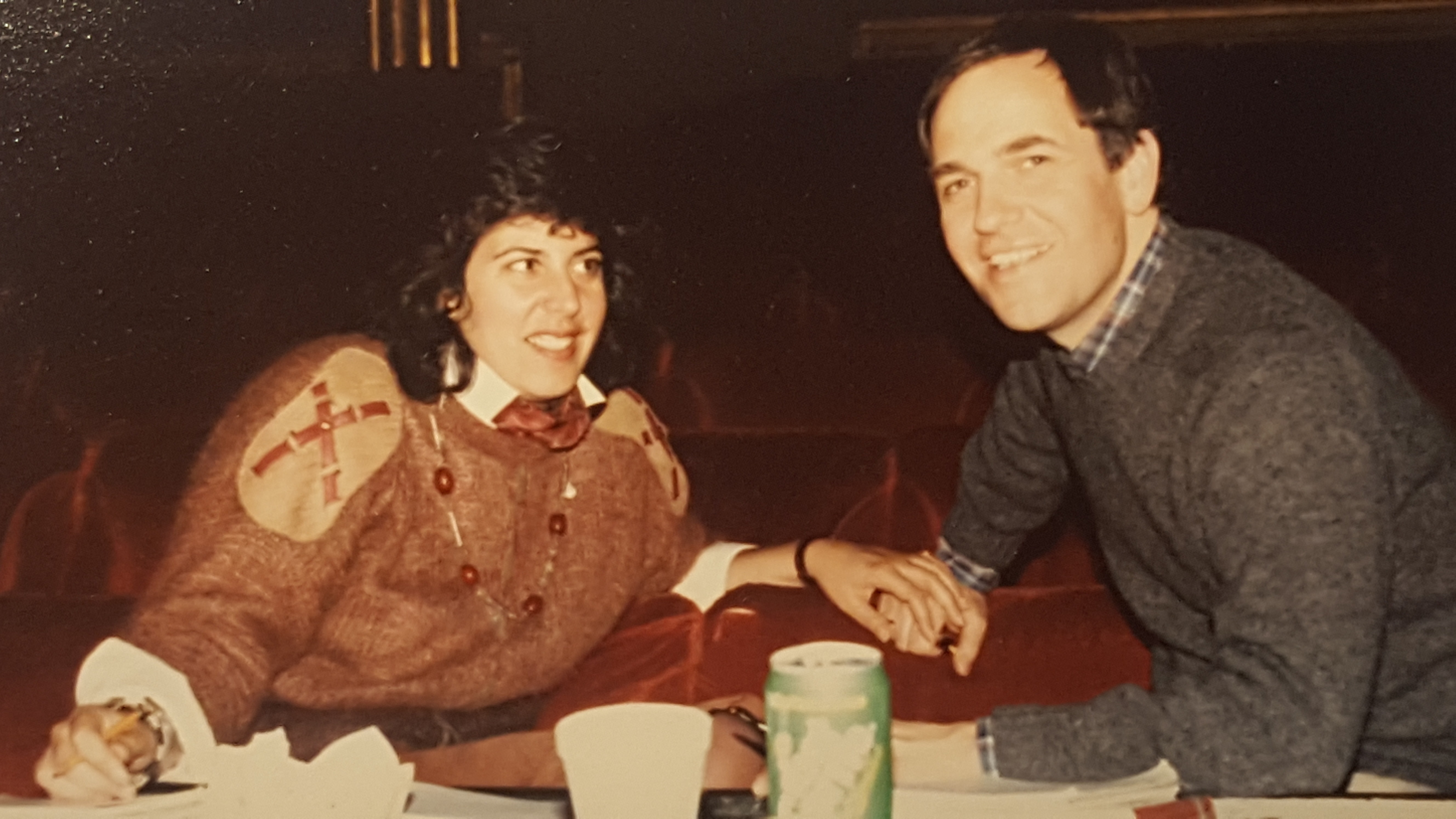
He also helped choose which edition of an opera to use when multiple versions exist, gave pre-performance talks, and acted as editor-in-chief for all supertitles, writing them for more than a dozen operas dating back to SFO’s first use of them in the mid-1980s.
“I worked with Kip on every single thing I ever did at San Francisco,” said director Francesca Zambello. “He's a true force for good, for making the show the best that it can be.”
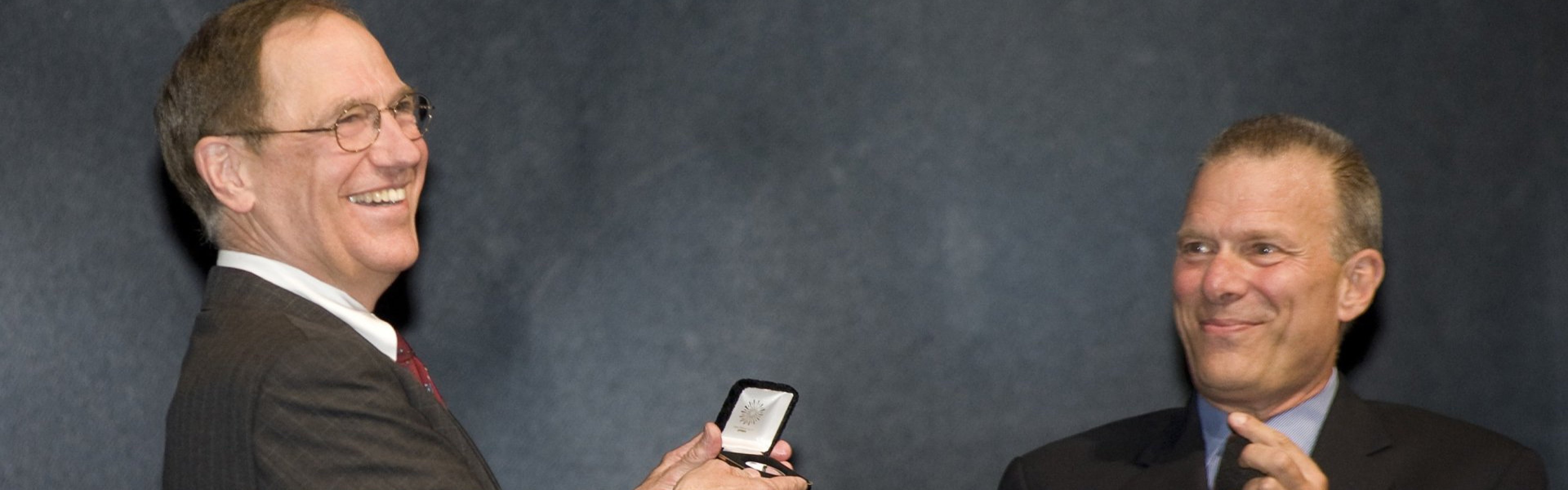
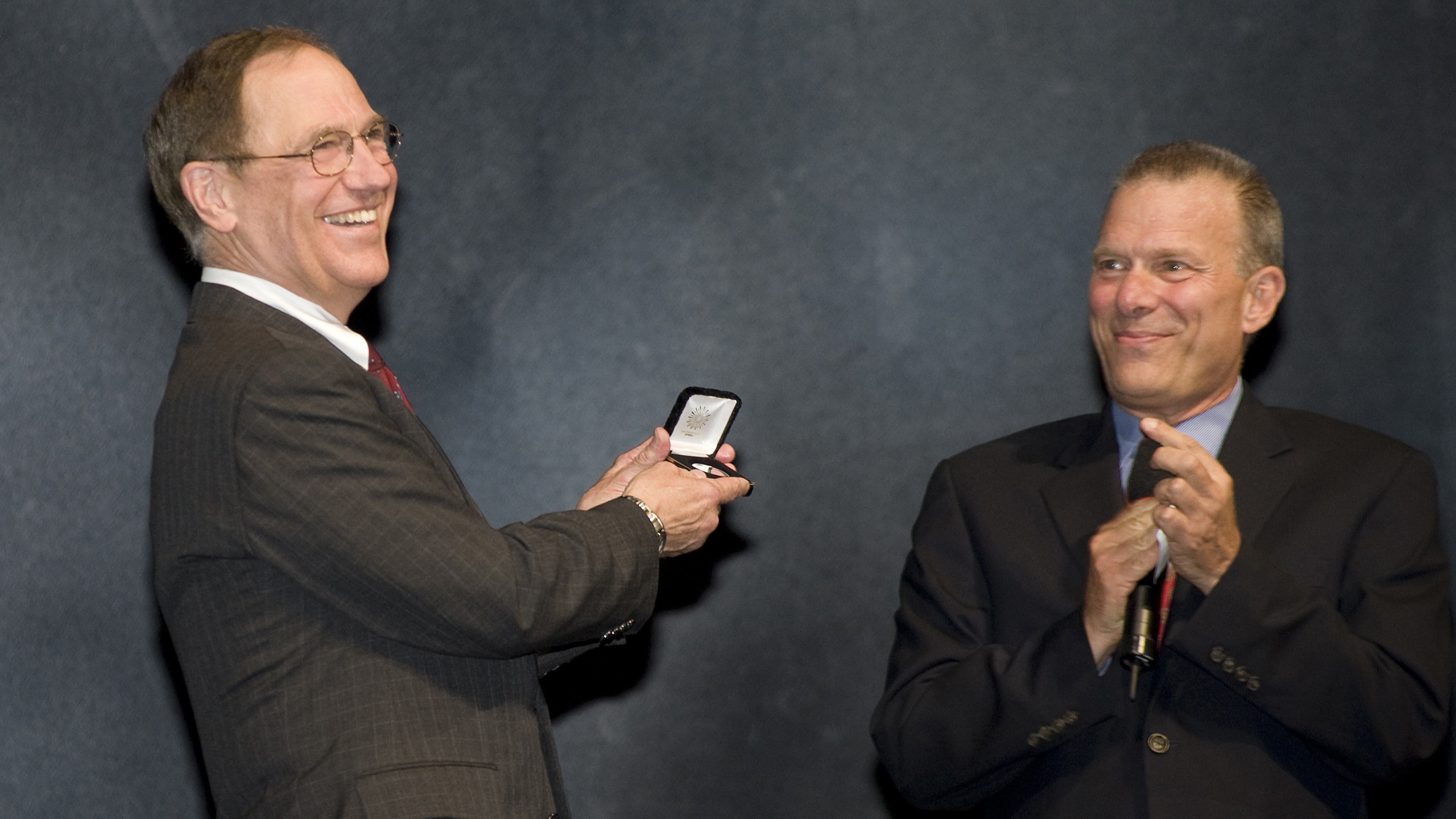
In 2008, SF Opera presented Cranna with the San Francisco Opera Medal, the highest honor it can bestow on an artistic professional. Other recipients have included luminaries such as composer Jake Heggie, singers Susan Graham and Nina Stemme, and former head of properties Lori Harrison.
“Kip Cranna is a truly extraordinary person who contributes gracefully and quietly behind the scenes day in and day out,” said David Gockley about the administrator. “With the greatest respect to our neighbors at Lucasfilm, Kip Cranna is San Francisco Opera’s Obi-Wan Kenobi, a wise and benevolent force behind the scenes at the complicated, political, and dramatic galaxy called San Francisco Opera.”
Pamela Rosenberg joined in the accolades. “He is probably one of the most musically erudite of all the people I’ve had the privilege of working with, and he is certainly one of the kindest and most generous,” she said. “Kip Cranna is always ready to serve the company, and above all, to serve the music.”
Six years after receiving his medal, Cranna decided it was time to step down from his position. He explained that he was responsible for easing artists whose performance had declined out of the company, including choristers, dancers, and members of the orchestra.
“There are procedures to essentially oust someone who isn't performing well, but it's not a pleasant process for anyone involved,” he said. “You know, having to go to lunch with a 42-year-old dancer and say, ‘have you given any thought to the future?’” He wanted to leave ahead of the push.
“After 35 years, I thought, ‘I don't want ever to be on the other side of the table in a conversation like that.’ So I went to lunch with David Gockley, and I told him that, and he said, ‘Well, are you thinking about retiring, or are you thinking about a new job description?’”
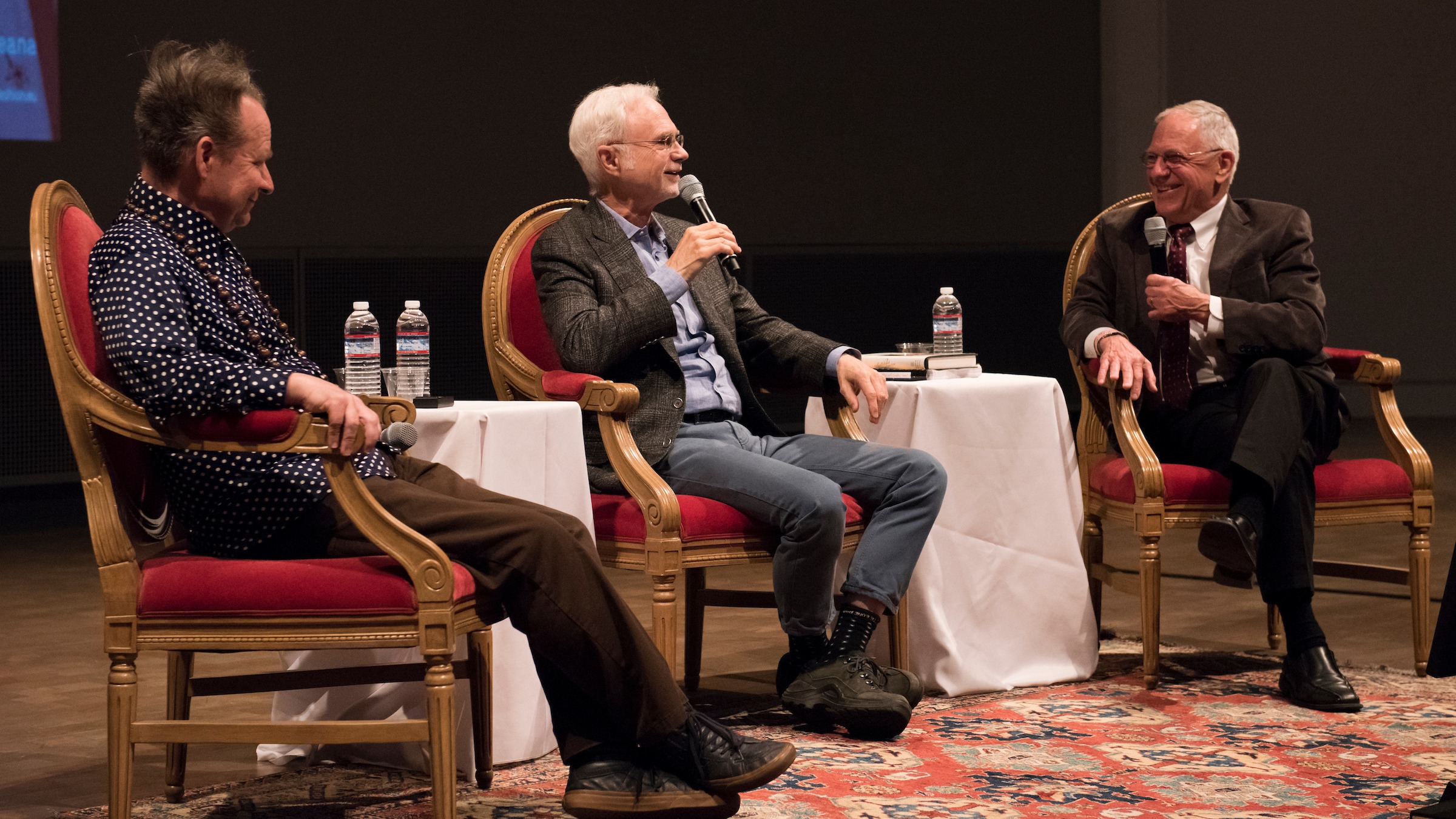
After this conversation, Gockley created a part-time dramaturg position specifically for him, one that incorporated Cranna’s favorite aspects of his prior role. These included working with composers and librettists on commissions, supertitles, writing program notes, and choosing music for the SFO website.
Even after his retirement in 2019, Cranna, now Dramaturg Emeritus, continues to consult for SFO. With Barbara Rominski, he also interviews company members for the Memories project. He teaches classes on opera at several Bay Area institutions, consults on commissions for Hawaii Opera Theater, Opera San José, and Dayton (OH) Opera, and serves on several nonprofit boards.
His vast wealth of experience might make Cranna look like a potential general director for an opera company, but it’s not a job he has ever wanted. “You know, I like to sleep at night, and that is one of the reasons I never really aspired to the number one slot, where everything is on your shoulders,” he said. “I've always liked being in a position to be the support for the person on top, without that overwhelming responsibility.”
He has no plans to write a memoir. “The oral history I did for UC Berkeley will have to suffice. I think that if I did a tell-all memoir, I'd have to go into the Witness Protection Program.”
Reflecting on his career, Cranna said “I was lucky to be able to get into the opera world, working with people who really could sing very well, and wonderful pianists and musicians, conductors, and then especially composers and librettists. That was a great joy, to be able to work with creative people like that.”