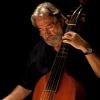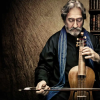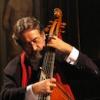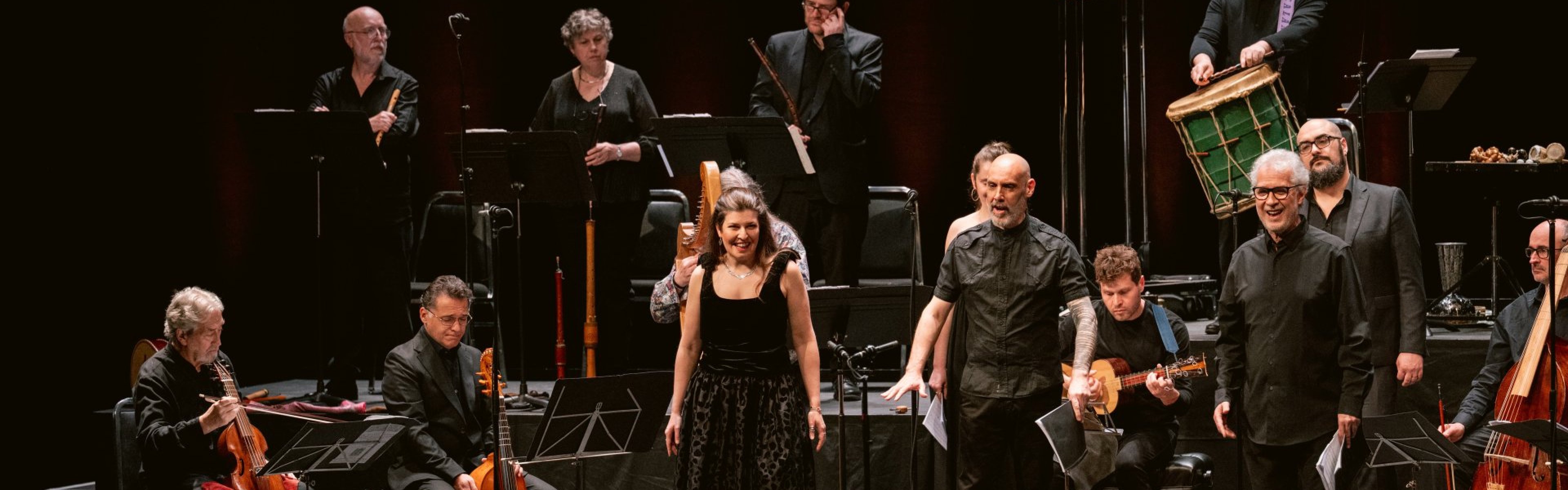
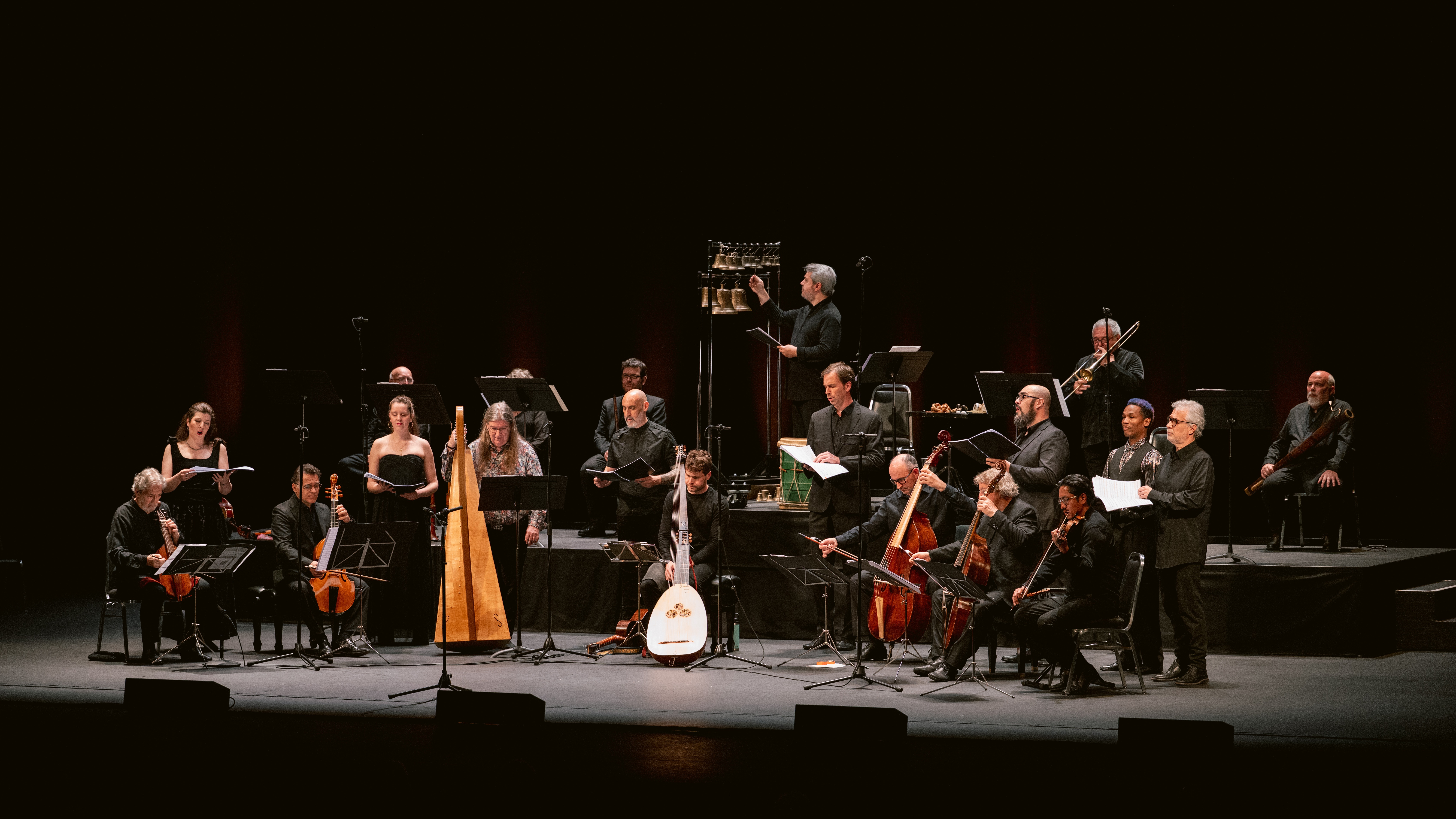
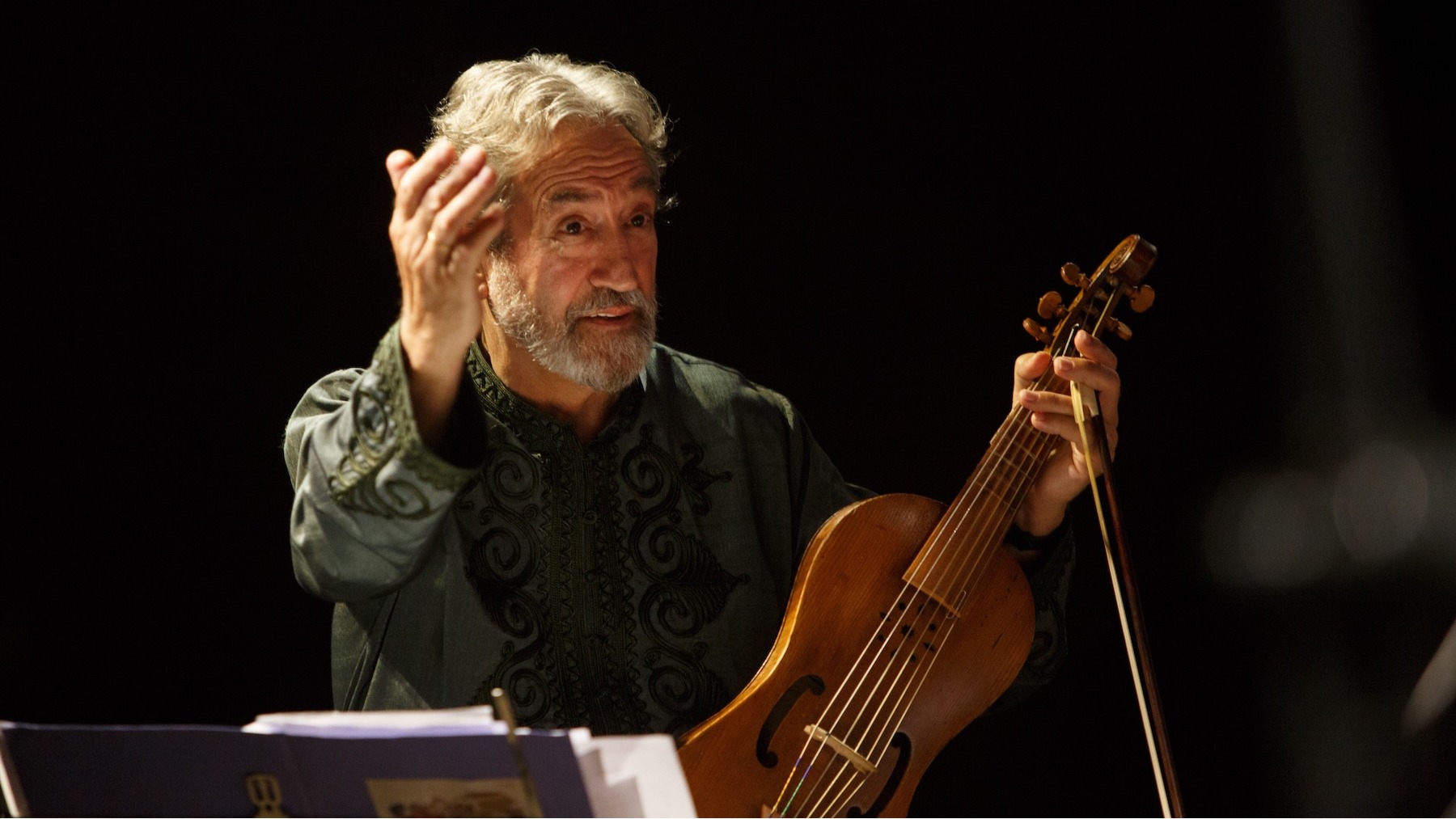
Jordi Savall, master of the viola da gamba and long one of the great stars in the early music sky, came to Cal Performances for one of his nearly annual visits. This time, performing in Zellerbach Hall on April 21, he brought the big-band version of Hespèrion XXI, with 13 instrumentalists, the small chorus known as La Capella Reial de Catalunya (The Catalan royal chapel choir), and several guest artists.
The audience was large and enthusiastic, the selection of works and composers enticing, and yet the evening felt a bit flat, though it’s hard to be sure about the reasons.
Overall, a certain sameness of tempo undermined the concert: too many of the numbers were played at a stately speed, performed carefully and without much spontaneity. Quicker tempos and looser performances would have greatly enlivened the program.
It’s also difficult to know what impact Zellerbach Hall itself had. The hall is equipped with a Meyer Constellation sound system to mitigate the comparative deadness of the space. The resulting sound has an artificial quality and little resonance.
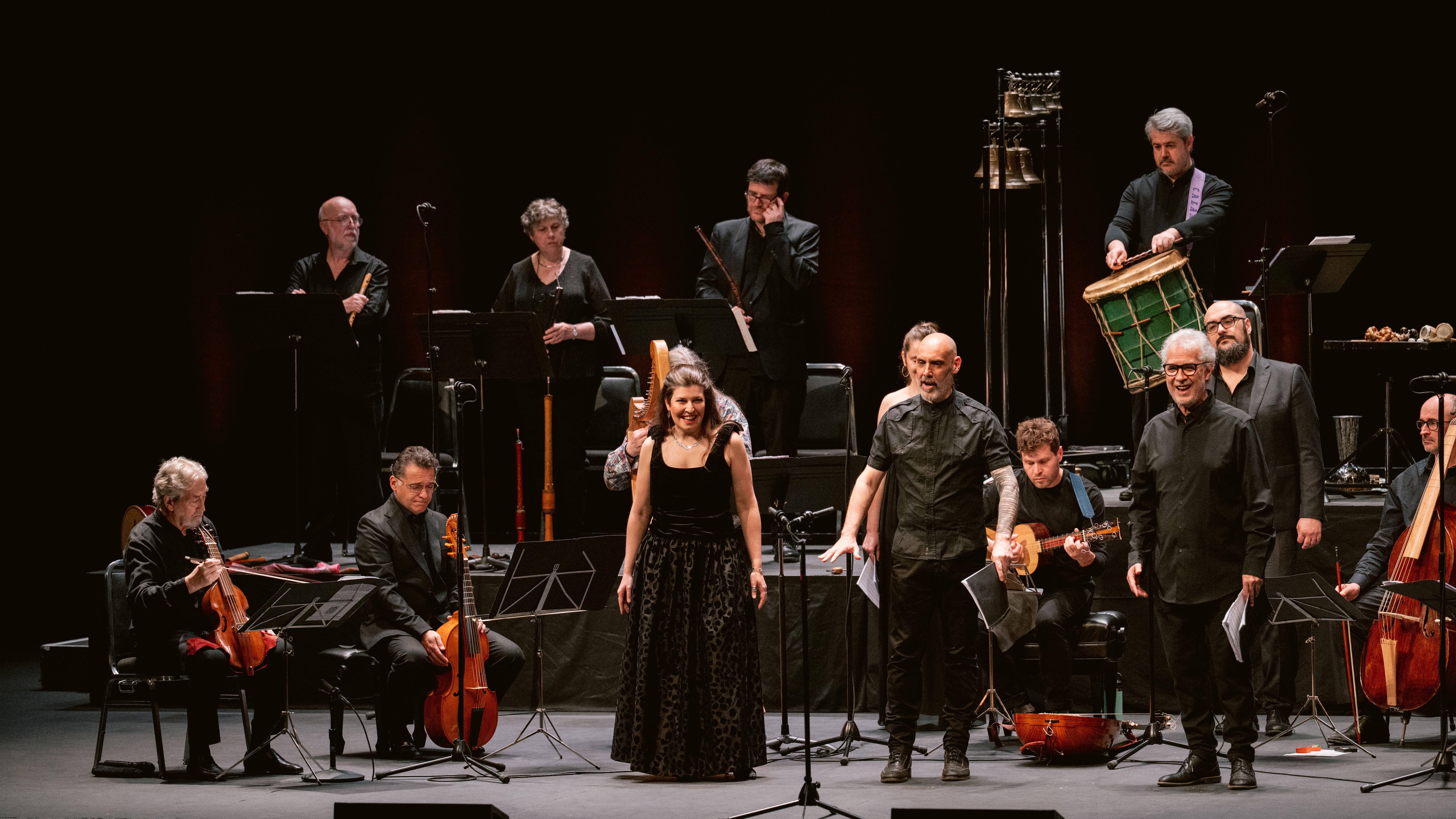
When the solo singers were close to the microphones at center stage, their voices seemed to come from speakers far above the stage, even though the instrumental sound was coming from the stage itself. Were the constrained performances because the performers couldn’t hear each other as well as they would have in a livelier hall?
Nonetheless, the concert offered much of interest. Savall called the program “Songs, Battles, and Dances from the Old and the New World (1100–1780),” and it truly traversed a great range of musical styles from those nearly 700 years. Songs created by kidnapped and enslaved Africans, music from different Jewish traditions, culture-blending music from Latin America, and Renaissance dances from Europe all fit neatly on this program.
This kind of cross-cultural program has been typical of Savall and Hespèrion for many years, in performance and on record. The result is a delicious smorgasbord of contrasting styles.
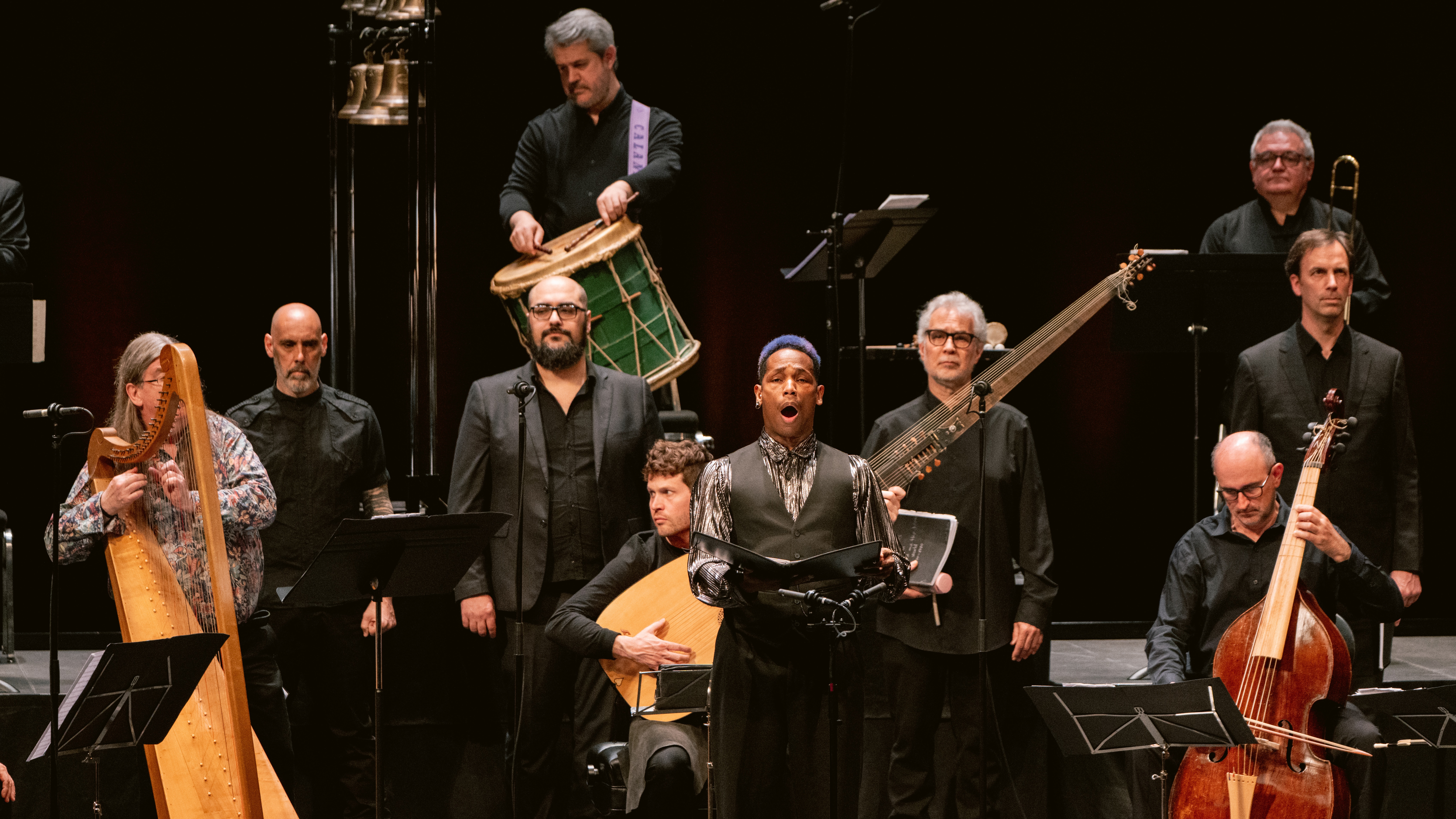
A roll of drums, with bells chiming along, announced the concert’s start. The first several works were more about peace than about battles. Baritone Yannis François, from Guadeloupe, intoned a French Crusader song by the early troubadour Marcabru about washing and cleansing in the face of possible death, surely spiritual as well as physical cleansing. This segued into two movements from Missa Da pacem, which is sometimes attributed to Josquin Desprez.
“El pan de la aflicción” (The bread of our affliction), a Sephardic Jewish prayer for Passover, sung in Ladino, followed, a breathtaking performance in near darkness by several of the male singers. “El pan” was one of the highlights of the performance, as was the Italian Jewish composer Salomone Rossi’s “Al naharot Bavel” (By the rivers of Babylon), a setting of Psalm 137, also sung by male choristers with the lights out.
François and Neema Bickersteth, who are both Black, sang slave songs, with varied accompaniment. Blues (Celtic) harp is a real thing, played idiomatically by Andrew Lawrence-King. “The King’s Morisco,” credited to Robert Johnson and William Brade, played by all of the wind and string players, had plenty of zip.
“El Congo: A la mar me llevan” (They are taking me away to the sea), the first of three selections from the 18th-century Peruvian Codex Trujillo, was surprisingly upbeat despite the theme of kidnapping. “El Chimo, Jaya llûnch,” the second, is a solemn lament.
The concert closed with an encore of “Amazing Grace,” arranged by Lawrence-King, which Savall announced as a prayer for peace. It started as a vocal solo and slowly expanded to include the entire ensemble; then, each member dropped out, leaving just a voice or two, and it was the most moving performance of the hymn imaginable.