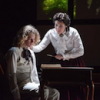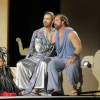
When West Edge Opera opens its season with Benjamin Britten’s The Turn of the Screw, it will be a “take two” for three of the production’s creators. General Director Mark Streshinsky, Music Director Jonathan Khuner, and soprano Laura Bohn all collaborated on the company’s previous presentation of the opera, back in 2013.
In separate interviews with SF Classical Voice, all three artists emphasized that the opera’s shadowy, psychologically complex world, taken from Henry James’s 1898 novella of the same name, is worth another look.
Britten’s 1954 work, written with British librettist Myfanwy Piper, is the story of a governess who travels to a remote country estate to care for Flora and Miles, two children who have experienced several rounds of unimaginable loss. Soon, she comes to believe that the home is haunted by the ghost of Peter Quint, the estate’s former manservant, and Miss Jessel, the prior governess.
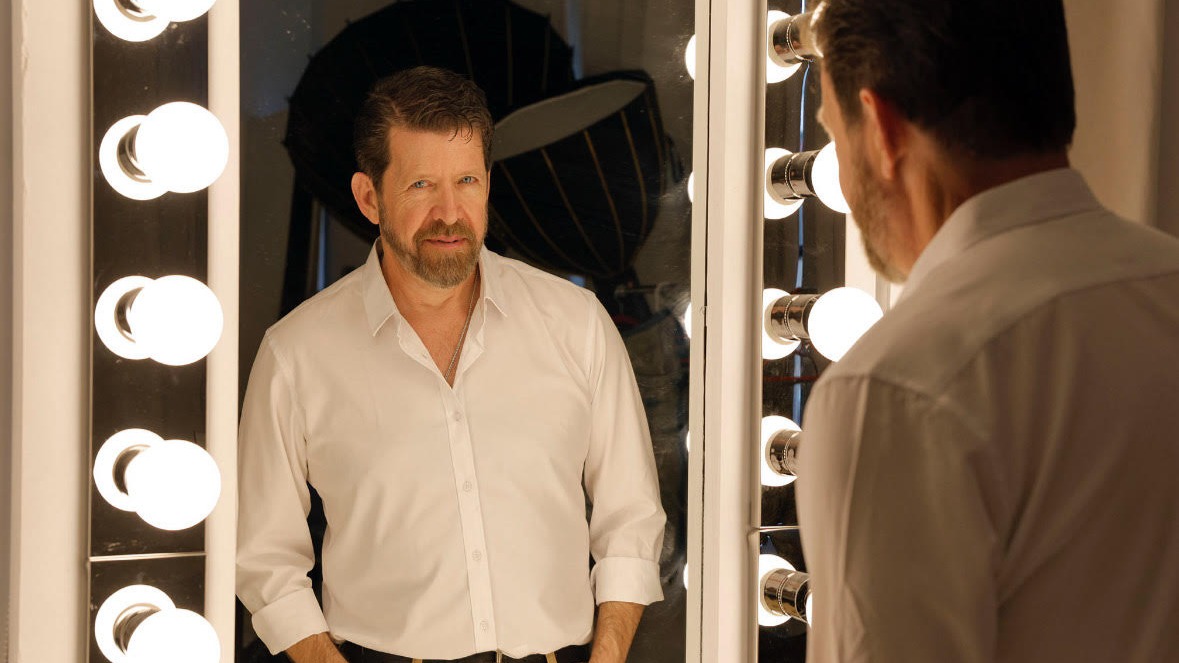
What has changed for West Edge's team? For one thing, the technical side of the new production, which opens at the Oakland Scottish Rite Temple on Aug. 1, is more ambitious and contemporary. “This time, our talented production designer, Yuki Izumihara, has created abstract scenery of the house that surrounds the cast. The audience will feel they are in the middle of the estate. The ghosts will act live and be projected via video,” said Streshinsky. The company’s current financial stability makes it possible to do more with the material, he added.
The team has set this production in the 1950s, the same decade in which the opera was written. “The time period makes it so relatable, because Flora and Miles behave more like the schoolkids we know today. We don’t have to interpret late 19th-century British norms in behavior or costume,” said Khuner.
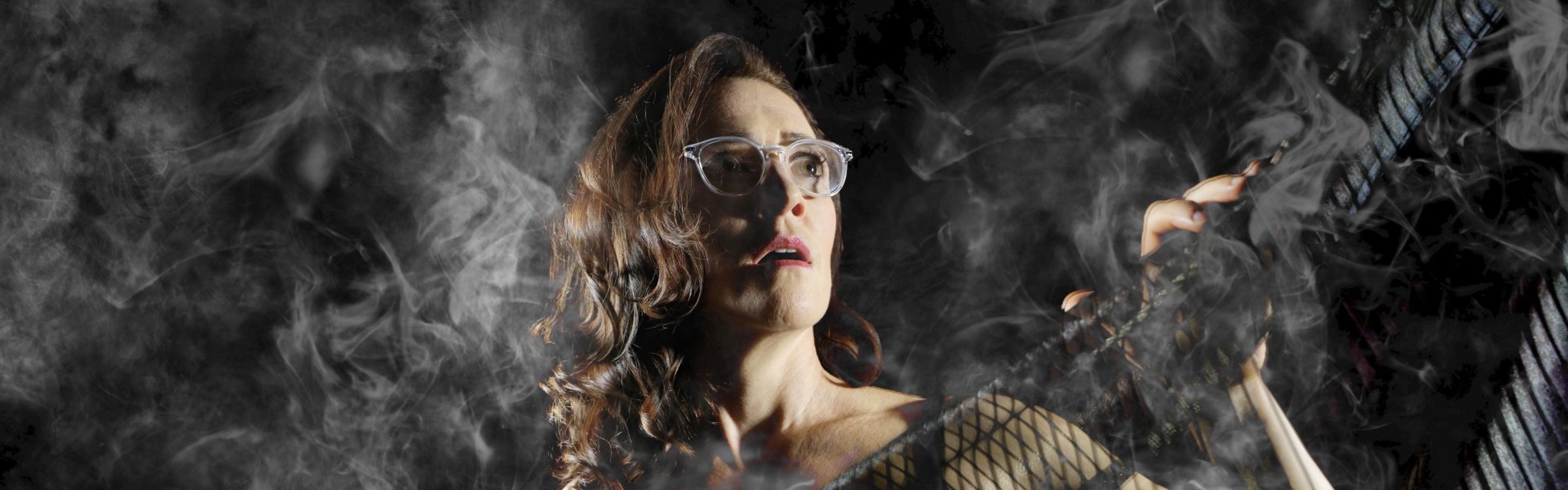
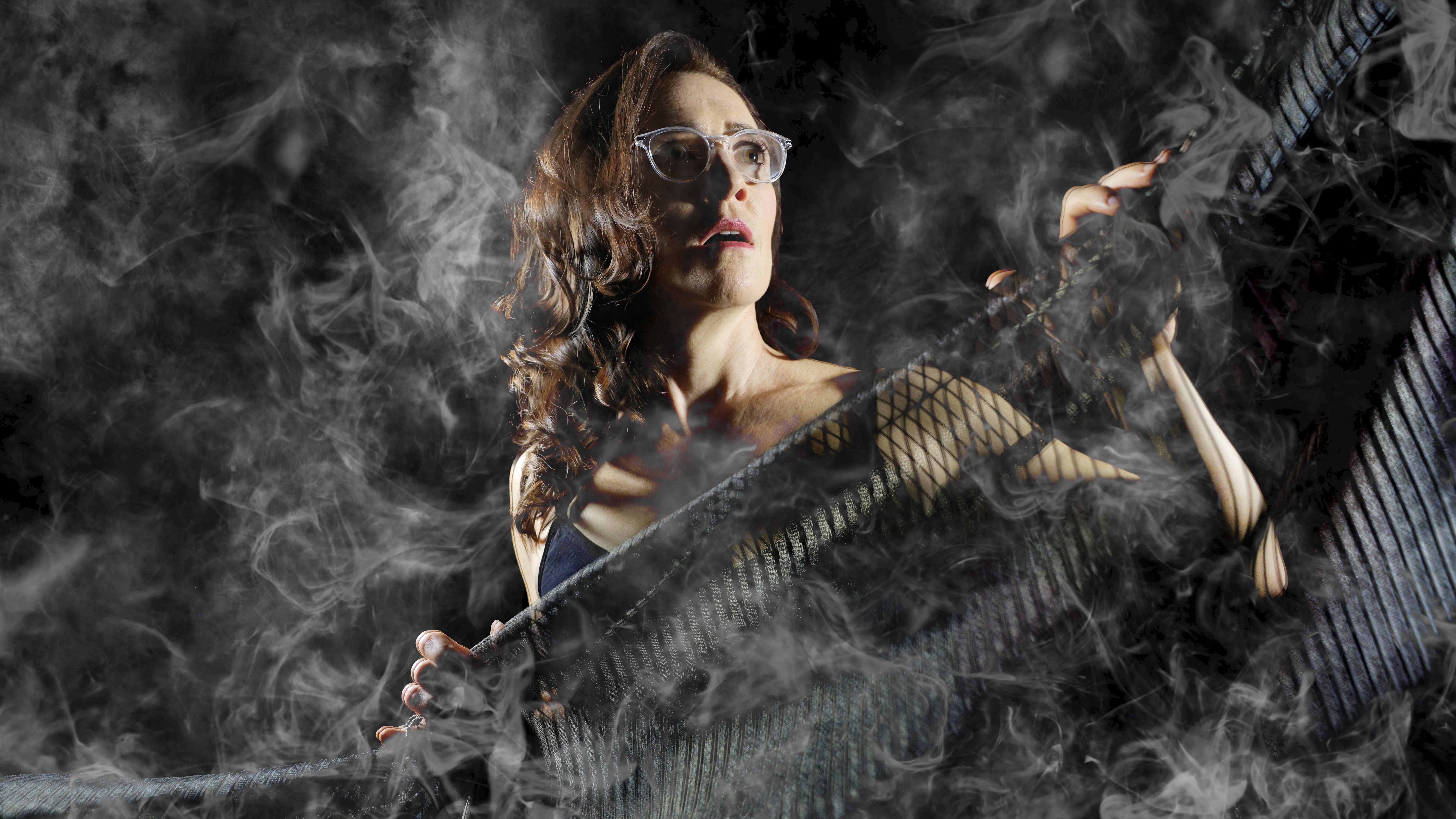
Bohn’s role is the opera’s center. The Governess’s emotions shift from hope to paranoia, and from longing to despair as she starts to lose track of what is real and what is imaginary. “The question I develop is, ‘How am I going to save these children from the ghosts?’ The opera becomes a hero’s journey, even though my character becomes paranoid. She starts to see ghosts in the shadows,” said Bohn.
Britten’s atmospheric, tightly constructed score is another reason to revisit the opera. The singers are accompanied by a 13-piece chamber orchestra with winds, strings, a harp, a piano, and one percussionist. The music’s main feature is a slowly twisting 12-note theme that reappears as a basic element throughout the work.
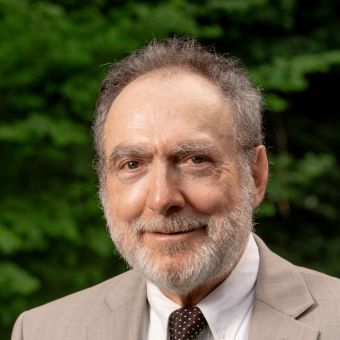
“The audience should listen for connections to the theme in all of the acts,” said Khuner. “The first time it appears is in the opening prologue, when the orchestra plays it very slowly. Then they’ll find it woven into the score almost everywhere.”
Khuner has revised some of his ideas about the music. ”In the opening scene, a long bumpy drumbeat suggests the Governess is riding in a country carriage to the estate. Last time, we made it sound as if she was experiencing intrusive thoughts on her way there. This time, we’ve made it sound only nervous. She’s just preparing to go,” he said.
The conductor is hoping to highlight Britten’s dramatic use of the different instruments. A flute may play notes that sound like birds in a garden or a primal shriek. “The drums can create kind of a heartbeat or the tremor of anxiety,” he pointed out. One of the Governess’s arias is a duet with a frenetic cello line. “The instrument’s part sounds a bit like Rimsky-Korsakov’s Flight of the Bumblebee,” said Bohn.
The score is so unique that subsequent composers and librettists did not imitate the opera’s style. According to Khuner, Britten’s musical conception owed much to the composers of the Second Viennese School. The triumvirate of Arnold Schoenberg and his students Alban Berg and Anton Webern explored atonality and 12-tone theory between 1910 and 1950.
“They really adapted modern ideals to music. But Britten’s work definitely has an English flavor to it,” he said, adding that he has always been struck by how Britten wrote for the voice in this opera.
“In opera, the voice is not a musical instrument. But Britten tried to control what the singer was doing just enough to capture the different moods of the scenes in close partnership with the orchestra,” he explained.
Unlike some other productions, Bohn noted, here the Governess will be onstage for the entire opera. She witnesses all of the action even when she is not involved vocally in a scene. “This makes the show very strenuous for me. I have to find creative ways to release the tension the character is holding,” she said.
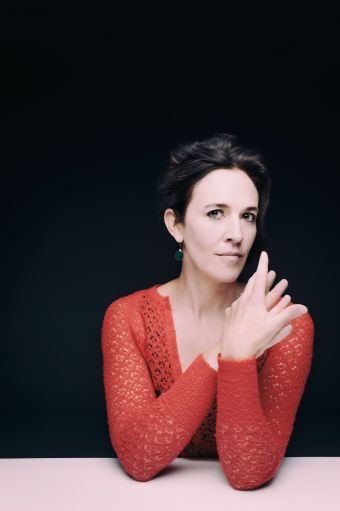
One way she does this is by mentally “standing back” and observing herself as she performs. The strategy helps her keep control over her musical technique. Khuner said the concept assists opera singers, so they do not abandon themselves in the emotions of their characters.
“Literally, you can’t allow yourself to get tense or choked up. Your reactions can’t affect your musculature. You have to deliver lines and notes with emotion. But you can’t react to the extent that an actor might,” he said.
Bohn said the show’s subject material and her role are unsettling.
“I have played several leading roles where the character is on the verge of madness, so it is not unfamiliar territory. I also do a 'shake it off' ritual after rehearsals with the kids in this production. To cope with the demands of this particular process, I have resourced a lot of support, including therapy, acupuncture, meditation, yoga, time in nature, and breathwork to ground myself between rehearsals,” she said.
Streshinsky explained that The Turn of the Screw has multiple elements and threads in its story, which converge. “At one point, it appears Quint’s ghost has come to possess Miles. That’s kind of horrifying,” he said.
He added that the destruction of innocence is a common theme in Britten’s operas. “In this production, we push that idea very far. We’re leaning much more into the ambiguity of the story this time around. Audience members are likely to interpret the production differently from one another,” said the director.
The opera's children roles are double cast, with James Coniglio and Noah Hajduk of the San Francisco Boys Chorus singing the role of Miles in alternate performances. Siena Coniglio and Roya Agarwal alternate in the role of Flora.
“All four bring something to the stage that makes their character stand out. They’re all very good singers. Their memory for lines and notes is amazing,” said Streshinsky.
As the company’s general director, Streshinsky is proud of how far they’ve come in 13 years. “It helps that West Edge Opera has a great donor database. They’ve made it possible for us to be doing well as a company. We’d like to thank them and every audience member for their presence and support,” he said.
For tickets and information on the upcoming performances, visit: westedgeopera.org/turnofthescrew.