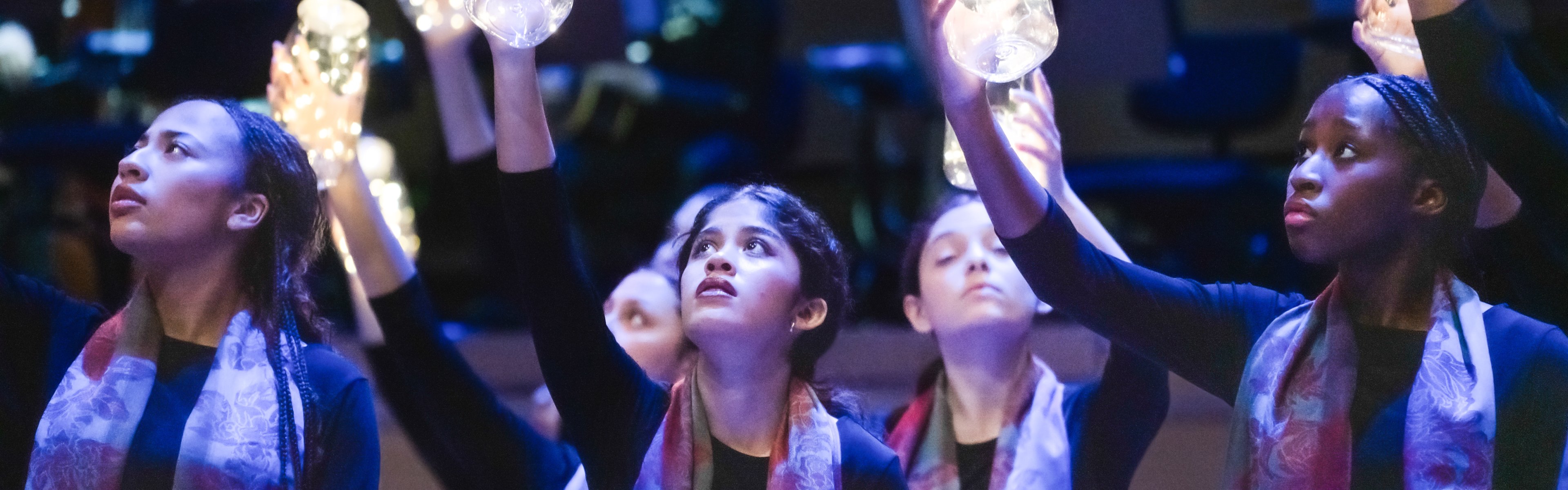
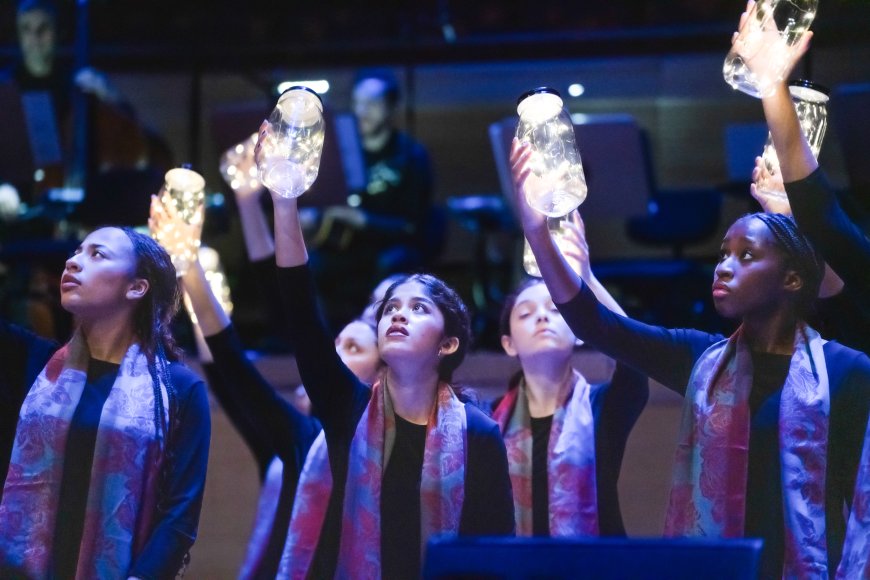
Soon after its founding in 1988 by Francisco J. Núñez, the Young People’s Chorus of New York City proved itself able to serve both the musical needs of ethnically and culturally diverse youthful singers in its metropolitan area and the wider world of composers eager to write for young voice.
Instead of submitting to stoppage by the pandemic in 2020, the YPC decided to sing their way through it, seeking out a way to keep kids active and sharing music during social distancing. Nuñez, the chorus’s artistic director and conductor, and Elizabeth Núñez, his wife and the group’s creative director, invited composers to join them in assembling a compendium of rounds.
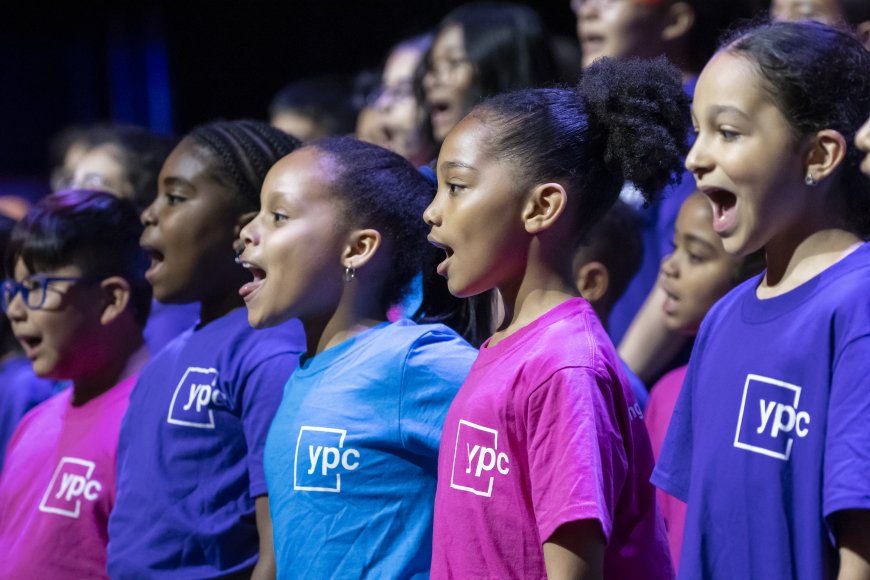
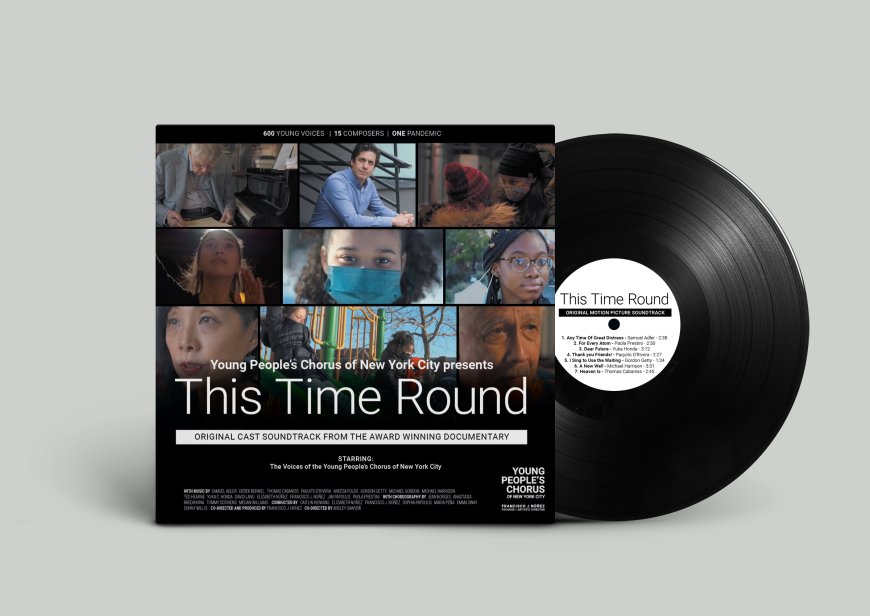
“This collection of canons ... became a lifeline,” notes Francisco Núñez . “The children, aged 7-17, sang and recorded on their phones, using headphones to stay in tempo, from their closets, bedrooms, kitchens. After they sent us their tracks, [our engineering team] created a mix using the Pro Tools digital audio workstation. The complete album preserves that shared experience of resilience and community.” This Time Round, named for the song form, is also the title of an award-winning documentary about the pandemic project; the album serves as its soundtrack.
Many of the 15 musical selections are brief and are presented a cappella. Approaches to the round format are fascinatingly diverse, some sticking to a distinct separation of repeated lyrical lines, others overlapping or blurring the mix.
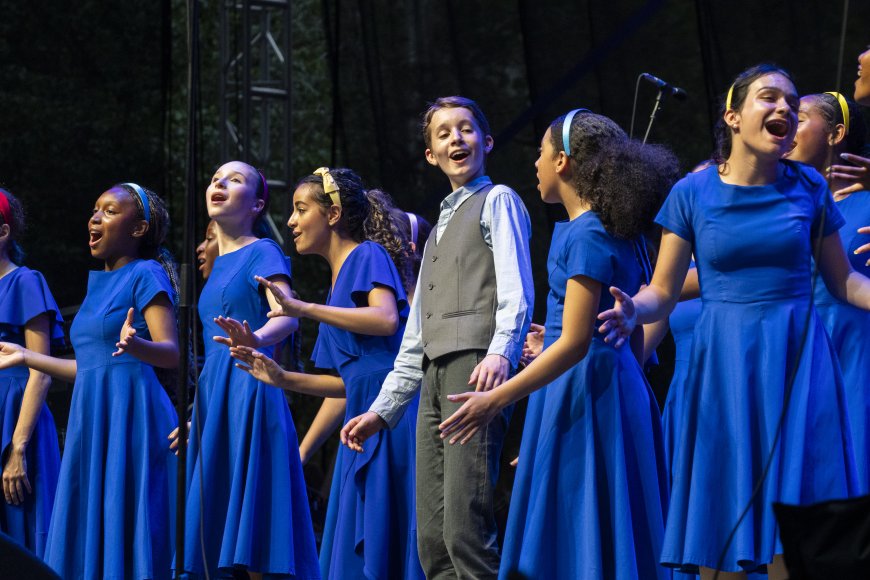
Composer Samuel Adler, one of several on this album who’ve contributed multiple times to the YPC repertoire, provides 18 of the choristers a churchlike arrangement of his lyrics to “In Any Time of Great Distress,” affirming the vital role of music. The chorus confirms its ability to traverse the contemporary challenges of alternative melodic lines and harmonies with pieces by Paola Prestini (who sets a poem by Walt Whitman) and by Cuban American jazzman Paquito D’Rivera.
“The Definition of Crisis,” by Ted Hearne, and “Heaven Is,” by Thomas Cabaniss (whose sons are YPC alumni), let us better hear and appreciate the qualities of individual young voices rounding with each other. “Dear Future,” words and music by Yuka C. Honda, deploys the composer’s electronic pulse behind three siblings, addressing what awaits beyond crisis. The most direct connection to the pandemic is voiced in the words and music of Derek Bermel’s “Cabin Fever,” delivered delightfully as a rap over a beat.
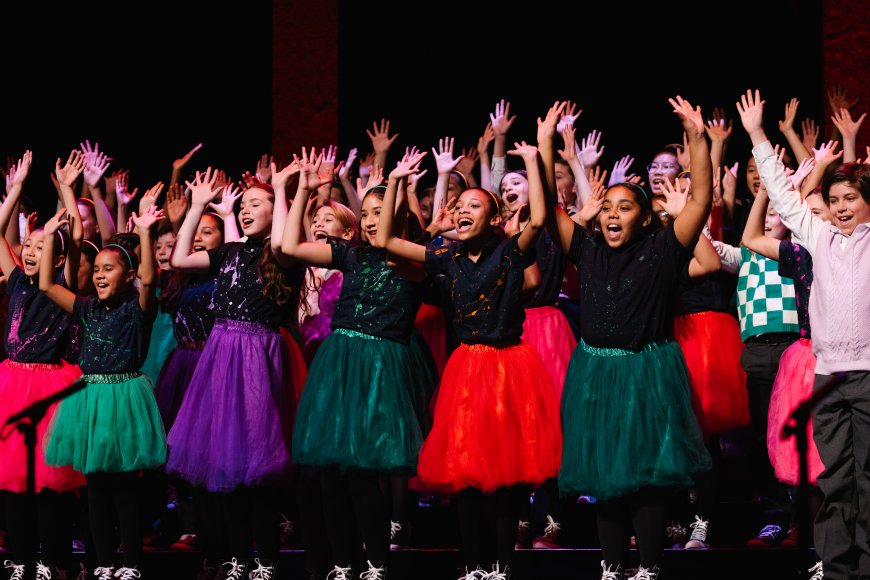
Gordon Getty, a YPC artist-in-residence and legacy honoree, provides a spare piano accompaniment to a pretty setting of Emily Dickinson, one of his favored poetic muses. As in many of his choral works, “I Sing to Use the Waiting” establishes a traditionally solid foundation but proceeds to surprising devices and tempos. This reading has 10-year-old Sofia Abreu ingeniously harmonizing with herself.
Michael Harrison applies his training in Indian classical music to “A New Well,” where the chorus voices work modal melody lines over a drone. David Lang’s “when this all ends” is a surging tide of expression, the words swimming together and indistinct but enchanting. “Como Estoy In Casa,” by Michael Gordon, is sung by siblings in both Spanish and English, in the folky fashion of nueva canción. Elizabeth Núñez’s “My Rainbow in the Window” is a simple and charming song for a pair of young singers with piano accompaniment.
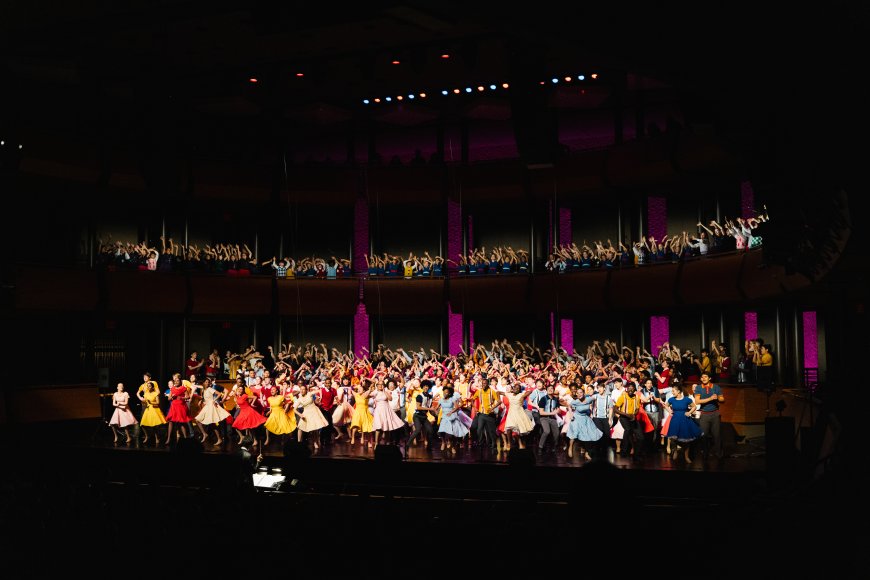
As its title suggests, “Power to the People,” words and music by YPC alumna Aneesa Folds (her first commission), is a gentle but compelling anthem arranged by Francisco Núñez. His own “Come Home” is the album’s penultimate work. Like the opening track, this one wears a quiet hymnal affect, nicely defining the sections of the chorus, expanded to 31 voices singing, “Soon we’ll get back (it won’t be long).”
Beyond being a feat of inspirational group action and engineering at a particular historical moment, This Time Round is a timeless and remarkable exercise in the deployment of single and collective voices across differing compositional approaches.