
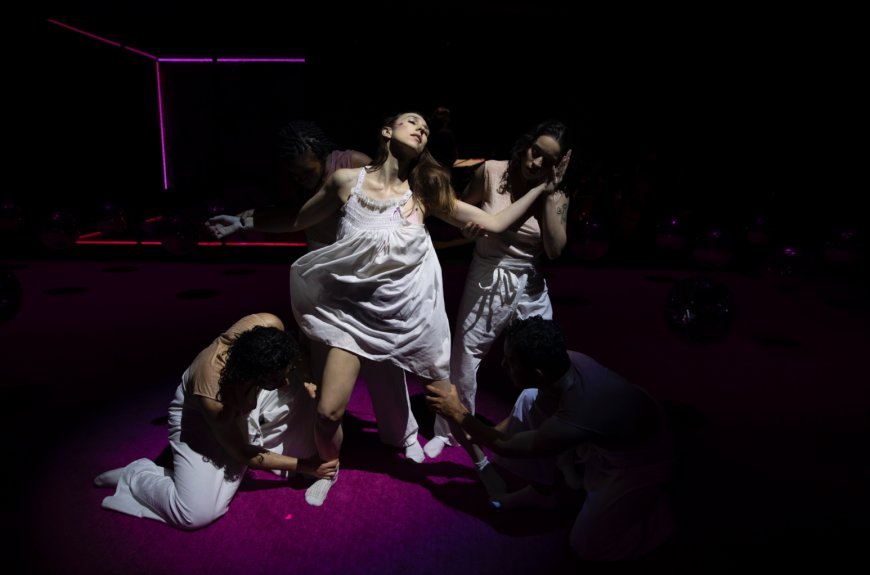
Creative Producer Beth Morrison’s contribution to new works for opera-theatre and music-theatre is virtually as significant as Gordon Getty’s vital philanthropic support of contemporary music, artists, recordings, and productions. Without the commitment and support of either individual, the classical music scene in major cities in the United States would be nowhere near as vibrant and cutting edge as it is at present.
Since Morrison formed Beth Morrison Projects (BMP) in 2006, her company has commissioned, developed, produced, and toured over 50 works across 14 countries. These include two Pulitzer Prize-winning chamber operas, one Pulitzer Prize finalist, and winners and nominees for the Music Critics Association of North America’s annual Award for Best New Opera.
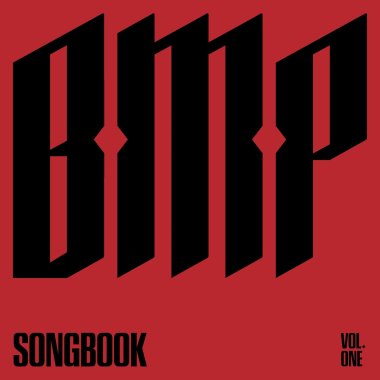
Together, the two volumes of BMP: Songbook, due for release Jan. 9 on the Bright Shiny Things label, include arias from 26 different works. Rather than telling tales of the deities, monarchies, and empires of old, the BMP operas represented in these songbooks address contemporary subjects including immigration, disability, terrorism, and many more. This could suggest, in the Age of Trump, that a new opera about a certain would-be king might prove highly relevant.
Ultimately, what BMP’s operas share with the operas that preceded them is a penchant for drama and a preoccupation with love and truth in all their various manifestations. They are distinguished, however, by the contemporary relevance of their subject matter, their mostly American origins and language, their distinctly 21st-century musical vocabulary, and their frequently smaller — and thus more easily producible — scale.
Morrison’s team of composers, librettists, conductors, artists, commissioners, and venues reads like a veritable who’s who of contemporary opera. At the head of the list of librettists sits Royce Vavrek, who contributed words to five of the 23 works featured in these volumes. The star conductor, in turn, is Kazem Abdullah, who conducts six excerpts.
Much of the music is worth several listens, with one caveat. Since the era of Wagner, operas have often lacked a string of excerpt-friendly arias connected by recitative. Focusing on a relatively short section from a longer work sometimes does it a profound injustice. Having reviewed the recording of Ellen Reid’s Music Critics Association of North America (MCANA) award-winning chamber opera, p r i s m, I can assure you that “Lumee’s Dream,” the three-and-a-half-minute excerpt presented on Volume 1, while fascinating, only hints at the gorgeous music and profound mysteries that unfold in Reid’s riveting, luminous score and Roxie Perkins’s brilliant libretto for the complete work.

Virtually every singer on these two albums has a voice to savor. A few may sing in more traditional, “operatic” English, but the diction of many others is refreshingly natural. If forced to single out a few vocalists, I’d begin with the collections’ three composer-vocalists: soprano Kamala Sankaram, composer of Thumbprint); Tanyaradzwa Tawengwa-Nzou Mambano, who also plays piano in “Zarrurayi Nzira” from Marimuka; and the extraordinarily versatile composer-conductor-vocalist Ted Hearne, composer of The Source and another work on which he does not sing, Katrina Ballads.
One vocalist you will likely know is baritone Nathan Gunn, whose voice is at its handsome — if not effortless — best in “The Lake” from Du Yun’s In Our Daughter’s Eyes. And as much as baritone Armando Contreras may crank up the drama valve in Prestini’s “Fishing” from The Old Man and the Sea, his voice is gorgeous.
Other standouts include the inimitable countertenor Anthony Roth Costanzo in Muhly’s beautiful “What is this Fragment?” from Principles of Uncertainty, the superb uncredited vocalist in Little’s “Two Marines” from Soldier Songs, and baritone Markel Reed in Fairouz’s “I Shall Tell Them” from Sumeida’s Song. I’d love to know if you, too, hear in Reed’s voice echoes of the great Broadway baritones of old, including Howard Keel and John Raitt.
You’ll note the word “uncredited” above. Whoever edited the booklets unfortunately occasionally eliminated summaries, portions of lyrics, and even singers and conductors when space was a concern.
Regardless, it’s the music and subject matter that will draw you to these collections. Here, they shine with music you are certain to find so appealing and gripping as to make you wish for full recordings.
Here’s to the 20th anniversary of Beth Morrison Projects and its unflinching embrace of the diversity that makes America great! May the work continue.