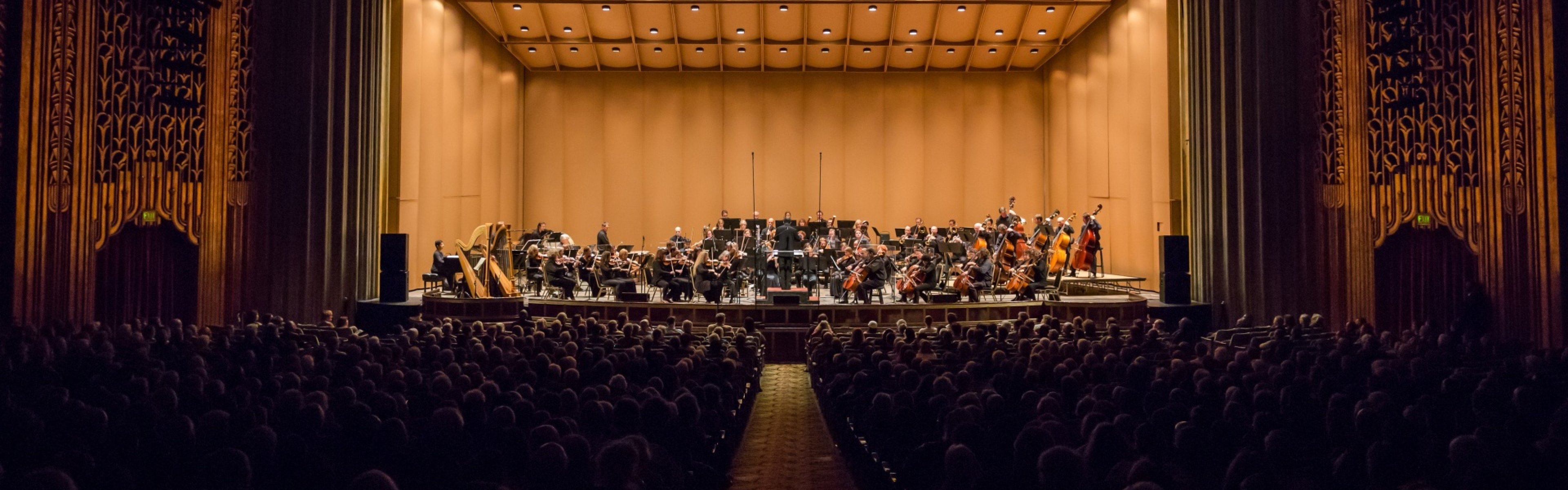
By now, it’s no secret that the Oakland Symphony had a darn good 2025-2026 season. Though the ensemble has less polish and balance than its gold-standard cousin to the west, it performs far better than its six performances per year would lead you to expect. Music Director Kedrick Armstrong is a flat-out star, and he constructed a season that outshone the orchestra’s neighbors in vision and excitement.
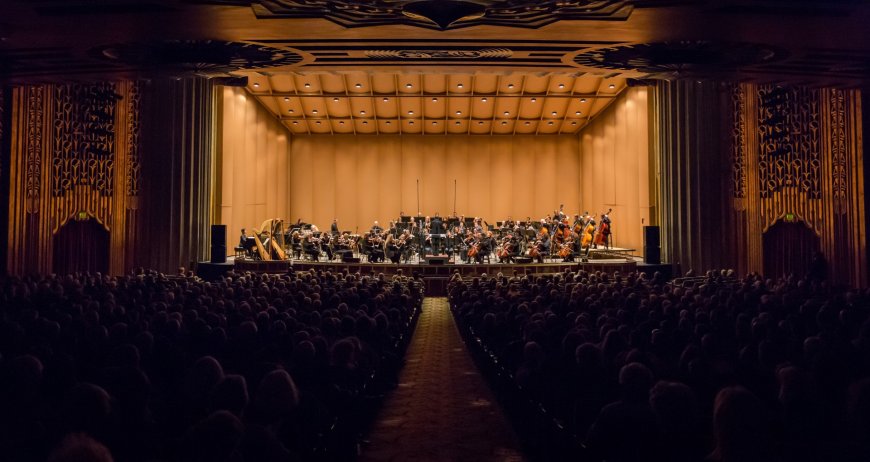
The orchestra’s finale, on Friday, May 15, at the Paramount Theatre, gave a thoroughly satisfying and visceral performance of Beethoven’s Symphony No. 3, “Eroica.” However, some points should be taken off because the brass players were far too loud in the first movement, overpowering their woodwind colleagues. Sure, the Paramount has a boomy acoustic, but these musicians are used to that by now. They should have dialed it back.
Otherwise, Armstrong led a poised and powerful rendition of this epic score, including stellar contributions from the winds. The horns redeemed themselves in the trio of the Scherzo movement, their biggest moment to shine. It was also a joy to hear the orchestra’s exactitude in regard to rhythm and accent. Everybody was on the same page, and the music sprang to life as a result.
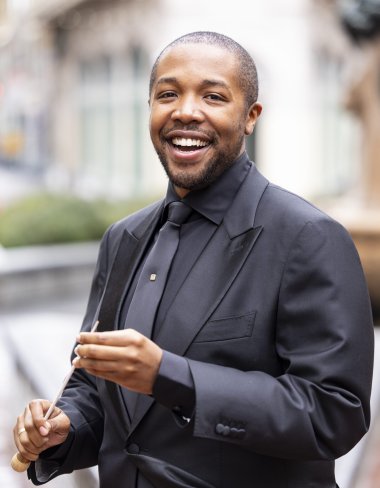
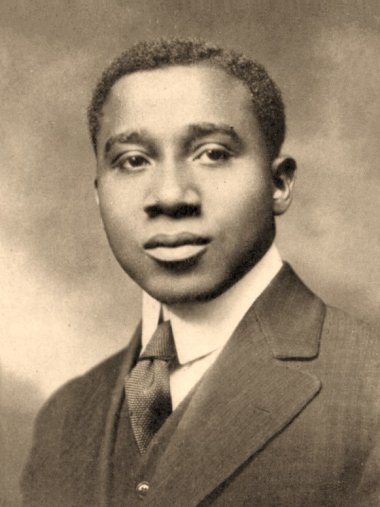
The eagerly anticipated second half of the concert was the Bay Area premiere of R. Nathaniel Dett’s 1932 oratorio The Ordering of Moses. It’s an excellent work that, if not destined for a worldwide renaissance, deserves to be played by more American orchestras. That Dett, a Black composer born in 1882, isn’t more widely known and that this piece fell into obscurity is due to the familiar sin of racism that also impacted the careers of Dett’s Black colleagues. Armstrong’s advocacy of the piece, as he noted in an SFCV interview, is aligned with the orchestra’s emphasis on lifting up under-represented voices.
Dett’s 50-minute work is not in competition with Handel’s Israel in Egypt. The libretto, as well as the music, follows the spiritual “Go Down, Moses.” God orders Moses to lead the Jewish people out of slavery, parts the waters of the Red Sea, and then the people rejoice in freedom. The libretto often quotes or paraphrases the hymn.
The glory of Dett’s score are the interludes that separate the verses of the spiritual. The work begins with a free fantasia on the spiritual’s refrain. The color introduced by the composer’s harmony and orchestration balances hope and desperation brilliantly. Saul Richmond-Rakerd gave a deeply felt account of the cello solos, which recur in the middle of this first section just before the chorus swings into an elaborate arrangement of the hymn’s first verse, in imitative counterpoint.
The interlude before the passage through the Red Sea is even better, with chromatic writing opening up a desolate landscape before the trombones and tuba intone the refrain — it’s a tone poem illustrating the desperation of the flight. The chorus then breaks in with the miracle, shouting “The sea gave way,” in rising sequences. There follows a march to depict the passage through the Red Sea which merges into the orchestral “The Egyptians Pursue” section and then the finale of rejoicing. The march and pursuit are good, sounding a lot like movie music from that time, and they certainly have the requisite energy.
The orchestra played all of this with exceptional clarity and force and were backed by a rejuvenated Oakland Symphony Chorus. Under the direction of Zach Salsburg-Frank, they were much more focused and unified than the last time I heard them, a season ago.
The orchestra engaged superior soloists for this performance: Bass Kenneth Kellogg went full-on Old Testament as the Voice of God, Krysty Swann sang the regrettably short alto part with great tonal beauty, soprano Shawnette Sulker was in her element as Miriam, especially glorious in “The horse and rider he hath thrown into the sea.” Tenor Terrence Chin-Loy was a revelation as Moses, secure of tone through the passagio break and into the high notes. Dett is at his most vocally adventurous in writing for Moses, and Chin-Loy gave the music the dramatic kick it calls for.
With Armstrong presiding over it all, The Ordering of Moses put its best foot forward.