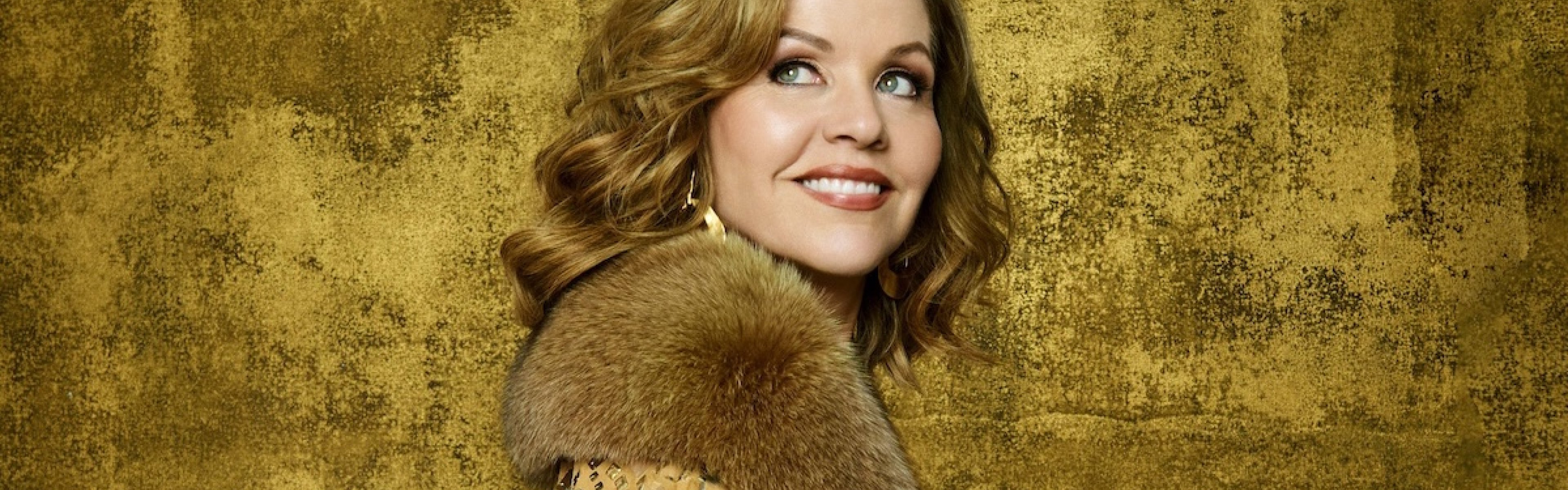
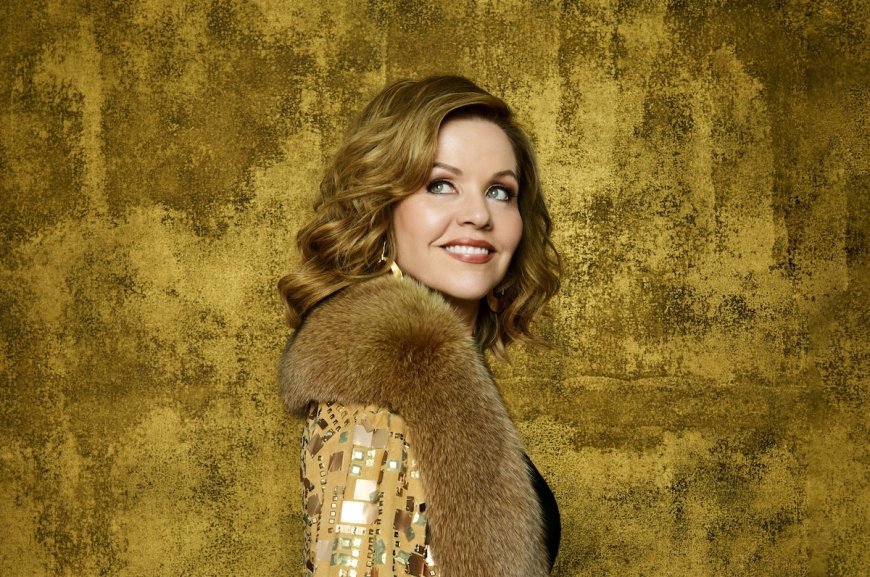
Renée Fleming may be a diva — for some of her fans, the diva — but the soprano brings an uncommon warmth that can shrink even a cavernous hall to an intimate salon.
During her Cal Performances recital at Zellerbach Hall on Sunday, May 3, that intimacy became the evening’s central achievement.
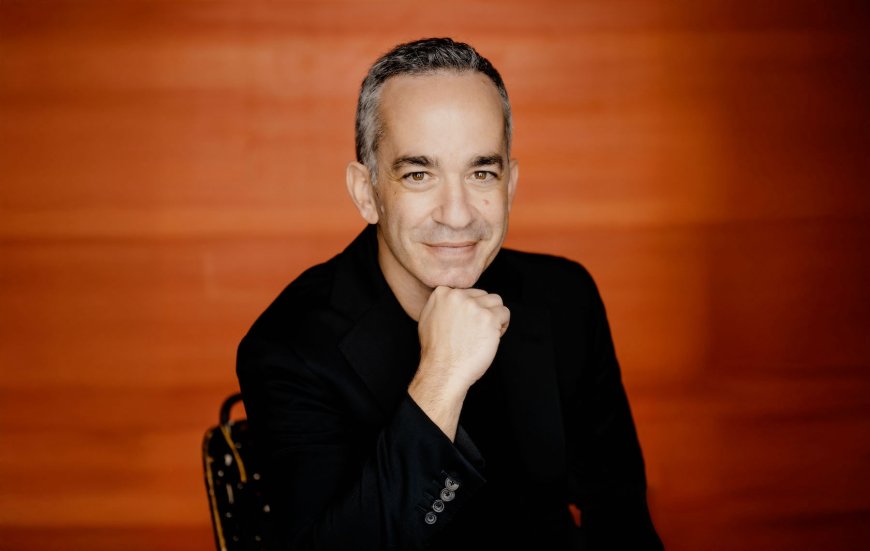
Though time has stolen the freshness from her voice, Fleming’s singing was a lesson in clear communication. A charismatic host as well as vocalist, she easily shared the spotlight with star pianist Inon Barnatan and violinist Tessa Lark, who made an unscheduled guest appearance.
The program opened with crowd-pleasers for longtime fans. Fleming sang a few short arias by Mozart and Handel, then capped her first set with Puccini’s evergreen “O mio babbino caro,” which a happy listener crowned with a “bravissima” before the singer had finished the aria.
She then flipped the script with three songs by Parisian composer Reynaldo Hahn (1874-1947), including “L’heure exquise” (The enchanted hour). Fleming was an absolute master of these songs, with every word perfectly enunciated and charged with emotion.
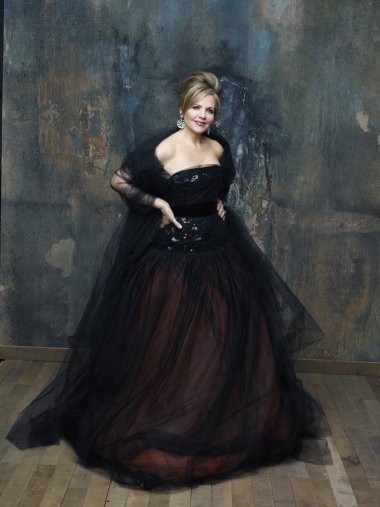
When she returned for the second half in a new, sparkling outfit, another fan yelled, “Love the dress” to which Fleming quipped, “Thank you. I always say that sequins are like martinis. If it’s after four o’clock, you’re all right.”
With her upcoming album, “The Fiddle and the Drum,” due May 29, Fleming gave the audience a glimpse of its bluegrass-inspired content with the title track. The 1969 antiwar song by Joni Mitchell, which Fleming noted sadly is newly relevant, was originally sung a cappella. Sunday’s version featured atmospheric bass notes from Barnatan and a countermelody created by Lark.
Also in this American-inspired set was an excerpt from J. Todd Frazier’s oratorio about the life of Thomas Jefferson, “We Hold These Truths.” The piece has a spoken introduction, and then a vocal setting of the first paragraph of the Declaration of Independence. Frazier’s music is pretty but relatively uninspiring for the words it underlines.
More successful was John Kander’s 1994 setting of a letter from a Civil War soldier, “A Letter from Sullivan Ballou.” Fleming has sung this piece on several occasions, always to great effect as it plays to all her strengths. Here, she became the plain-spoken character believably. Her incredible diction made the wordy sentences clear, and her legato phrasing tamed Kander’s necessarily long melodic lines. In this singer’s hands, the song works and stirs emotions.
Lark then played her own solo, “Appalachian Fantasy,” in which she takes a Schubert song, a Brahms tune and “Bonaparte’s Retreat,” and weaves them into a bluegrass fiddle piece. Barnatan, who had delivered an astonishing and brilliant rendition of 14-year-old Mendelssohn’s “Rondo capriccioso” in the first half, introduced the final set with an equally bravura take on Gershwin’s “I Got Rhythm,” as arranged by Earl Wild.
That led to the musical theater section and a singalong to “I Could Have Danced All Night.” Tony Award-nominated for the 2018 Broadway revival of Rodgers and Hammerstein’s “Carousel,” Fleming is a natural for this repertory.
She finished the program in a perfectly salon-like manner with “The Diva,” a fun number written for her by Broadway veteran Andrew Lippa. Paradoxically, the song mostly celebrates the soprano for her un-diva qualities but does contain the memorable line, “Who else could marshal an impartial Marschallin?”
For the encore, the singer added Strauss’ ineffable song “Morgen” (Tomorrow), with Lark playing the instrumental melody. In Fleming’s hands, it expressed a sense of quiet ecstasy that was worlds away from standard diva fare, but just right for this wonderful artist.