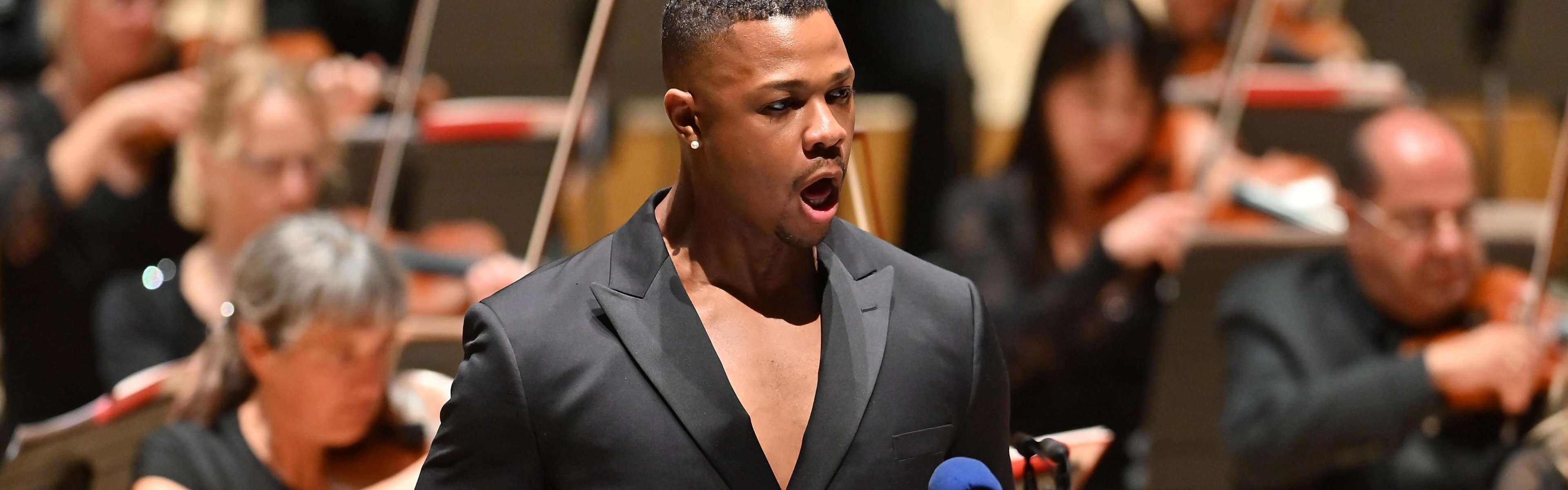
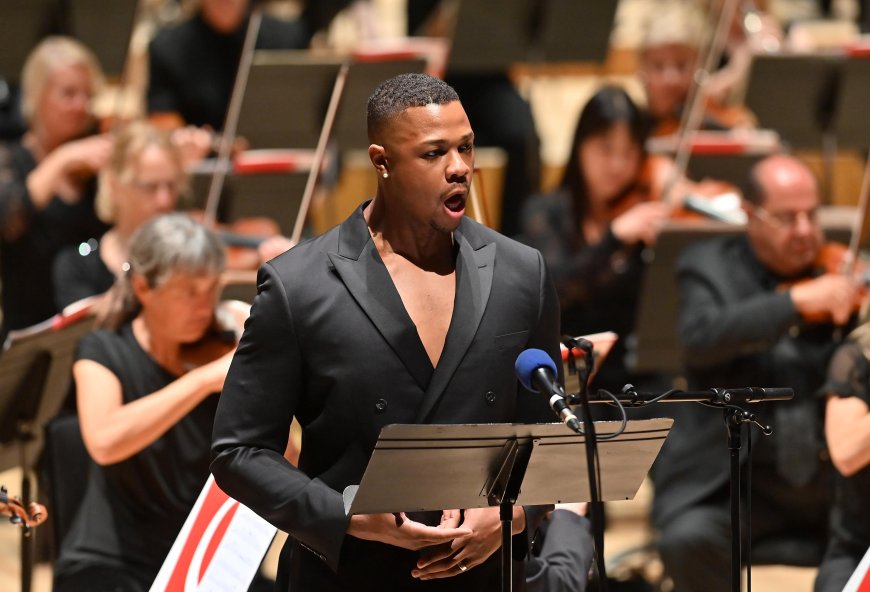
“How many of us are feeling a little bit stressed these days?” asked Davóne Tines, as a choir behind him vocalized softly. Hands shot into the air; one woman waved two. The bass-baritone’s song, “What Is My Hand in This?” gave its title (with a pronoun shift) to the entire performance on Saturday, Feb. 7 at Herbst Theatre, so the audience was partly prepared for this directness. Yet the moment still felt necessary, and a little cathartic.
“What Is Your Hand in This?” was conceived by Tines and members of the early music band, Ruckus — bassist Douglas Adam August Balliett and bassoonist Clay Zeller-Townson — who provided the instrumental accompaniment. There were interesting and novel numbers from early in the American Republic on the program, but only a few were performed straight. Sponsored by SF Performances, what we in the audience heard and saw was no recital but more a service, with Tines as celebrant and narrator and us as participants.
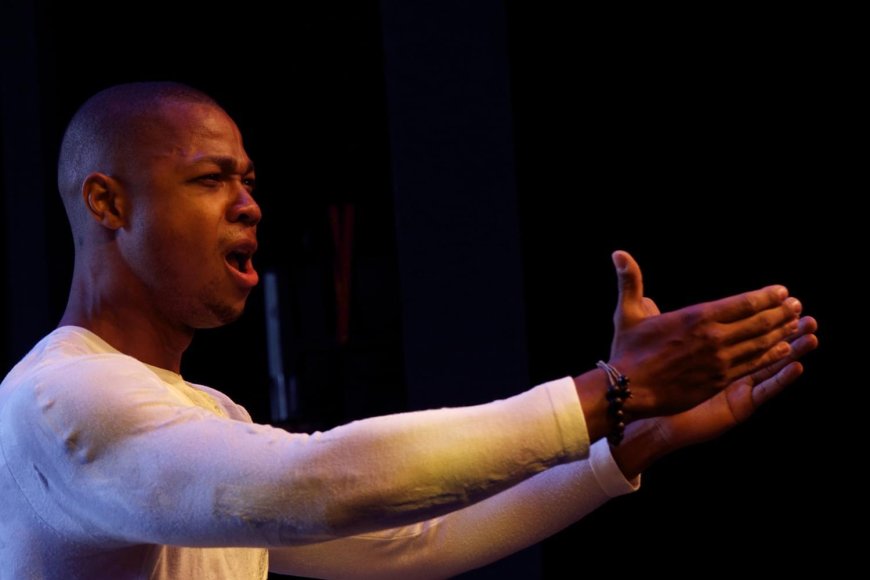
The Ruth Asawa School of the Arts Concert Choir, performing professionally and fervently, stood in for a church choir. The whole event would not have been out of place at a Baptist convention or a civil rights rally.
The first set of songs ended with the traditional hymn, “Be the Lover of My Soul,” in Tines’s arrangement, and it came back to close the whole show. Tines’s song also has the form of a hymn, as does “What Mean Ye?”, an abolitionist song from The Liberty Minstrel (1845) set to one of the oldest hymns in The Sacred Harp.
But there was also wildness and humor on the program that makes you wish you could have been in the room when Tines and Balliett were brainstorming. The height of the manic pixie side of the concert was reached in Balliett’s Federal Nations, a mashup of Handel’s “Why Do the Nations So Furiously Rage?”, from Messiah, and The Federal Overture (Samuel Carr, 1794) an early American concert work celebrating the birth of the American Republic. The overture begins with a pompous riff on “Yankee Doodle” and moves, I kid you not, into a direct quote of the “Marseillaise” in under two minutes.
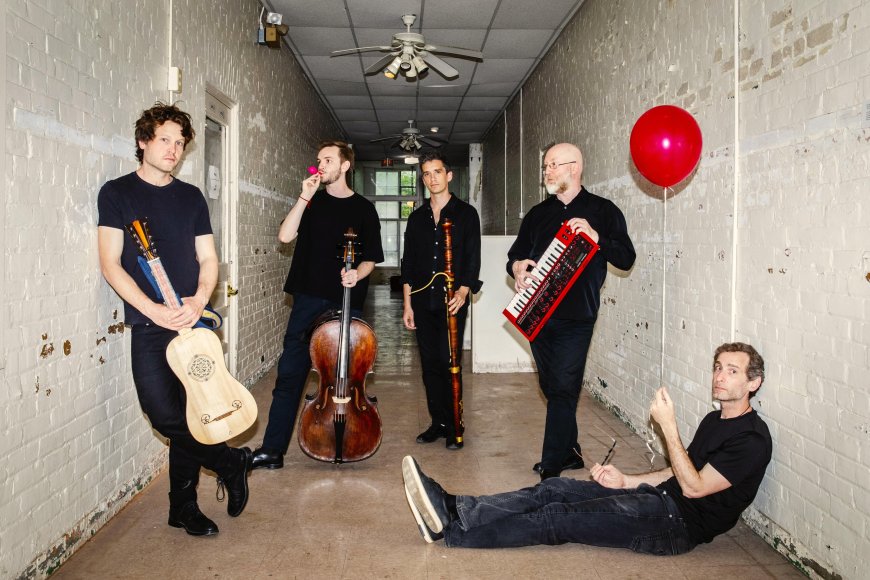
If the creators’ underlying commentary was on racism, the original sin of the Republic, compassion was their preferred method of engagement. Balliett’s original compositions were titled Compassion Preludes and were interspersed throughout.
Humor and irony tempered the sadness and tragedy of America’s constantly deferred promise. The opening was the great 19th-century composer Stephen Foster’s last song “Beautiful Dreamer” (sort of addressed to the nation in its 250th anniversary year). But Foster’s minstrel show tune, “Massa’s in the Cold Cold Ground,” represented the less creditable side of his work. Here it was transformed by the lyrics to a newly discovered song set to Foster’s tune by Black American composer Joshua McCarter Simpson and titled “To the White People of America.”
John Dickinson’s “The Liberty Song”, a popular Revolution-era number, was penned by a wealthy Pennsylvania slaveholder and politician. The lyrics, about forging a new American identity, were complicated, in a funny way, by Tines’s interjections of “except for slaves” in all the exhortations to liberty.
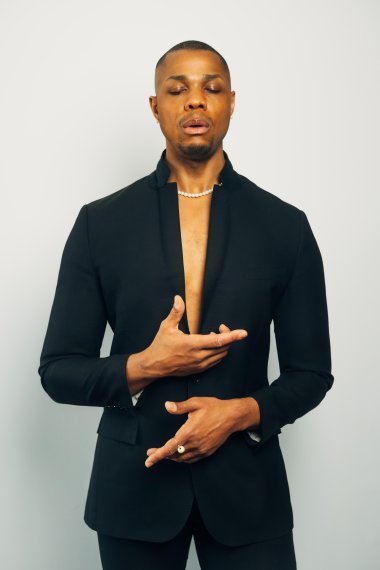
The concert traces these contradictions through to the contemporary era, as it must. “What Is My Hand in This?”, however, is an invitation, not an admonition or accusation. Tines’s song asks us to rise above partisanship: “As you fret upon your woes / And cast the blame upon your foes, please ask …” Tines, his resonant, gorgeous bass-baritone confidently deployed across a range of styles, found the truth in every word he spoke and sang.
And as he addressed the audience over the humming chorus, he was generous. Your response to these difficult times has to be yours, and it has to be authentic. It can be as simple as remembering to smile at people. Not a call to arms, then, but self-examination followed by action.
It sounds like the ending of a good sermon.