Morton Feldman’s music asks more questions than it answers: How does music shape our attention? How do our expectations influence the way we listen? What does music ask of its listeners?
In celebration of the late composer’s 100th birthday, Los Angeles’ Piano Spheres presented a 12-hour marathon performance of Feldman’s music across two days. I listened both days with those questions in mind.
What did I learn? Well, his music is both generous and demanding. It is harmonically challenging and an emotional balm. Its questions function not as an intellectual challenge, but as an invitation. No music is for everyone, and this is no exception. But I do believe Feldman’s music meets you where you are and encourages us all to be present with the sounds and sensations it offers.
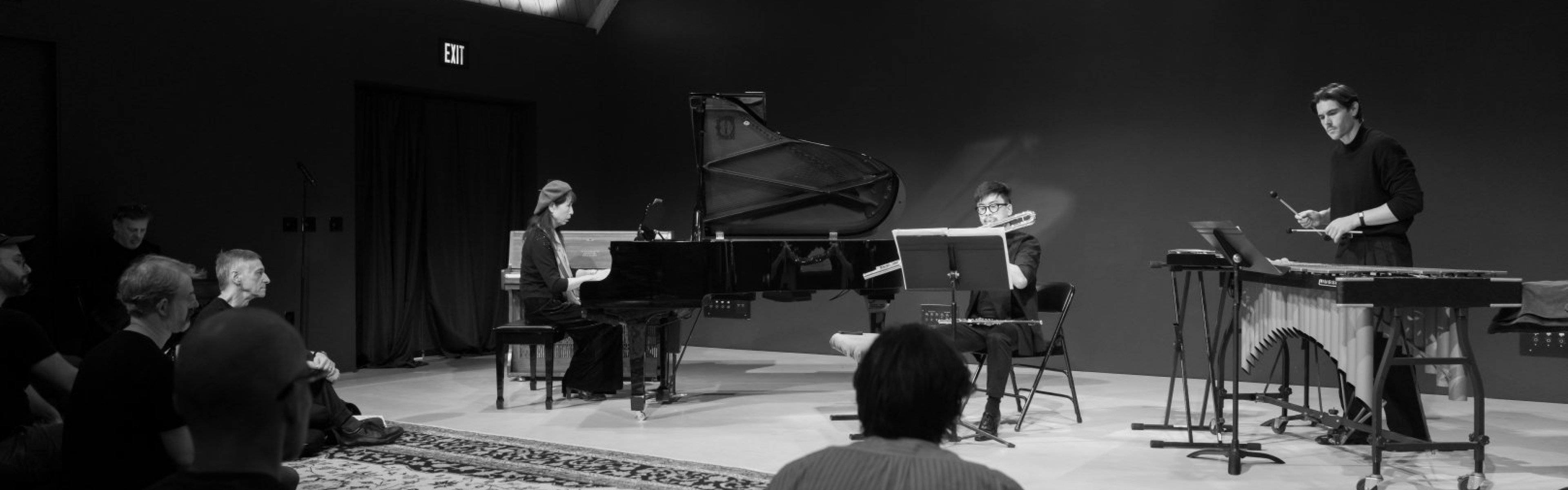
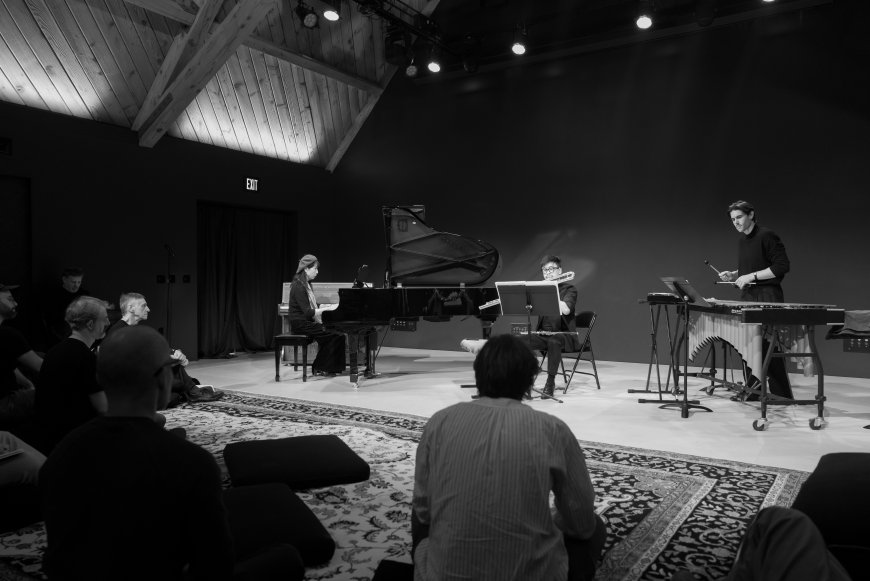
On the first day, Piano Spheres’ Executive Director Tom Welsh encouraged us to get comfortable as we settled in for the first of two six-hour concerts. The A-frame, wooden ceiling of the Glorya Kaufman Community Center created a sacred atmosphere, and a large rug and mats were provided for those of us who chose to sit on the floor at the base of the stage.
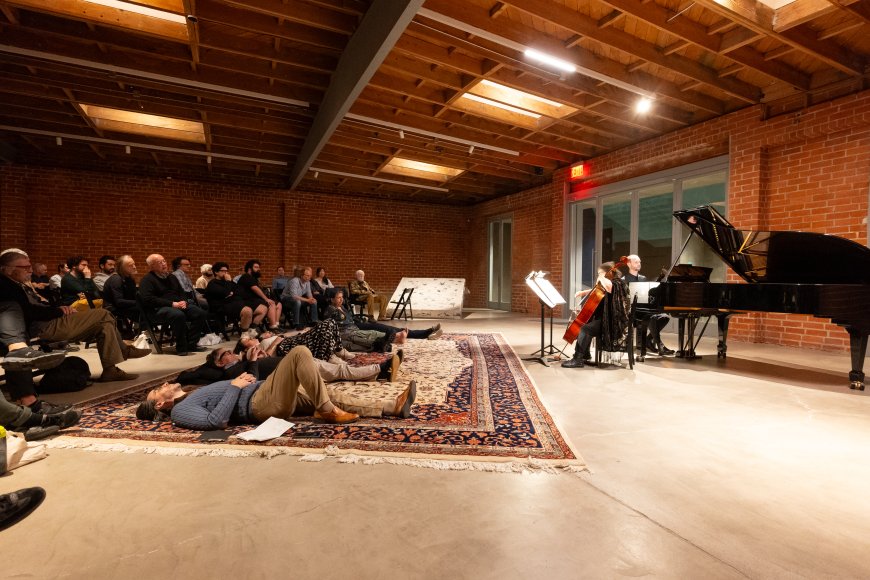
Different performers and pieces were slated approximately every half hour. Among the featured performers were Thomas Kotcheff, Nic Gerpe, Vicki Ray, Amy Williams, and Gloria Cheng.
The first few pieces were punctuated by coughing and the shifting of chairs. I imagine some didn’t quite realize what they were in for, so the crowd thinned ever so slightly after the first piece. From the outset, I felt a mix of excitement (I love Feldman’s music deeply) and a bit of worry about whether I could sit through twelve hours of music.
But as the audience and performers alike settled in, I felt comfortable enough to lie down, close my eyes, and let the music wash over me. It was then that my sense of musical time really started to dissolve, and I began to enjoy the ever-nowness of Feldman’s music.
Sometimes the music enveloped me, and provided a warm environment for inner reflection. Feldman’s quiet evokes early morning mist and midnight landscapes. His repetition draws your attention to your breath, and can start to feel disorienting or hypnotic. At times, the music felt very slow. But when I was able to clear my mind, the notion of hours and seconds lost meaning, and I forgot how long I had been listening — these moments were sublime.
The concert was a deeply personal experience even when shared with the hundreds of people in attendance.
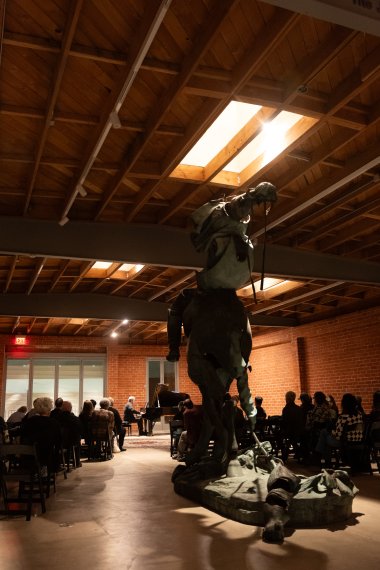
Watching the performers was fascinating. The apparent calm of Feldman’s music belies the intense concentration and communication required of its performers. Rhythms that create a sensation of floating are really made of finely calibrated, micro-timed gestures — subtle shifts and fragile intensity that give Feldman’s music its signature sound. The performers’ attention and devotion were clear, and in beautiful contrast to the relaxed audience.
The end of each piece left a shared breathlessness in the room — the feeling that we had all experienced something significant. Here, musical meaning emerged not through interpretation, but through the simple act of remaining present, moment by moment, together. Standing ovations became the norm, especially after the longer works.
Everyone involved at Piano Spheres did a wonderful job curating, organizing, and presenting this behemoth celebration of Morton Feldman. At the end of the second day, I left feeling both emptied and restored, sharpened and ever so gently destabilized. The world outside sounded different afterward.
If one is willing to give oneself over to the experience and set aside expectations of what a concert should be, a marathon of Morton Feldman’s music is a deeply rewarding journey. New listeners might also be surprised by their capacity to make it through the hours.
Morton Feldman’s music asks more questions than it answers, and that, ultimately, is its strength. It doesn’t offer tidy revelations. Rather, it only reveals itself to listeners who are patient, attentive, willing to sit with sound, silence, and self. What the music asks of us is simply our presence and awareness, and what it gives back is a rare and generous encounter with the world as it moves, moment by moment, around and through us.