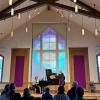
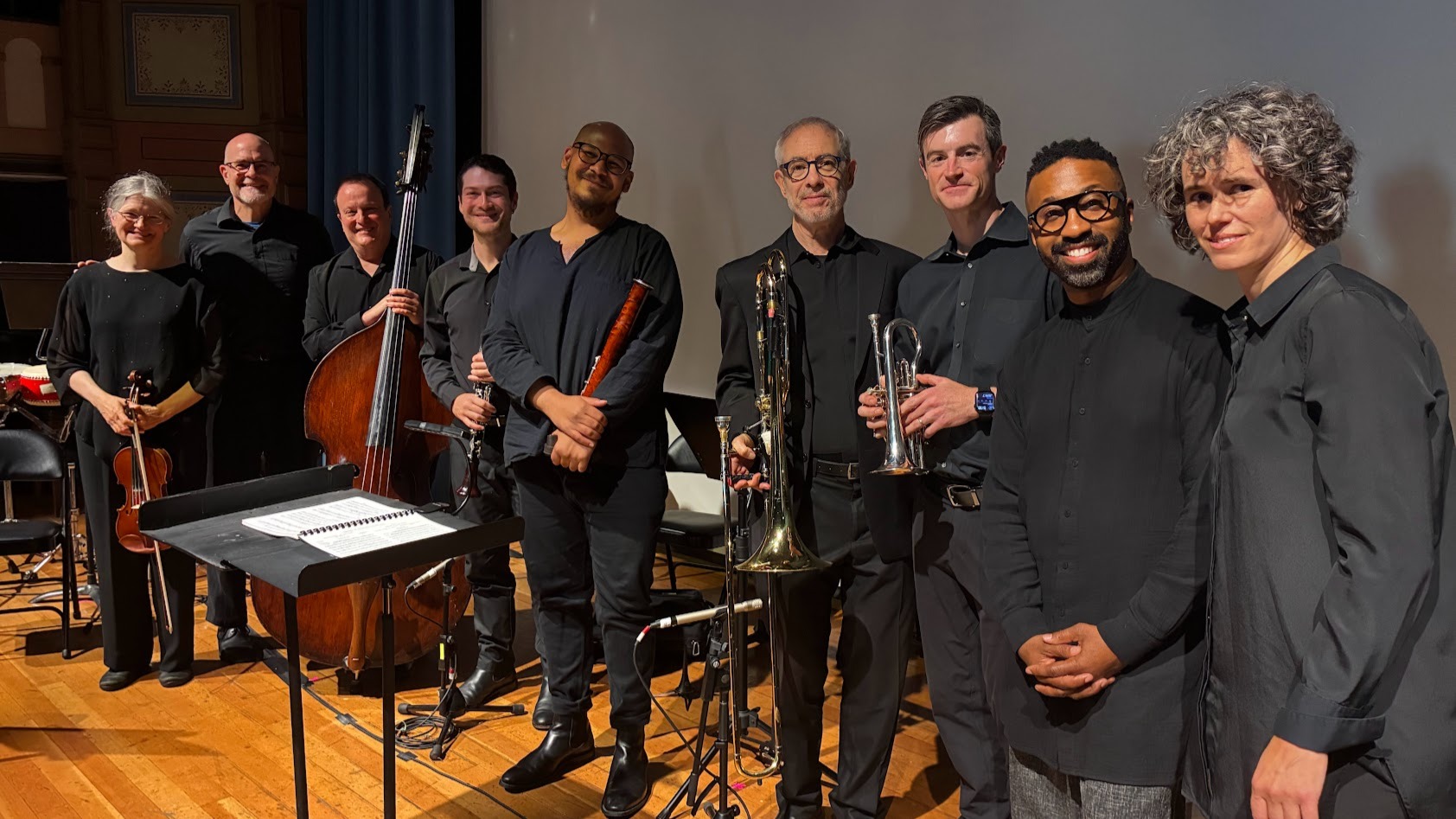
An operatic double bill by Left Coast Chamber Ensemble this weekend told two contrasting stories. One was a modernist fable, the other a multilayered reflection on American history, which together told a third story about the shapeshifting power of music and drama.
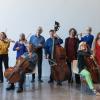
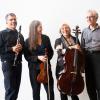
LCCE is a 17-member musical collective that has been programming old and new music in creative combinations since its founding in 1992. It’s not easy to premiere new music next to time-tested hits. If this program is any indication, LCCE has the taste and talent to pull it off.
Igor Stravinsky’s 1918 A Soldier’s Tale is a Mephistophelian story of greed, alternating narration and music. The plot is simple, if twisty: A soldier barters with the Devil, wagering riches, his virtuosic fiddling, even his family. After much back-and-forth, he manages to keep his music and win a bride. But when he attempts to win his family back too, the Devil seizes him, and the soldier loses everything. The Devil voices his moral: “You must not seek to add to what you have… No one can have it all.”
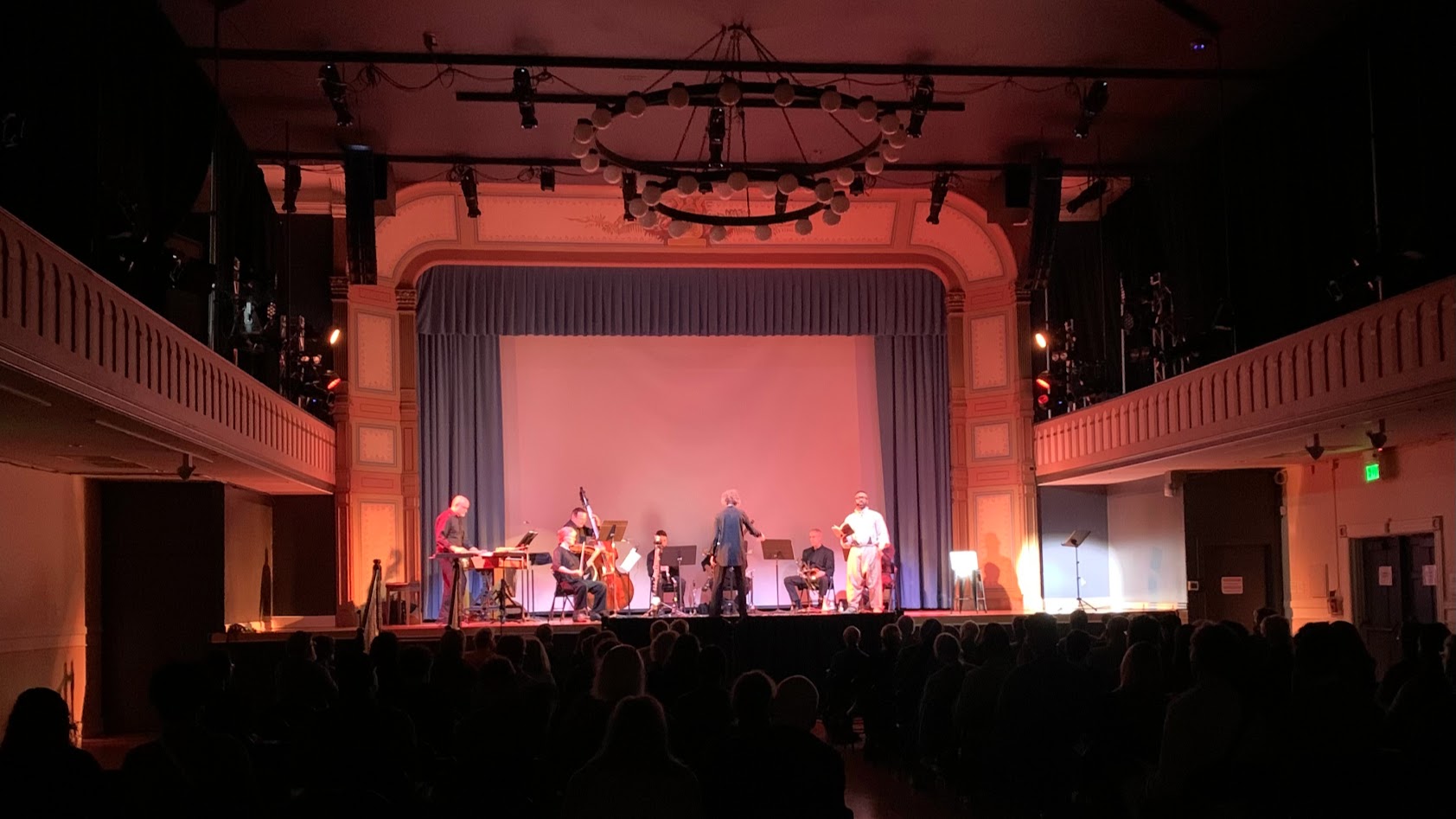
The libretto, by Stravinsky and Swiss writer Charles Ferdinand Ramuz, adapts a Russian folk tale. Guest artist Omari Tau as the narrator gave every character a distinct voice. In comparison to more sober versions of this work, Tau’s enthusiastic reading was arch and occasionally silly. This isn’t a criticism; Tau’s polyphonic performance drew out the satirical bite of this surprisingly dark work.
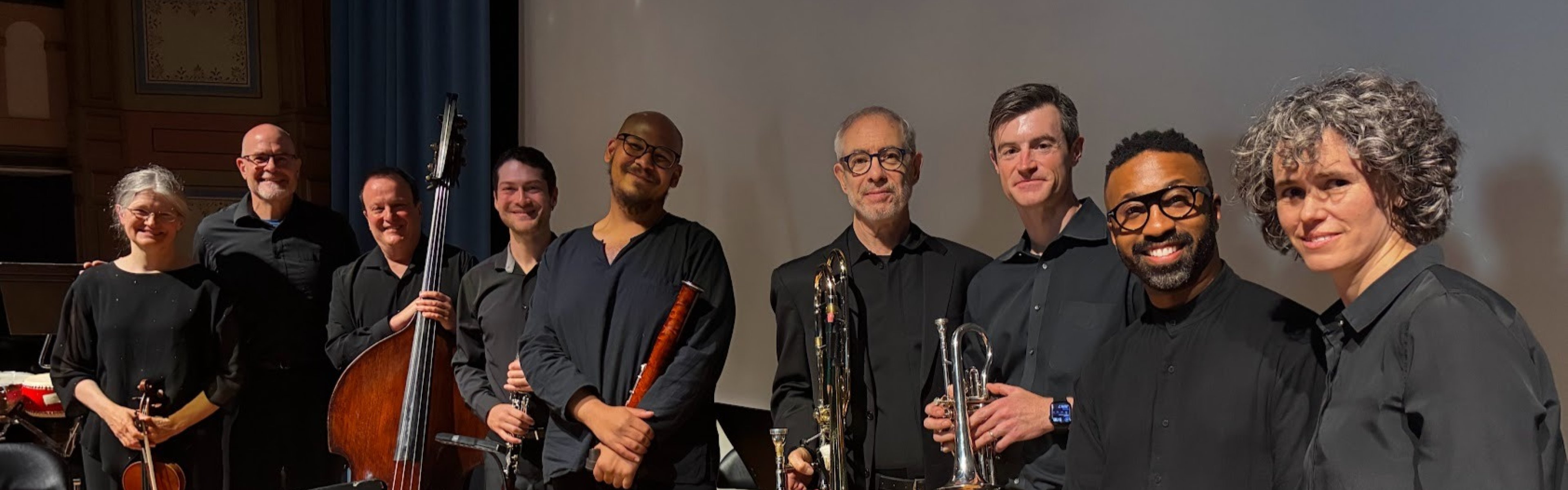
Stravinsky’s score is the real draw here. Composed for violin, double bass, clarinet, bassoon, trumpet, trombone, and percussion, the music is a parade of strange timbres and jarring effects. Stravinsky blends this bizarre sound world with a huge range of musical references, including a tango, waltz, ragtime, Bach-like chorale, and klezmer music.
Violinist Anna Presler was the star of this ensemble, alternating between devilish fiddling and lyrical dance movements, but everyone gave just as stellar performances. There is nowhere to hide in this spare, rhythmically askew music, and conductor Matilda Hofman held its energetic, sinister charm together with ease.
LCCE’s performance of this infrequently programmed oddity would’ve been the star of the program if it hadn’t been preceded by an equally brilliant drama, a new opera by composer David Dominique, titled Steam: Volume 1.
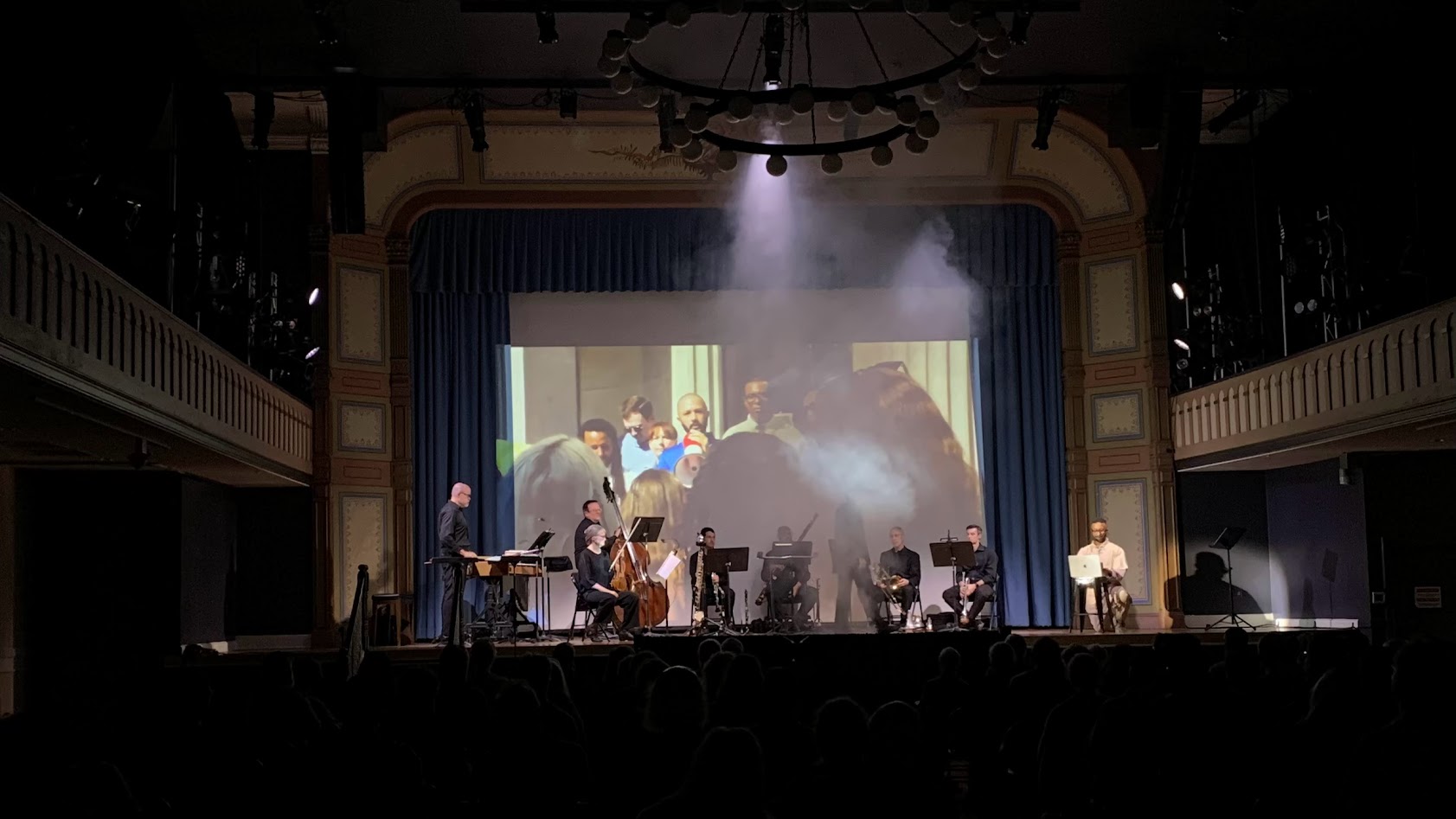
Dominique, who also cowrote the libretto, describes Steam in abstract terms: as rupture, distortion, risk. This doesn’t do it justice. Steam isn’t theoretical or didactic but disarmingly moving in its dramatic directness.
Steam: Volume 1 is the first part of a prospective opera cycle set in a speculative present. The overarching story involves real Harlem Renaissance author Arna Bontemps and his 1936 novel Black Thunder and a conspiracy involving his identity and death. Volume 1 is the story of a theatrical adaptation of this novel and the messy politics of adaptation, history, and care.
This summary makes it sound straightforward, but the opera is wonderfully complicated. Tau plays an actor who is preparing for a stage adaptation of Black Thunder, to be performed at the opening of the “Enslaved Peoples Museum.” The museum is backed by the new mayor of this fictional Richmond, VA. But his support is compromised when he later launches tear gas on Black protestors. These storylines intertwine and come together by the end of its 40 minutes; seemingly minor details are connected, scenes are revisited and retold, and the actor-activist’s performance comes to take on new, difficult meaning.
Tau plays the role with wild range: he sings, recites excerpts of the novel, and probes his motivations in searching monologues. The character is the heart of this musical mise-en-abyme, or show-within-a-show, his increasing grief and indecision threatening to derail the narrative and his own morals.
These feelings are reflected in Dominique’s score. Like A Soldier’s Tale, the small, eccentric set of instruments matched the drama with a wide range of sounds, from a Jaws-like double bass motif and the humming of cicadas to the ghostly sound of a bow dragged on the edge of the vibraphone. Dominique often arranges this music in short, repeating phrases that slowly grow in intensity and color, adding to the drama’s claustrophobia.
Also like A Soldier’s Tale, the music generally takes a back seat to the drama, serving more as atmosphere than story. That is, until the final moments, when the full ensemble bursts into a demonic jazz waltz and Tau is given a full-throttle aria. It is a devilish conclusion that encapsulates music’s power to rewrite reality.