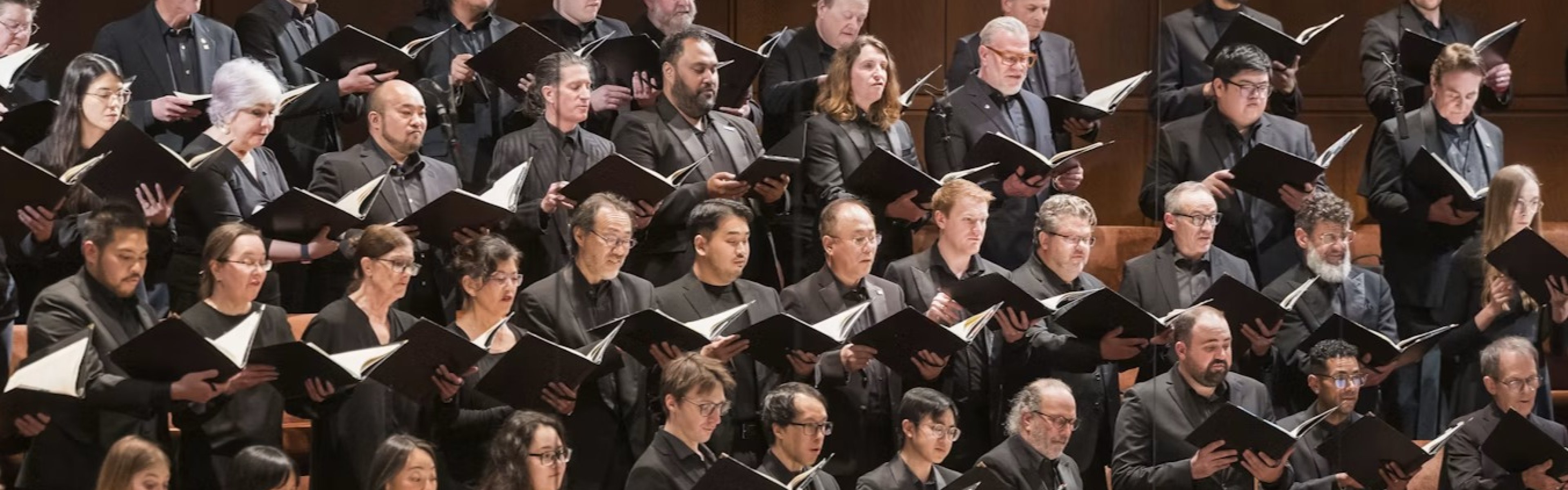
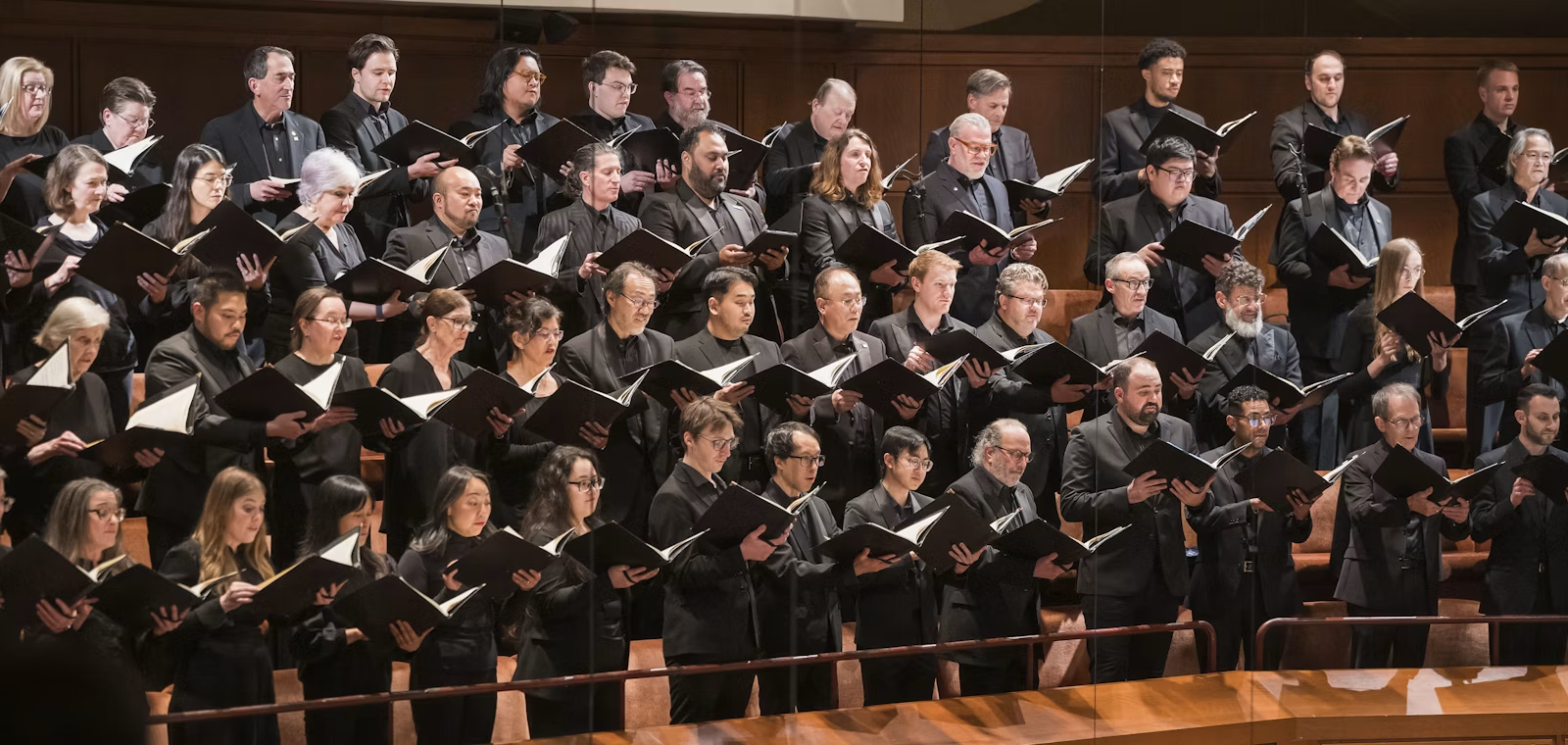
Beethoven’s Ninth Symphony is a standard with drama, thrills and that melody of all melodies, “Ode to Joy.” Everyone knows it, which means even the best musicians must meet an audience’s high expectations.
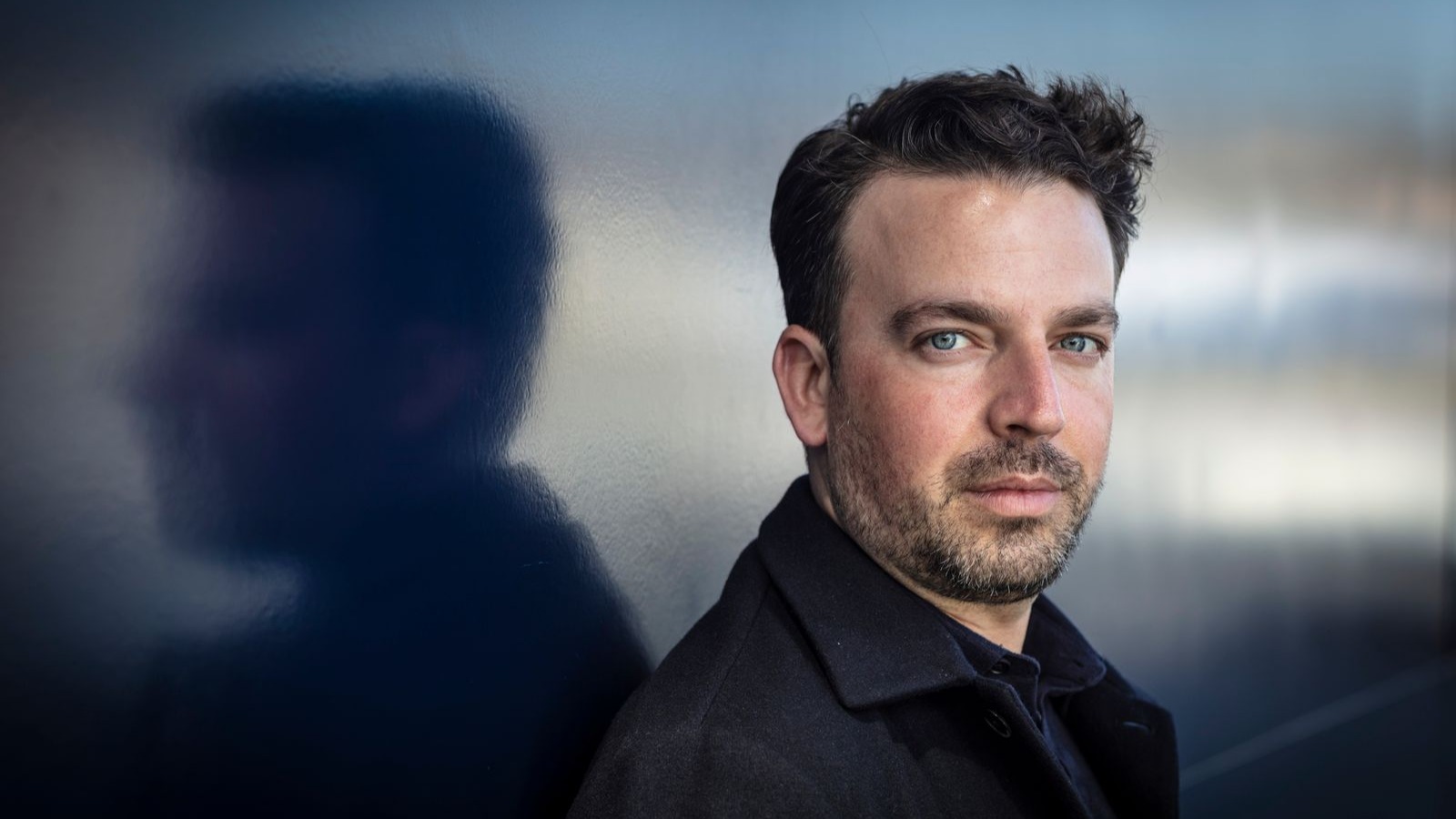
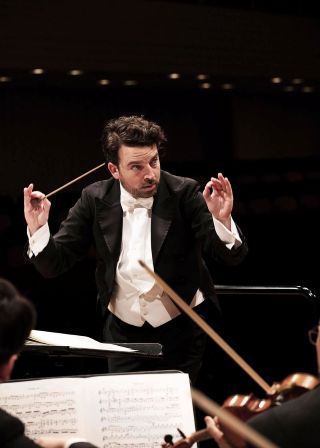
On Thursday, June 18, in a program dedicated to the late Michael Tilson Thomas, who led the San Francisco Symphony for 25 years, guest conductor James Gaffigan and the orchestra gave an account that showed why the piece continues to loom so large — and why it remains such a challenge.
Gaffigan’s conducting, as he proved just last year with the Symphony, is unfailingly energetic. His command of the orchestra is precise, so that the performance is always robust. Even the most complex passages are clear in his hands, and he’s a pro at balancing textures and synchronizing multiple lines. Nothing seemed to faze Gaffigan, even in the final movement, where fast-moving counterpoint and the addition of the chorus can challenge the surest conductors.
In drawing so much attention to the details of the score, however, Gaffigan sacrificed the heart of the symphony: its drama and storytelling.
Whatever you want to call it — joy, humanity, love — there is a hero in this symphony, a lyrical instinct that fights to come to the surface. It can be heard in the sunnier patches of the stormy opening movement, in the soft trios of the second and imbued in the vast song of the Adagio. Then that instinct emerges triumphantly as the “Ode to Joy” melody, supplanting all previous themes in the fourth movement.
Gaffigan failed to make much of this arc. The problem was most apparent in the third movement, where the opening melody gradually unfolds into a cascading, multicolored line. This metamorphosis is another of Beethoven’s deceptive feats. The melody doesn’t play itself but needs a living, sighing touch in order to sustain it.
Gaffigan ran right through the movement with a too-fast tempo. Played that quickly, the variations lost the shape and expressive contour they require. Even at the joints of the variations, where Beethoven all but writes in long, pregnant pauses, Gaffigan kept his foot on the pedal. Worse, he refused to slow at the very end. Without a hint of the usual lazy conclusion, the adagio marched right through the final notes.
Then Gaffigan held the last note for only a few seconds before immediately launching the fourth movement. Surely there’s something to this interpretive choice, but I’m hard pressed to make sense of it.
Gaffigan’s attention to rhythm and musical structures, for all the light it cast on the construction of the symphony, flattened what should be a sharp drama. The thunderous first movement lacked range; the scherzo, without shaping, got boring fast; and the “Ode to Joy” itself even became plodding.
The worst crime came at the very end. Just before the final prestissimo, Beethoven silences everyone but the quartet of soloists for a four-part, practically a cappella cadenza. The effect is beautifully destabilizing, as the beat seems to fall out of the symphony entirely. But here, Gaffigan pushed the quartet straight through this section, so that its weightlessness was stuffed into a foursquare straightjacket. It captured everything wrong with Gaffigan’s approach.
There is no one tale of the Ninth, but there are accounts that neglect storytelling. This, unfortunately, was one of them.
Gaffigan was more successful with the grab bag of short pieces that made up the first half of the concert: A movement from Johannes Brahms’ “A German Requiem,” Charles Ives’ “The Unanswered Question” and Thomas’ own orchestral piece “Agnegram.” Whereas Gaffigan provided a halfhearted Beethoven, these pieces were lucid, angular and colorful.
As a tribute to Thomas, they make sense, kind of.
But as a three-part program — preceding a Beethoven symphony — it’s a headscratcher.
This story is published in partnership with the San Francisco Chronicle.