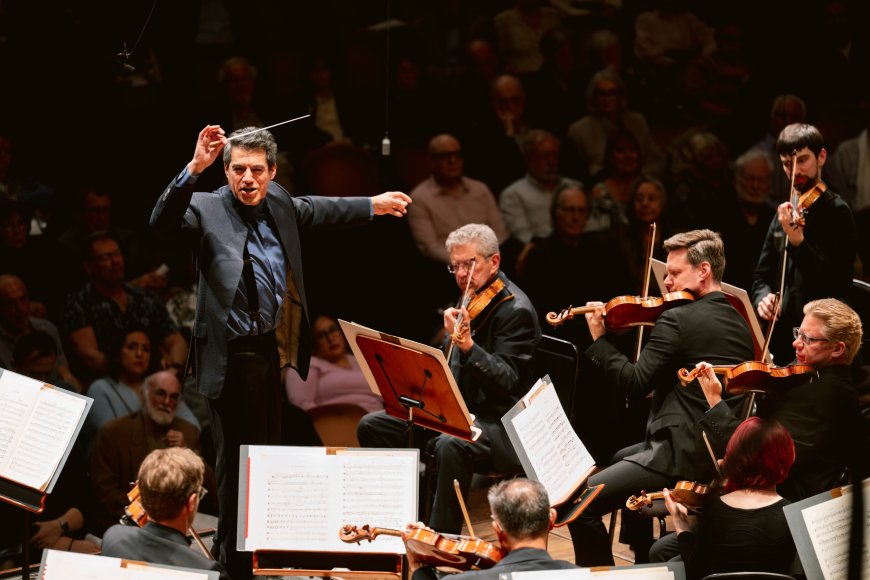
For all its rambunctious pleasures, the San Francisco Symphony’s “Ravel & Music of the Americas” came wrapped in a curious conceptual muddle.
The “Ravel” part was clear, and so was the “Americas,” but a problem arose from combining the two.
That tension ran through the Friday, May 29, performance at Davies Symphony Hall, which stretched from South America to Paris. The main issue was that half the music on the program was woven from musical visions of Spain, a genre of its own in the 20th century. By the concert’s end, the program showed not so much Ravel and the Americas as the capaciousness of a “Spanish” style meant to capture it all.
Composers like Maurice Ravel, the concert’s headliner, seized on the European desire to hear a version of the Iberian Peninsula that is all sunshine and bullfighting. The resulting musical style, complete with dances and flamenco gestures, effectively exoticized Spain, transforming France’s next-door neighbor into an escapist, faraway land.
So this concert raised awkward questions about music’s capacity, honest or not, for national flavors. No matter how you play these pieces— and there can be no better performance than the Symphony’s on Friday night — the music is tinted with fantasy.
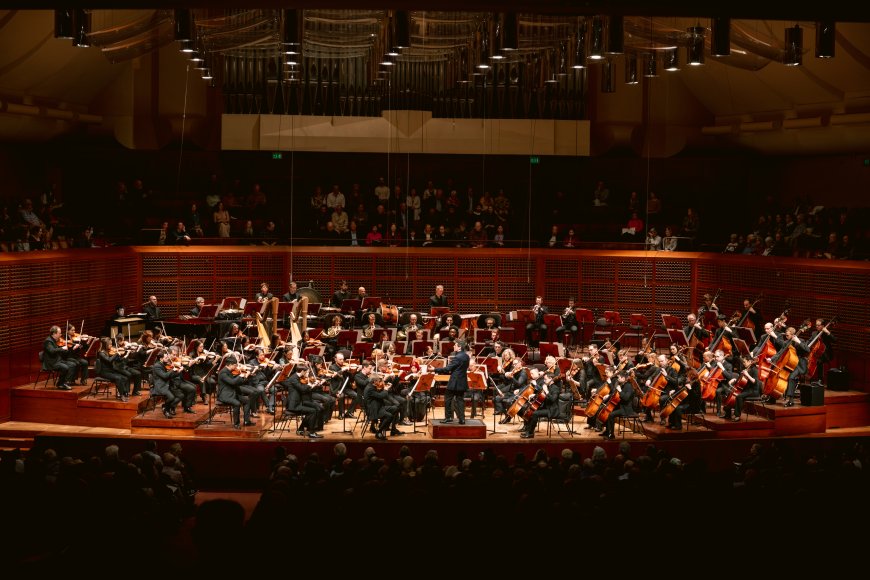
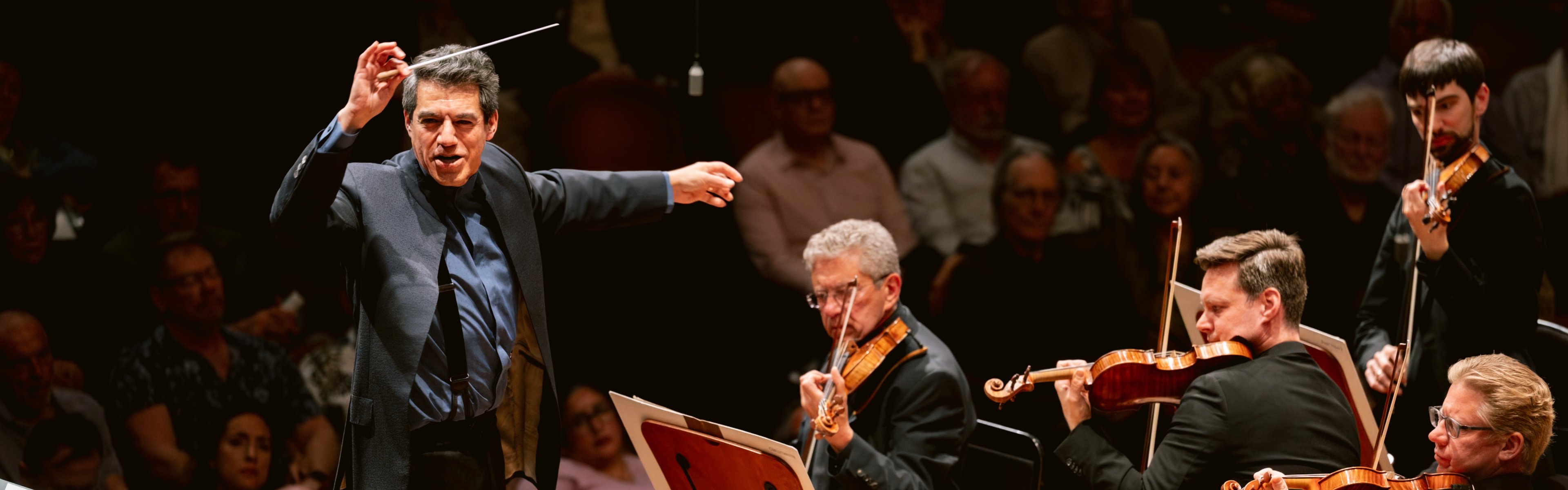
The Symphony’s thrilling performance of these works under the baton of Peruvian conductor Miguel Harth-Bedoya mostly made this programmatic problem a moot point. But amid the colors and nuance, audiences must be forgiven for believing the fantasy is real.
On the American side, there was Alberto Ginastera, an Argentine composer who retained an interest in preserving national themes. In his Estancia Suite (1941) — a selection of dances from the ballet of the same name — each dance is built out of thumping, syncopated rhythmic phrases.
Aside from a languid flute solo in the second dance, “Danza del trigo,” the piece could be called, without much exaggeration, a concerto for timpani. The timpani underline nearly every passage and frequently lead the orchestra in call-and-response duets. Principal timpani Edward Stephan attacked the music with fire and strength, galvanizing the dance with wild energy.
A similar musical rhetoric animates Spanish composer Joaquín Turina’s Danzas fantásticas (1919), a set of dances inspired by José Más’s 1918 novel La orgía. The three dances draw on material from the Basque Country and Andalusia, including guitar-like interludes and flamenco melodies.
Harth-Bedoya smoothed out this music, trading bombastic climaxes for a lyrical and free orchestral voice. The final dance, while it didn’t quite live up to its title (“Orgy”), contained a gentle middle section that emphasized Harth-Bedoya’s penchant for this music’s hesitating, even coy, motion.
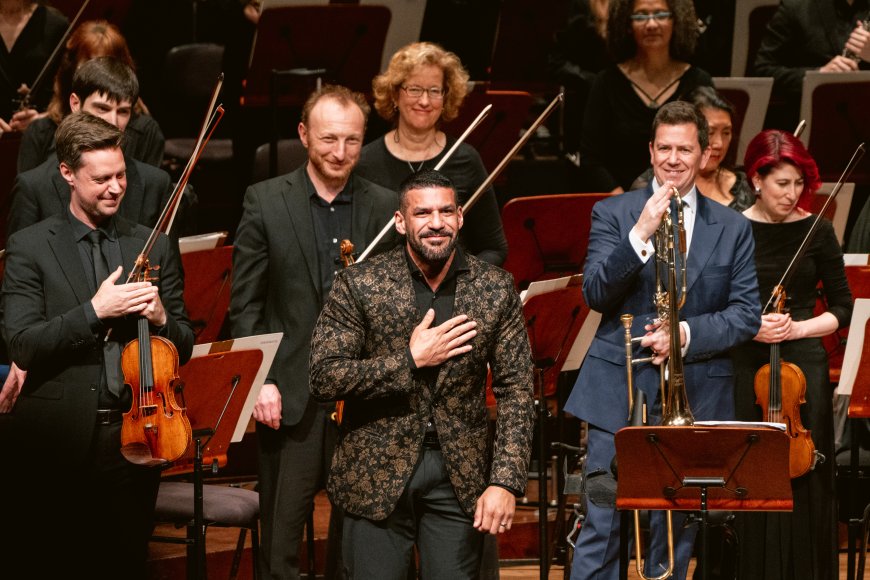
The Peruvian American composer Jimmy López, whose music is a regular presence at Davies, was represented by his trombone concerto Shift, which stood on its own. In its U.S. premiere, the work embellished the already expansive sonic vocabulary of the program.
Trombonist Timothy Higgins pushed his instrument to the limit with rapid-fire articulation, vibrant slides and song-like melodies. The orchestra provided an atmospheric background, perhaps necessary when competing with an instrument whose timbre and register falls in the middle of the orchestra’s range.
Though Shift went on a bit too long, it was another example of López’s adventurous, dynamic voice.
Ravel’s Rapsodie espagnole concluded the evening. Harth-Bedoya didn’t leave a single detail of the work’s sensitive orchestration untouched, proving that its idiosyncratic habanera is the godfather of Ginastera’s and Turina’s dances.
By the end, the program’s contradictions had become part of its charge. The same theatrical imagination that gave the music its sweep also made its premise uneasy, leaving the audience to wonder where national character ends and invention begins.
Collin Ziegler is a freelance writer. This review has been provided in partnership with San Francisco Chronicle.