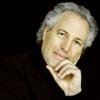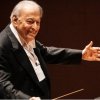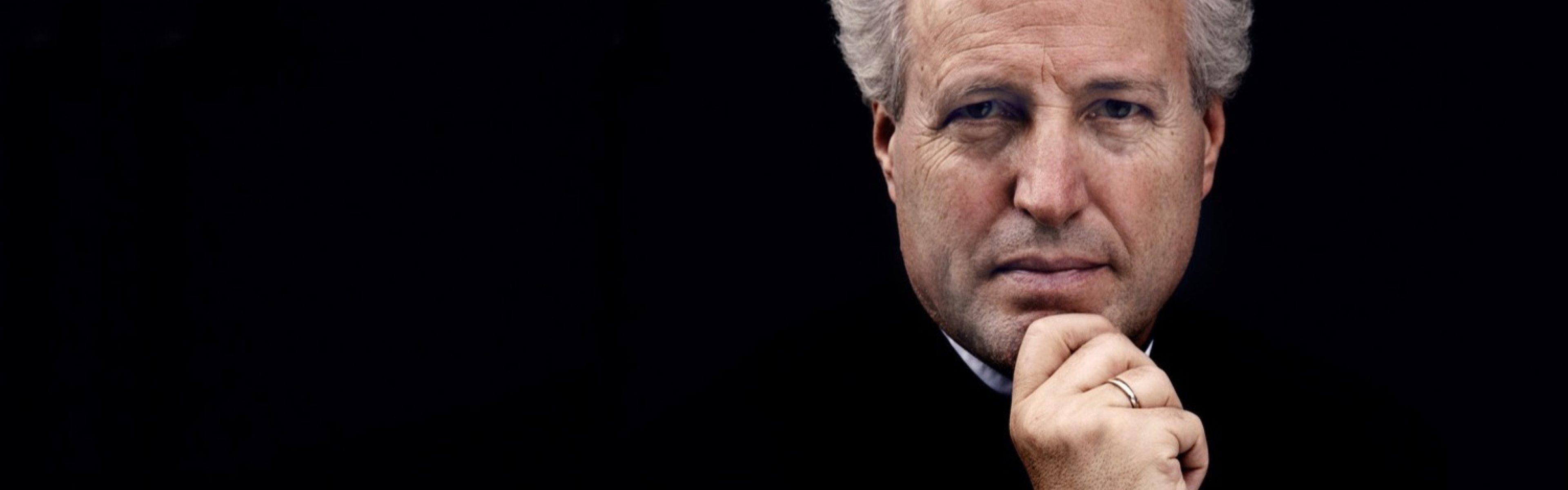
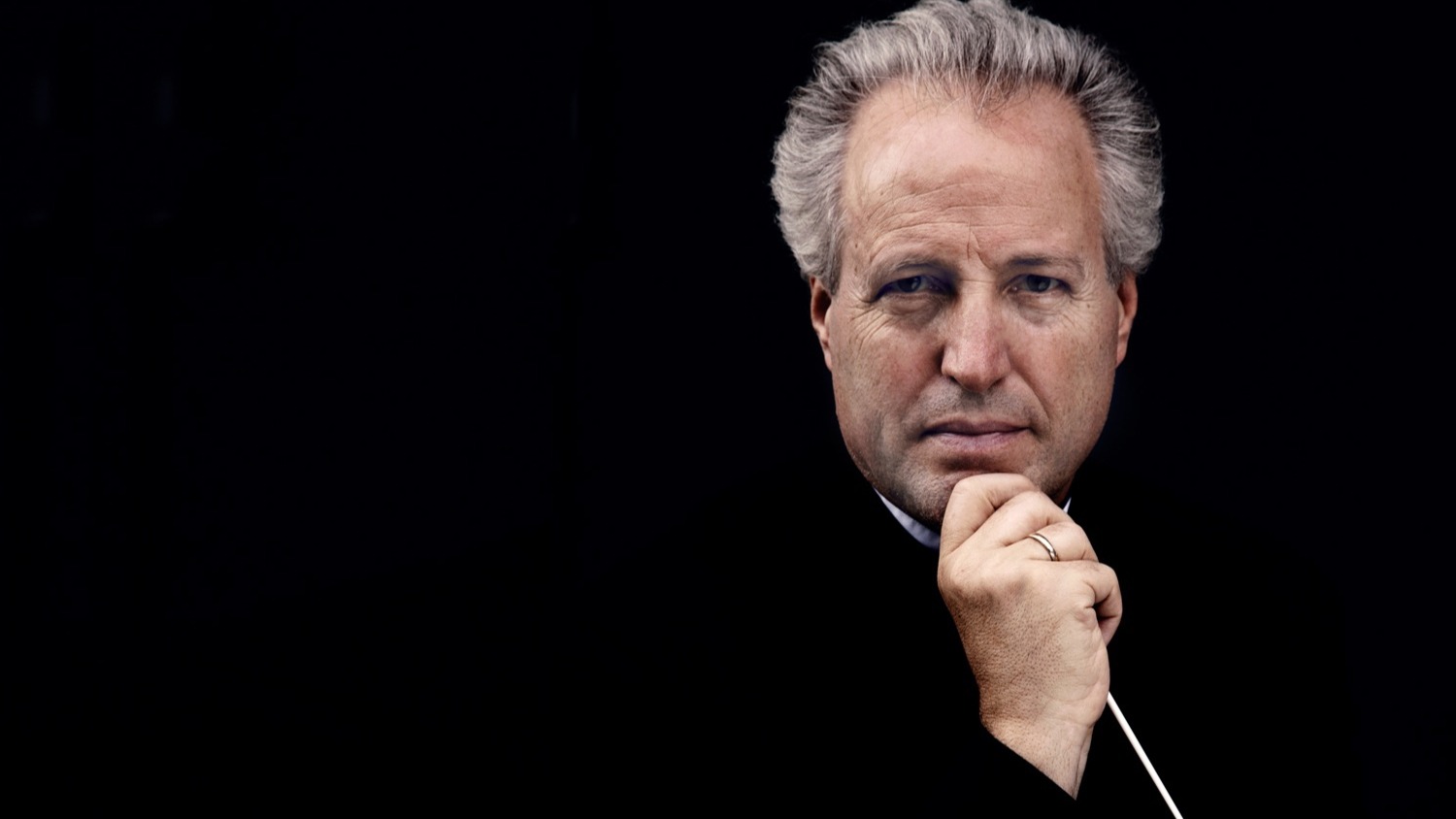
The Pittsburgh Symphony has had many distinguished music directors over the decades — Fritz Reiner, William Steinberg, André Previn, and Lorin Maazel to name but a few — yet consistently seems to fly under the radar when it comes down to ranking the best American orchestras. The orchestra’s work under its current distinguished music director, Manfred Honeck, also tends to be underappreciated despite a number of Grammy nominations (whatever they’re worth).
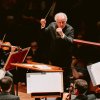
But when Honeck came to Walt Disney Concert Hall to guest-conduct the Los Angeles Philharmonic Thursday night, Apr. 2, at least one thing was proven: His achievements in Pittsburgh can travel. I’m speaking of the LA Phil’s amazing performance of Tchaikovsky’s Symphony No. 5, a warhorse more moth-eaten than most through overexposure. Honeck turned it into the thoroughbred it can and ought to be.
It’s apparent that the conductor is emotionally attached to Tchaikovsky’s Fifth; it was the first major work that he conducted in Pittsburgh, and he and that orchestra made an electrifying, superbly engineered recording of it in 2022. Not only did he deliver the goods from the podium, but he also wrote all the extensive booklet notes, including a detailed musical analysis of the piece, its history, and pointers about his own interpretation. Not many conductors bother to do all that. (He also enterprisingly coupled the symphony with Erwin Schulhoff’s rare, delightful Five Pieces for String Quartet, which he and Tomáš Ille arranged for orchestra.)
Honeck transmitted what he did in Pittsburgh to the LA Phil — and the results were just as good. He observed the extremes in dynamics that he attributes to Tchaikovsky’s mood swings between the deepest depressions and chest-thumping triumphs. In his notes, he admitted to taking a few liberties with Tchaikovsky’s markings — like adding a crescendo — and he made them work musically and emotionally.
The conductor brought out telling details that few ever bother with — to cite just some examples in the first movement: the spotlit bassoon and clarinet runs all around the main tune in the strings, and the savage descent of the double basses into the depths at the movement’s close. He observed the numerous tempo changes in the second movement without the sentimentality that can creep in.
He observed long pauses after some cataclysmic climaxes and cadences. The brasses were loud, all right, but balanced with the rest of the band, and the finale blazed to the finish, when Honeck revved up the tempo of the coda. Too many conductors just beat time in Tchaikovsky’s Fifth (and Fourth, for that matter). This performance was all the more extraordinary for its precision.
The same kind of bar-by-bar care was lavished upon Joseph Haydn’s Symphony No. 93, numerically the first of the so-called “London” Symphonies, but not as often played as some of the others. Honeck artfully shaped the slow introduction to the first movement and made the triple-meter allegro dance and sway. He was also tuned in to Haydn’s wonderful sense of humor, perfectly timing the disappearance of the instruments in the middle of the second movement, leaving us in suspense until the bassoon emits a comically flatulent bass note.
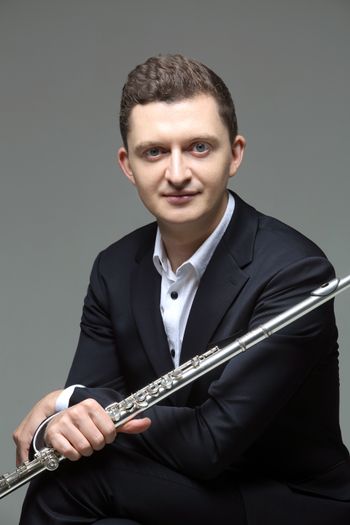
A name that you don’t encounter much these days is Carl Reinecke (1824–1910), who published 288 works. Almost all of them are forgotten today, but one of his late works, the Flute Concerto in D, Op. 283, provided a pleasing vehicle for the LA Phil’s principal flutist, Denis Bouriakov.
Reinecke wrote the piece when he was 84 years old, in a Romantic style whose time he greatly outlived. Yet it has melodic charm; one lovingly shaped line in the slow movement sounds like it could fit into an operatic aria. Bouriakov’s first-class tone and faultless articulation conveyed a feeling of fantasy. He’s another great soloist among many embedded within the LA Phil.