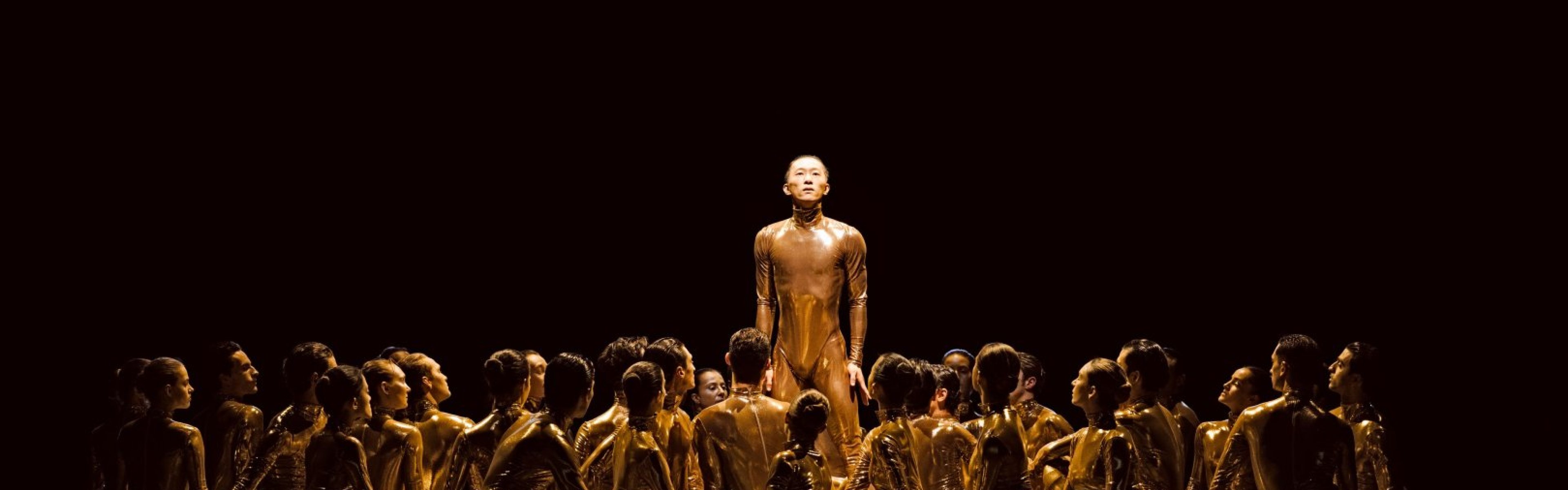
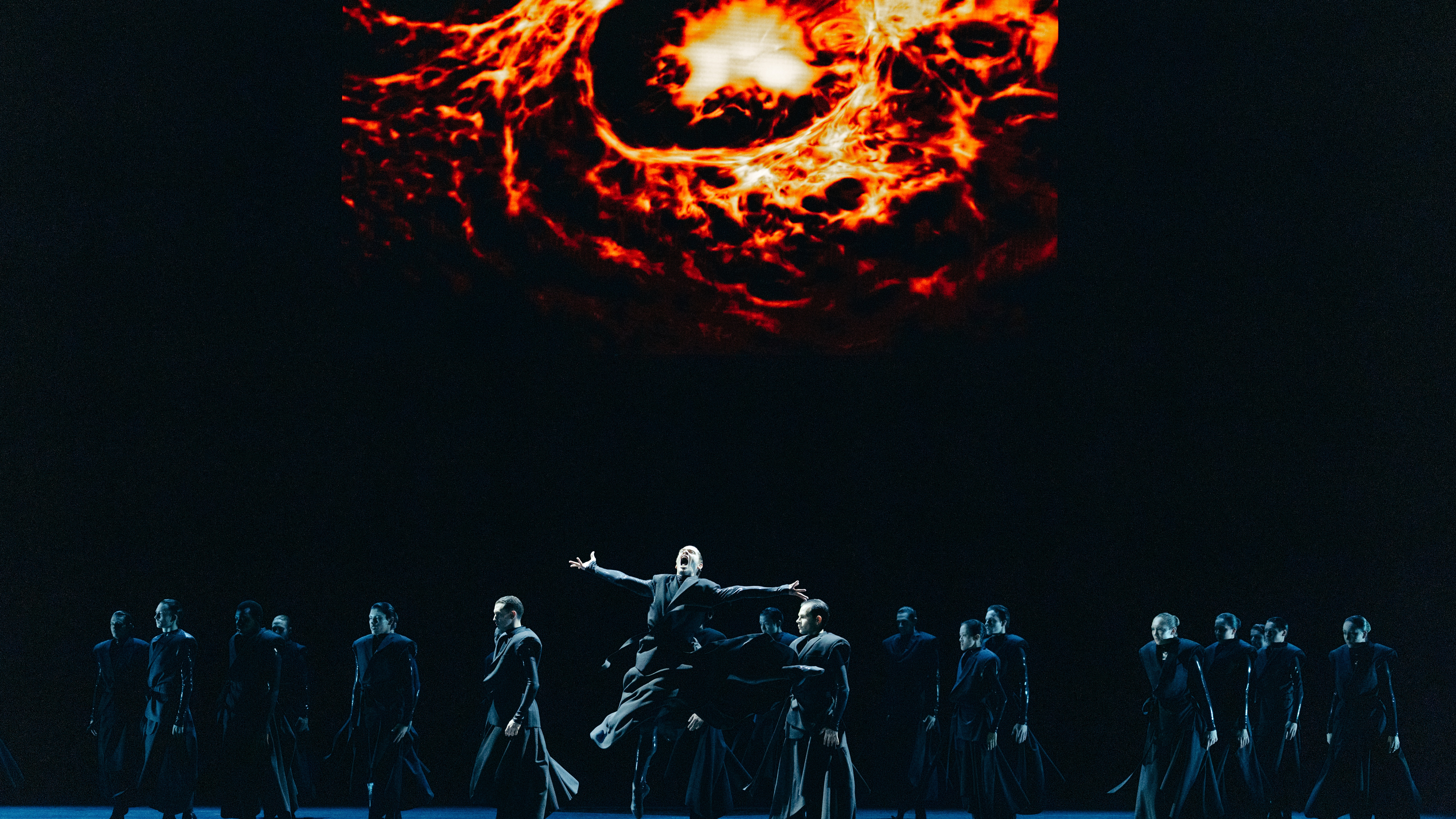
Mere Mortals, a signal success in its premiere two years ago, returned to San Francisco Ballet this week. It’s a captivating, if confusing, exploration of the Greek myths of Pandora and Prometheus as applied to the age of artificial intelligence.
Running through May 3 at the War Memorial, this contemporary ballet incorporates a stunning variety of movement styles and a score of largely electronic music that is so propulsive and repetitive, it’s often unsettling. The work is short and entrancing, and the questions it raises feel timely in a city at the forefront of A.I.’s expansion.
Choreographed by the visionary Aszure Barton, Mere Mortals taps into the myth of Prometheus — a god who deals with boredom by stealing fire from the gods and giving it to humans. Enraged by this theft, Zeus creates the first mortal woman, Pandora, who is given a mysterious box that she is told never to open. When Pandora's curiosity gets the better of her, she opens the box and unleashes the ills and suffering of humanity.
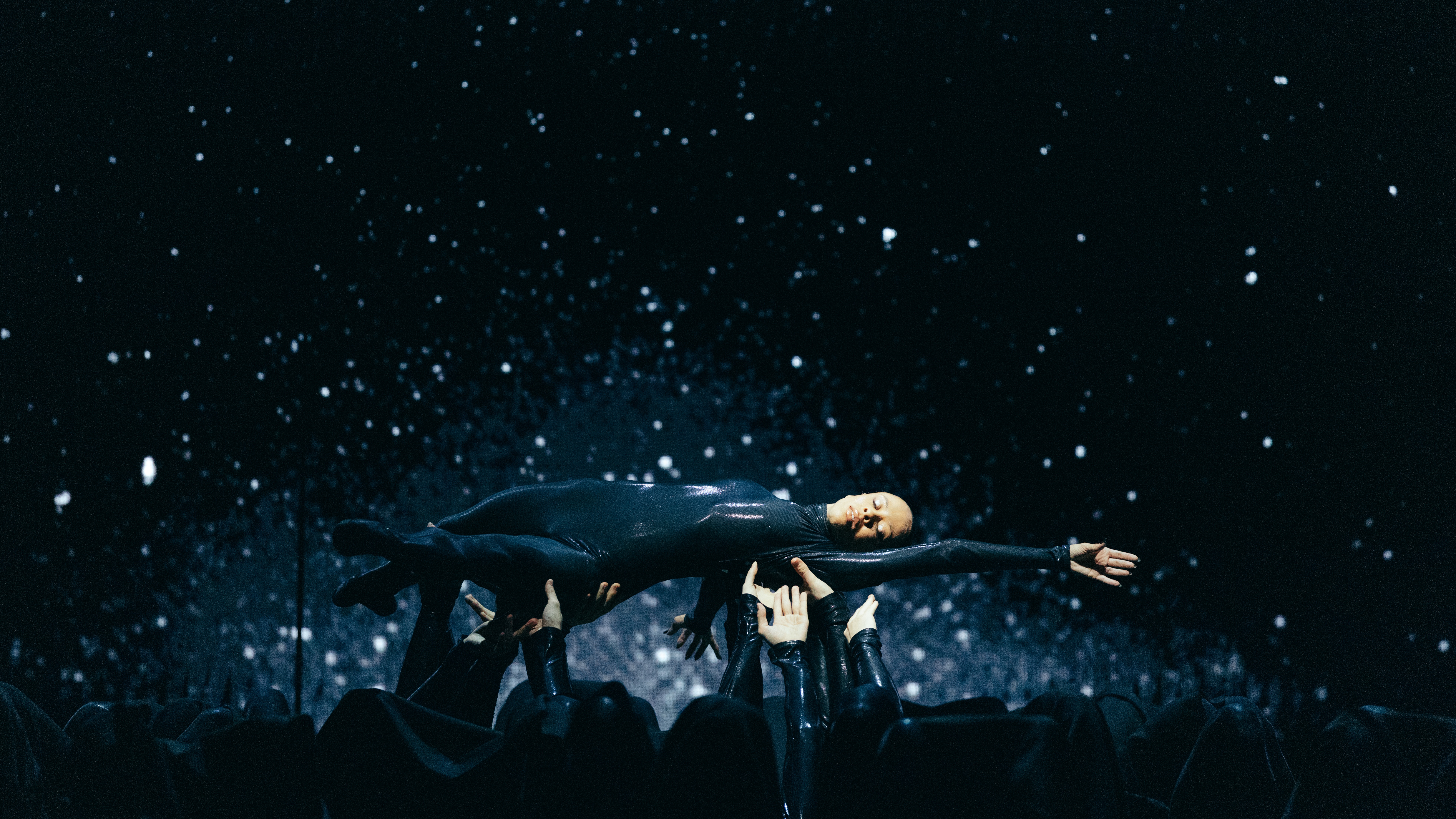
In the ballet, Pandora’s box represents the curious pull of A.I. and the dangers it has unleashed. At a time of great experimentation and speculation about A.I., the premise is compelling, but the consequences of the inciting incident are difficult to discern in the dancing.
Propulsive walking and hip-hop-inspired stepping catapults the ensemble back and forth across the stage at the beginning. After Pandora has opened the box, she stands alone onstage before a large and lengthy video panorama showing waves and other natural phenomena. Is this flooding? The environmental effects of A.I. data centers? Or something more mystical?
When the company returns to the stage after the video, the quality of their movement is not markedly different from their dancing before the unboxing, leaving the audience with questions about the story. How has the introduction of A.I. affected humanity?
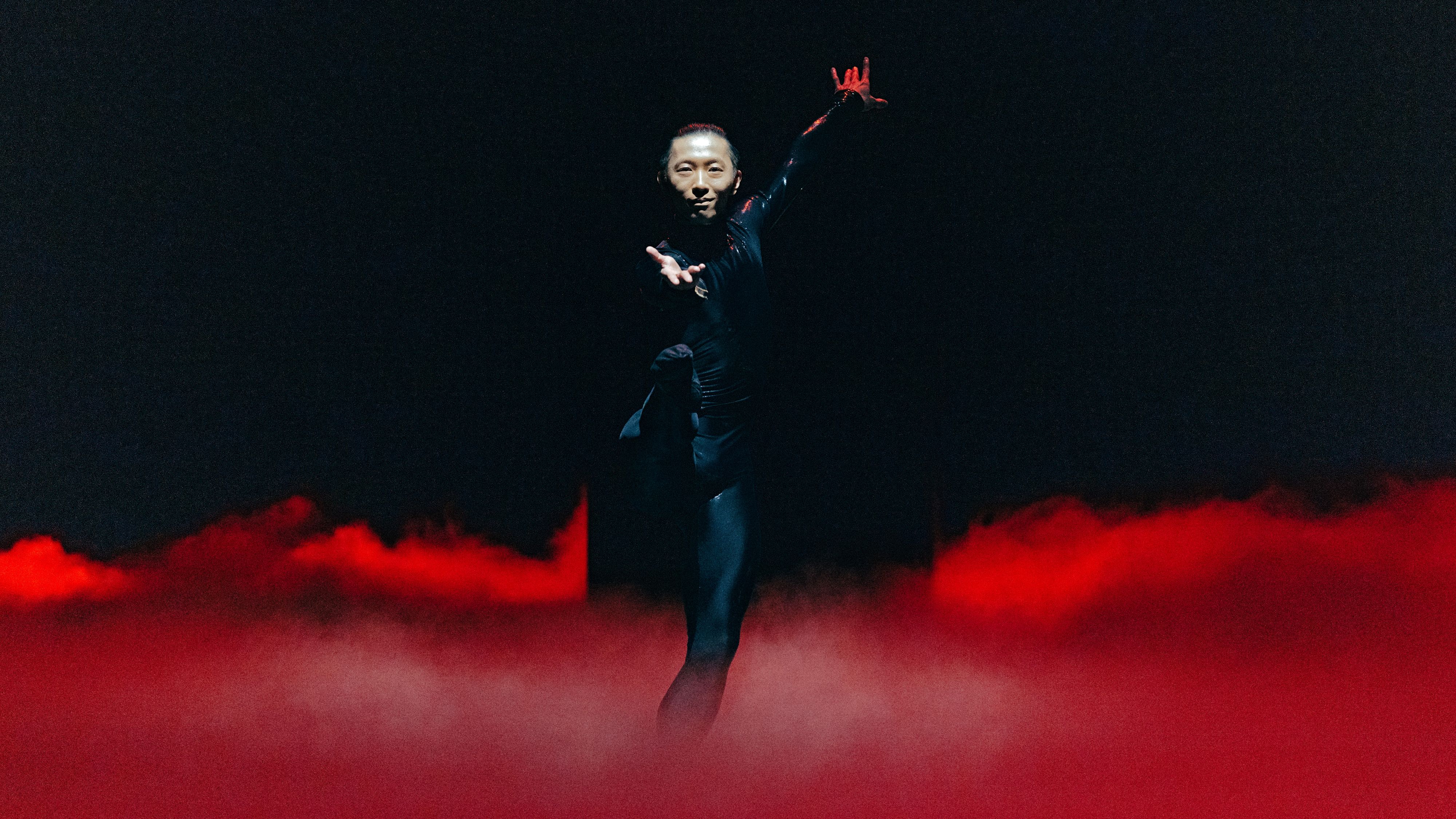
By the end of the ballet the dancers have donned gold costumes, the new color of Hope — a modern character of metaphor who serves as a constant throughout the show. It would seem that something in the narrative has shifted, but it’s not clear what.
That said, narrative is perhaps the wrong way to make sense of a work for which the choreographer has written a note stating she does not wish to push her views on the audience. “It’s important to me that the individuals in our audience trust their own imaginations and emotions versus trying to see what we want them to,” Barton writes in the program.
The score, by British electronic musician Samuel Shepherd, professionally known as Floating Points, stirs up uneasy feelings in the audience. It forms the screeching, pulsing, and energizing underbelly of the ballet, and perhaps embodies most clearly the dissonance that defines our era of technological explosion.
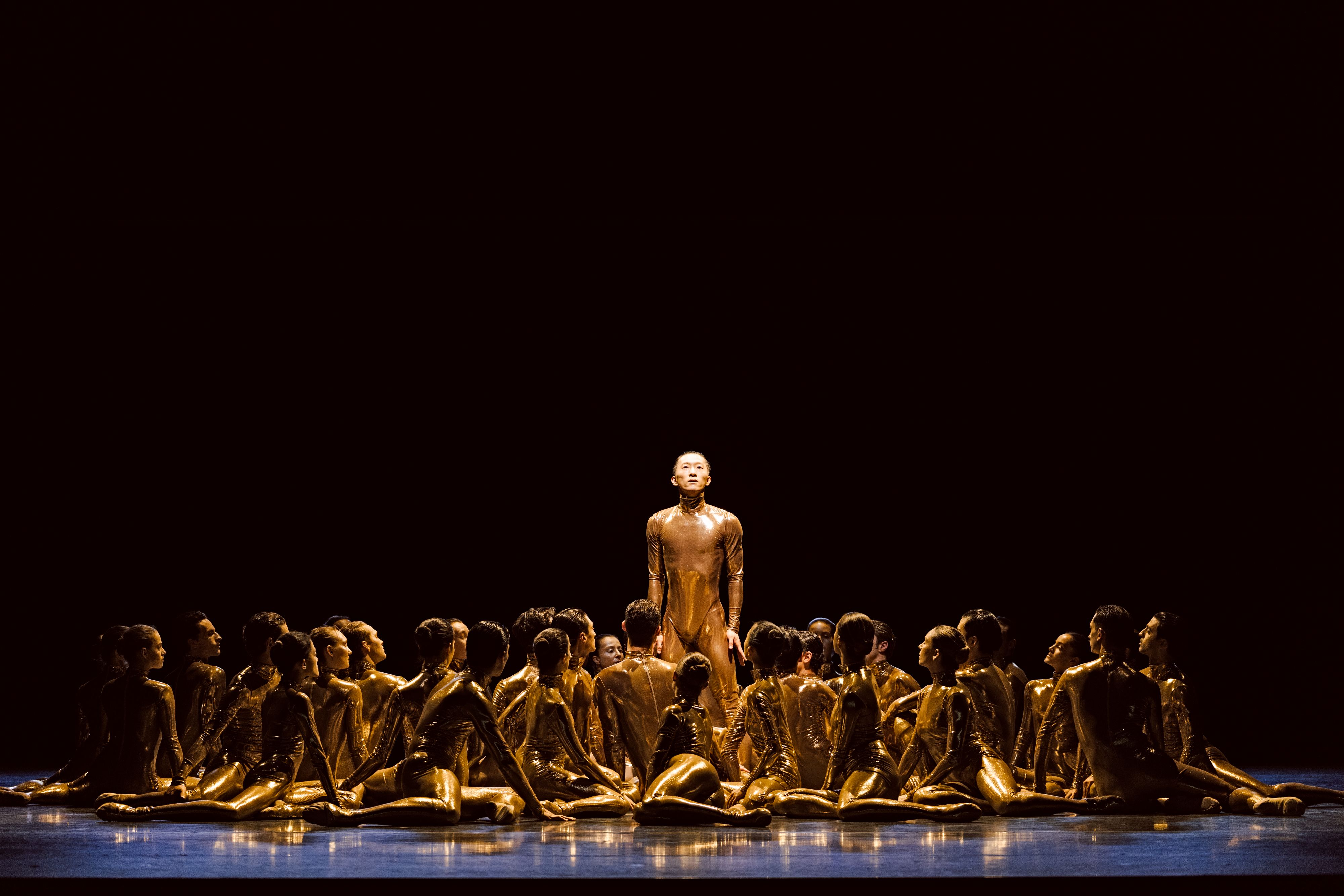
The spectacular ensemble executes impressive acts of coordination, such as building towers and waves with their bodies. Even their purposeful walking competed for attention with the solos. These dancers, in their stunning feats of synchronicity, make a strong argument that we mortals are capable of working together toward greatness.
The ensemble alone could have carried the show, were it not for the principals’ deft portrayal of the four main characters: Pandora, Prometheus, his brother Epimetheus, and Hope. Pandora, played by Nikisha Fogo, enters with a striking, stilted movement style that becomes more languid as she entertains her curiosity. Prometheus, a string-pulling mastermind played by Joseph Walsh, evokes the tech titans of our day; his signature move, a saut de basque, creates a posture of power as he indulges his penchant for playing with fire. Walsh shares a buoyant duet with Parker Garrison, who plays the subtler and more curious Epimetheus. Hope is played by the graceful and effervescent Wei Wang, whose frequent leaps and fluttery arm movements evoke birds.
Mere Mortals is perhaps best viewed as a provocation rather than a cautionary tale. The end of the show is abrupt. When the curtain falls, one wants to see it a second time to plumb its deeper meaning, even if the quest for total understanding is the very warning the show seeks to convey.