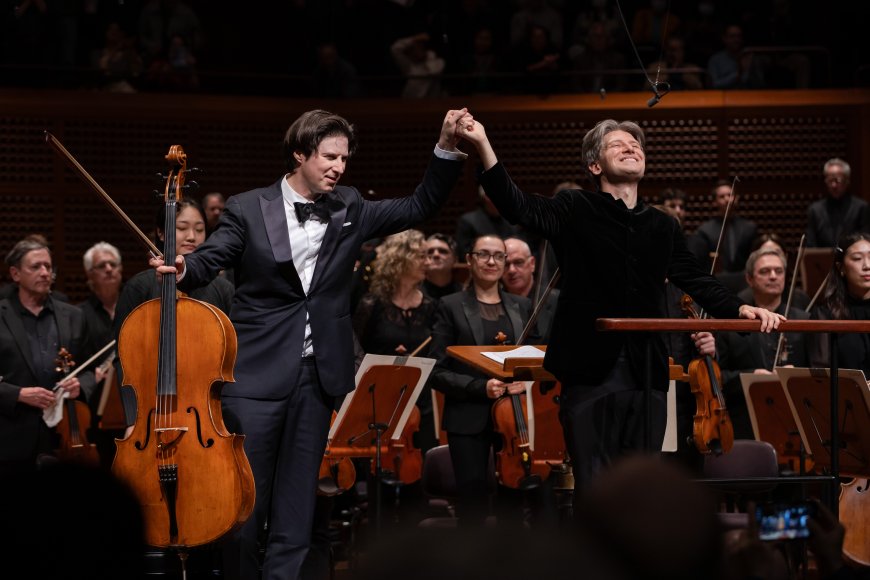
“Fasten your seat belts,” Daniele Rustioni told the audience from the podium at Davies Symphony Hall. He was about to conduct the San Francisco Symphony in Brahms’s Symphony No. 2, and he wanted everyone to know they were in for something different and unpredictable.
No, it wouldn’t be a wild ride through this familiar work — anything but, in fact. Instead of turbulence or the composer’s reputed “melancholia,” Rustioni, in his SFS debut, wanted to bring a “sunshine light” and “tremendous joy” to a work known for its lyrical and luminous aspect. He added, signaling like a flagman that there was no barrier between the stage and the audience, “We do this together.” It was a touching tribute to the symbiotic delights, for listeners and orchestra, of live music.
The charm, tempered by some reservations, played out once the Brahms began in the Friday, March 13 performance. After the low rumbling of an initial four-note theme, the long first movement was marked by light, lissome textures. An exchange between the violins and flutes was especially bucolic. It was a reminder that the symphony has drawn comparisons to Beethoven’s “Pastoral” Symphony (No. 6).
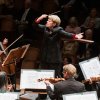
More pensive, even darker matters in Brahms’s first movement didn’t get their full measure, as Rustioni pressed his case for sweetness and light. His podium presence reinforced it. So animated was the conductor that he hopped in the air more than a few times during the evening, bringing a sense of bustling momentum and even a martial rigor to the later material, with the horns and brasses bright but not overwhelming.
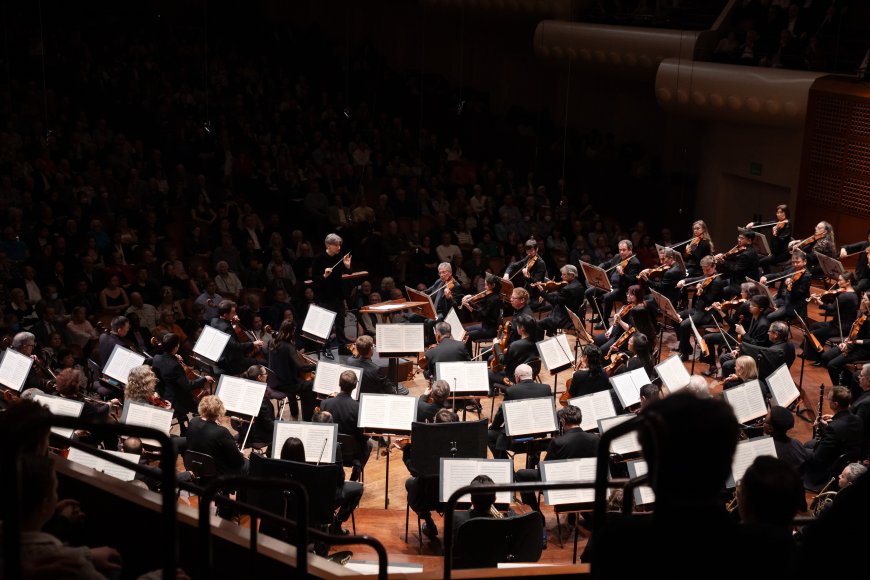
The opening bars of the Adagio — a ravishing surge led by the cellos — were beautifully done, more liquid than soupily lush. The sense of restraint, with noticeably slow tempos, continued, which did make the movement go slack at times. It didn’t help matters that there were unusually long, page-turning pauses between movements. But the caressing warmth, once it heated up, was hard to resist.
The third movement, which Rustioni termed an “elegiac intermezzo,” came off as described. The vibrant woodwinds took the lead, balancing dancing grace with more brooding effects, pairing with the strings in delicate discourse. This Allegretto felt like a restful pause in the shade before the colorful sprint and fadeaway finish of the Finale. Rustioni and the musicians, who didn’t always seem to be in sync, were a united force here, from suave legatos to brawny outbursts and a softly disappearing end.
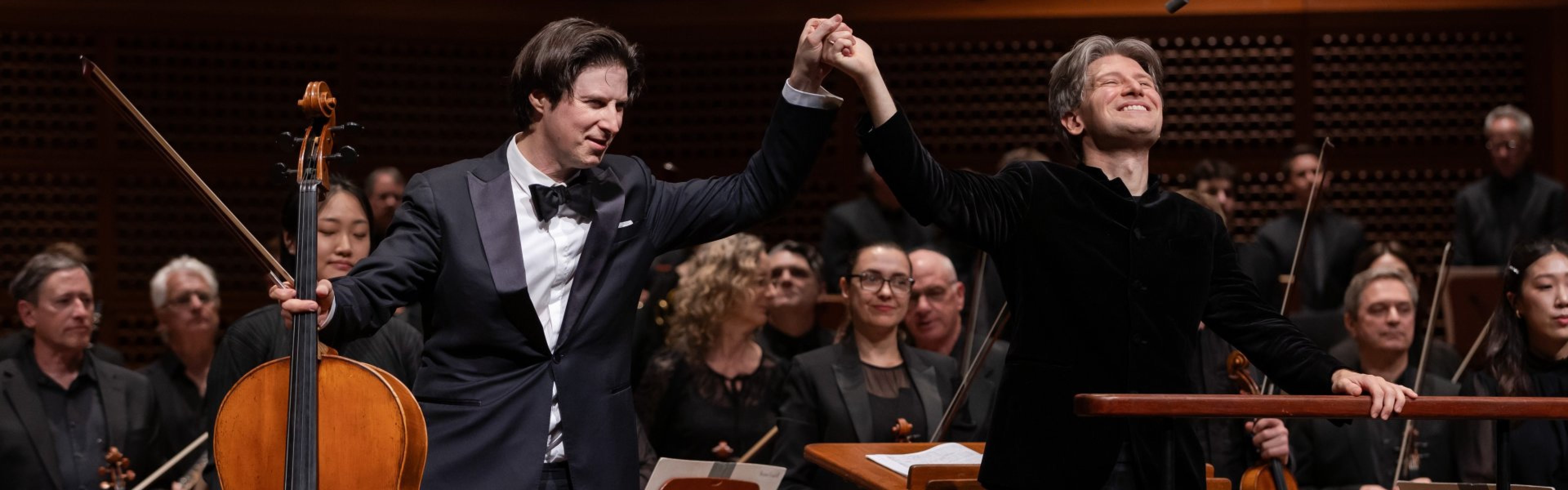
Antonín Dvořák’s Cello Concerto, with a splendid Daniel Müller-Schott as soloist, occupied the first portion of the program. Before he ever played a note, the cellist was fully engaged, nodding along through the opening orchestral passage as if to say, “I’m with you all the way.”
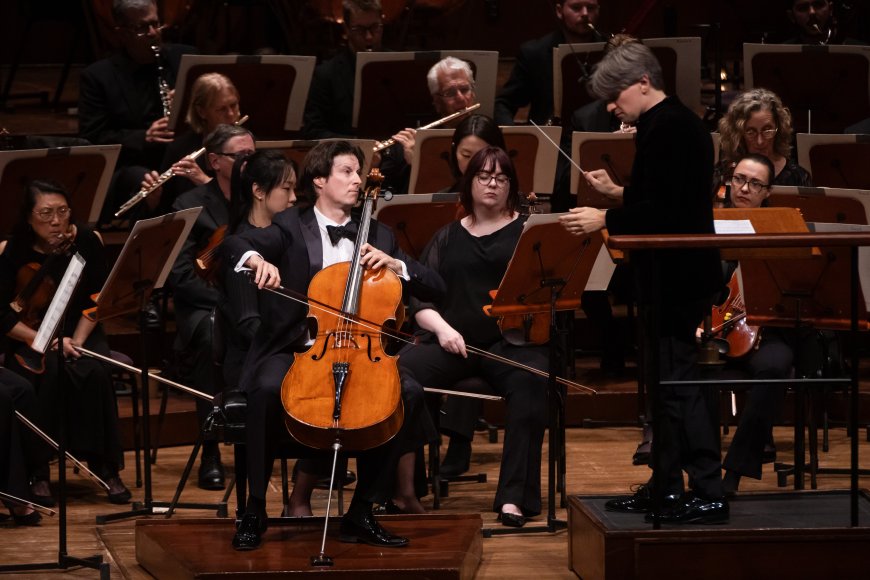
And so he was, in a performance at once dramatic and discerning. Again and again, he made the music’s inner logic and progression count. One instance came early on in the first movement, when he slightly altered the phrasing of a passage in its reprise. That gave it a fresh, enlivening shade that invited a listener to recall how it sounded the first time: it was music as memory and narrative.
Often glancing up at the conductor — and later at concertmaster Alexander Barantschik when they had a short duet — Müller-Schott conveyed the intimate attention of a chamber player. The orchestra responded in kind, even if they occasionally swamped the soloist, who was making his subscription concert debut.
With a sound more rounded and limber than big, the cellist emphasized the solo part’s color and grace. His passagework was smooth and often delicate, the trills and tremolos blended into the musical line. A brief cadenza in the slow movement had the poise and decorum of a Bach cello suite, which made the urgent measures that followed all the more effective. The closing movement had a singing exuberance, with Dvořák’s flair for invoking Czech folk tunes on full display.
Müller-Schott’s encore, fittingly enough, was the gigue from Bach’s Cello Suite No. 3. His lively account of it finished off the Bach-like business his cadenza hinted at in the concerto. Sometimes the circle gets rounded in unexpected ways.