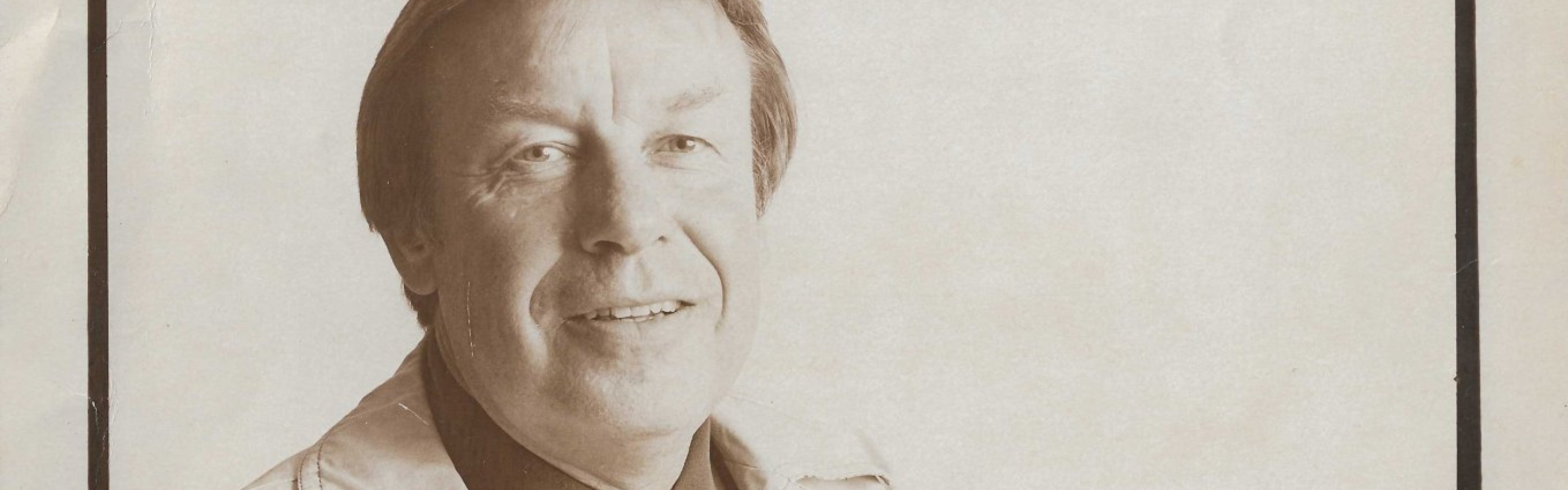
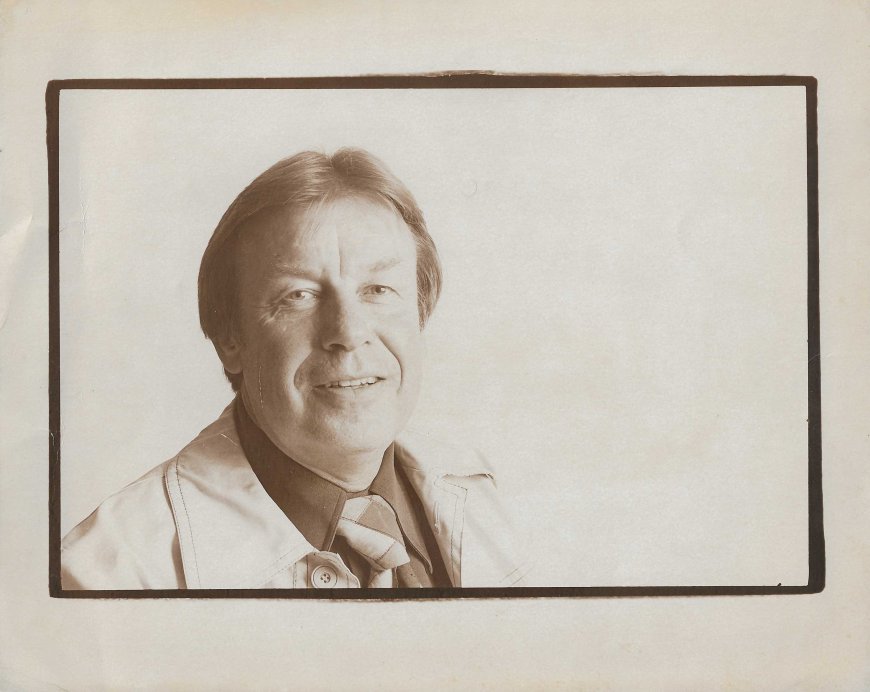
The first time I contacted Phil Elwood did not go well. Looking up his number in the phonebook, I cold-called him in the fall of 1997 to see if he’d be willing to do an on-camera interview for a documentary I was making about jazz/ cabaret vocalist Wesla Whitfield and her husband, pianist Mike Greensill.
Elwood, a prominent figure among Bay Area jazz journalists, was an obvious choice. He’d written liner notes for several Whitfield albums and reviewed the couple’s performances many times during his more than three-decade reign as entertainment critic for the San Francisco Examiner, where he covered rock, blues, comedy, cabaret shows, and jazz, his particular field of expertise.
When Elwood answered, it was immediately apparent that I’d caught him at an inopportune moment, as he demanded to know what I wanted before I had a chance to introduce myself. After I stammered out my request, he gruffly told me to call him back later and hung up.
With the persistence of a graduate student looking to turbo-charge his master’s project, I called Elwood several days later, and he quickly apologized. I tried to brush it off, but he insisted he’d been wrong and wanted me to know he was sorry. More importantly, he readily agreed to an interview, which took place a few months later in the wood-paneled, floor-to-ceiling packed library of his Berkeley Hills home.
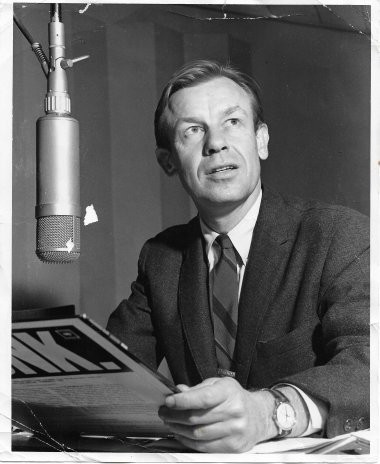
The acquaintance soon turned warmly collegial as we started running into each other at clubs while covering shows at Yoshi’s, Anna’s Jazz Island, Jazz at Pearl’s, and the various venues used by SFJAZZ (then known as the San Francisco Jazz Festival). Elwood wasn’t a mentor, but before his death in 2006 at the age of 79,
he became a role model for how to conduct oneself as part of a small but hardy cadre of writers dedicated to covering the Bay Area jazz scene.
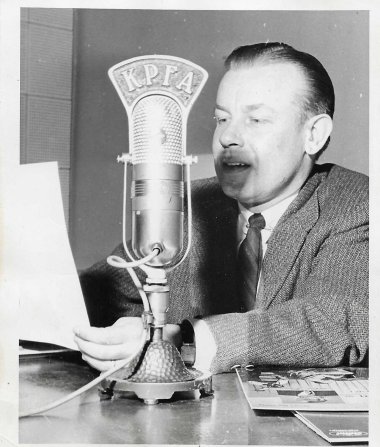
The Examiner was an afternoon paper, which meant he had to file his copy after the show to would run the following day. A master of the overnight review, he wasn’t particularly interested in writing features, though his interviewing skills figured prominently in his groundbreaking radio show “Jazz Archives,” which broadcast weekly through the Berkeley-based station KPFA from 1952–1996.
Without a book under his byline, Elwood’s oeuvre has lost its topical frisson, though quotes from his reviews continue to resonate in musicians’ bios, press kits, and websites. March 19 would have been Elwood’s 100th birthday, and it’s distressing that his legacy hasn’t been better tended.
Unaccountably, he’s yet to be inducted into the Bay Area Radio Hall of Fame, even though he was among the first to broadcast jazz from an FM station. KPFA named its music library after him in 2016.
Elwood’s early KPFA work amplified the resurgence of interest in pre-swing jazz idioms with his thematic shows on New Orleans jazz and interviews with key Bay Area trad jazz revival figures such as trumpeter Lu Watters, trombonist Turk Murphy, and clarinetist Bob Helm. His studio interview with Louis Armstrong can be heard at KPFA.org and you can read some of his work on SFGate.com, dating back to 1995. To find the bulk of his articles, however, you have to delve into microfiche.
The Elwood family, spearheaded by Phil’s son Josh, has been looking to create some kind of online archive for Elwood’s KPFA interviews and reviews, which also appeared in the San Francisco Chronicle after the Hearst Corporation acquired the paper, in 2000, and merged it with the Examiner’s staff. But that plan has yet to take shape, and there should be more visible traces of Elwood’s legacy than the plaque in his honor at Yoshi’s marking the acoustically-ideal table where Elwood could be found sipping a glass of white wine.
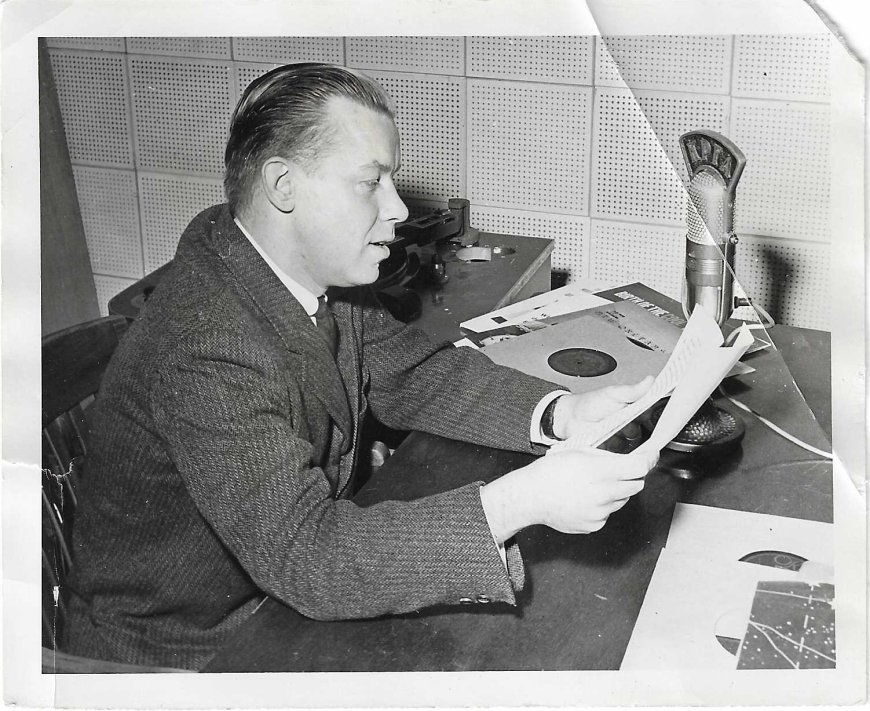
In many ways, however, Elwood’s approach to his work still resonates across the Bay Area. He covered the entire spectrum of tradition, from the contemporary avant garde and Latin jazz to bebop, big band swing, and the New Orleans sound he fell in love with as a teenager — when a Berkeley neighbor, famed photographer Dorothea Lange, played him an Armstrong record). The welcoming tone he set among fellow writers made it clear he wanted to give musicians their due rather than put himself in the spotlight. (This was a marked contrast to the Los Angeles scene where I’d started freelancing.)
Berkeley native Joel Selvin met Elwood at the journalist’s house — he doesn’t remember when but it was long before the future San Francisco Chronicle rock critic took Elwood’s famous jazz history class at Laney College, circa 1970. The guest was Ralph J. Gleason, a polymathic writer who co-founded the Monterey Jazz Festival (with Elwood serving on its first advisory board), produced jazz documentaries for KQED, was a founding editor of Rolling Stone, and introduced the nation to the Bay Area rock scene via his syndicated San Francisco Chronicle column.
When Selvin joined the Chronicle’s staff in 1972 and started contributing reviews, Elwood welcomed him into the fold rather than treating him as a player on an opposing team.
“It was like we worked for the same paper. There was never the slightest hint of competition,” Selvin said. That wasn’t always the case with other journalists. The critic at the Oakland Tribune “would hide his note-taking sitting next to me and assiduously avoided speaking to me.”
Derk Richardson, who covered jazz and a wide swath of music for the San Francisco Bay Guardian, East Bay Express, and SFGate.com from the late 1970s through the late aughts, had met the Elwood family when he was a teenager working at Packer Lake Lodge in 1968. After graduating from UCLA, he moved back to the Bay Area in 1971 and realized the avuncular paterfamilias was a leading expert on the music with which he’d become obsessed.
When Richardson started reporting and launched his own KPFA show, “The Hear and Now,” he remembered that “Phil was very supportive, but never in a paternalistic way,” he said. “We’d sit next to each other at shows and talk about the music. What I really learned from him was the open ears and the willingness to listen to everything from Louis Armstrong to the latest pop and rock.”
Elwood’s depth of knowledge and club-going habits turned him into an invaluable resource for other writers and scholars studying popular culture.
“At his memorial service, I said it felt like a library had burned down,” Selvin recalled. “He’d gone to all those clubs before the war and had incredible recall, because it was so significant to him. He was a reference book, and not just on music.”
Elwood was born in Berkeley, the son of a UC Berkeley agronomist. He taught American history at Albany High School and at several East Bay community colleges, even after he start filing reviews in the mid-1960s. As jazz vocalist Kim Nalley said at the SFJAZZ tribute to Elwood in 2003, “getting an Elwood review was a rite of passage for young musicians, and he’d let you know if you weren’t up to snuff.”
After he retired from the Chronicle in 2002, I’d often run into him walking on the Albany Bulb, and we’d spend half an hour talking about the shows I was seeing. He clearly missed writing, and the ritual of going out to hear music and putting his observations down on paper.
“He was that guy out there on the scene,” Selvin said. “His reviews would run the next day. His optimism was overbearing. He was so happy to be doing what he was doing.”
The media world in which Elwood thrived has largely evaporated in the digital age, but the heart and intelligence he brought to music journalism are more indispensable than ever.