Could the head-hunting Los Angeles Philharmonic be looking to another Gustavo for its soon-to-be-vacant top job?
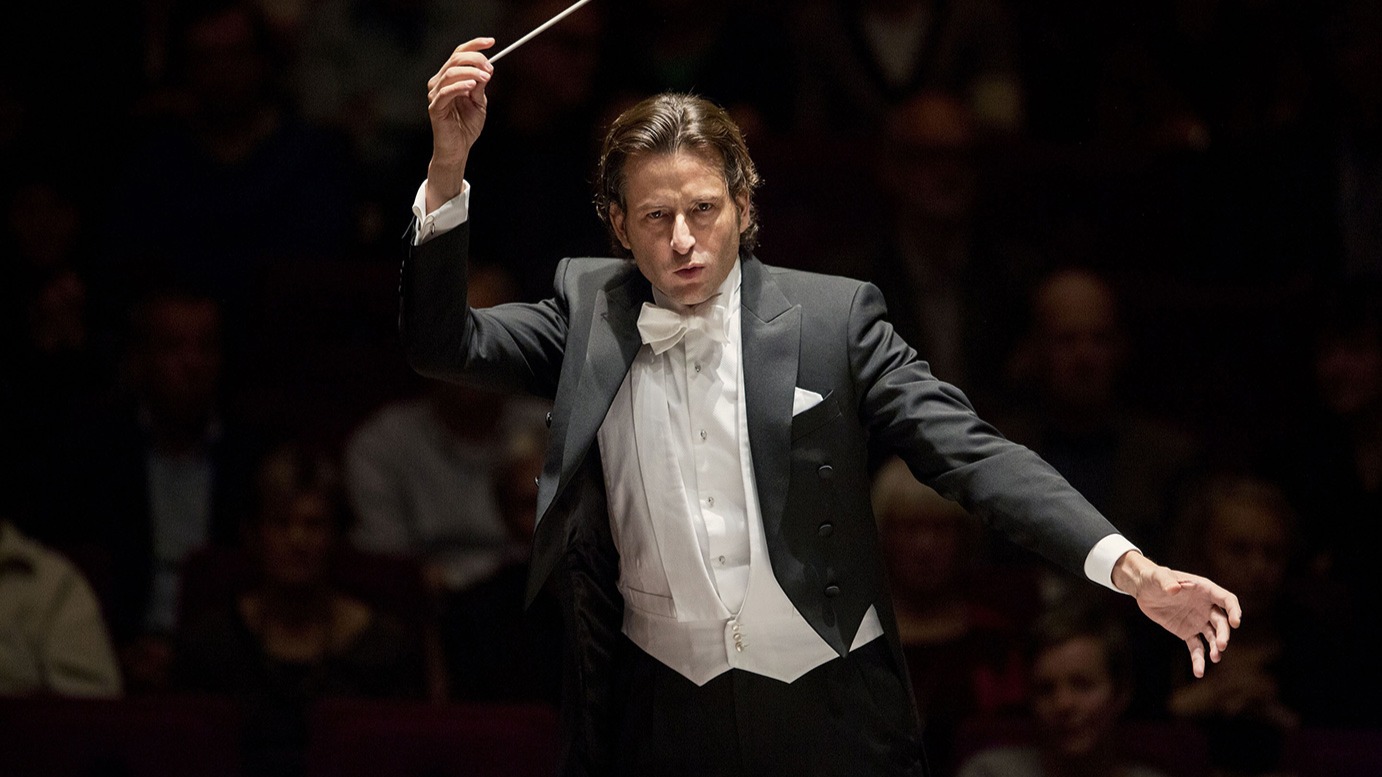
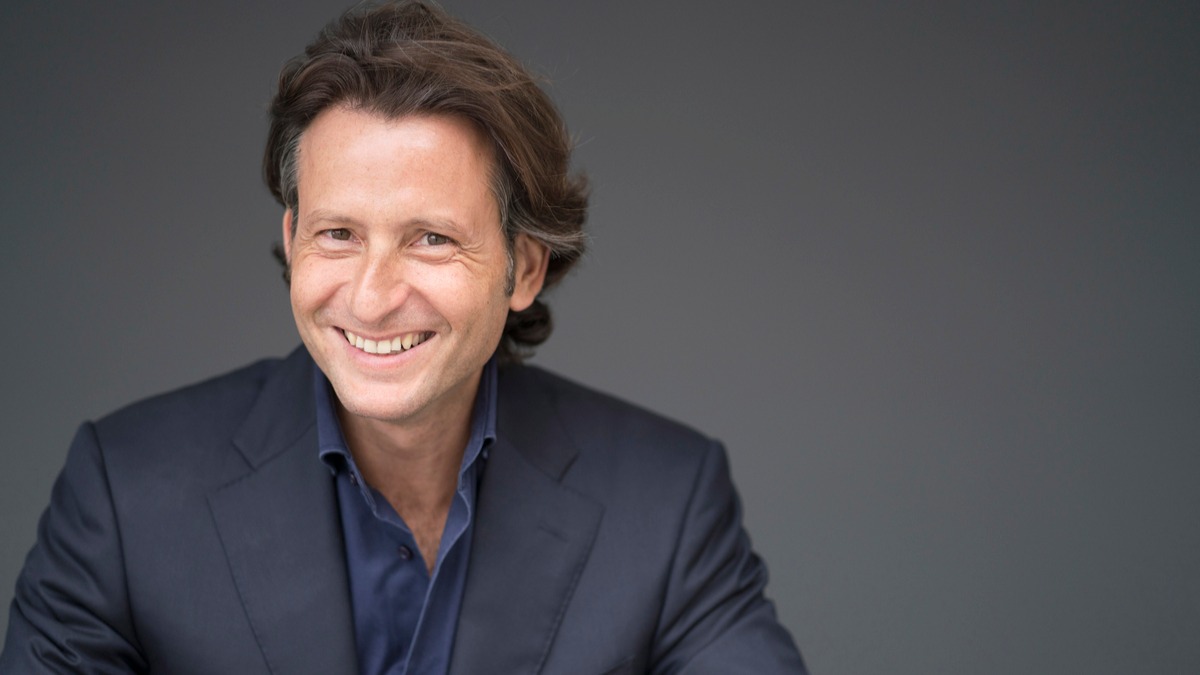
The man in question is Gustavo Gimeno, 49, a native of Valencia, Spain. He is currently the music director of the Toronto Symphony through 2030 and has just started his term as music director of Madrid’s Teatro Real. He made a big impression here in November, 2022 with an electrifying performance of Shostakovich’s Symphony No. 5 that, I wrote, “got the players to dig down deeply, to listen to each other and explore the depths of a masterwork.” That’s what I heard again on Sunday afternoon, Dec. 14, at Walt Disney Concert Hall.
György Ligeti’s Concert Românesc, leading off the concert, surely must have come as a surprise to Ligeti fans who know him as an avant-garde composer of gauzy, pitch-drifting clocks and clouds. This is an early work, in four brief, continuously-played movements, written while the composer was still under the thumb of the Stalinists in charge of the arts in Budapest. Most of it sounds like Bartók, heavily drenched in Romanian folk music and dance, using some original folk material along with some imitations of such by the composer.
Thoroughly tame proletarian stuff, you would think, but it was banned anyway by the apparatchiks and not performed publicly until 1971. It wasn’t even recorded until 2001, when Jonathan Nott and the Berlin Philharmonic did the honors as part of the Teldec label’s Ligeti Project.
Yet what Gimeno and the LA Phil caught in this music that Nott and the Berliners did not (pardon the pun) was Ligeti’s characteristically zany wit, with the fizzing of strings and occasional pinpoints of dissonance suggesting that something more subversive was going on. It was a sensational performance, with a small contingent of LA Phil strings making a big, lush sound and a lone horn sounding a series of deliberately odd-sounding calls.
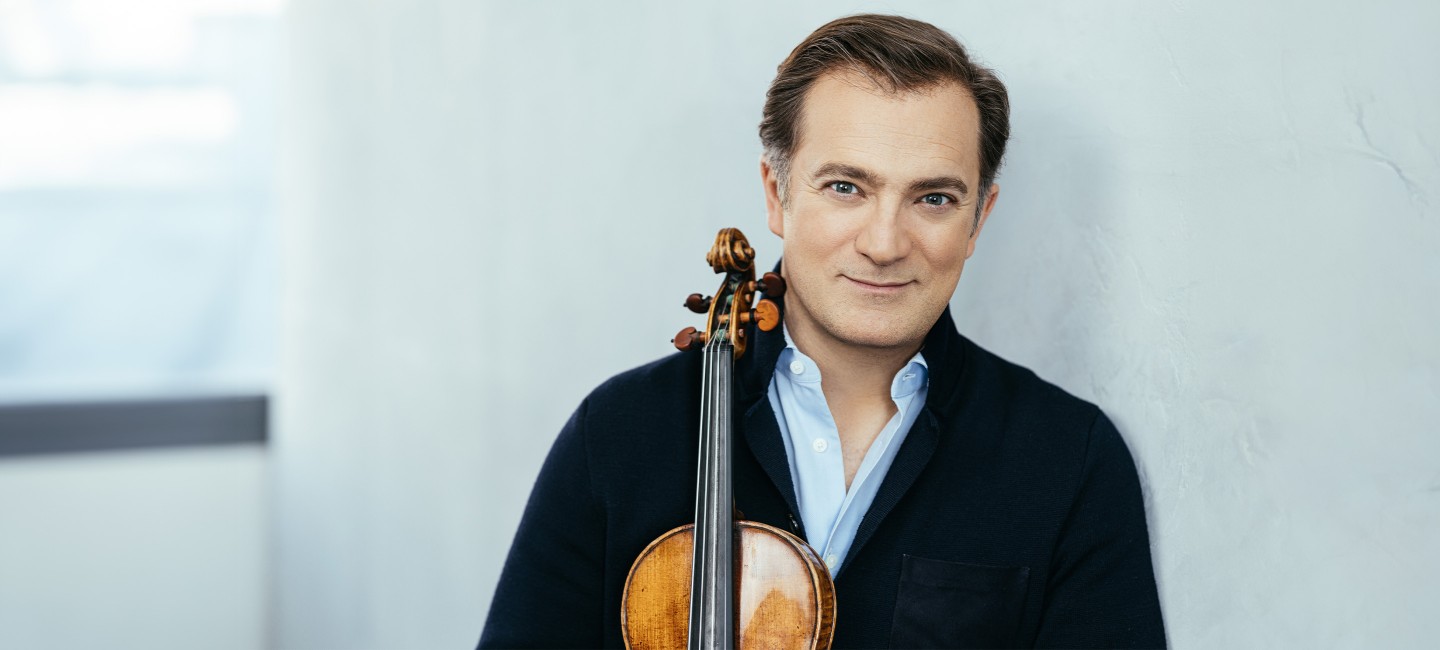
Gimeno and the Phil offered a perfectly-sprung introduction to Mozart’s Violin Concerto No. 3, clear as glass, set at a comfortably vigorous tempo with the split violin sections listening intently to each other. The soloist, Renaud Capuçon — whose cellist brother, Gautier, was recently hosted by the SF Symphony — played beautifully and elegantly, without a hint of the preciousness that can creep into Mozart performance. This was the first time that I had been in Walt Disney Hall since its creator Frank Gehry passed on Dec. 5 – and hearing Renaud’s steel-like tone quality bloom as it soared into the acoustic space brought back the realization that the first instrumental sounds heard in the unfinished hall were those of former concertmaster Martin Chalifour playing Bach. It was those opening notes that convinced Gehry that he had done his job well.
In Sibelius’s Symphony No. 1, the transparency of Walt Disney Hall’s acoustics again worked to Gimeno’s advantage. He brought out not-often-spotlit voicings — especially in the cellos — in the first movement and gave tremendous thrust to its two pedal-pointed crescendos. The slow movement was deeply felt at the beginning and end and whipped up to massive climaxes in the center. The scherzo came out firing in frisky form, and finished with a furiously-played coda. The Finale, with its unique marking “quasi una fantasia” in lieu of a specific tempo, was by turns tempestuously driven and lavishly nationalistic.
Gimeno had done it again. He really gets a rise out of this orchestra, making it play even beyond its normally high level. I wouldn’t be surprised if the powers that be are wondering whether they should try to pry him out of Toronto; I’m told he likes the sunny weather here.