With performances of Handel’s Messiah as common as mistletoe around the Bay Area each year, fans of the beloved sacred oratorio have a bumper crop to choose from.
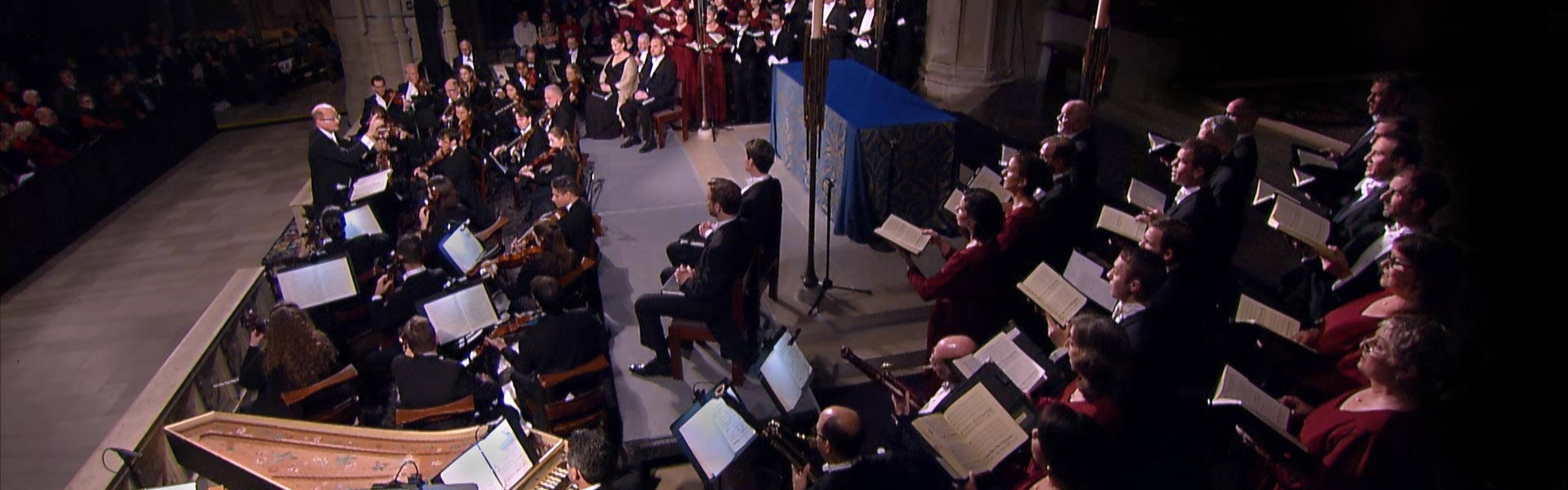
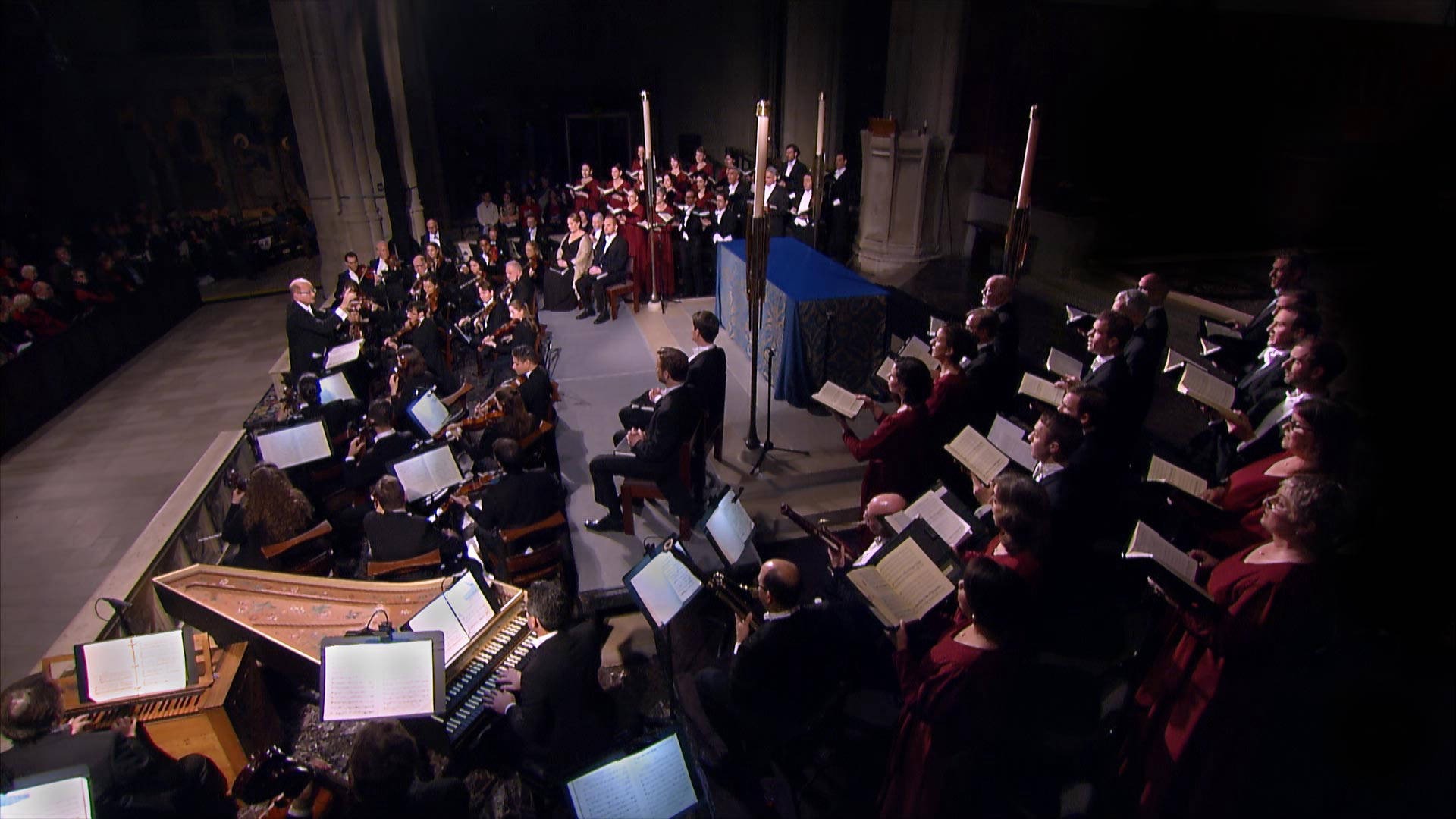
But none, it’s safe to say, offers a more dramatically apt setting than the American Bach Soloists’ annual Messiah at Grace Cathedral.
Now in its 26th year, the group opened its two-night engagement on Thursday, Dec. 11, at the towering neo-Gothic church atop Nob Hill. Familiarity with this work is a mixed blessing. The “Hallelujah Chorus” alone would draw a crowd and get them to their feet, not to mention the other stirring choruses, gorgeous arias and instrumental interludes the composer tossed off in three weeks in 1741. But when listeners come with pre-set expectations of how things ought to sound, a sense of presence may elude them.
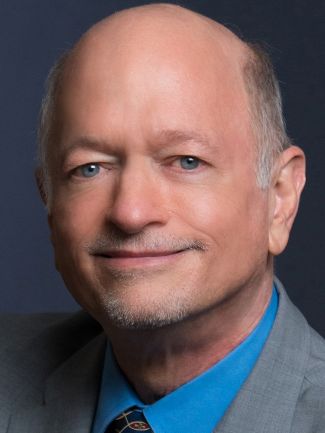
The American Bach Soloists stake out fresh territory right away, with a period-instrument ensemble that has a more yielding, supple tone and timbre than that of a modern orchestra. Artistic Director and conductor Jeffrey Thomas knows how to use that to advantage, even in such a spacious, reverberant environment. The opening Sinfony came alive in gentle, sighing phrases and lightly crisp attacks. Thomas chose his spots well later on, with some expressive rubatos and quickened tempos. Otherwise, he maintained a steady hand on the tiller.
Cobbled together from both Old and New Testament verses, the oratorio relates the birth, crucifixion and resurrection of Christ, framed by the glory and might of God. Regardless of one’s religious beliefs (or lack of them), the work is most moving when the four soloists and the choristers seem fully committed to what they are saying.
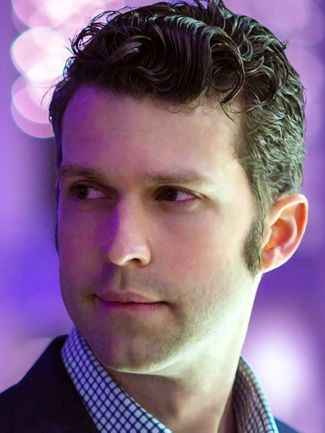
In a performance at once commanding and intimate, bass-baritone Christian Pursell made his solos and recitatives land like soul-deep testimony. He did it early on, leading “The people that walked in Darkness” step by chromatically ascendant step to “where the Light shined.” Near the end of the work, before vigorously summoning the exulting trumpets, Pursell almost breathlessly promised a “Mystery,” that in an instant “we shall all be changed.” I can’t be the only one who felt a shiver of divine possibility, set off by Pursell’s lustrous, impassioned singing.
Soprano Liv Redpath was the other standout soloist. In a bright, crystalline voice, she spun out long, liquid lines bejeweled with ornaments. Two arias that don’t turn up in every Messiah — one about the terror of souls left in hell and another about the goodness of preachers that makes even their feet beautiful — were happy finds. Redpath made the angels’ delivery of the good news of Christ’s birth to the shepherds a tender bucolic scene.
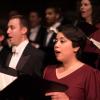
Tenor Brian Giebler sang gracefully at times, but both he and mezzo-soprano Agnes Vojtkó had smaller, less effective voices. Size matters in a hall this big. Deployed across the playing space in separate groups, the chorus delivered some vivid antiphonal effects, even as the women outshone the men.
The American Bach Soloists’ Messiah at Grace is a technical as well as an artistic challenge. That became apparent when I abandoned my seat in the fourth-row pew at intermission and sat near the back of the long nave for the rest of the performance. From there the use of amplification, obligatory in the cavernous nave, compressed the natural sound and spatial separation of the voices and instruments.
That said, the group has learned how to manage this over the years. Once I got used to it, I heard a different but still gratifying performance, with the details delivered clearly. A listener might not even notice the electronic boost.
Handel’s great work does that. It transcends limitations, enfolds an audience in its urgent, luxuriant contours. When Redpath sang the beautifully becalmed aria “I know that my Redeemer liveth,” I believed it, from my distant spot, along with her.