SF Classical Voice reviewed more than 250 performances in 2025! We reached every corner of the Bay Area, north to south, and covered everything from major arts organizations and touring productions to intimate recitals and local groups.
We asked our expert arts reviewers — Andrew Gilbert, Lisa Hirsch, Rebecca Wishnia, and Steven Winn — to select their favorite performances of the year and here is what they chose. Join us in celebrating the Bay Area’s greatest musical achievements of 2025.
Noel Jewkes at Park Place Barbers (Jan. 23)
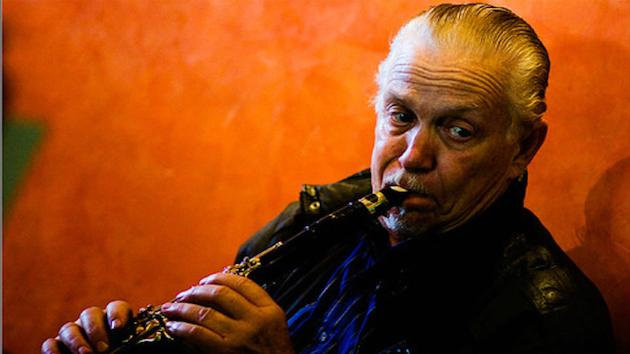
In his mid-80s, Noel Jewkes is a Bay Area treasure whose lithe tenor saxophone lines and soft, insinuating tone evoke a jazz era rapidly receding. His monthly gig at a Point Richmond barber shop transforms into an afterhours party with food and libations — it felt like an old-school rent party. Accompanied by long-time colleagues Randy Vincent on guitar and Chris Amberger on bass, Jewkes interpreted standards (“Falling In Love With Love”) and his puckish originals with casual virtuosity in a setting that was beyond intimate. This is one way to keep brick and mortar businesses lively and relevant. — Andrew Gilbert
San Francisco Symphony Chamber Music at Davies Symphony Hall (Jan. 26)
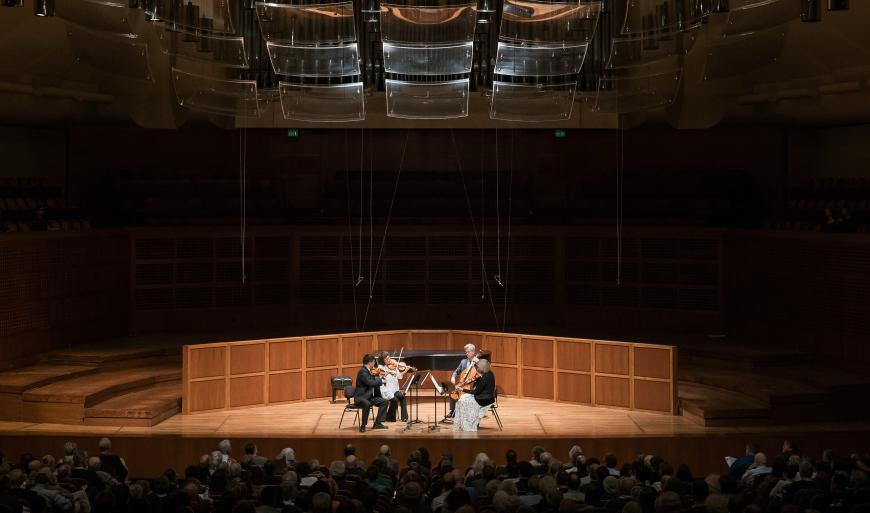
Each SF Symphony chamber music concert stars a dozen different players; the resulting programs are odd and often wonderful. Its January recital featured youthful experiments by Benjamin Britten and Samuel Coleridge-Taylor as well as the Oboe Quintet by Arnold Bax, here at the height of his powers. Camille Saint-Saëns was in his twilight years when he wrote the sensuous duo Fantaisie, but flutist Yubeen Kim and harpist Katherine Siochi, two principal players accomplished beyond their years, only sound better and better. (Read SFCV's review.) — Rebecca Wishnia
Carla Kihlstedt’s 26 Little Deaths at San Francisco Performances PIVOT Festival (Jan. 29)
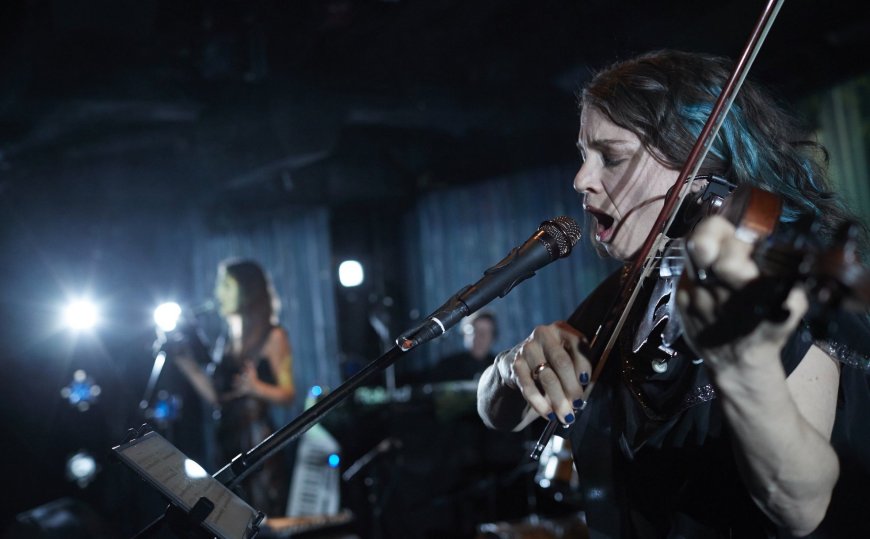
This year’s SF Performances PIVOT Festival, curated by composer/performer Gabriel Kahane, included a performance of composer, violinist, and vocalist Carla Kihlstedt’s 26 Little Deaths, a deliciously puckish song cycle based on Edward Gorey’s hilariously morbid The Gashlycrumb Tinies, in which 26 children meet unfortunate fates. Kihlstedt’s unbound, mordant imagination and charming arrangements made this a laugh-out-loud occasion. (Read SFCV's review.) — Lisa Hirsch
The Great Yes, The Great No at Cal Performances (Mar. 14)
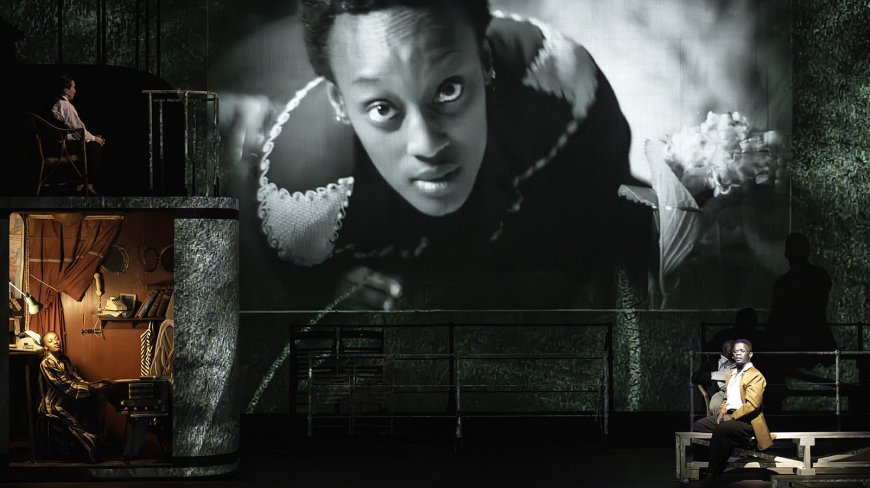
Tapping his singular blend of narrative, music, scenography, masks, drawing, and film, William Kentridge retold the tale of an actual ocean voyage from Marseille to Martinique in 1941. But in this artist’s capacious, boundary-free imagination, everyone from Joseph Stalin to Napoleon Bonaparte’s wife turned up in a journey into the nature of time, colonialism, and sheer surrealist fever dreams. Even Zellerbach Hall’s wide stage seemed almost too compact to encompass it all. A stirring Black South African chorus nearly hijacked the proceedings, to the delight of a gobsmacked audience. (Read SFCV's review.) — Steven Winn
Ariel Quartet at Music at Kohl Mansion (April 13)
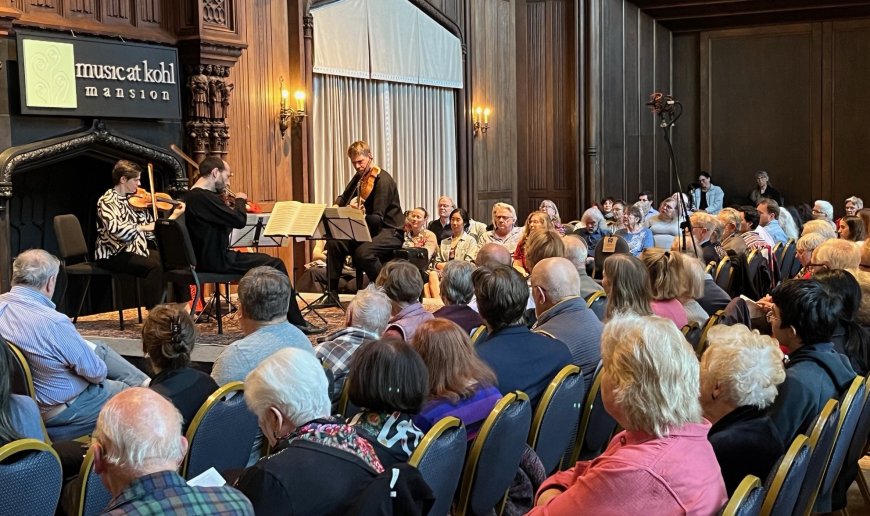
Music at Kohl Mansion presents chamber music concerts at a grand Burlingame estate. Fortunately for listeners, the hall itself is rather more intimate. Sitting mere feet from the stage, you feel as though you’re inside the music. The Ariel Quartet’s April 13 program, “Requiem,” was like an embrace. Featuring mournful music by Benjamin Britten and Lera Auerbach, the clincher was the heartfelt performance of Felix Mendelssohn’s String Quartet No. 6 in F Minor, which the composer wrote days after his sister’s death. Sorrow never sounded so sweet. (Read SFCV's review.) — Rebecca Wishnia
Michael Tilson Thomas 80th Birthday Concert at San Francisco Symphony (April 26)

Michael Tilson Thomas, as adept a speaker as he was a transformational music director of the San Francisco Symphony for 25 years (1995–2020), didn’t speak a word during this moving evening in Davies Hall. But his eloquence and determination were felt everywhere, as he led his beloved ensemble in works by Benjamin Britten and Ottorino Respighi, listened to a clutch of his own songs, and received several sweet and cheerful tributes from colleagues. Even as time has its way — Thomas was diagnosed with an aggressive form of brain cancer in 2021 — there wasn’t a maudlin note. The music and his fellow musicians spoke volumes on his behalf. (Read SFCV's review.) — Steven Winn
Mahler Symphony No. 2 “Resurrection” at San Francisco Symphony (June 12)
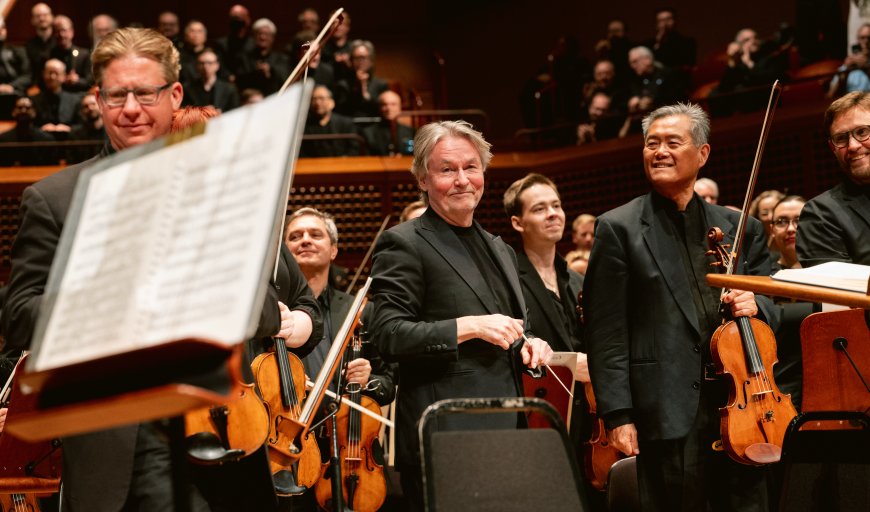
For his last concerts as music director of San Francisco Symphony, Esa-Pekka Salonen led three magnificent performances of Mahler’s sprawling, soul-searching masterwork to sold-out audiences that just didn’t want him to leave the stage. The orchestra and SF Symphony Chorus were superb. Mezzo-soprano Sasha Cooke gave a majestic account of the “Urlicht” movement and soprano Heidi Stober sang fervently. It was a tremendous wrap-up to Salonen’s too-short tenure. (Read SFCV's review.) — Lisa Hirsch
Tartuffe at Pocket Opera (June 22)
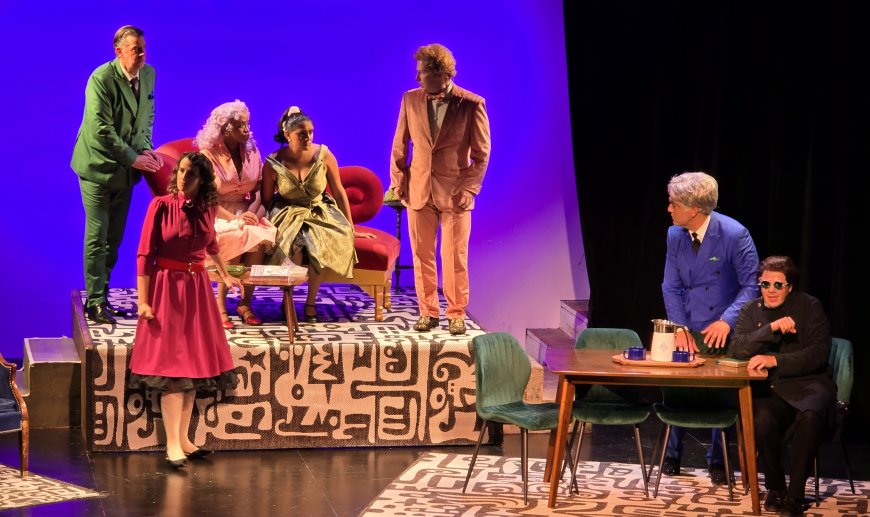
Modern operas tend to be serious affairs, examining issues from gun violence to the death penalty to the experience of enslaved Black people. Kirke Mechem’s Tartuffe is quite the opposite, an uproarious romp about a religious charlatan, based on Molière’s play of the same name. Pocket Opera staged Tartuffe with a great cast and witty direction by Nicolas A. Garcia, making you wonder why this 1980 comedy isn’t performed more often. (Read SFCV's review.) — Lisa Hirsch
Anat Cohen at Stanford Jazz Festival (July 19)
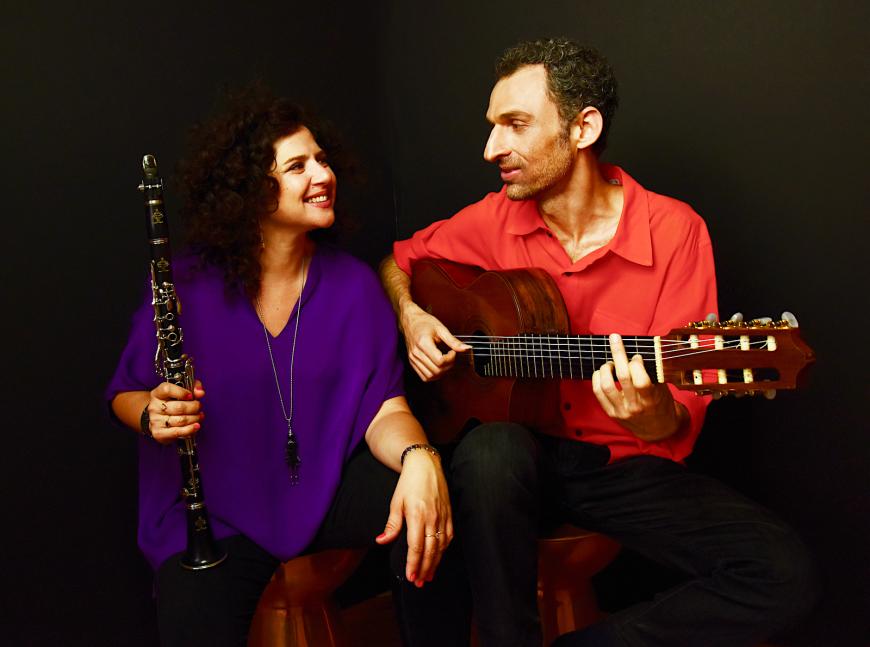
Israeli clarinetist Anat Cohen has forged deep creative alliances with some of Brazil’s most celebrated musicians, including seven-string guitar maestro Marcello Gonçalves. Their Stanford Jazz Festival duo recital focused on Gonçalves’s brilliantly distilled arrangements of classic songs, mostly by Milton Nascimento, evoking both the liquid mercury quality of his voice and lush orchestrations. An extended version of “Maria, Maria” carried the drama and thematic development of a suite, pairing exquisite lyricism with incantatory rhythmic momentum. — Andrew Gilbert
Yo-Yo Ma and Angelique Kidjo at Cal Performances (Aug. 30)
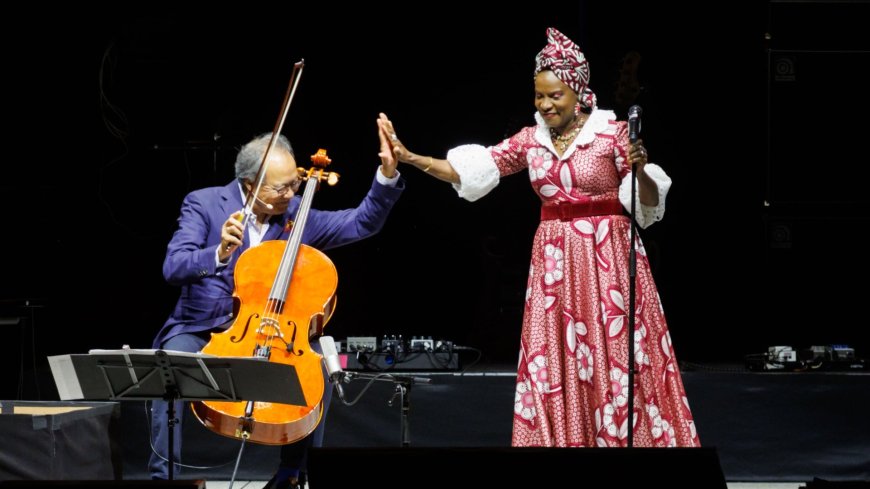
As co-leaders of the project Sarabande Africaine, which explores the oft-overlooked African influences found everywhere from J.S. Bach and Antonín Dvořák to Édith Piaf, Beninese vocalist Angelique Kidjo and Yo-Yo Ma compressed a sprawling concept into a diamond-hard series of revelations. While often joined by an expansive, jazz-steeped cast, they were most effective as a duo, with Ma’s cello coaxing and caressing Kidjo’s majestically clarion voice. (Read SFCV's review.) — Andrew Gilbert
Let Her Sing at Yerba Buena Center for the Arts (Sept. 13)
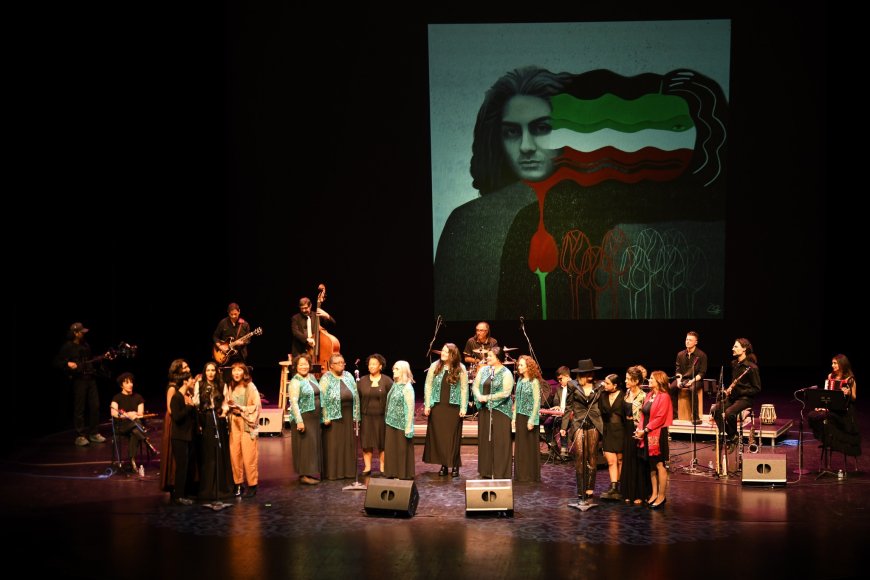
An annual program showcasing women from cultures where female voices are suppressed by law or custom, “Let Her Sing” presented a dazzling array of performers. Among the eight featured artists, highlights included San Jose-based Iranian-born soprano Golrokh Aminian, who performs arias in Farsi, and Afghan-American singer and multi-instrumentalist Meghan Kabir, who combines power pop with ancestral influences. But it was the concluding set by the great polymath Sussan Deyhim — a creative force on the New York scene since the early 1980s — that brought the evening to a gloriously celebratory denouement, with all the women united onstage. (Read SFCV's review.) — Andrew Gilbert
Dead Man Walking at San Francisco Opera (Sept. 14)
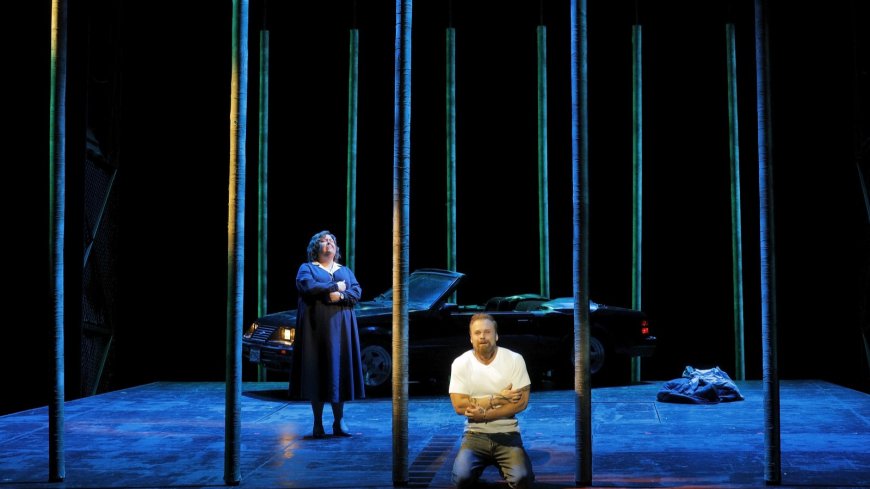
Twenty-five years after its premiere, composer Jake Heggie and librettist Terrence McNally’s empathic opera about a Death Row inmate and the Catholic nun who becomes his spiritual adviser felt more dramatically intense than ever in its return to SF Opera. Director Leonard Foglia’s assured production was filled with wrenching performances, perhaps none more vivid than that of Susan Graham as the doomed prisoner’s mother, pleading for mercy that would never come. (Read SFCV's review.) — Steven Winn
The Red Carpet at Cal Performances (Oct. 2)
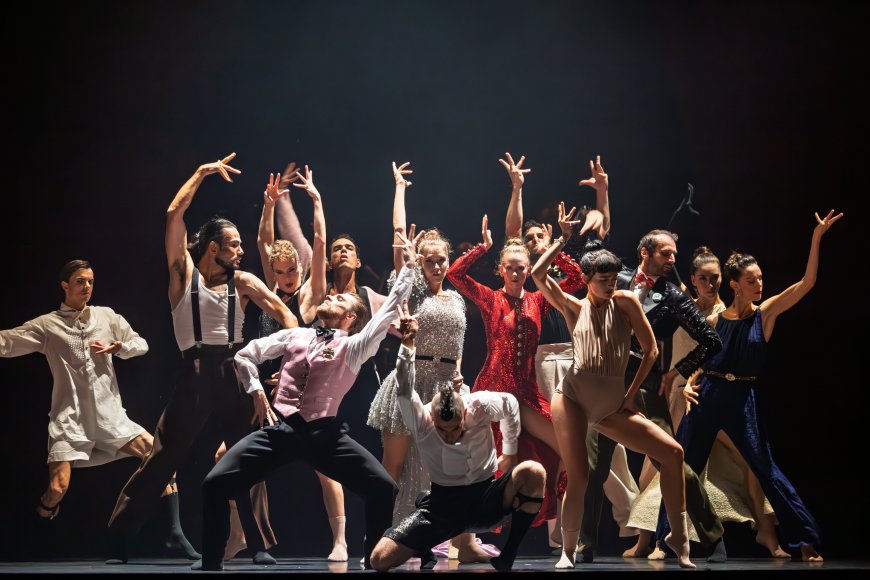
The Paris Opera Ballet all but blew the roof off Zellerbach Hall with this pulse-pounding sensorium. Surging back and forth through curtains that masked and revealed an enormous chandelier, the company gave off a wild, tribal sense of purpose. Performing in bare feet, they stomped and slithered through patterns and seeming chaos, from the tempestuous to the cunningly silken, that made this presentation a night of dancing on the precipice. Oh yes, it was also often funny. (Read SFCV's review.) — Steven Winn
Parsifal at San Francisco Opera (Oct. 25)
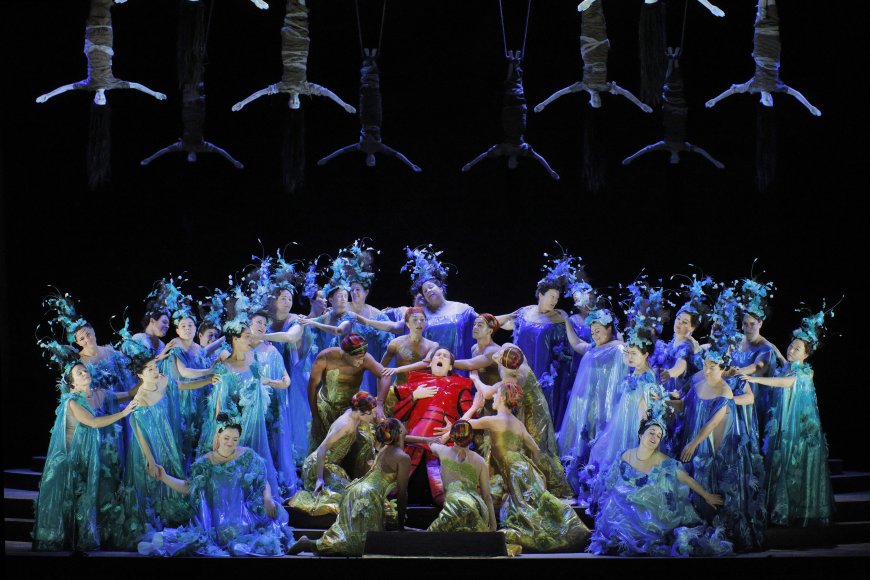
Everything came together in San Francisco Opera’s absorbing October production of Wagner’s last and arguably most daunting opera. On a dynamically mobile set by Robert Innes Hopkins, director Matthew Ozawa set an enormous cast of over 100, including some wonderfully articulate dancers, in motion, focused on the title hero’s vision quest for the Holy Grail. Brandon Jovanovich, as a complex Parsifal, was magnificent. So, crucially, was music director Eun Sun Kim’s masterly command of the score. The result was a fully realized music drama. (Read SFCV's review.) — Steven Winn
Poiesis Quartet at Noe Music (Nov. 5)
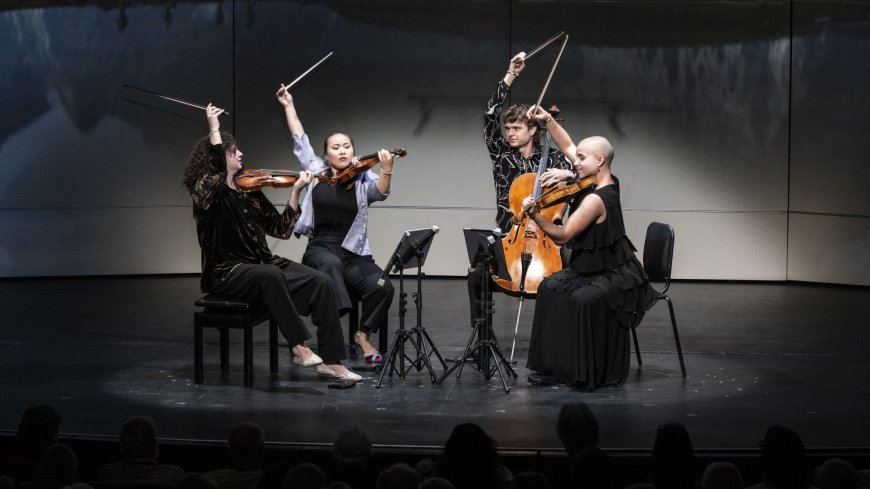
The Poiesis Quartet, formed just three years ago, made an electrifying San Francisco debut at Noe Music in November, with a program of mostly recent works, following up on their win at the 2025 Banff International String Quartet Competition. They play with total commitment and rare intensity, and they’re obviously a group to watch. If you missed this concert, catch them in March at Stanford Live. — Lisa Hirsch
The Monkey King at San Francisco Opera (Nov. 15)
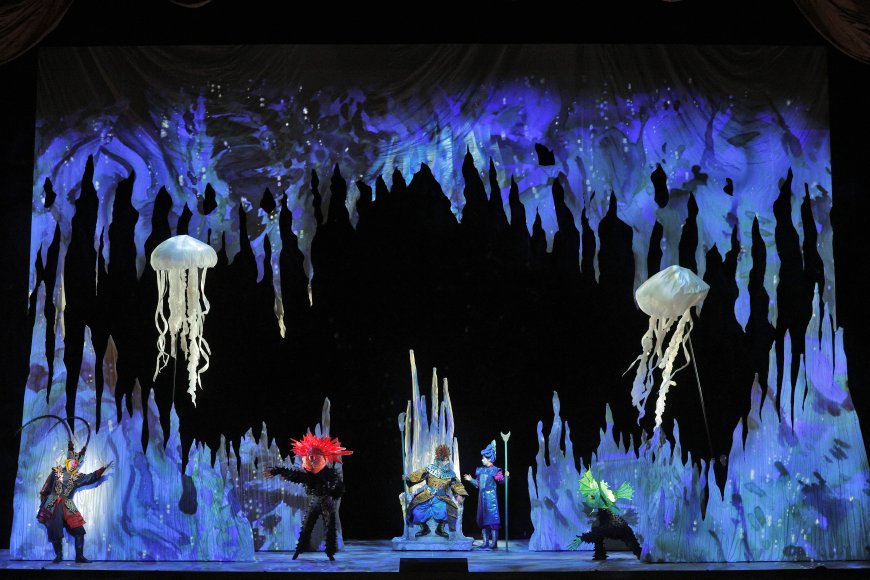
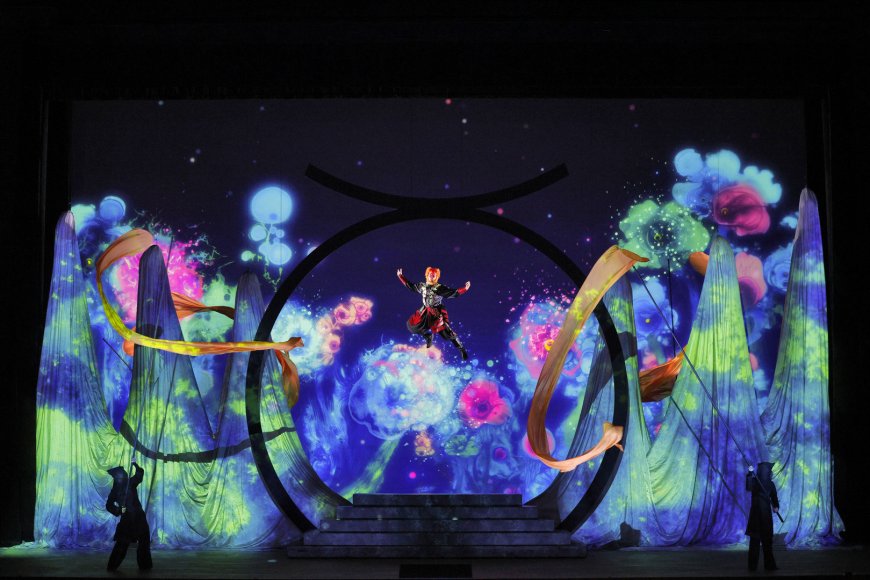
Huang Ruo and David Henry Hwang’s The Monkey King, based on the classic Chinese novel, joined the string of top-notch commissions that San Francisco Opera has presented in the last few years. The opera is so imaginatively conceived that a singer, a dancer, and a puppet played the title character. A fast-moving libretto, distinctive music, great singing, and astonishing production featuring colorful set designs (with thousands of yards of fabric) and puppetry by Basil Twist made the opera a musical and theatrical triumph. (Read SFCV's review.) — Lisa Hirsch
Lisa Fischer with the Orrin Evans Trio at SFJAZZ (Dec. 4)
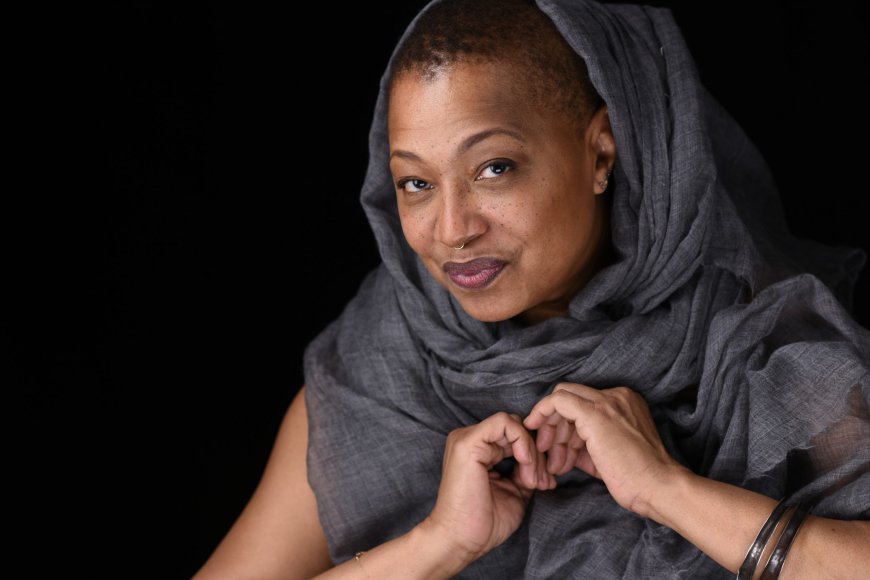
Any Lisa Fischer performance inspires sky-high anticipation. The vocalist’s first concert in a four-night run with Philadelphia pianist Orrin Evans, bassist Bob Hurst, and drummer Mark Whitfield Jr. left those expectations in the stratosphere. With a program loosely organized around Philly soul, she and her conspirators melted distinctions between jazz, pop, R&B, gospel, and funk, utterly transforming one song after another into sensuously impromptu sojourns, from Ellington’s “Come Sunday” and the Beatles’ “Come Together” to the Stylistics’ “People Make the World Go Round.” (Read SFCV's feature.) — Andrew Gilbert