For his final productions as outgoing Music Director of the Los Angeles Opera, James Conlon chose two of his favorites: Verdi’s Falstaff and Mozart’s The Magic Flute.
Both were final operas by two masters of the operatic form, these opuses explored new ways to integrate theater, music and image into a convincing dramatic whole. That Conlon decided to use them as the valedictory for his own ground-breaking 20-year tenure at LA Opera makes perfect sense.
Hot on the heels of its highly successful run of Falstaff, LA Opera opened a sparkling and polished revival of its beloved 2013 production of The Magic Flute on May 30 at the Dorothy Chandler Pavilion for six performances.
This is the fourth time the company has staged the wildly imaginative and ahead-of-its-time multimedia extravaganza, originally created in Berlin in 2012 by director Barrie Kosky, theater producer Suzanne Andrade, and animator Paul Barritt. Five of the six singers in the principal roles this time around were making their LA Opera debuts, lending the evening an energy and freshness that also illustrated how Conlon has continued to discover and nurture new talent.
LA Opera was the first company outside Berlin to present this now iconic production of The Magic Flute, which quickly found its way to opera houses all over the world — and continues to do so today.
Although the opera’s ageless story has inspired many different and visually arresting productions, including those designed by David Hockney and Julie Taymor, Kosky’s visionary interpretation is truly what Wagner would have called a Gesamtkuntswerk — a total work of art. Cinema and animation take this compelling, fanciful, and technically complex version to another level of modernity, relevance, and technological brilliance.
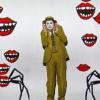
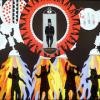
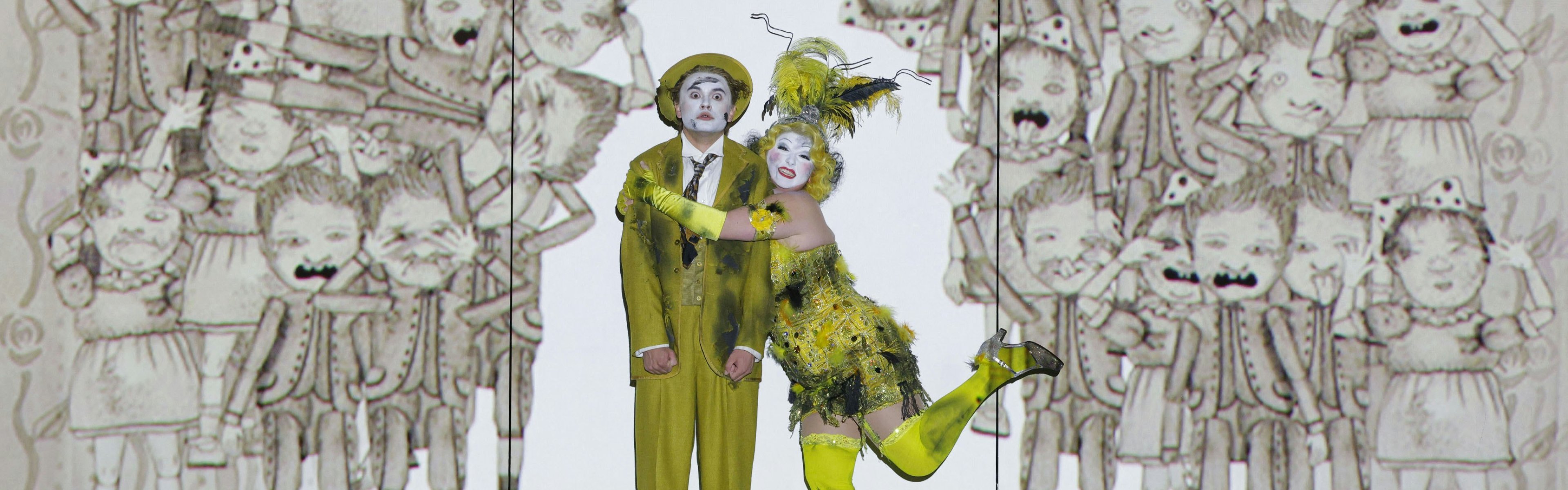
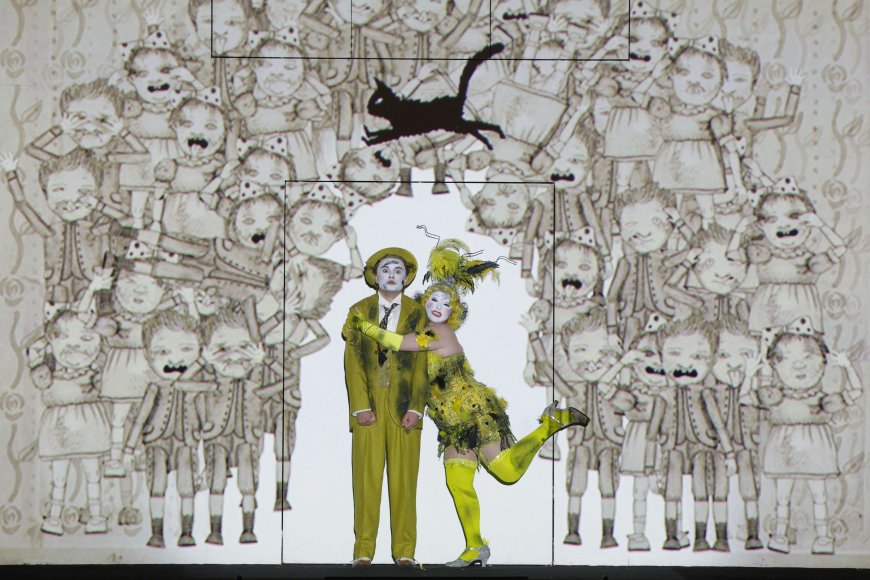
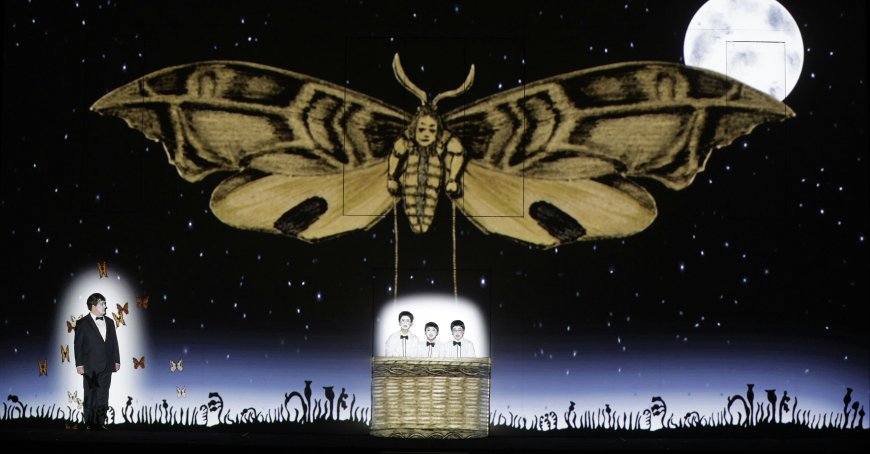
Kosky developed his concept with the British theater company 1927, known for combining painting, cabaret, silent film, and animated film. Paying homage to Berlin’s special relationship with early cinema, the production unfolds upon and around a giant movie screen, where intricate projected animated patterns and film sequences in color and black-and-white depict characters and action, both human and not, in nearly constant motion.
On-screen titles replace the spoken recitative, accompanied on keyboard. The music coming from the magic flute speeds across the screen on animated fragments from a floating score.
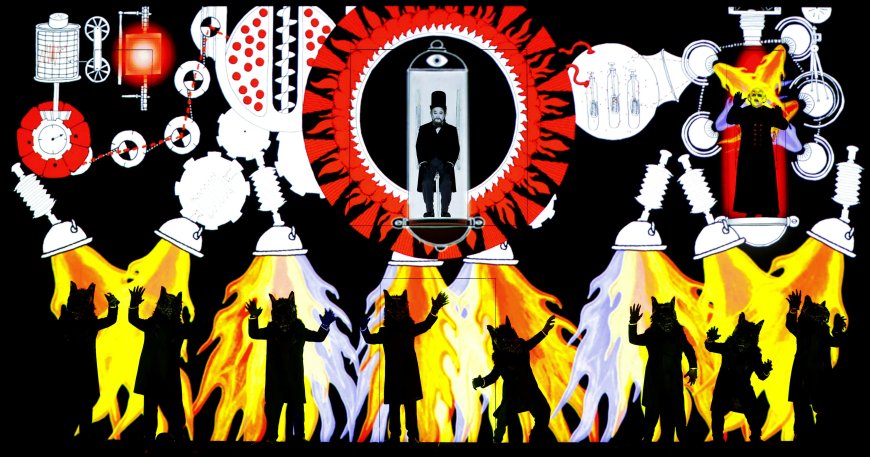
The utterly original visual imagery transported LA Opera audiences to a magic realm inhabited by a diverse collection of characters inspired by Buster Keaton, Louise Brooks, Monty Python, Disney cartoons, and Salvador Dali — among many others. Platforms placed high up on the screen swiveled to reveal and then conceal the singers, who had to remain stationary to be properly synced with the hundreds of elaborate visual cues.
Amidst all this technological complexity, the opera’s story nonetheless emerged clearly and brightly, and with a keen sense of humor and absurdity. Bird-catcher Papageno (baritone Kyle Miller, a gifted comic) got a black cat companion, who jumped and somersaulted as he followed his lovelorn master. Papageno’s longed-for girlfriend Papagena (Emily Damasco) looked like sexy Betty Boop.
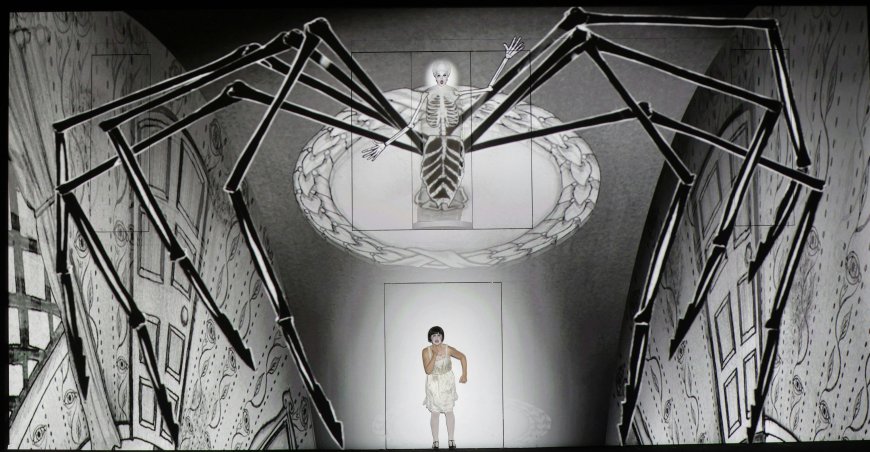
The evil Queen of the Night, sung with steely coloratura by Aigul Khismatullina, was portrayed as a monstrous spider whose spiny legs stretched out to claw her victims. Wizard Sarastro (bass Kwangchul Youn) had the bald pate and stern bearing of a being from another planet, if not the necessary low notes, while sinister Monostatos (whiny tenor Zhengyi Bai) resembled Nosferatu.
Romantic hero Tamino (bouncy Finnish tenor Miles Mykkanen) was sung with poignant lyricism and a vibrant tone. Soprano Sydney Mancasola, the sole LA Opera veteran among the principals, was a harmonious vocal match as Pamina, and made her emotional transformation in Act II entirely credible.
Through it all, Maestro Conlon presided with his usual calm control in the pit, synchronizing a dizzying array of musical, visual and dramatic elements without apparent strain. The orchestra may still be the weak link at LA Opera, sounding a bit underpowered at times, but the musicians played with professionalism and commitment for their retiring leader.
Ingenious, adventurous and forward-looking, this entertaining and nourishing Magic Flute seemed the perfect way to bring down the curtain on the distinguished Conlon era.