Jewish music is often reduced to a handful of clichés: klezmer music with its sliding clarinets, “Hava Nagila” or maybe a tune from "Fiddler on the Roof." But Philharmonia Baroque Orchestra’s series “Jews & Music” turns these notions upside down.
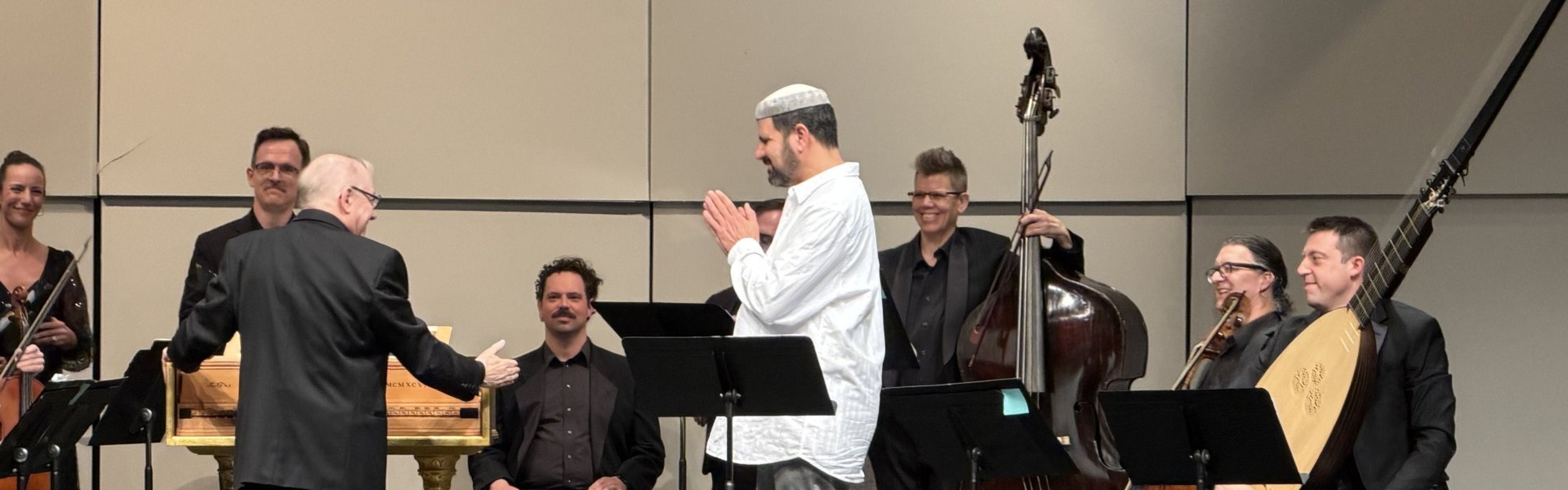
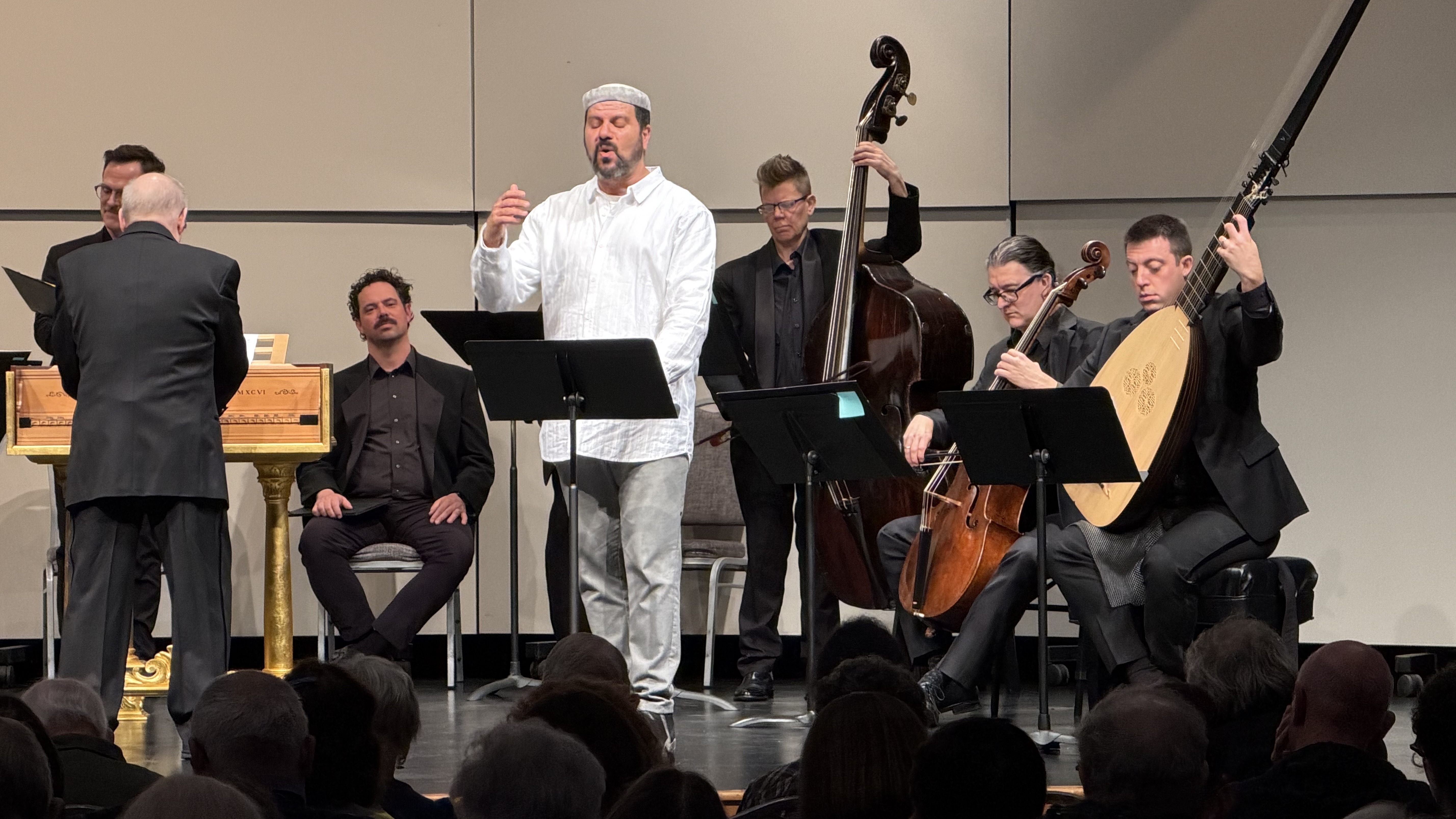
In the ensemble’s latest lecture-concert, “Jewish Nightlife,” at the Jewish Community Center in Palo Alto on Thursday, Jan. 29, conductor Nicholas McGegan and scholar-in-residence Francesco Spagnolo did just that, exploring an array of styles, places and meanings.
Strangely, the first two pieces weren’t by Jewish composers but two 18th-century Italian pioneers. Luigi Boccherini’s pleasant “Night Music of the Streets of Madrid” was followed by a less-interesting sinfonia by Antonio Brioschi.
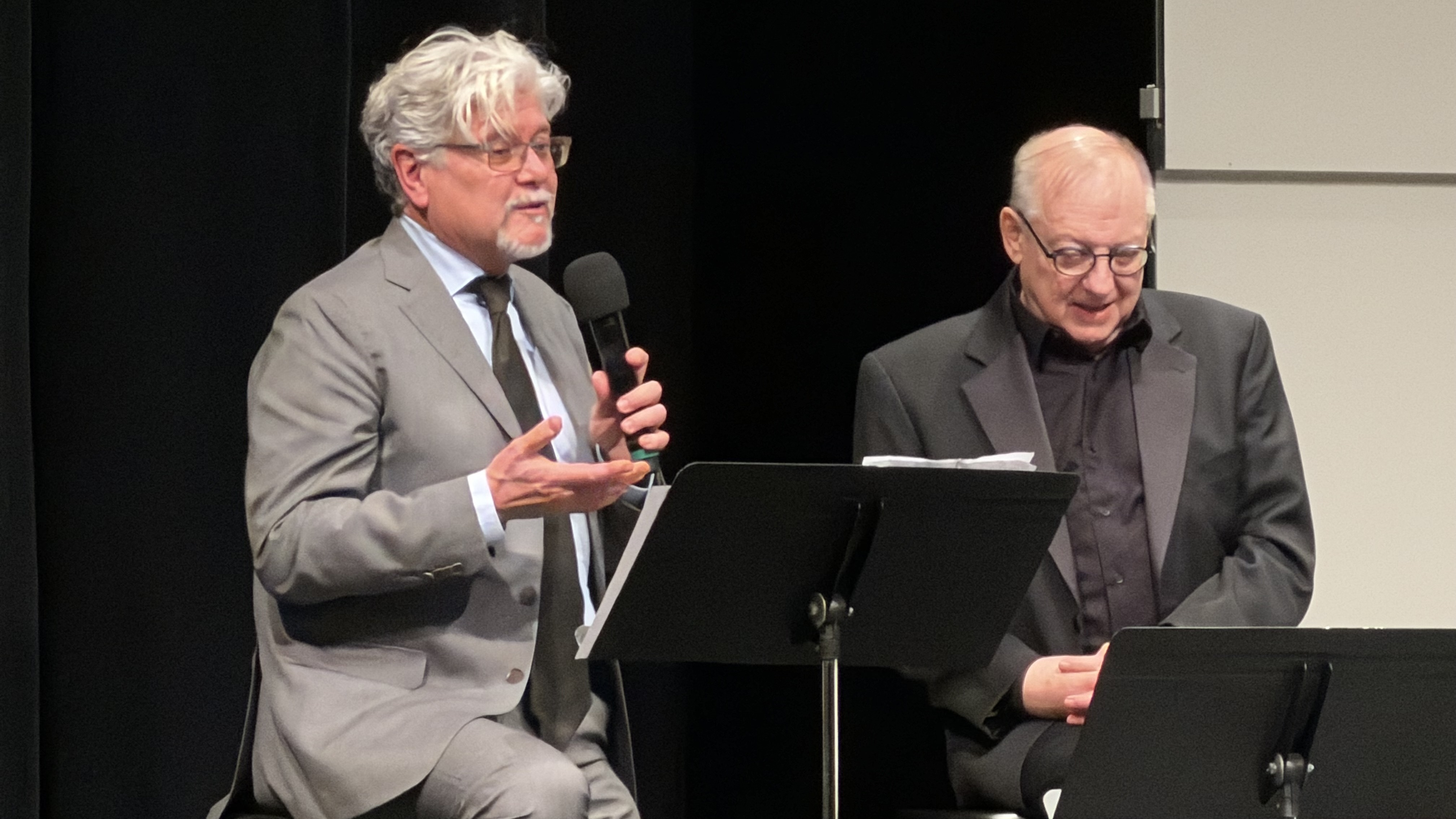
The commentary, however, made these Baroque deep cuts feel brand new. Brioschi’s sinfonia, Spagnolo explained, was the overture to a Hebrew cantata, the kind of production that regularly involved the collaboration of Jews and non-Jews. And Boccherini’s was no casual nighttime stroll, but a tour of what would’ve been a thriving social and creative hub: the Jewish ghetto.
Two key ingredients — streetlights and coffee — made it possible for Jews and non-Jews alike to spend these cooler nighttime hours talking, strolling, working, sharing knowledge and, crucially, making and hearing music. I can’t judge whether coffee was really responsible for the Enlightenment, but the unlimited lobby coffee at the JCC had primed me to agree.
Another revelation came through traditional Jewish liturgical singing, which turned out to be equally cosmopolitan, both in demographics and function. This is the ancient art of Piyyut, or liturgical Hebrew poetry. Each of the four songs on the program drew its poetry and music from different parts of the Mediterranean — Spanish text with a Turkish ritual melody in one, Egyptian text and Yemeni music in the other.
More surprisingly, Spagnolo explained, the singing of Piyyut attracted both Jews and non-Jews. Synagogues in turn welcomed these diverse audiences, turning the liturgy into a kind of performance. The historical distance between the 18th century and us suddenly seemed much smaller.
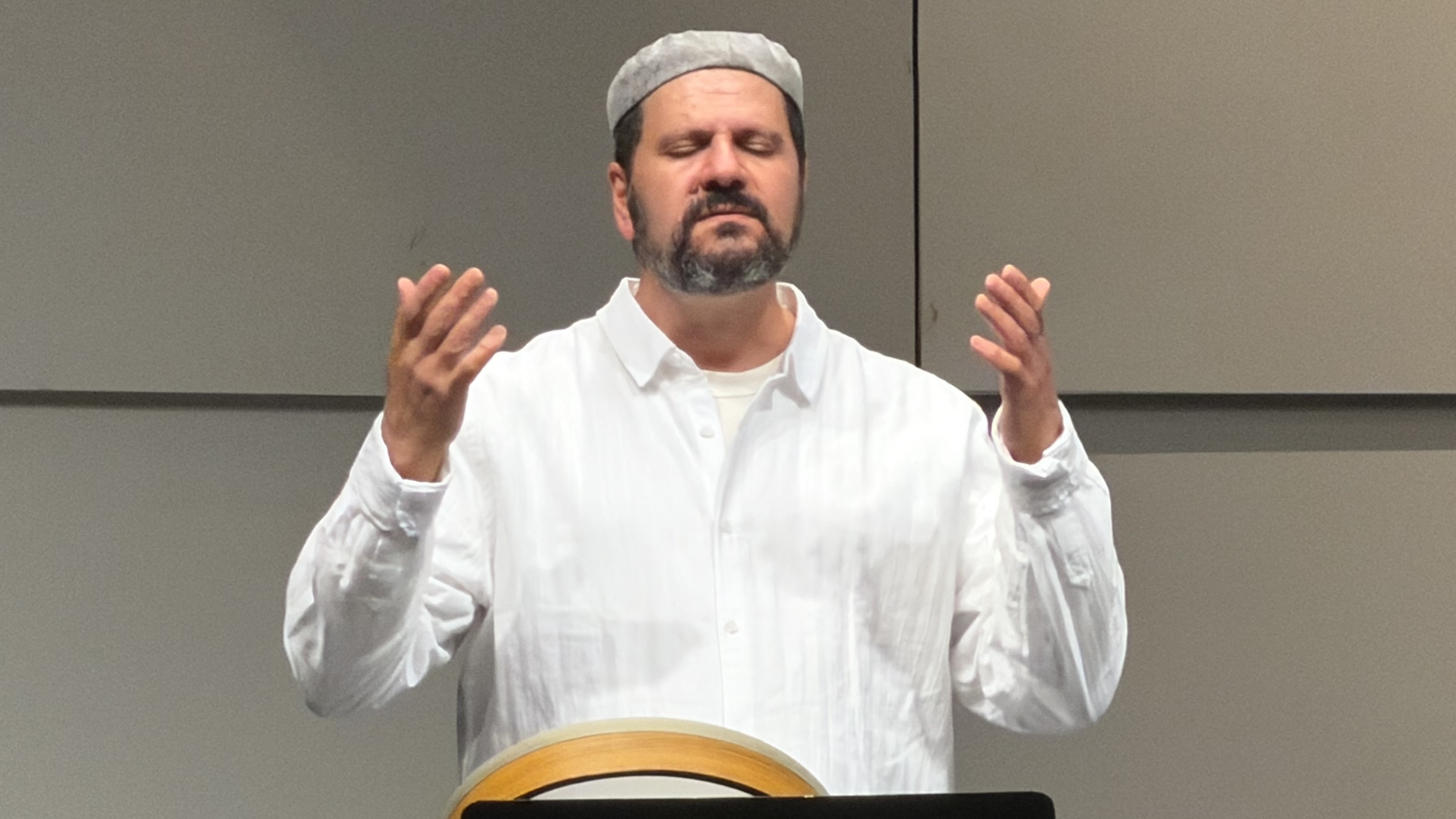
For the Piyyut, Philharmonia Baroque was joined by the Israeli performer and teacher Yair Harel, a key figure in the genre’s contemporary revival. Harel sang effortlessly and commandingly, simultaneously guiding the Philharmonia Chorale and instrumentalists with a tar drum (imagine a tambourine without the jingles). When Harel joined the ensemble for Carlo Grossi’s cantata “Ebraica in Dialogo,” his traditional style added a further layer of sound, making this typical Baroque number sound both new and very old.
That cantata captures the strange alchemy at play in “Jewish Nightlife,” which brings together liturgical and concert music, ancient and Baroque sounds, and poems and music from miles and centuries apart. Spagnolo and McGegan’s ambitious program, held together here by so many interlocking themes — thriving ghettos, synagogues, mystical practices, coffee — hit its mark. It is easy to classify what we think Jewish music is, but as Spagnolo emphasized, Jewish music has always been multiple things at once: contemporary and old, particular and universal.
Well, “universal” only if you count the Mediterranean’s boundaries as the edges of the world. But hyperbole is forgivable; ignoring the obvious lesson is less so.
“Jewish Nightlife” makes the case for refusing easy notions of identity, finding the roots of Jewish aesthetics in religious and secular sources from across Europe, North Africa and the Middle East. This is not a lesson only in aesthetics. No identity deserves self-examination more than the ones we hold most dear — especially when that identity prescribes whether or not we ship deadly weapons across the sea. Such an investigation is a way not only into the future, but into our histories as well, when we finally hold them up to the light.