Summer means a lot of things for the San Francisco Symphony. Pops concerts. Film nights. A gig at Stern Grove.
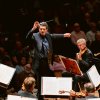
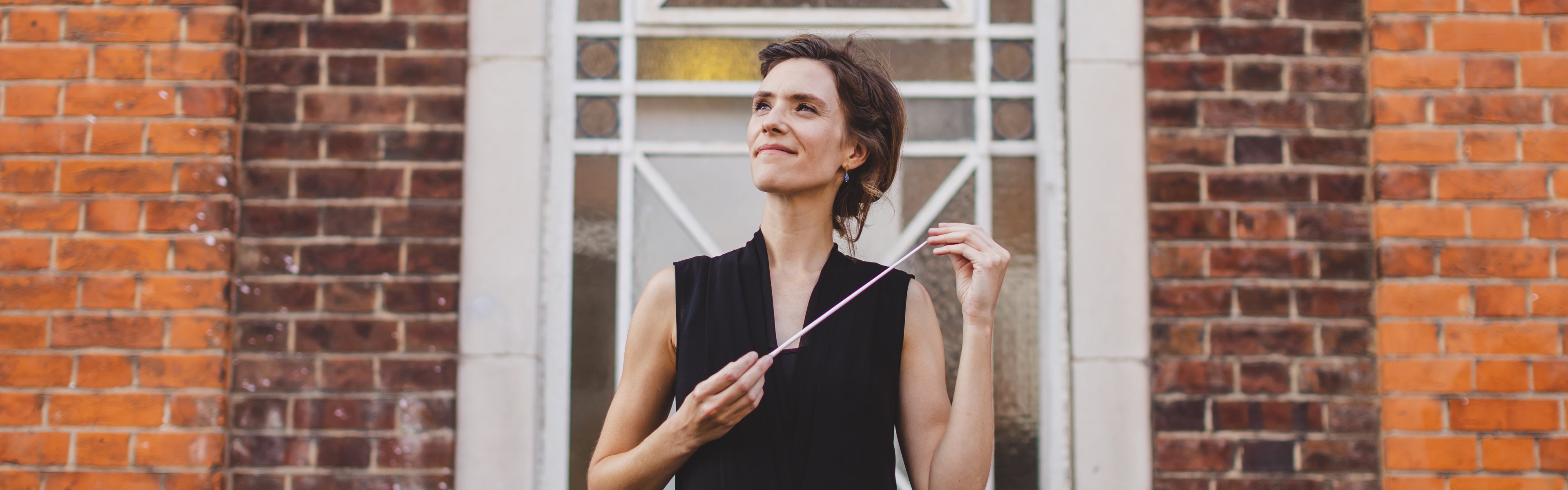
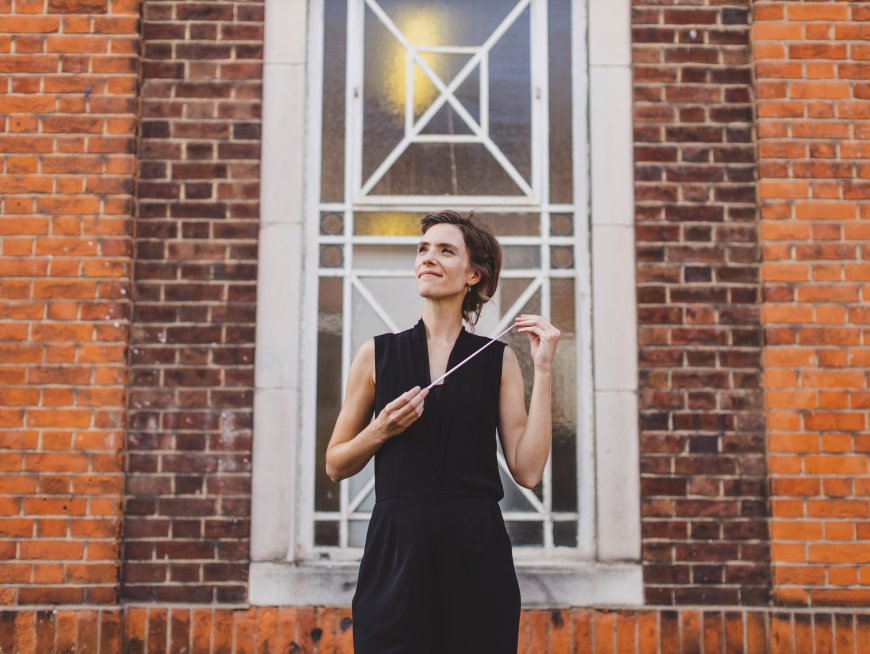
On Wednesday, July 1, it meant a bill of 19th century music. French conductor Chloé Van Soeterstède made her Symphony debut in a program anchored by two repertory staples — Max Bruch’s first and most famous Violin Concerto and Felix Mendelssohn’s Symphony No. 5, “Reformation.” Elfrida Andrée’s Concert Overture, a curiosity in its first performance by the orchestra, filled out the evening.
It’s a shame Van Soeterstède had only one night to make an impression. While she did some sensitive and clearly articulated work, recurring problems with balance, communication and uneasy entrances persisted. These hiccups might have been sorted out with more rehearsal time and a few more performances.
There were no such reservations about soloist Paul Huang’s performance in the Bruch Concerto. In a wonderfully counterintuitive way, the Taiwanese artist downplayed technical showmanship and brought out the work’s alluring long lines and connective tissue. That’s not to suggest he lacked virtuosic chops, but rather that he put them to work in a suave, thoughtful and affecting account of the piece.
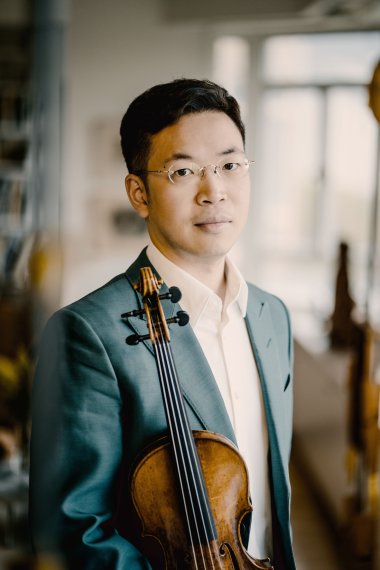
Where other soloists might dig into an attack or fire showily through passagework, Huang threaded every component together with care. From his glowing warm tone and gossamer high trills to flowing double-stops and liquid phrasing, everything felt at once carefully considered and spontaneous. His bow sank into the strings and drew out the notes and measures, never bouncing or jabbing.
The orchestra responded in kind, with a glassy string sound at the outset and rustling support from the woodwinds later on. Huang brought a quizzical tenderness to the Adagio, as if in quiet introspection. He gave the intoxicating final movement drive and energizing rhythmic suppleness, well matched by Van Soeterstède and the ensemble.
For all his discipline and focus, Huang displayed a flair for showmanship, both with his way of swinging his bow skyward at the end of a passage and the 200-watt smile he beamed from start to finish. The encore, a whirring, feathery Scherzo from Fritz Kreisler’s Recitative and Scherzo-Caprice, showed off another side of Huang’s gifts.
Mendelssohn’s “Reformation” occupied the second portion of the 100-minute concert. The piece got off to a fuzzy, uncertain start, with balance issues that persisted through the first two movements — the brasses were too assertive, and the strings sounded a bit thin. Positioning the second violin section across from the first meant that the cellos and double basses, seated between the first violins and violas, were somewhat muted.
The performance came alive in the tragic Andante, with a moving reworking of the noble chorale theme that binds the piece together. The conviction extended to the finale, with the trumpets and trombones supporting rather than dominating, and the woodwinds blending artfully. Only the final measures faltered, as Van Soeterstède failed to signal to the audience that the piece was over.
Andrée’s Concert Overture was a pleasantly eventful, if somewhat aimless, work. Though it proceeded through its episodes in a sort of Beethoven-lite manner, programming the piece introduced listeners to Andrée’s influential achievements — the composer was a game changer who successfully lobbied parliament for the right for women to serve as church organists; she also became the first woman to conduct a Swedish orchestra.
Music history is full of stories like hers. Even as orchestras move forward and engage audiences with a broad spectrum of new music, filling in the past can only enrich that enterprise.