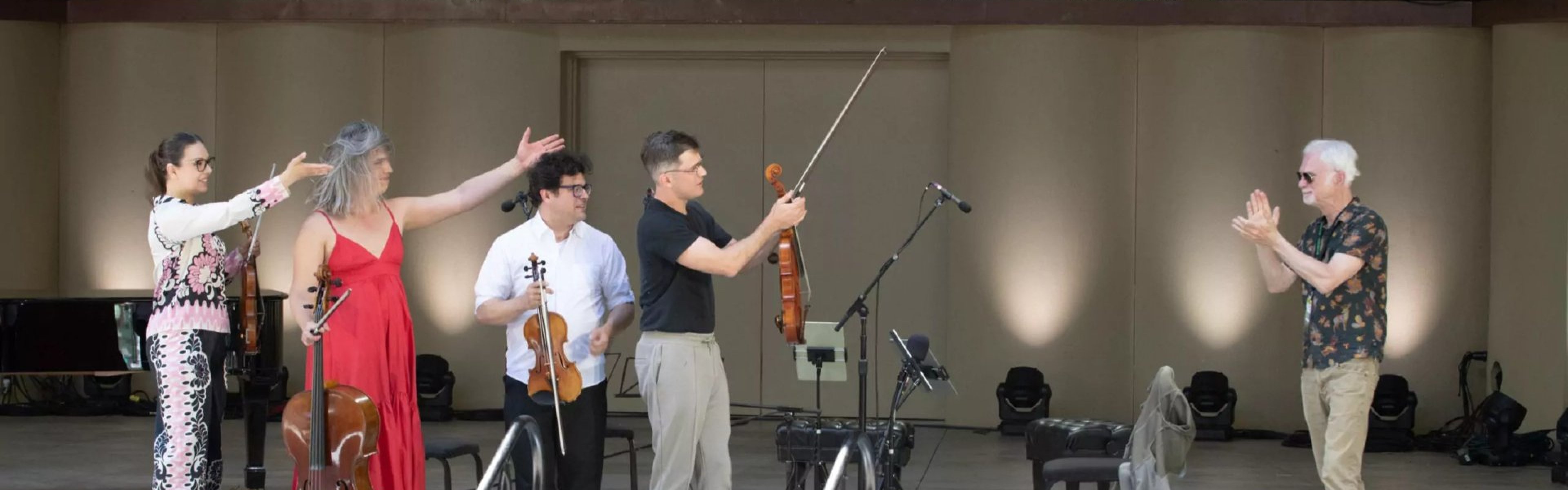
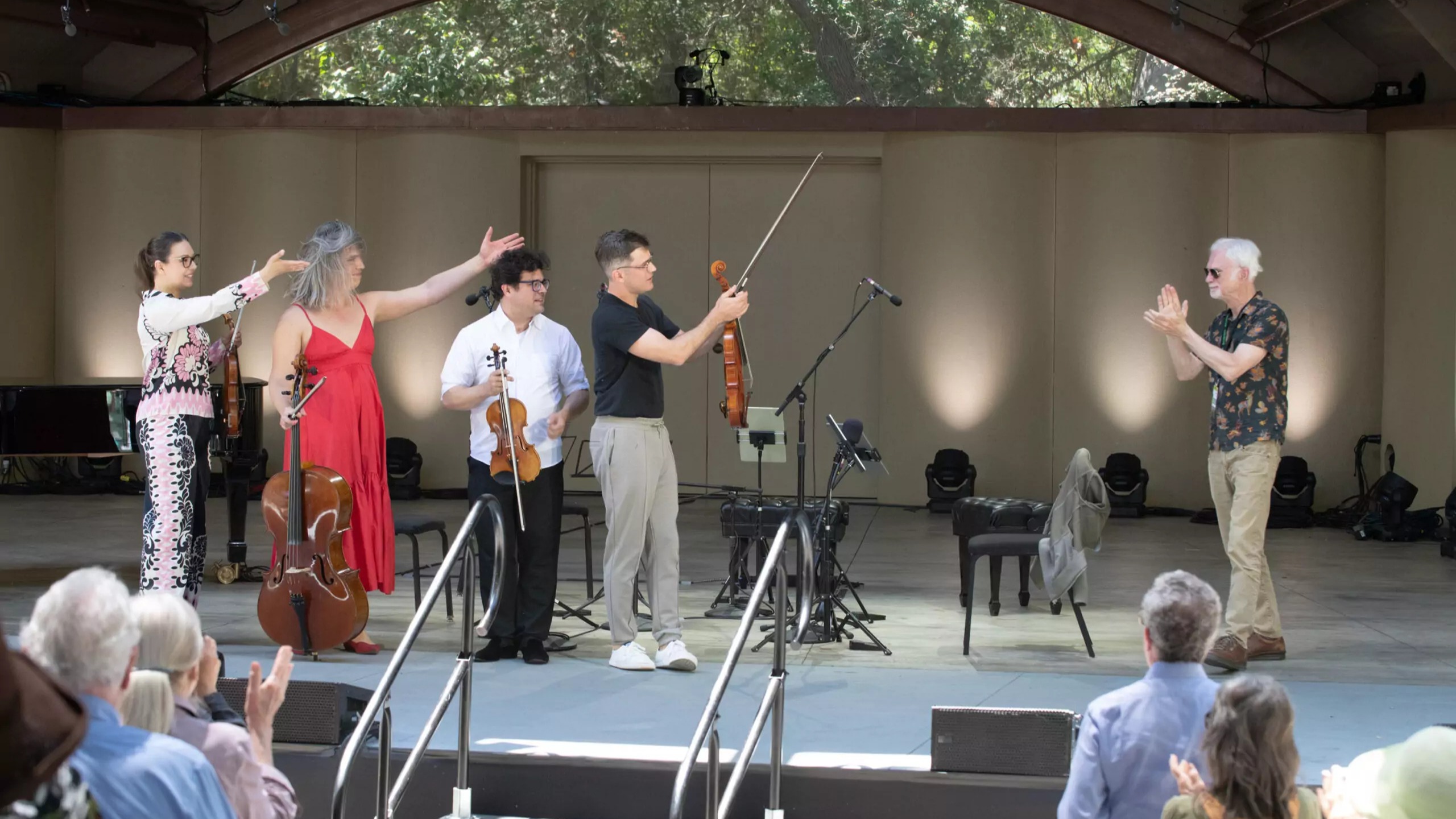
The 80th annual Ojai Music Festival (June 11-14) proved a harmonic convergence that paid homage to its past, celebrated the present with Esa-Pekka Salonen as music director, and introduced a new generation of musicians — the students of the Colburn School Orchestra, where Salonen teaches.
"Do the math," said outgoing Artistic and Executive Director Ara Guzelimian. "These musicians will be able to celebrate the festival's 100th anniversary in 2046!"
It's traditional for Ojai to highlight a composer in residence. This year there were two: Salonen himself, who also served as Ojai's music director in 1999 and 2001, and his longtime colleague John Adams, whose music has been a festival mainstay and who served as music director in 1993 and 2021. U.S. and world premieres by both composers dotted the concerts. The programs also gave special recognition to past composer-participants Igor Stravinsky, Olivier Messiaen, Oliver Knussen and Kaija Saariaho.
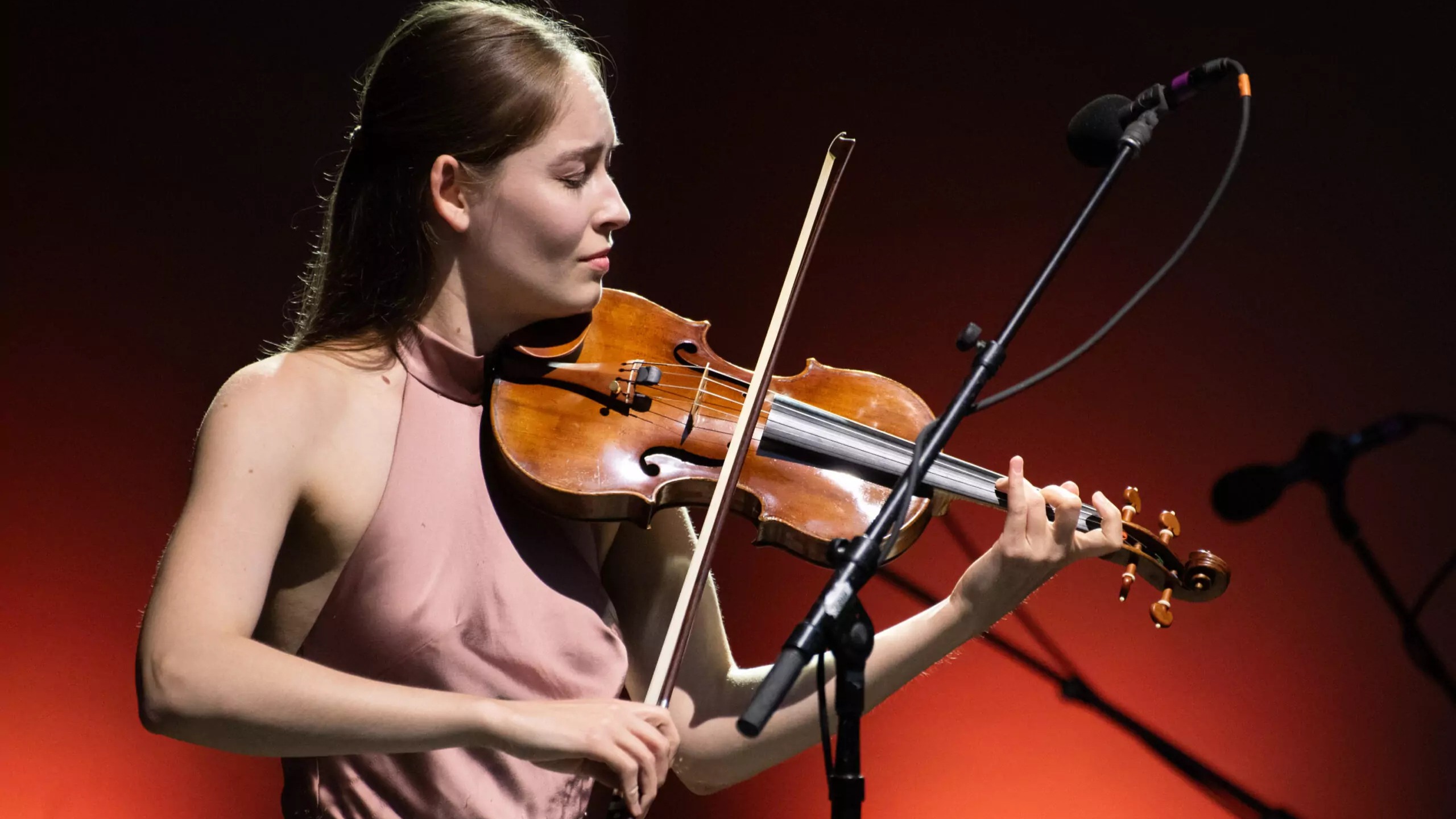
This year's calendar included 14 meticulously designed concerts that unfurled over four days as a vibrant tapestry of interweaving threads. It all began Thursday, June 11, as the sky turned pink over Libbey Bowl and violinist Geneva Lewis intoned the first deep meditative breath of Reena Esmail's raga-inspired Darshan, III. Charukeshi.
Works by Salonen and Adams were repeatedly juxtaposed throughout the festival. The U.S. premiere of Salonen's Dremmelogikk was followed by the world premiere of two selections from Adams’s Visions fugitives— “Il Testardo” and “Song Without Words.” The former is assertive and percussive with references to Sergei Prokofiev. In contrast, the song shimmers on a melodic thread akin to Erik Satie. Accompanied by emerging stars in the sky and a chorus of chirping crickets and croaking frogs, Hanick's performance provided the festival's first Ojai moment.
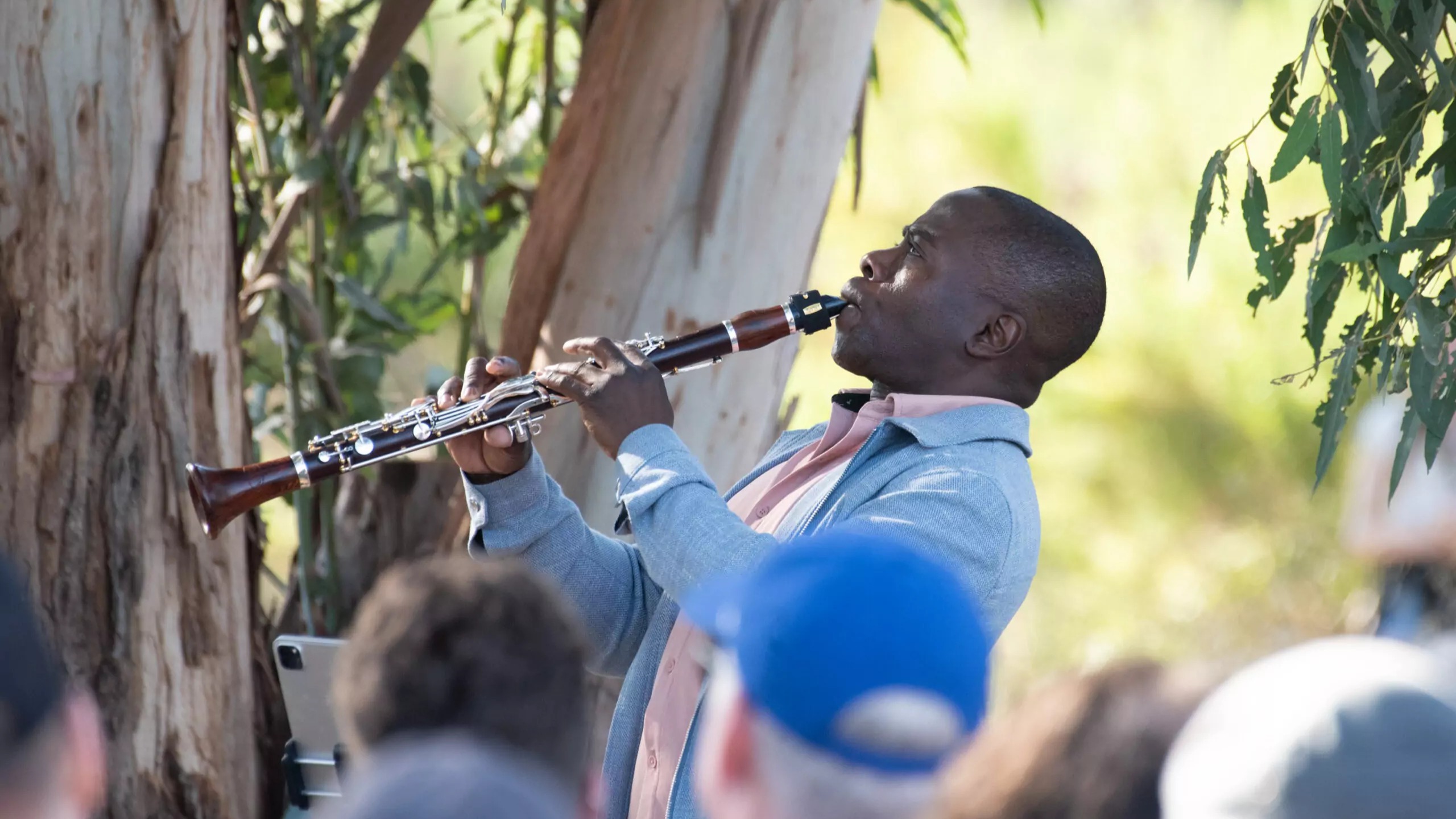
The second half of Thursday’s program was devoted to a monumental performance of Messiaen's Quartet for the End of Time. Its eight sections were performed with remarkable precision by Anthony McGill, clarinet; Geneva Lewis, violin; Jay Campbell, cello; and Conor Hanick, piano. It was one of the highlights of the festival.
The power of that performance carried over to the next morning when a small crowd gathered at the Zalk Theater of the Besant School for an 8 a.m. "Ojai Dawns" concert that featured the Attacca Quartet
The quartet’s program paired David Lang's delicate daisy with George Crumb's Vietnam War-era Black Angels: Thirteen Images from the Dark Land. Described by Crumb as, "a voyage of the soul," it felt like Messiaen’s work had segued into Apocalypse Now.
As the temperature began to rise on Saturday morning, a cool musical breeze came from cellist Jay Campbell performing Kaija Saariaho's Sept Papillons. These meticulously crafted sketches of butterflies rely on a combination of flitting, fluttering bowings and fragile note clusters to convey elusiveness. But the magic moment came when a single butterfly, as orange in the sun as a California poppy, flitted from across the stage and back in perfect time to the music.
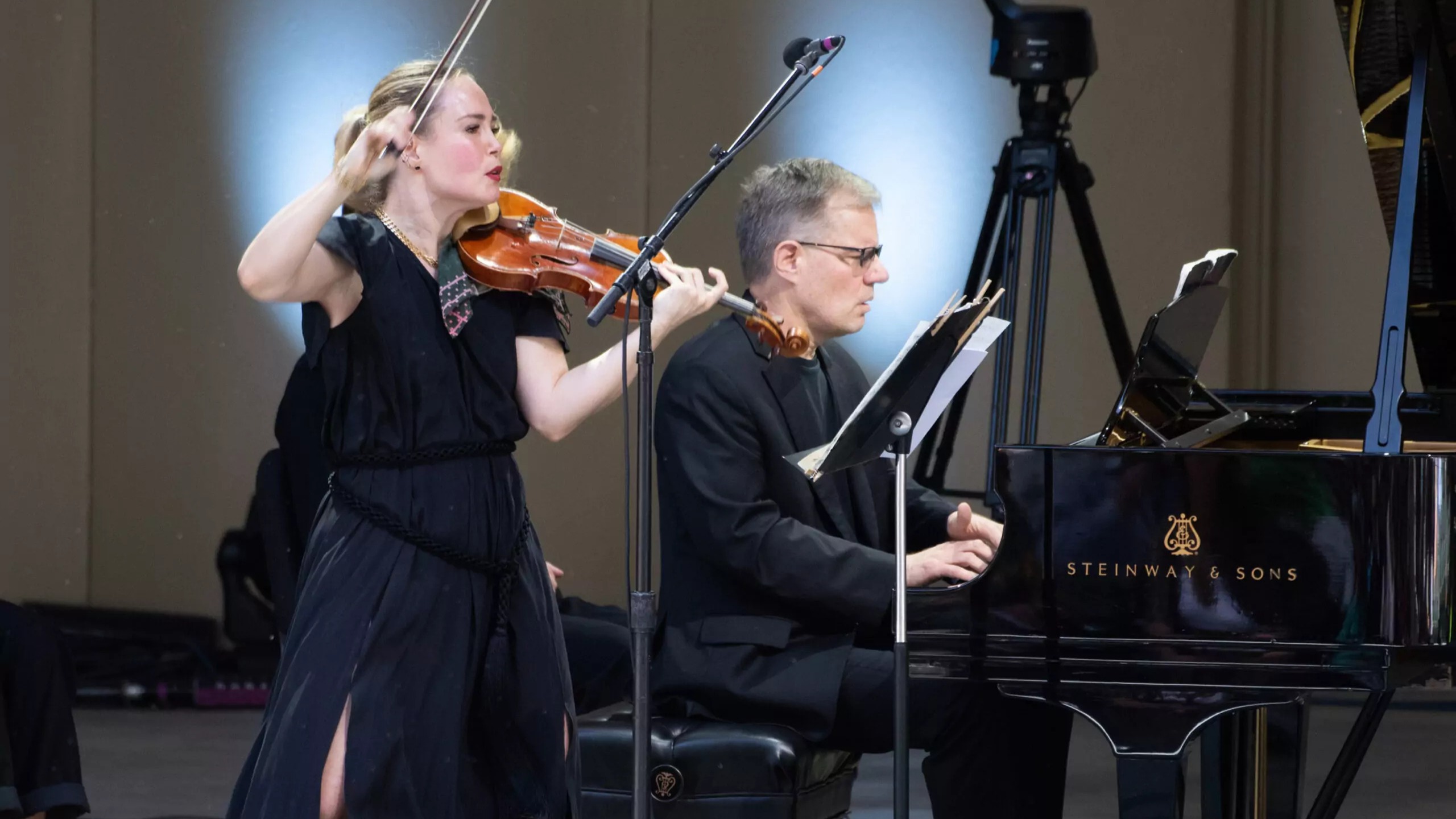
In the afternoon, Conor Hanick performed four of Salonen's Six Preludes for solo piano. The effect was dreamlike. After that, Adams's Road Movies provided one heck of a wake-up call. Despite its rather serene designations — "Relaxed Groove," “Meditative Groove," and "40% Swing" — pianist John Novacek and violinist Leila Josefowicz personified Adams's penchant for taking short rides in fast machines. Landscapes and tunes whirled by as both musicians put the pedal to the metal.
Back in 1993, Adams ended his festival with a rollicking performance of Grand Pianola Music (1982), the first piece, he likes to say, where he gave himself permission to go a bit crazy. It's a spirit he carried into his Chamber Symphony (1992), a Looney Tunes kind of piece that climaxed Saturday night's concert with Salonen conducting the musicians of the LA Phil's New Music Group.
It was the climax of an evening that began with the fascinating oceanic atmospherics of Gabriella Smith's ode to a coral reef, Anthozoa (2018).
Salonen introduced fellow Finnish composer Magnus Lindberg to Ojai in 2001. On Sunday, Lindberg’s tectonically scaled composition, Related Rocks for two pianos (played by Vicki Ray and Aron Kallay) and dual percussionists (Kana Funayama and Wesley Sumpter) erupted with volcanic power.
Sunday morning's concert was an eclectic array of Salonen colleagues that melded snippets by Messiaen, Jessie Montgomery, Niccolò Castiglioni, Bryce Dessner, Michael Ippolito, Radiohead, and Shye Ben Tzur.
The concert’s climax was the world premiere of Adams's Iron Jig, performed by the Attacca Quartet. It's a little whirlwind of a piece that jigs and zags like a dog trying to catch its own tail. Adams describes the work as, "an intense nine minutes."
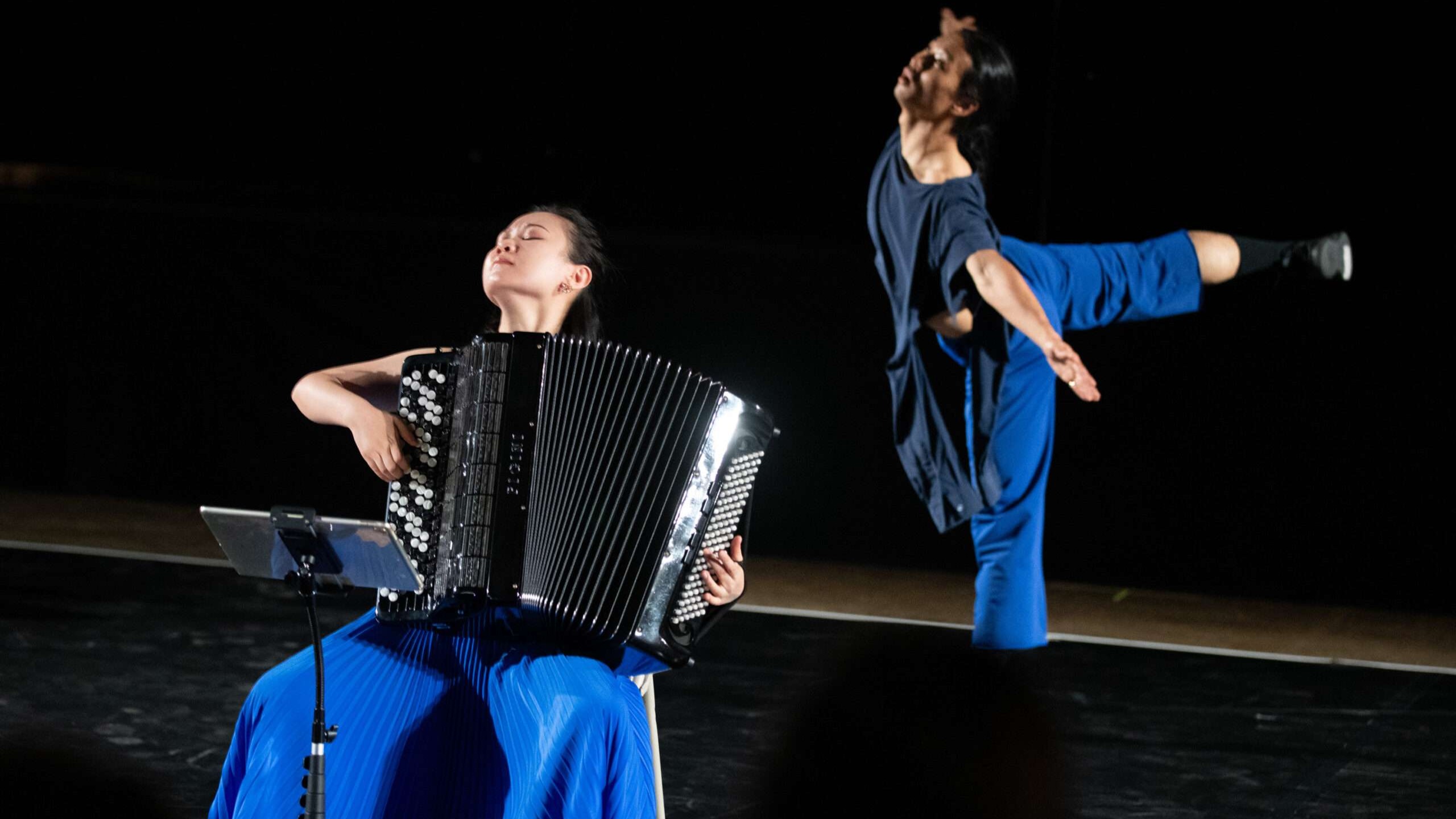
There were concerts day and night, including a concert of Luciano Berio's Sequenza series for solo instruments with choreography by LA Dance Project. There was a morning where unseated listeners stood outside, staring in through the windows.
It all came to a head on Sunday when Leila Josefowicz attacked György Ligeti’s Violin Concerto with the ferocity of Medea accompanied by Salonen and the Colburn Orchestra. The intense performance left the audience like so many deer in the headlights. With nature as backdrop, it was a moment only Ojai could conjure.
Correction: The original version of this article incorrectly stated the performers of John Adams's Chamber Symphony. It was the LA Philharmonic New Music Group. Also Conor Hanick performed four of Esa-Pekka Salonen's Six Preludes, not all six.