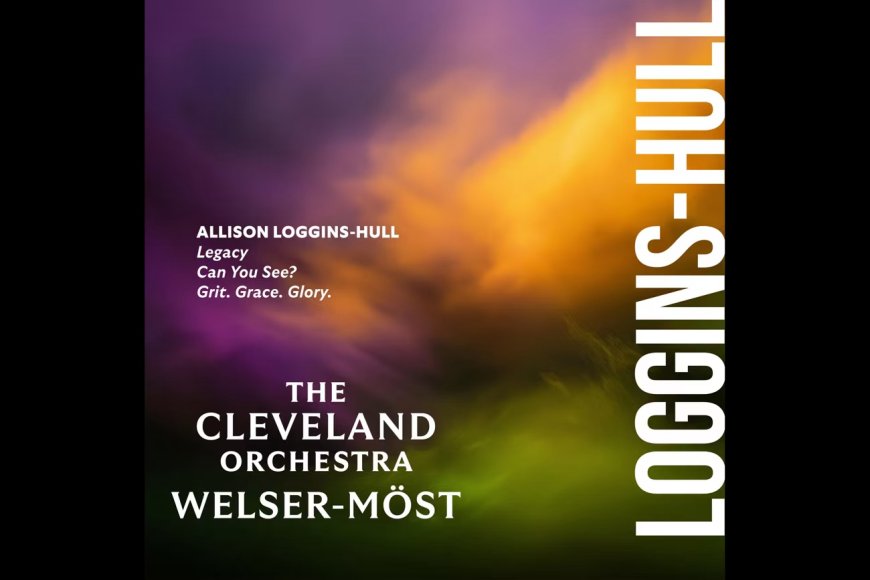
Allison Loggins-Hull’s latest album, The Cleveland Residency, is immediate and deeply personal music, which makes its institutional title feel almost misleading.
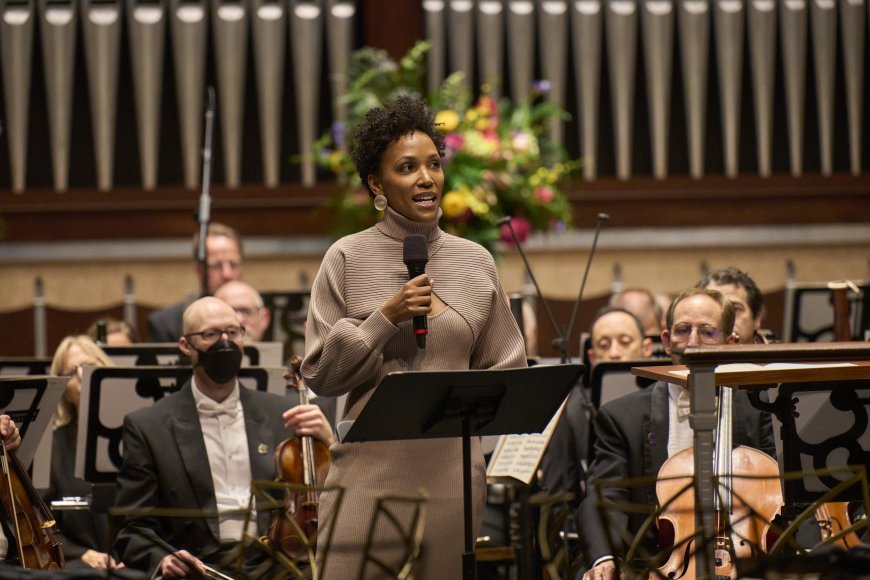
The album is a fruitful document of her time with the Cleveland Orchestra. Rather than treating her appointment as the orchestra’s Daniel R. Lewis Composer Fellow as perfunctory, she immersed herself in the city: working with the Fatima Family Center and Karamu House, collaborating with a Ukrainian bandura school, and spending time with students at the Cleveland School of the Arts.
The music on this album grows directly from that extended engagement with the culture, society, and perspective of Cleveland. Her sound favors clarity of gesture by giving each idea space to evolve and exist fully. She has a strong ear for the intersection of drama, gesture, harmony, and timbre, all of which are handled with measure and taste. Dance sits at the center of this language — everything dances and points toward the embodied nature of music.

The album’s opening work, “Legacy,” begins with a gentle declaration, a quiet fanfare, announcing its arrival. As the piece unfolds, it repeatedly returns to this gentle material, though more intense elements gradually gain strength and eventually transform into a kind of dance. The string writing holds tension in balance with beauty. The long lyrical line, on display here and throughout the album, is patiently shaped. Near the conclusion of “Legacy,” the music tightens. The dance whirls faster before finally receding into the calm of the opening. The final harmony, however, remains unstable, looking outward toward future possibilities.
“Can You See?” begins in layered tension: a tautly skittish opening set against Loggins-Hull’s signature lyricism. A busy undercurrent in the percussion and bass instruments propels the music forward, while woodwinds flicker and spin at the edges of the texture like birdsong. The piece carries a sense of import; it feels uncanny, charged. Over time, the slow boil of rhythmic pulse and the broad melodic arc begin pulling against one another, generating an unease that never fully dissipates. When the ending arrives, textures thin and harmony relaxes. The music arrives at quiet catharsis.
The four-movement structure of “Grit. Grace. Glory.” evokes the grand symphonic forms of a previous age. Yet the music remains unmistakably contemporary. The first movement, “Steel,” unfolds like some colossal ever-toiling steam engine brought to life. The musical fabric remains clear. Even at peak density, Loggins-Hull’s intention is always legible. “Shoreline Shadows” cuts abruptly into a quieter, more otherworldly space, a gentler cousin to the simmering energy of “Can You See?”
“Quip” turns toward delightful expectation. The music dances playfully, Copland-esque leaps ricocheting through the orchestra. Finally, “Ode” closes the work with a hymn of resilience. Subtle counterpoint and a gradual gathering of voices build to an ending that is steadfast in hope.
Ultimately, the album finds great beauty in reconciling opposites: rhythmic vitality with lyricism, formal clarity with freedom, sophistication with accessibility. The Cleveland Residency is a deeply confident statement from a composer with a distinctive voice.