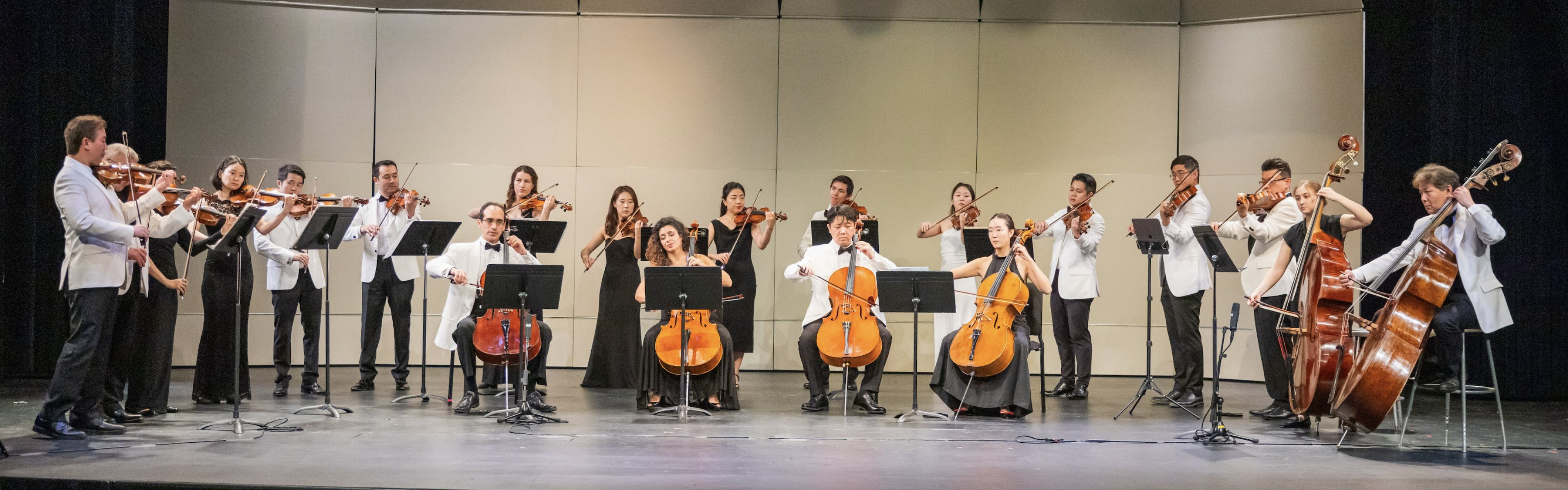
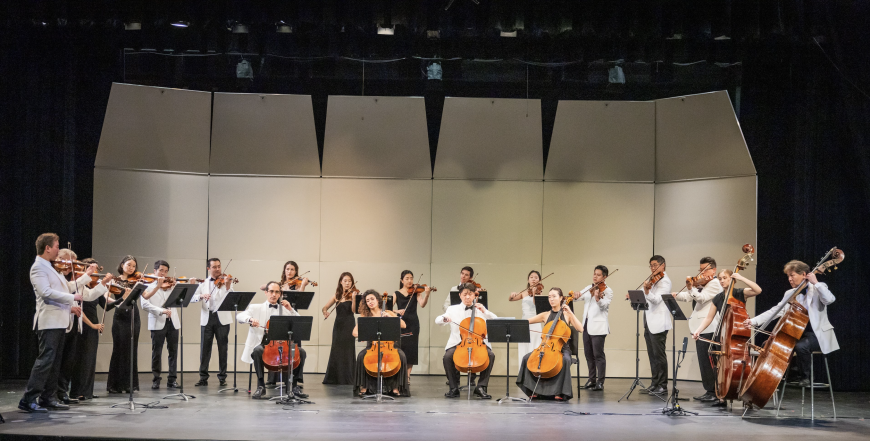
Sejong Soloists’ performance at UCLA’s Schoenberg Hall on Saturday favored elegance, balance, cohesion, and control. But by the end of the program, that control evolved to collective sway and joyful power.
The concert opened with Geoffrey Loff’s arrangement of the Adagio from Schumann’s String Quartet in A minor, Op. 41, No. 1. It began, tellingly, as a quartet: one player per part, with a more personal, intimate sound. The texture soon melted into the more polished sonority of massed strings, establishing the kind of sound that would carry through much of the concert: unified, tasteful, expressive.
The addition of contrabasses to Schumann’s quartet texture was a curiosity, and an effective one. Tastefully appointed, they grounded the harmony with quiet strength. During one cello melody section, the basses freed the violas from the quartet-version shackles of “bass-duty” to enrich the bubbling inner texture. Above them, the cellos shaped Schumann’s characteristically beautiful melody with remarkable unanimity. It was here that Sejong’s defining strength first came fully into focus: even at greater weight, the ensemble moved together, breathed together, and seemed to feel together.
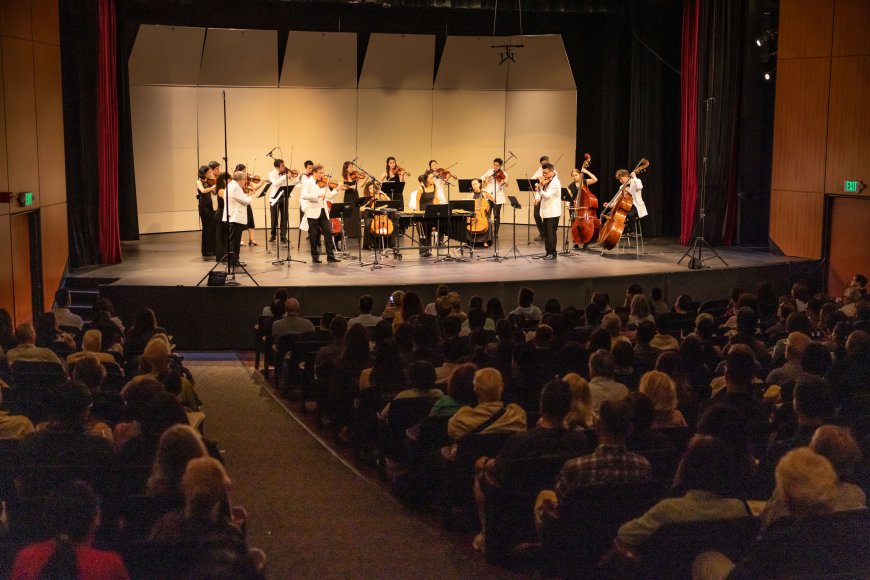
The performance found beauty in proportion and balance more than in deep psychological disclosure. The climax and denouement were carefully paced. The melody and countermelody were handled with subtlety. Though the performance of this charming opener did not feel especially risky, risk was not really the point — taste, measure, and pacing were.
The following work, Lera Auerbach’s Dialogues on Stabat Mater, is an experiment by design: a dialogue between Pergolesi’s famous Stabat Mater and Auerbach’s contemporary responses to it. The challenge of that premise is significant. If the goal is to find similarities between the 18th and 21st centuries rather than contrasts, how does the music make the dialogue clear? How does it avoid sounding like Pergolesi plus pastiche?
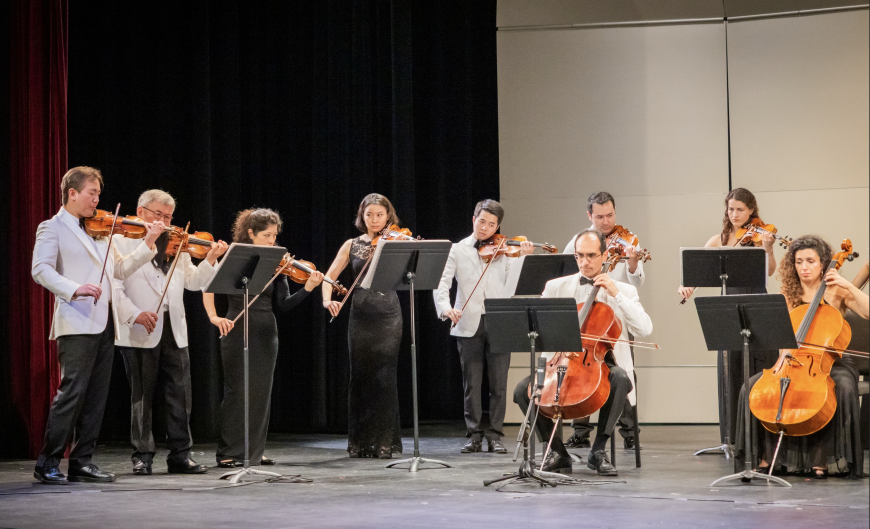
Auerbach begins with a dramatic, modernist declaration of intent: a kind of glissando smearing of the harmony, as though Pergolesi’s music were being warped or smudged like fresh oil paint. It is an apt image for the subject matter of the Stabat Mater, with its universal themes of mourning and sorrow. Pergolesi’s own music is a masterful Baroque slow burn, its tension living in the deliberate pacing and careful resolution of dissonance. Auerbach’s most compelling moments came at the seams, when that Baroque world seemed to melt into denser, more unstable modern harmonies.
The problem was one of proportion. The contemporary interludes were cogent and evocative when they arrived, but they didn’t accumulate enough weight to stand as equal partners with Pergolesi’s material. The overall narrative result felt unbalanced.
The vibraphone, played by Ji Hye Jung, occupied a particularly curious role. Its timbre alone marked it as “the other” in the piece, especially against the Baroque context. Jung played with crystalline clarity and taste, though the score rarely gave her the opportunity to shine either expressively or pyrotechnically.
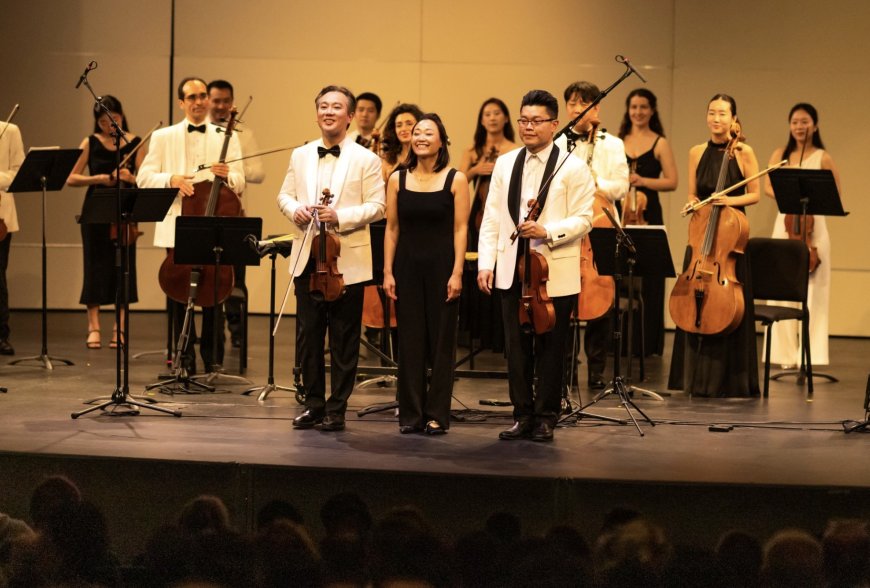
The strongest playing came from the three soloists. Frank Huang’s violin work was technically flawless, powerful, and expressive, always concerned with proportion and scale. Che-Yen Chen’s viola provided an earthy, visceral counterweight. The most dazzling passages came when Huang and Chen played in duet, without accompaniment from the rest of the ensemble. In those moments, the dialogue was immediate and charged, and the power of masterful string playing and writing shone through clearly.
Tchaikovsky’s Serenade for Strings allowed the ensemble’s full expressive powers to come into view. The piece may never have the cannon-fire notoriety of the 1812 Overture (which was written during the same period and regarded by Tchaikovsky himself with little affection). But the Serenade is by far the richer work: joyous, elegant, alive, and rooted in dance.
Sejong’s performance was incandescent. The ensemble captured the majesty of the introduction, the turbulent elegance of the first movement’s primary theme, the warm honeyed glow of the Elegy, and the raucous, bucolic celebration of the finale. The viola and cello sections were especially strong in bringing out inner lines, adding both interest and structure to Tchaikovsky’s masterful counterpoint.
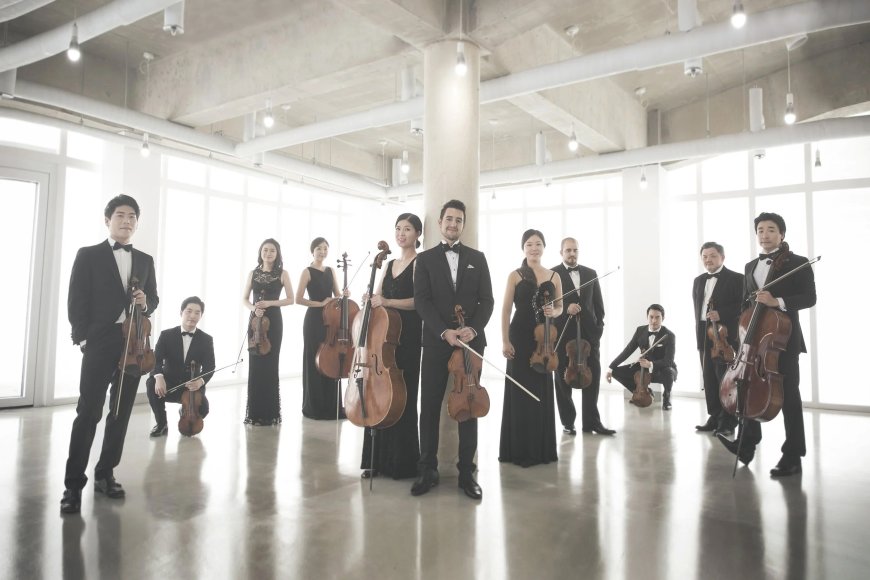
It was also clear that the performers enjoyed the piece. More than once, performers seemed visibly impressed with the work of their colleagues. The tempos were energetic when appropriate, serene when called for, and always held in a beautifully centered pocket. Here, the ensemble’s cohesiveness truly shone through. They played, and swayed, together.
The final movement was breathtakingly exciting: bracing tempi, flawless détaché phrasing across the ensemble, and a collective rhythmic precision that never let up until the final bars. It was lovely, too, to see so many younger children in the audience, clearly enjoying themselves, if the applause was any indicator.
Tchaikovsky’s Serenade is not children’s music exactly, but in a performance this vivid, its appeal needed no translation.