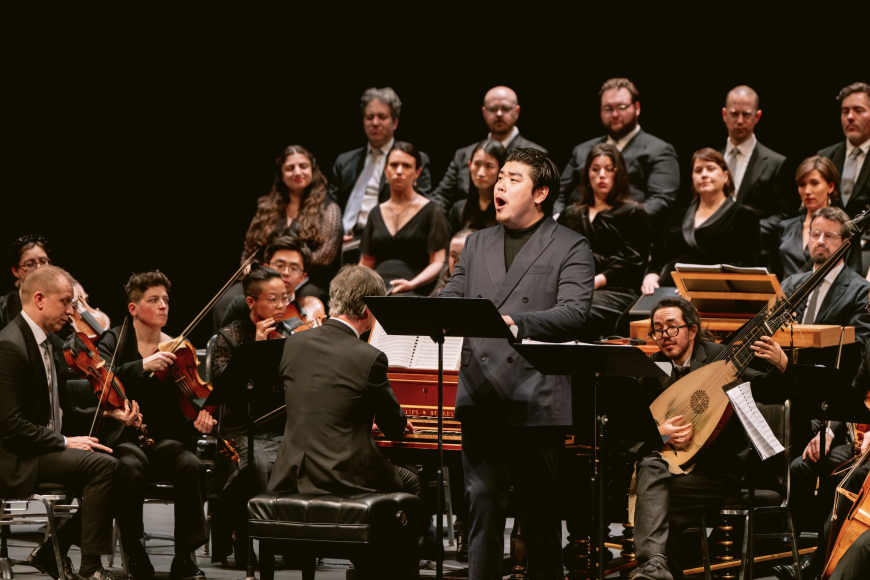
Imagine Shakespeare’s Othello, but with a happy ending. That will get you close to understanding the power and strangeness of Handel’s oratorio, Hercules.
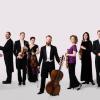
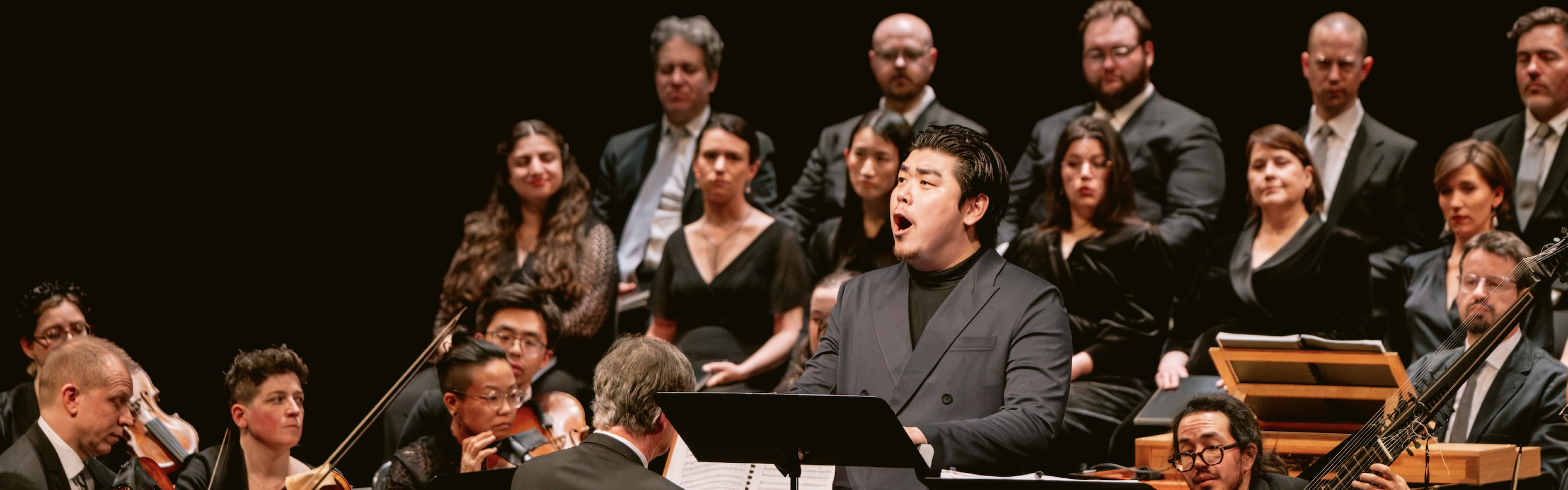
The oratorio was performed by the English Concert — an early music orchestra— under the leadership of Harry Bicket at Cal Performances on Sunday. The orchestra is known to make annual stops at Zellerbach Hall for semi-staged performances of Handel operas and oratorios. In the past few years, we’ve heard magical comedies (Alcina), a Biblical pageant (Solomon), and a historical epic (Giulio Cesare).
While Handel pressed the possibilities of those genres, Hercules is a different beast altogether — innovative and thrilling, but also exasperating.
Hercules tells the story of how suddenly and violently his wife, Dejanira, is seized by jealousy — she is anxious that her husband is in love with his captured princess, Iole. Though Hercules has his own worries, and his son Hyllus intends to wed Iole, Handel has cut everything superfluous to Dejanira’s arc of blind jealousy and its terrible consequences.
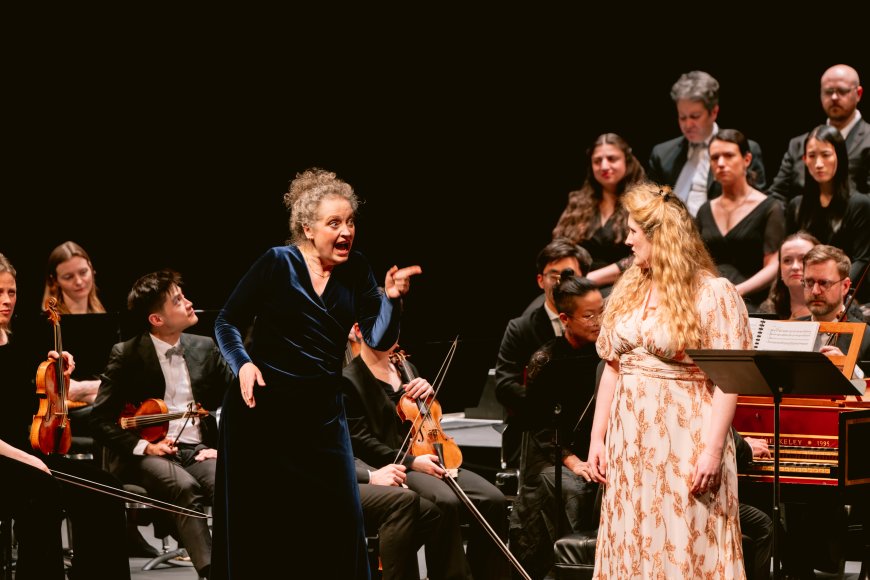
With only a sliver of stage, on-theme outfits (not exactly costumes), and a few props, the soloists had mostly their voices and gestures to work with. Mezzo-soprano Ann Hallenberg was brilliant as Dejanira, using each aria to chisel into different aspects of the character. She was particularly impressive in her mad scene. Hilary Cronin, as Iole, was captivating; her entrance and grief-stricken aria marked the dramatic turning point of the otherwise meandering first act. Countertenor Alexander Chance, despite a stunning voice never stood a chance as Lichas (a pointless role even for Handel).
Despite its many showstoppers, Hercules proves that there really can be too much of a good thing. Take the inauspicious opening: after four back-to-back lukewarm arias with no sign of action, one would be forgiven for thinking, like Handel’s audiences did, that Hercules is a bust. The breathtaking choral numbers — some of the best in Handel’s repertoire — only exaggerate the sense of a drama stuck in second gear.
This oratorio also has a unique musical profile, made up mostly of jagged, pulsing motifs that alternate with languid melodies. There are few instances of straightforward joy or anger, but even those tend to come off ironically in the score’s hothouse of suspicion.
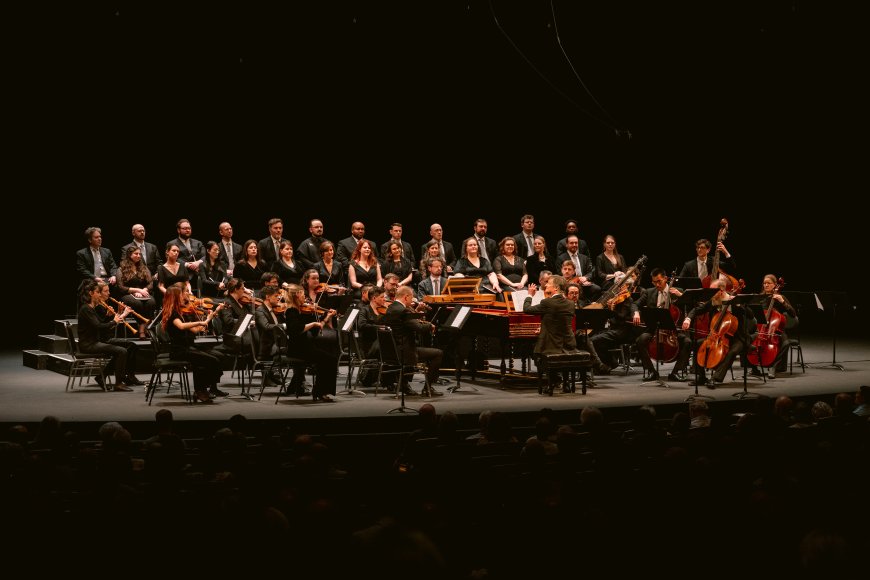
None of this is the fault of the musicians. Bicket laid into the score’s contrasts and its stomping rhythms. If the music sometimes cried out for more color, the rare inclusion of trumpets and oboes were especially welcome. The ensemble played, as it always does, with an incisiveness that makes even dull interludes exciting. While Bicket made the usual rearrangements and abridgements with the musical numbers, there is a persuasive case to be made for cutting the work’s extraneous bits.
But when Handel focuses on the characters’ tortured attempts to grapple with their feelings, the music is revelatory. When Dejanira confronts Hercules, bouncing oboes and gigue-like rhythms in the violins underscore her self-conscious conflict. She doesn’t want this but is unable to placate the jealousy haunting her. Its blank, consuming power, is immune to rationality.
Handel’s recurring jagged music is the stampeding force of this jealousy, not only in the choral centerpiece “Jealousy! Infernal pest” and the frightening arias of the Act 3 denouement, but in the recitatives that link them. Handel went further than ever before in incorporating aria-like expressivity and orchestral flourishes in Hercules’ conversational interludes, making them as fraught as any of the arias. Dejanira’s tragedy is an unrelenting centrifugal force: her shame at being the unwitting cause of so much destruction is what drives her mad.
In Othello’s Iago, jealousy goes to battle with our assumptions (and hopes) about what it means to be human. That he is both human and cipher is Shakespeare’s disturbing achievement. Hercules has no such evil agent. Jealousy is — even more disturbingly than in Othello — pointless. The cobbled-together happy ending, casting this mythology in a Christian light, unconvincingly argues for the quiet hope of compassion. What sticks, instead, is awe at how quickly we become strangers to ourselves, acting out the very feelings we dread.